#HumanDevelopment is about the richness of human life rather than simply the richness of the economy. Visit our website and follow @pedrotconceicao for more.
⏳ 10 DAYS TO GO
What does it take for people and nature to thrive together?
@UNDP's #HDR2026 explores how we can advance human development on a shared path for people and nature.
Coming 1 December.
🔗 https://t.co/k3qLl5LxER
🚨 COMING 1 DECEMBER
People and nature share a future. How can we build one in which both thrive?
UNDP’s #HDR2026 explores how our relationships with nature shape human development, and how our choices can advance well-being for people and planet.
🔗 https://t.co/d33DQ7cqT2
🌎 COMING 1 DECEMBER
People and nature share a future. How can we build one in which both thrive? 🌱
@UNDP's #HDR2026 explores how our relationships with nature shape human development, and how our choices can advance well-being for people and planet. 🤝
🔗 https://t.co/L2RHhIC5zB
⏳ 21 days to go.
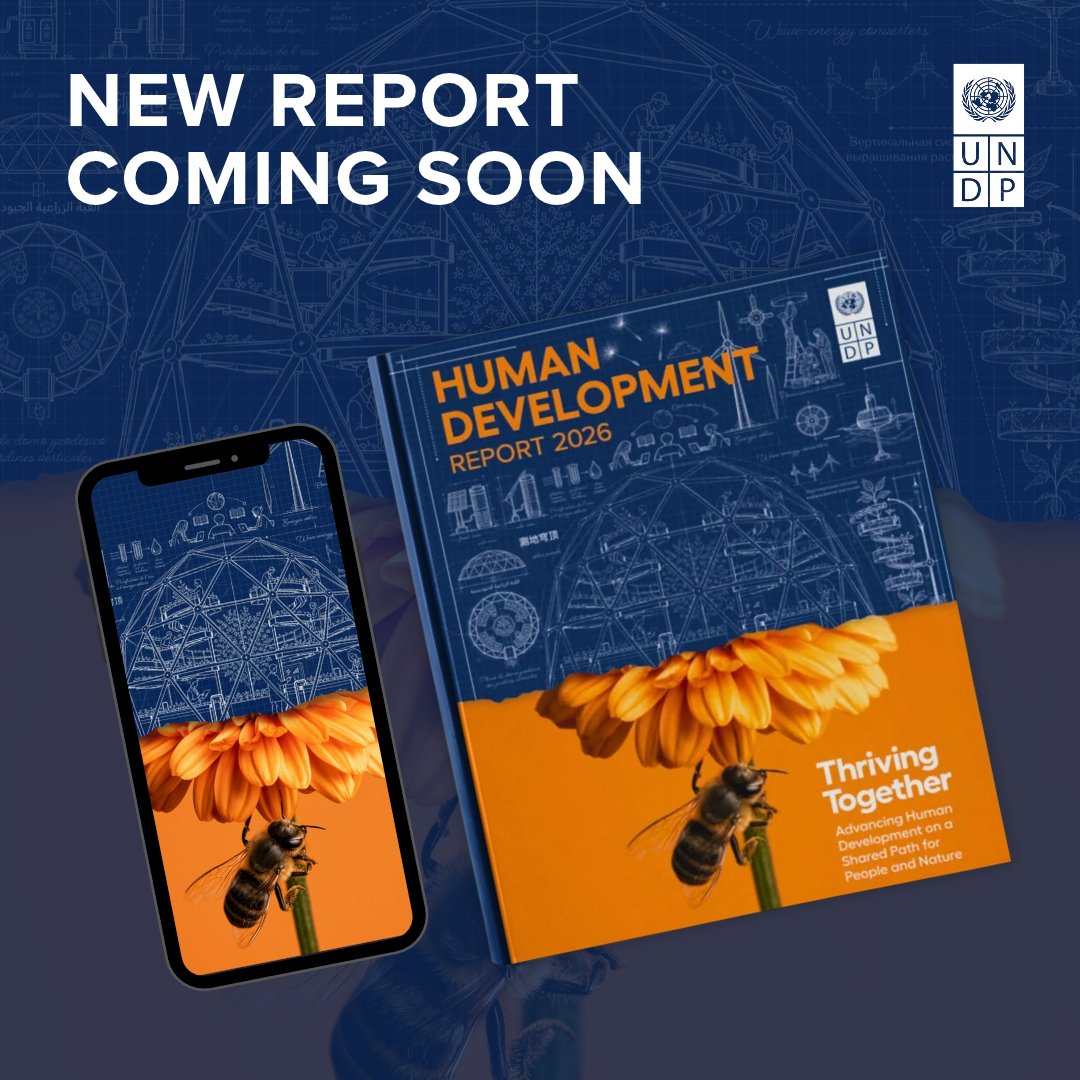
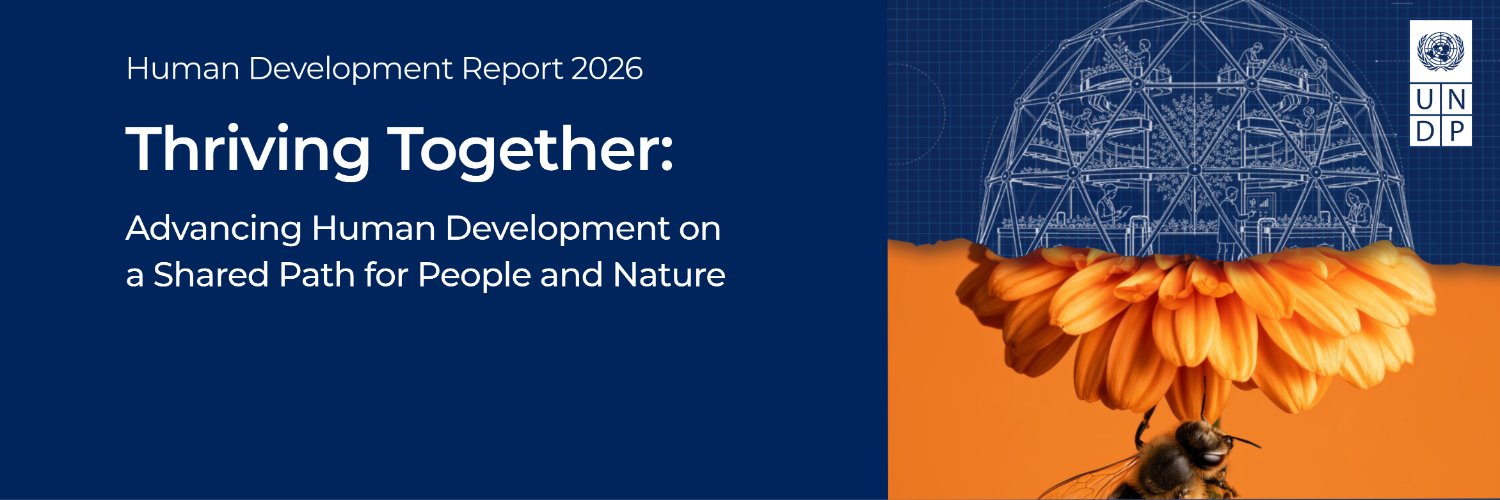
🌿 The 2026 Human Development Report, Thriving Together: Advancing Human Development on a Shared Path for People and Nature, explores how reimagining relationships among people and between people and nature can open new possibilities for human development.
🗓️ Coming on 1 December.
#HDR2026
⏳ The countdown begins today!
We are pleased to announce that the 2026 Human Development Report, Thriving Together: Advancing Human Development on a Shared Path for People and Nature, will be released on 1 December 2026, followed by its official global launch in Bonn, Germany, on 4 December.
At a time when human development faces mounting challenges and the natural systems on which it depends are under growing pressure, the report explores how reimagining relationships among people and between people and nature can open new possibilities for human development and create the conditions for people and nature to thrive together.
It will also introduce the inaugural Nature Relationship Index (NRI), a new measure that complements the Human Development Index (HDI).
🎥 The global launch will be livestreamed, with further details to follow.
🔗 Learn more: https://t.co/LAFY7WkKwJ
#HDR2026
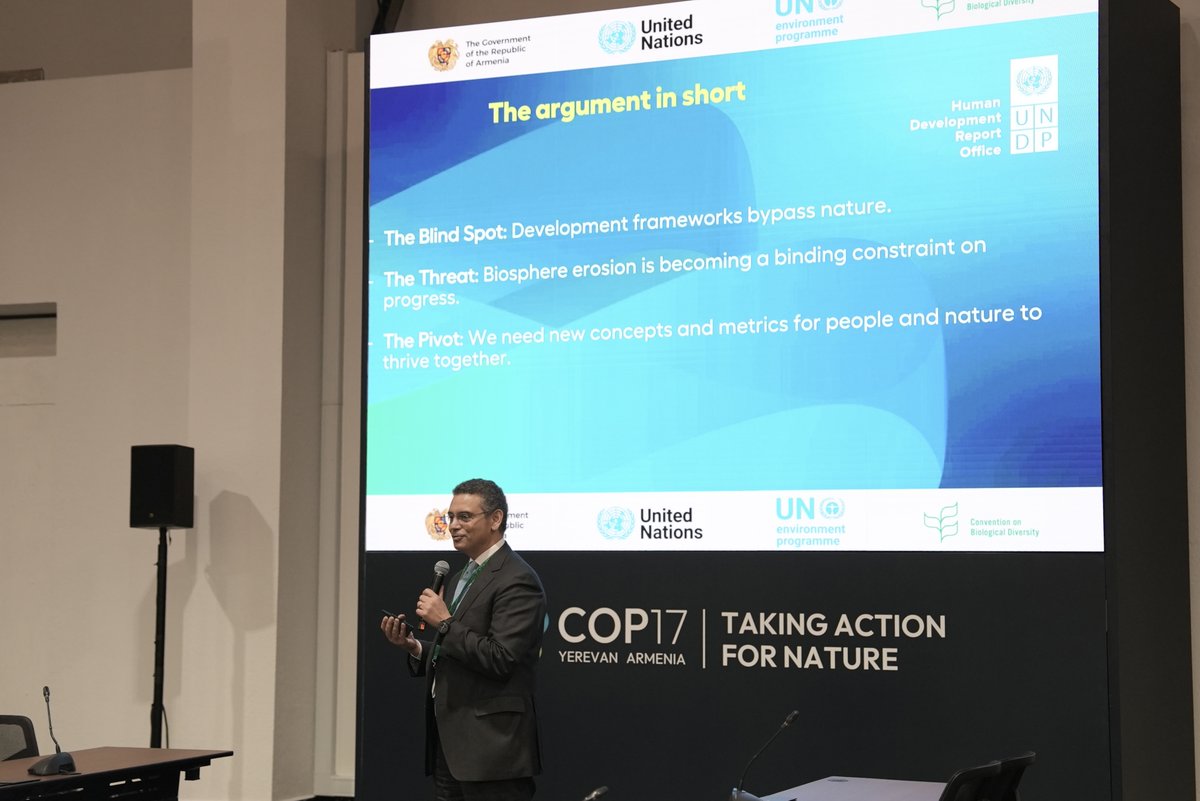
🌿 Last week at #COP17Armenia, UNDP’s Human Development Report Office explored how recognizing people as part of nature can reshape the way we understand and measure progress.
Drawing on the forthcoming 2026 Human Development Report, HDRO Director Pedro Conceição discussed how people’s aspirations for better lives can help drive action for both human development and biodiversity.
🇺🇳🇦🇲 At @undp’s official side event, co-organized with the Government of Armenia, he presented the inaugural Nature Relationship Index (NRI). Designed to complement the Human Development Index, it measures how countries enable people to thrive together with the rest of nature. He also presented the pilot Planetary Hazards Index (PHI), which maps where environmental hazards and human vulnerability intersect.
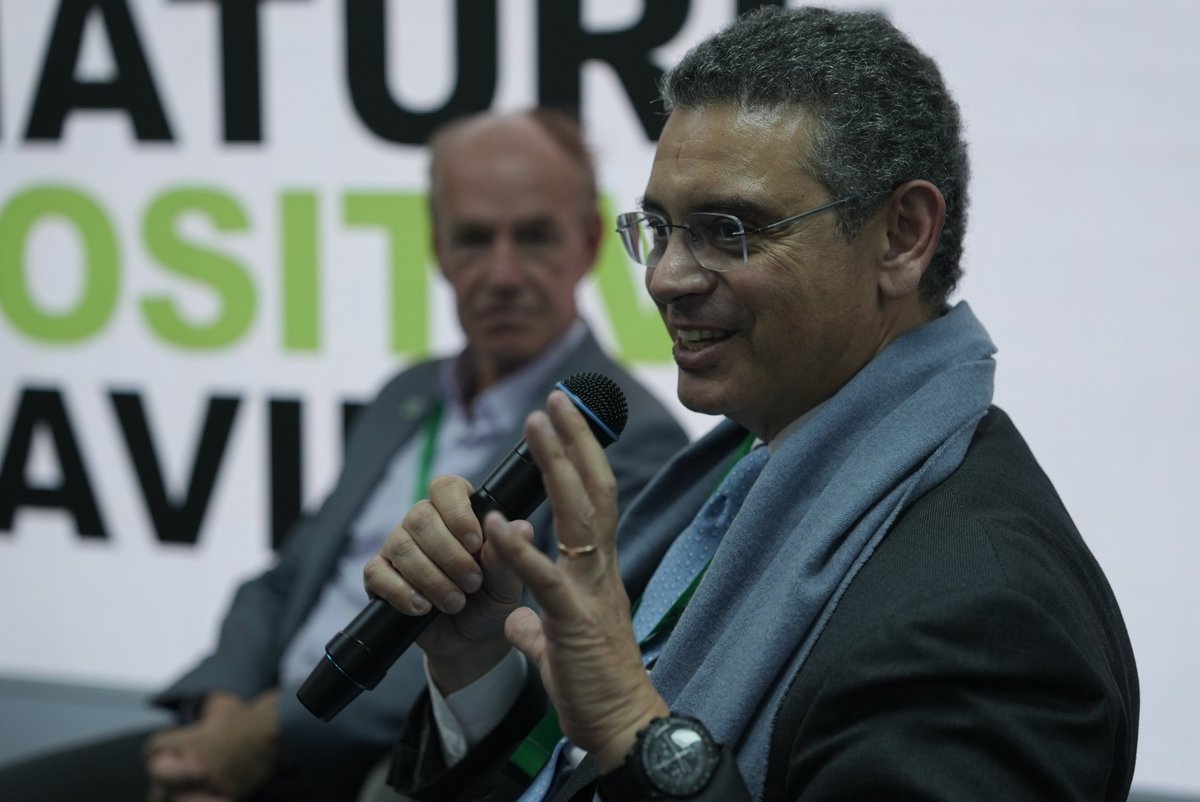
🌱 At the Nature Positive Pavilion, Pedro joined Marco Lambertini of the Nature Positive Initiative to discuss how new approaches to measuring progress for people and nature can help translate ambition into action.
🌎🤝 Together, these discussions highlighted why our relationship with nature is crucial for the future of development. By better understanding these connections, we can inform policies that protect biodiversity while expanding people’s opportunities to live healthy, fulfilling lives.
💚 Advancing human development can help build a future in which people and nature thrive together.
Learn more: https://t.co/BmSDxsW8V8
@UNDPplanet #TakingActionForNature
What if progress meant helping people AND nature thrive? 🌿
At #COP17Armenia, @HDRUNDP explored how the 2026 Human Development Report & new Nature Relationship Index can reshape how we define progress, through two complementary events.
For more visit https://t.co/o1NlxX2TCt
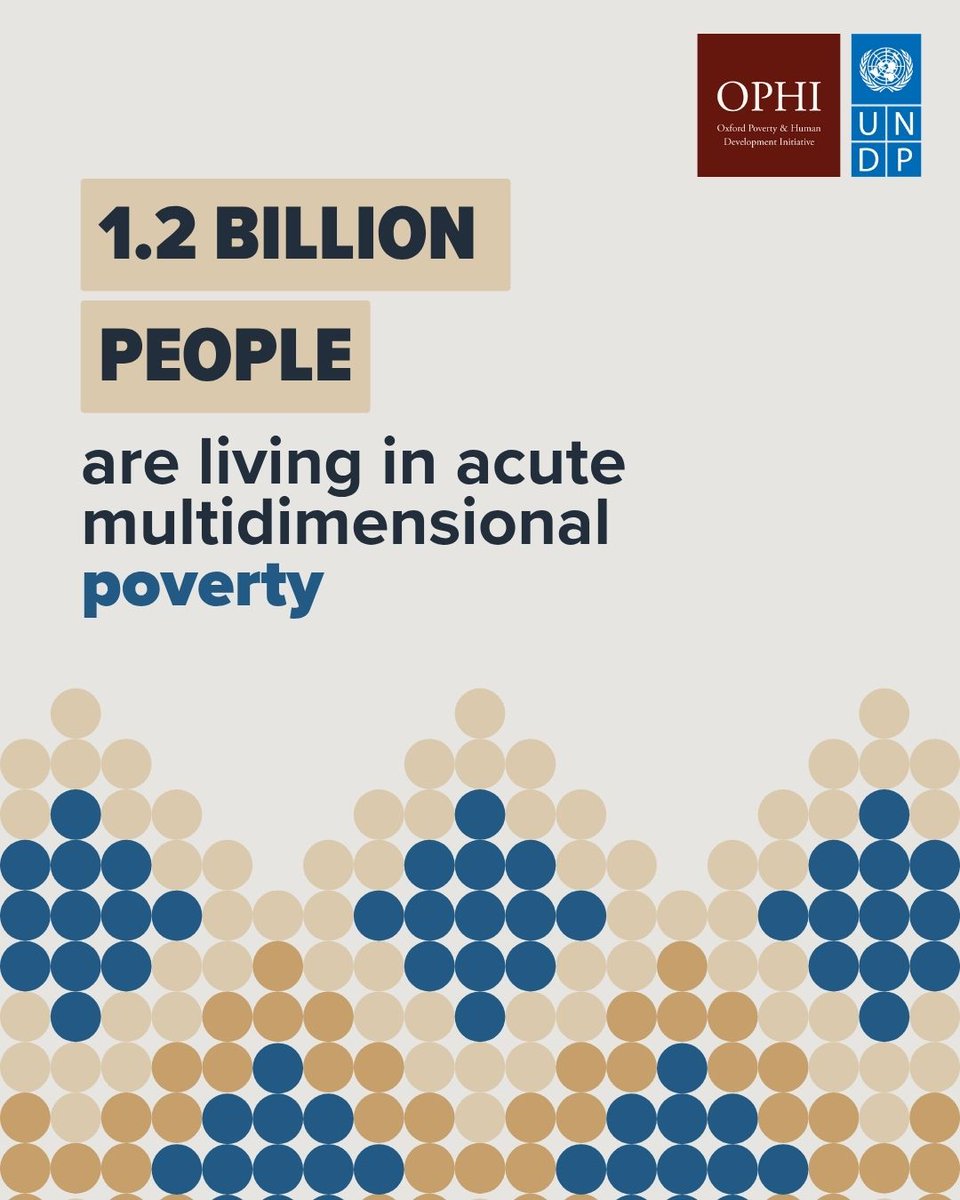
Nearly 1.2 billion people across 108 countries live in acute #MultidimensionalPoverty, facing overlapping deprivations in health, education and standard of living.
More on our 2026 global Multidimensional Poverty Index from @HDRUNDP and @ophi_oxford: https://t.co/kJe4iiQybJ
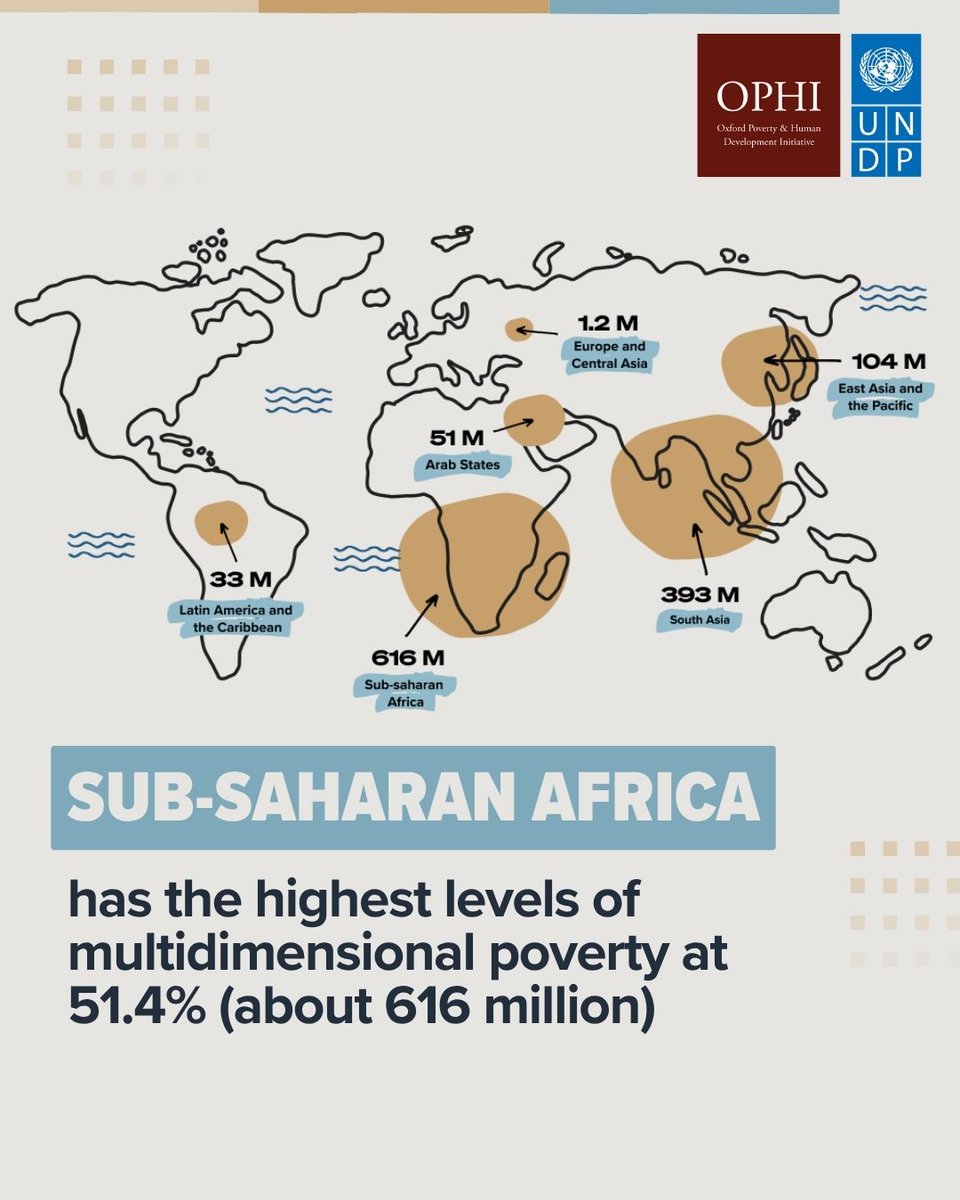
Over half of multidimensionally poor people — 616 million — live in Sub-Saharan Africa.
Poverty is widespread across the region. In 21 countries, home to 362 million people, over half of the population lives in poverty.
More in the global MPI 2026: https://t.co/ctIj9qvQeX
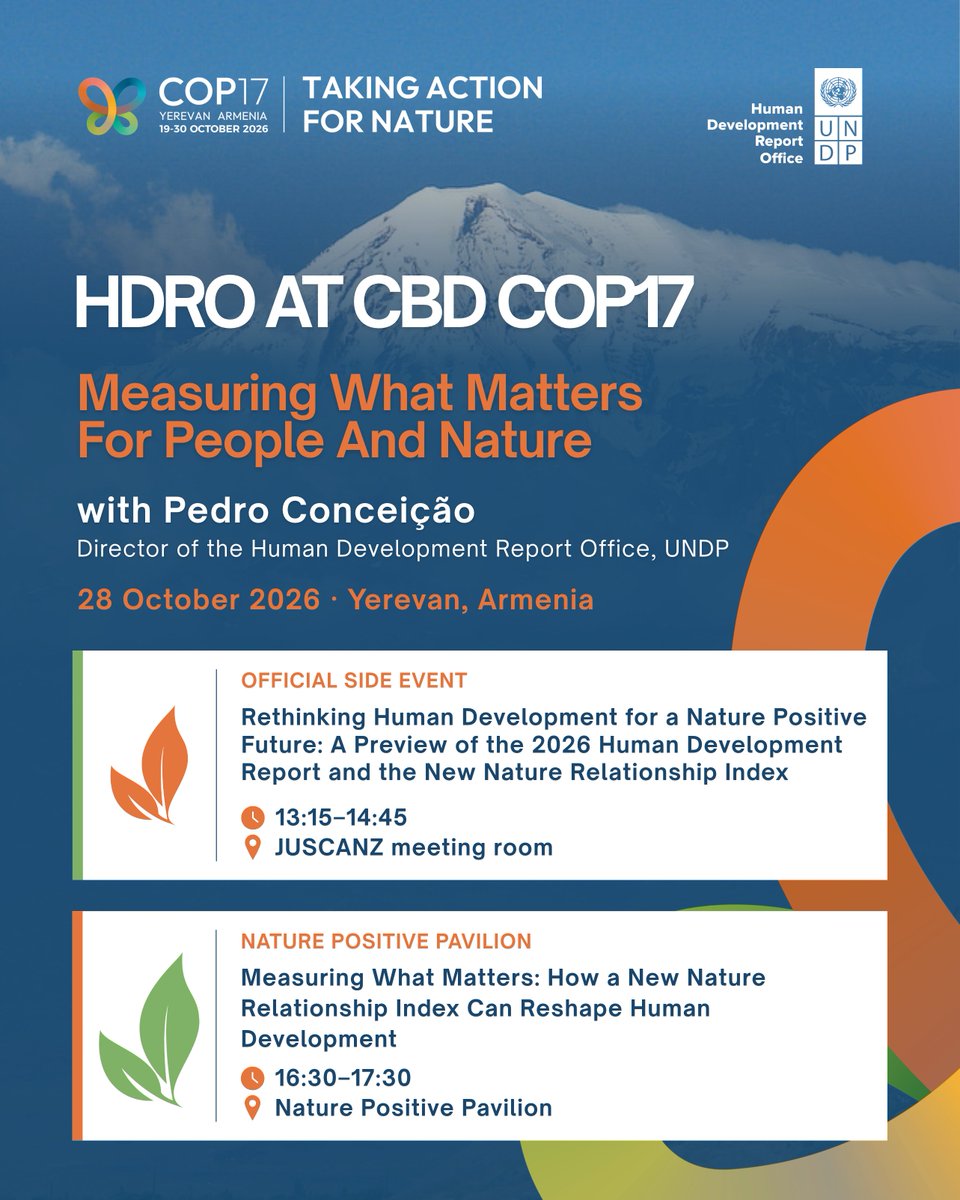
🌿 Tomorrow at #COP17Armenia: What does progress mean when we recognize that people are part of Nature? And how can the way we measure it help drive change?
These questions are central to the forthcoming 2026 Human Development Report and will guide two conversations involving UNDP’s Human Development Report Office Director, Pedro Conceição, on 28 October.
📍 Official side event | 13:15–14:45 | JUSCANZ meeting room
“Measuring What Matters: How a New Nature Relationship Index Can Reshape Human Development”
Co-organized by @UNDP and the Government of Armenia, the first session will offer a preview of the report and introduce the Nature Relationship Index, exploring how a better understanding of our relationships with Nature can inform biodiversity policy and human development.
📍 Nature Positive Pavilion | 16:30–17:30
“Measuring What Matters: How a New Nature Relationship Index Can Reshape Human Development”
Later that afternoon, Pedro Conceição will join Marco Lambertini, Convener of the Nature Positive Initiative, to explore how measures of human development and the health of Nature can complement each other, and what it takes to turn those insights into action.
📅🇦🇲 28 October 2026 | Yerevan, Armenia | All times local
#BiodiversityAction #TakingActionForNature
🤖 As AI changes how information is produced and shared, how do we decide what to trust?
🌐 To mark Global Media and Information Literacy Week, #HDRFacts draws on the 2025 Human Development Report to explore why critical thinking matters in a world with AI.
🔎 The report highlights critical thinking as essential for assessing information and making decisions that reflect people’s values and circumstances. This means looking beyond access to digital tools to the skills people need to question sources, evaluate evidence and form their own judgements.
But individuals cannot carry this responsibility alone. The report discusses why stronger critical thinking skills must go hand in hand with a more reliable information environment, including platforms that amplify trustworthy information.
🤝 Together, these efforts can strengthen people’s ability to make informed choices and participate in shaping their future.
📖 Read “A matter of choice: People and possibilities in the age of AI”: https://t.co/L6xnGwflbC
#MediaAndInformationLiteracy #HumanDevelopment #AI
Our relationship with nature shapes our health, livelihoods, and the choices available to us. Acting for biodiversity isn’t only about limiting harm; it’s about expanding what’s possible for people. 🌍
At #COP17, the UN Biodiversity Conference in Yerevan, Armenia, UNDP’s Human Development Report Office will bring this perspective to discussions on the future of development.
On 28 October, Director Pedro Conceição will take part in two conversations drawing on the forthcoming 2026 Human Development Report and its new Nature Relationship Index:
🌿 An official side event co-organized by UNDP and the Government of Armenia, exploring how our relationships with nature can reshape the way we understand and measure human development.
🌿 A conversation at the Nature Positive Pavilion, Convener of hosted with the Nature Positive Initiative, exploring how measuring progress for people and nature can translate into action.
Follow our conversations on how people and nature can thrive together.
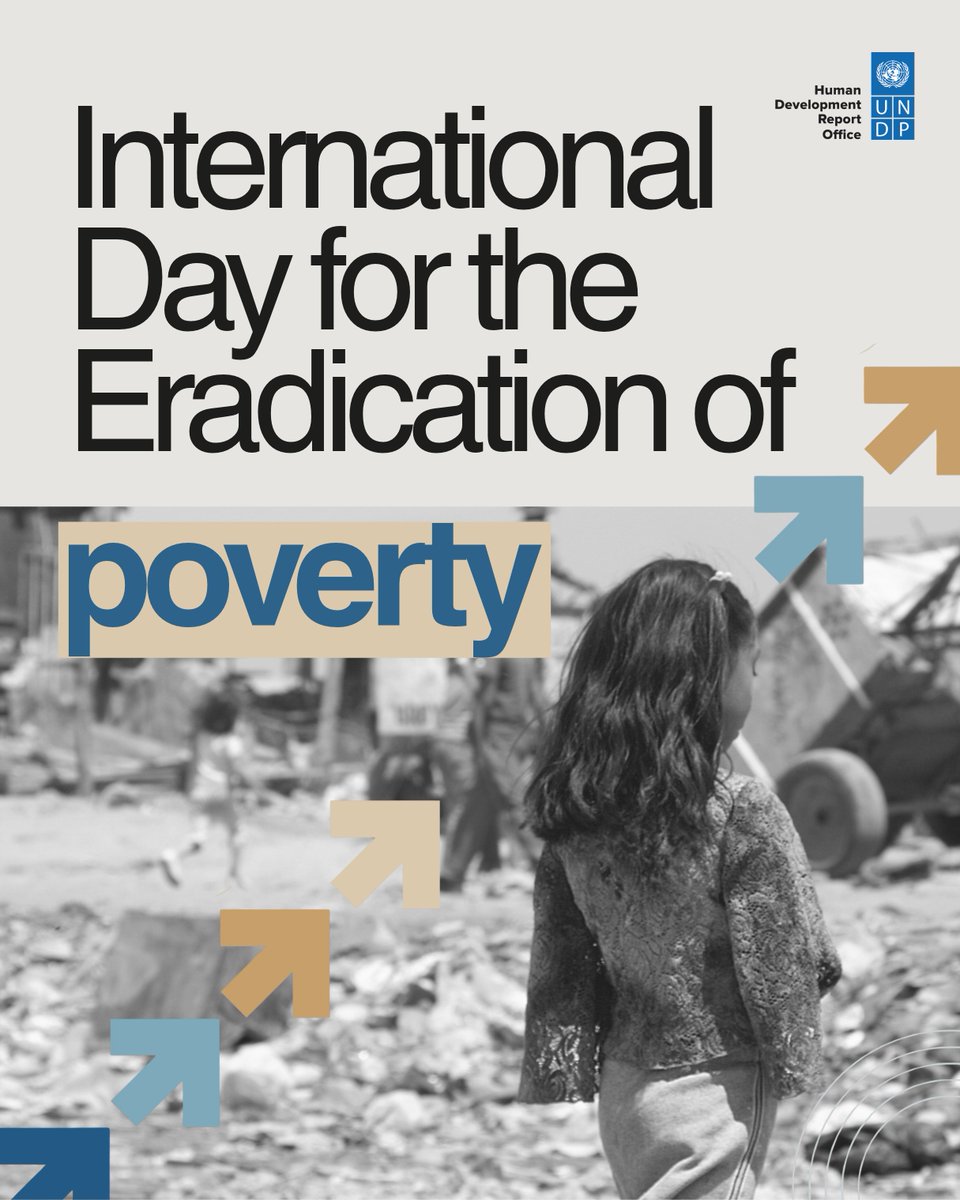
Ending poverty starts with understanding how people experience it.
On the International Day for the Eradication of Poverty, #HDRFacts highlights findings from the 2026 global Multidimensional Poverty Index (MPI).
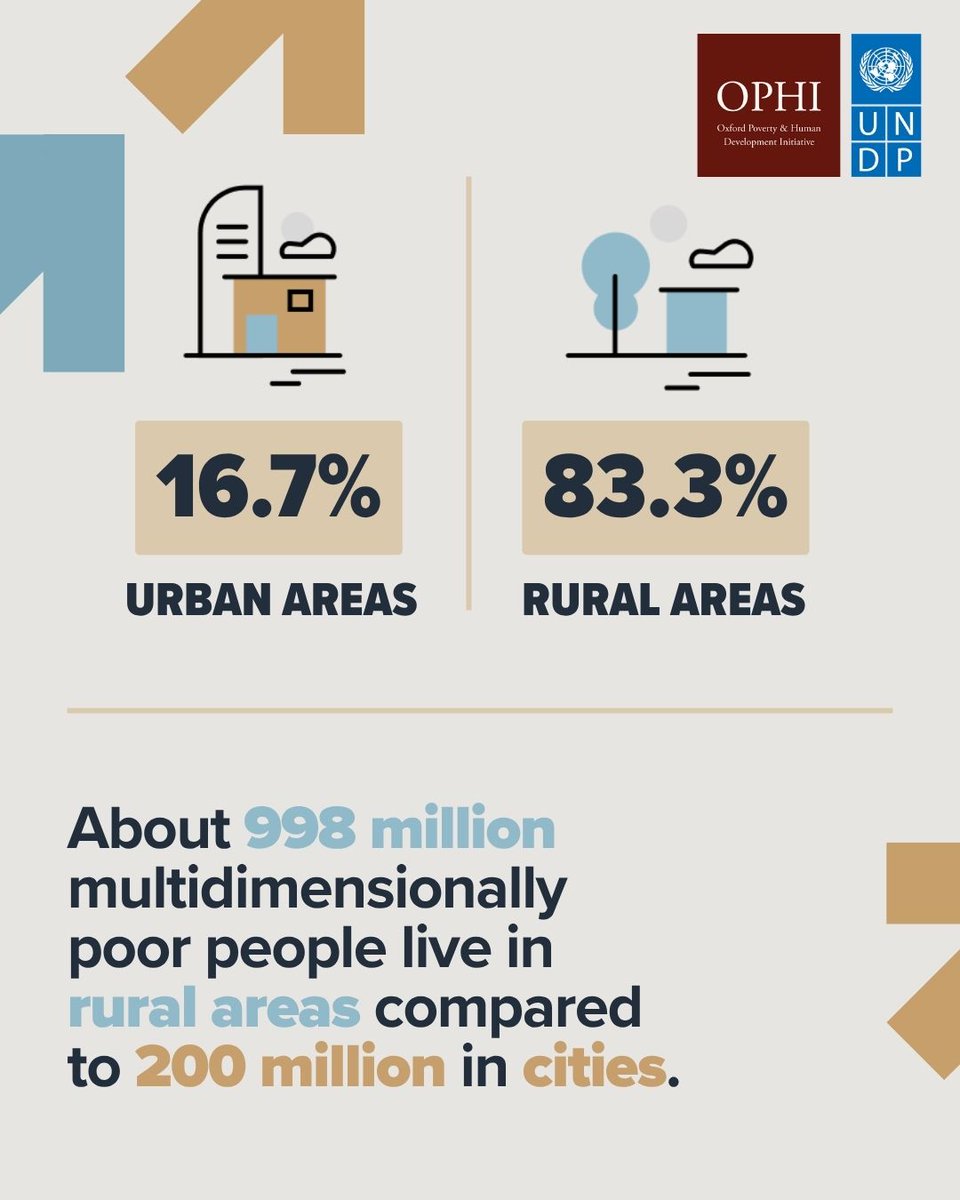
Nearly 1.2 billion people across 108 countries face overlapping deprivations in health, education, and living standards. More than half are children. Rural communities also bear a disproportionate burden, accounting for 83.3% of people living in #MultidimensionalPoverty.
These findings underline the need for action that responds to the needs of different groups and communities, addressing the multiple barriers people face together.
Progress is possible: 33 countries have halved their MPI value in fewer than 15 years. Sustaining these gains means keeping people’s lives, dignity and opportunities at the centre of poverty reduction efforts.
Explore more findings from @undp & @ophi_oxford: https://t.co/QMZtqGQgm7
In middle-income countries, 779 million people face overlapping deprivations in health, education, and standard of living dimensions. They represent nearly two-thirds of all people living in #MultidimensionalPoverty.
Explore more findings from @undp & @ophi_oxford: https://t.co/KpZeJOZzmt
Together, these findings underline why poverty reduction efforts must respond to the needs of different groups and communities, addressing the overlapping deprivations in health, education and living standards that they face.
Explore more findings from @UNDP and @ophi_oxford: https://t.co/2bINkaTw36
Who is being left furthest behind?
The 2026 global Multidimensional Poverty Index shows that children and rural communities bear a disproportionate burden of poverty.
The disparities are also evident between rural and urban communities. Rural areas are home to 83.3% of people living in multidimensional poverty, with a poverty rate of 28.7%, compared with 7.0% in urban areas.