Notice: This account will no longer be active on this platform.
We invite you to continue following and engaging with HERI on Bluesky:
https://t.co/1HuJGntekT
Thank you for your continued support!
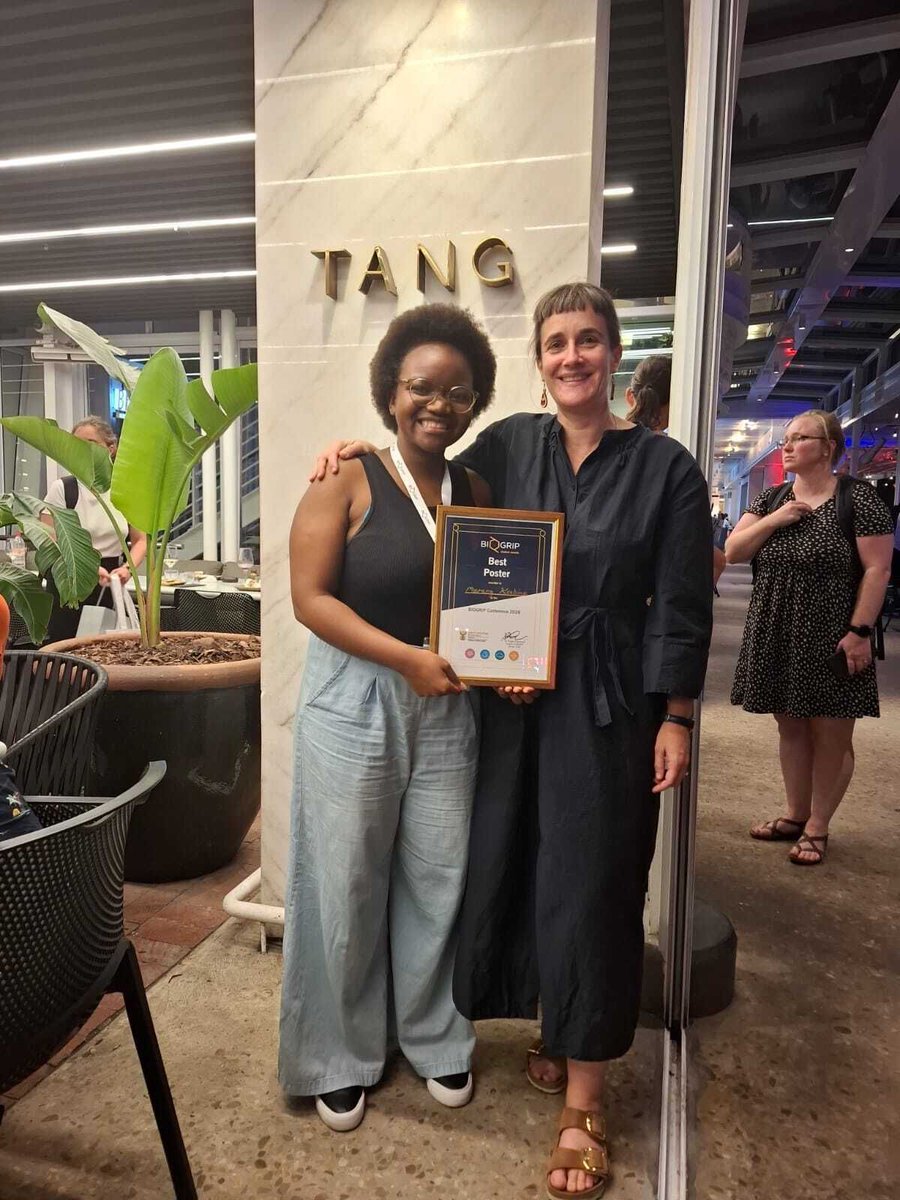
🎉 Big congratulations to our HERI MSc student, Marang Keebine, for receiving the Best Student Poster Award at the BIOGRIP 2026 conference (UCT, 28–30 January)! Wishing her continued success in her research journey!
#WomeninScience in #SouthAfrica ⚒️
HERI Master’s student, Marang Keebine, studies past #climate & environmental change using sediments from an ancient lake in the Karoo.
Her work sheds light on how dry landscapes responded to drought and rainfall – and how we can respond today.
Thrilled to share that the 2025 @SAJS article with the highest attention score was led by our @Palesa Madupe, with nearly 4,000 abstract views!
The study identified 2 Myr-old proteins from P. robustus, revealing biological sex & genetic variability.
https://t.co/BlCzMHS0qa
Did you know?
Early humans in #SouthAfrica were making spears 500,000 years ago.
These stone points from the #archaeology site of Kathu Pan 1 have impact damage, hafting marks & shapes perfectly suited for spear use — revealing surprisingly advanced weapon technology.
Imagine surviving in the Kalahari thousands of years ago—one of #Africa’s driest environments.
Discoveries in #archaeology show that early humans didn’t just endure this environment, they adapted with remarkable skill
🔗 Read more: https://t.co/spK2O8hnNT
New work by HERI's @DrPeeChiwara & colleagues reviews Middle Stone Age evidence in #Africa to explore how early humans built complex social networks
The paper sheds light on the deep roots of human cooperation & collaboration.
🔗 https://t.co/k0c1I6gdX5
Women in science in #Africa
Christina Mutinda, a HERI PhD candidate at @UCT_news explores how early humans adapted to changing environments.
Using fossils, isotopes & ecological clues, she reconstructs East Africa’s Early Pleistocene habitats, when Paranthropus boisei roamed.
HERI’s Dr Rieneke Weij has led a rare update of U-Th & U-Pb dating in palaeoscience.
Published with our Dr Tara Edwards, the review highlights advances & potential for carbonate geochronology — and the implications for #humanevolution research.
🔗https://t.co/NGuNZBhAcX
105,000 years ago, Homo sapiens left their mark at Gamohana Hill North Rockshelter in the Kalahari. They crafted points from galaxy tuff, a 2.4-billion-year-old glass-like stone. Not just a rock, but evidence of skill, planning, and ingenuity.
🔗https://t.co/CDhSMoueA9
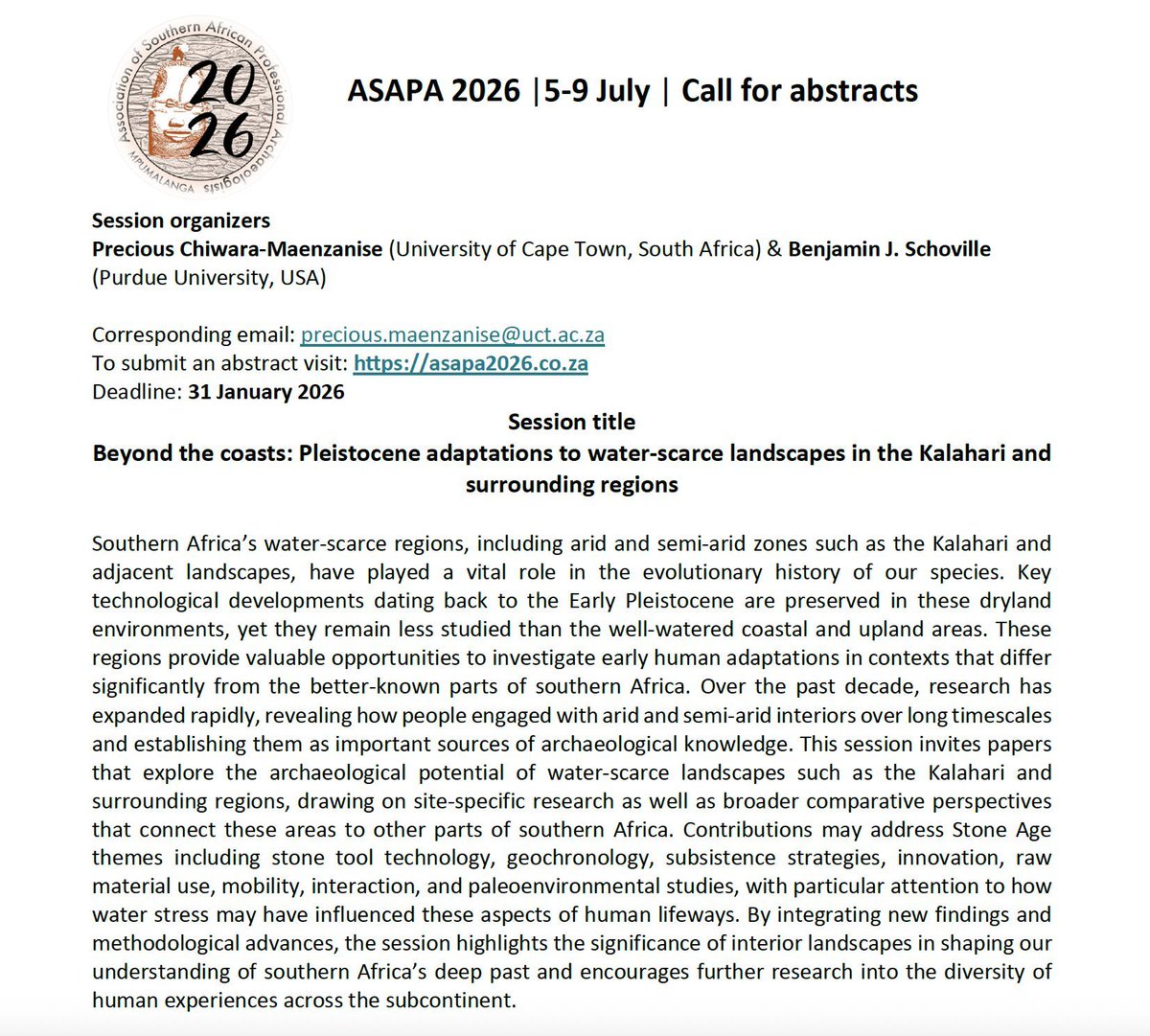
HERI’s @DrPeeChiwara & @bschovil are organising a session at ASAPA 2026 on Pleistocene adaptations in the Kalahari and surrounding interior regions.
Researchers working in these regions are invited to submit abstracts and join the discussion.
https://t.co/B8aVhnGFsS
New publication alert!‼️ Wrapping up 2025 with my 5th paper of the year in the SAJS!
The paper reviews how stone tools reveal social connections, noting similar patterns can also arise independently and suggesting ways to better distinguish the two. 💫🔗 https://t.co/CsIHlkuxg2
Why is #TaungChild one of the most important fossils in the world?
Find out in our new podcast, which tells the story of how one fossil challenged colonial narratives & scientific authority to show human origins lie in #Africa
Listen to all episodes🔊
https://t.co/PpImVyLn3T
ASAPA 2026 Call for Abstracts is open!
@bschovil and I are organising a session on Pleistocene adaptations in the Kalahari and other interior drylands of southern Africa.
Working in these landscapes? We’d love your contribution.
Submit here: https://t.co/ztceEKjgUe by 31/01/26
Ancient tooth proteins reveal the biological sex and genetic diversity of Paranthropus robustus.
Led by Dr Palesa Madupe @PalaeoP of the University of Copenhagen and UCT’s HERI, the study in Science provides the oldest human genetic data from Africa.
🔗https://t.co/93QZG5rGht
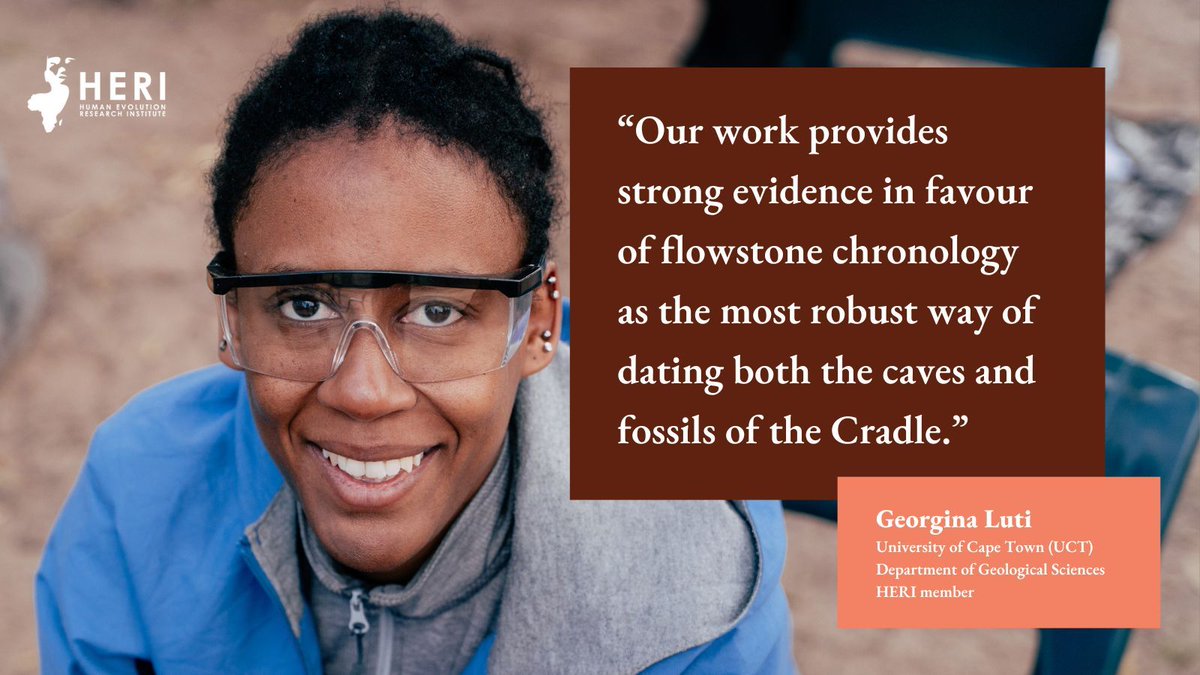
Flowstones from the Cradle of Humankind in #SouthAfrica reveal no evidence of intrusion.
New work, led by HERI’s Georgina Luti, counters arguments that the flowstones are uniform & intrusive, adding support for their role in dating fossils.
🔗https://t.co/Gelje8ojnH
🦴 The #TaungChild fossil changed how we understand human origins in #Africa. Its story is shaped by prejudice, rivalry and hidden hands.
🎧 Unburied Season 2: The Taung Child from HERI and ARC explores its history and legacy.
Listen here 👉 https://t.co/KKPSpVavKy
Science is stronger when every voice is heard. At HERI, diversity drives discovery, challenges assumptions, and creates richer stories of our shared human story.
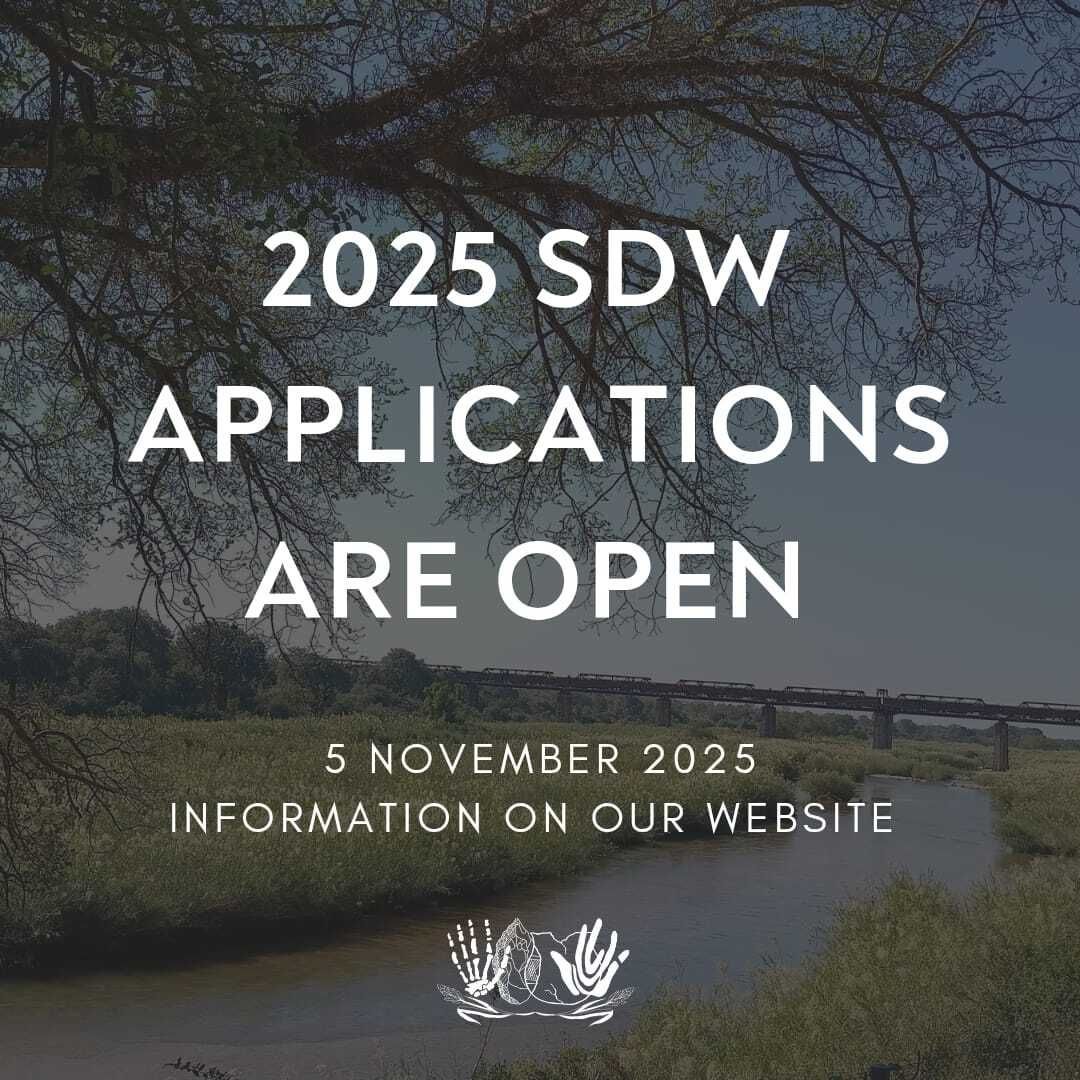
Applications now open for the 2025 Student Development Workshop (SDW) at Skukuza, Kruger National Park! 🌿🦓
A great opportunity for students in archaeology and heritage management.
📅 6–10 Dec 2025
See details on SAASS social media & website: https://t.co/Np89sTbWvI