The Laboratory on Human-Environment Relations in Urban Systems contributes to research and teaching for the transition of cities towards sustainability @EPFL
In urban sustainability research, the importance of neighbourhood-scale sustainability assessment tools is important since the local environment and context-specific features can have a significant impact sustainability and liveability.
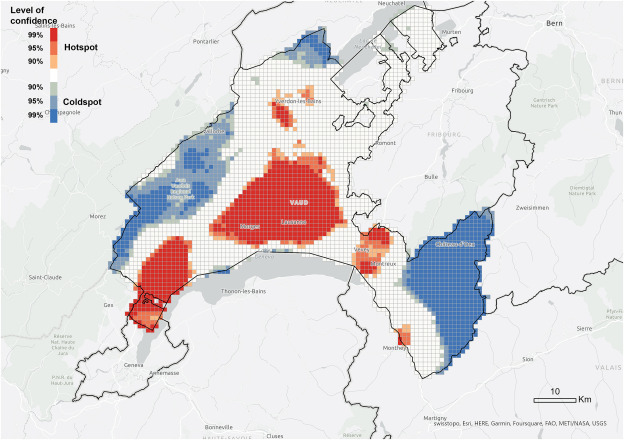
Melissa Pang's research on #neighbourhoods in #Geneva examines the difference between functional neighbourhood units in urban planning, and how residents' perceive their neighbourhood. Read more: https://t.co/OBnqO5vHV7
Our recent publication led by Matteo Barsanti investigates how households use electrical appliances. They draw insights from a quantitative survey about potential for shifting energy usage, and its perceived inconveniences. Read more: https://t.co/0Io6hWtziu #energytransition
HERUS is #hiring!
- Postdoctoral researcher / senior scientist to work on governance in the energy transition https://t.co/4eWyiHICwA
- PhD in modelling tipping points for energy transitions https://t.co/dFgNtA2ymF
Comment rendre la pose de panneaux solaires aussi désirable qu'une Tesla? C'est l'enjeu qu'aborde avec humour notre chroniqueuse, Glòria Serra Coch, doctorante @HERUS_EPFL, dont la thèse décortique le tournant énergétique en Suisse. @EPFL#energie https://t.co/2rwdvBte3I
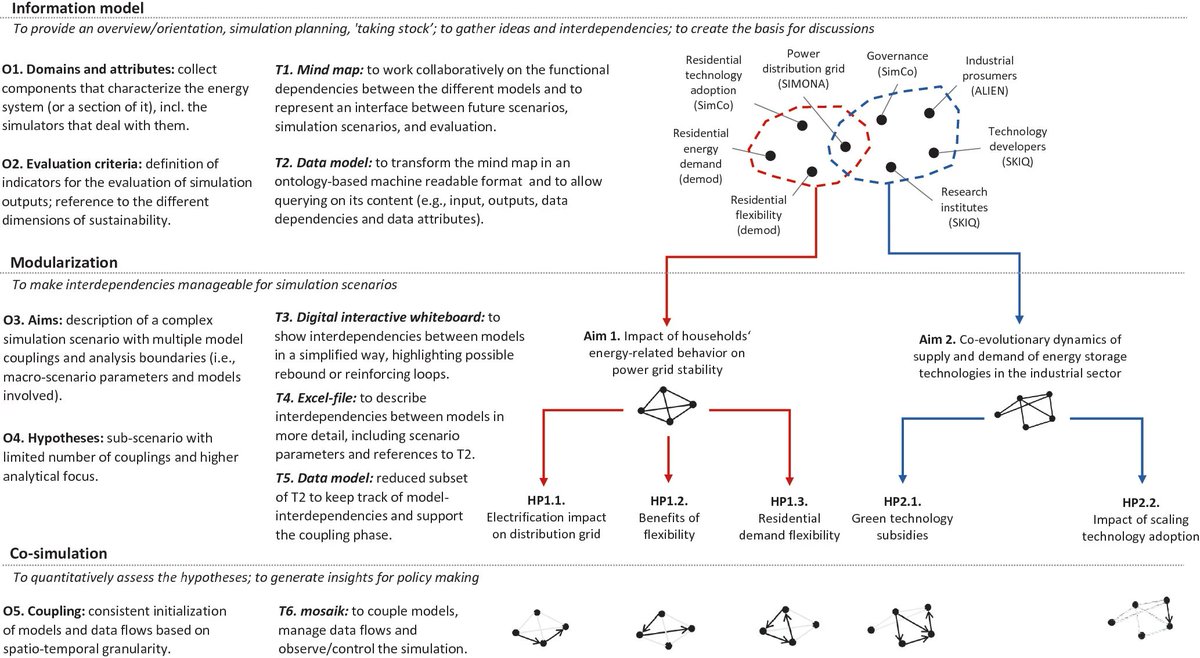
In a recent collaboration including our PhD candidate Matteo Barsanti, we introduce a modeling process for a co-simulation framework which aims to foster interdisciplinary collaboration considering multiple socio-technical elements of the energy system: https://t.co/I0PxaUCsyQ
🏙️ Cities cover just 2-3% of the Earth's land surface but host over 50% of the world's population and are responsible for 75% of CO2 emissions. How can we make these urban areas more sustainable?
@epflENAC@HERUS_EPFL@UNHABITAT
https://t.co/yKlfKVDllc
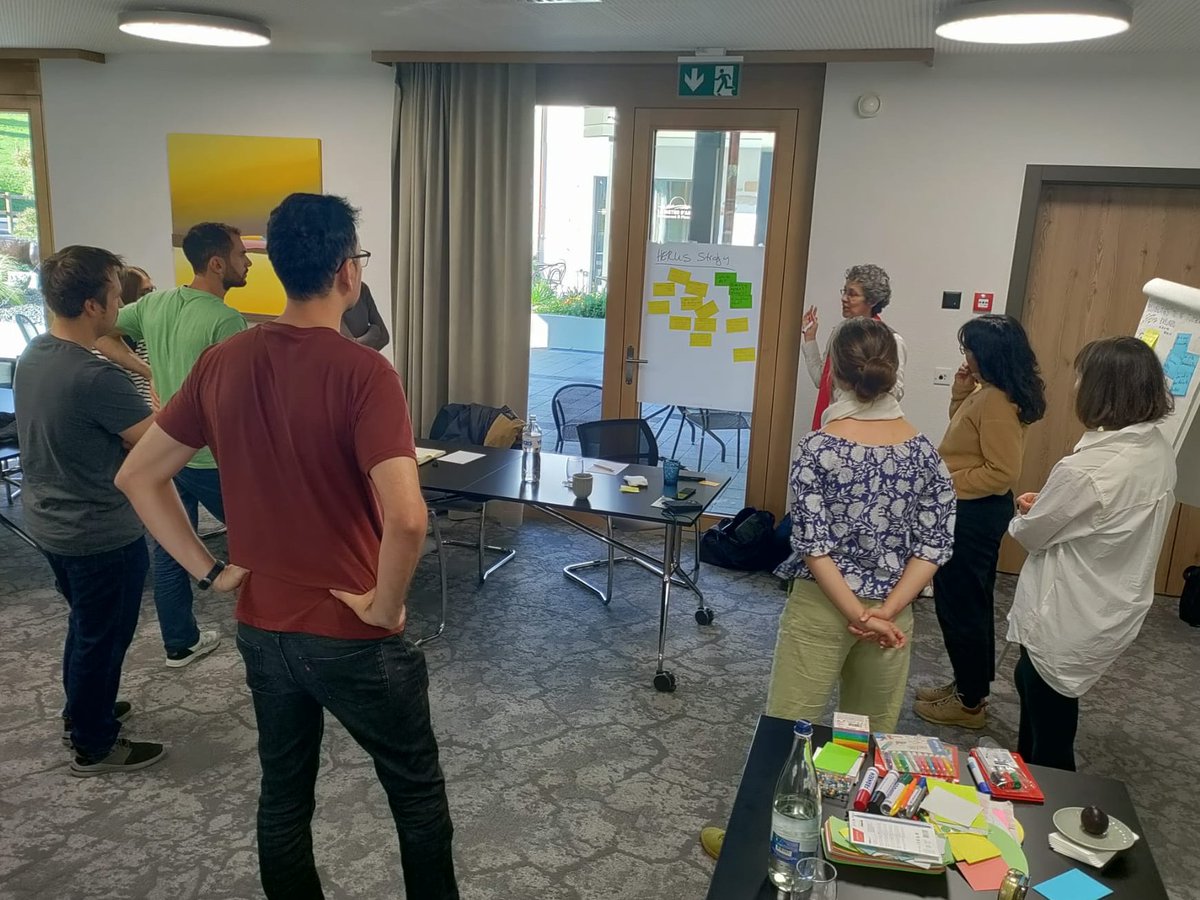
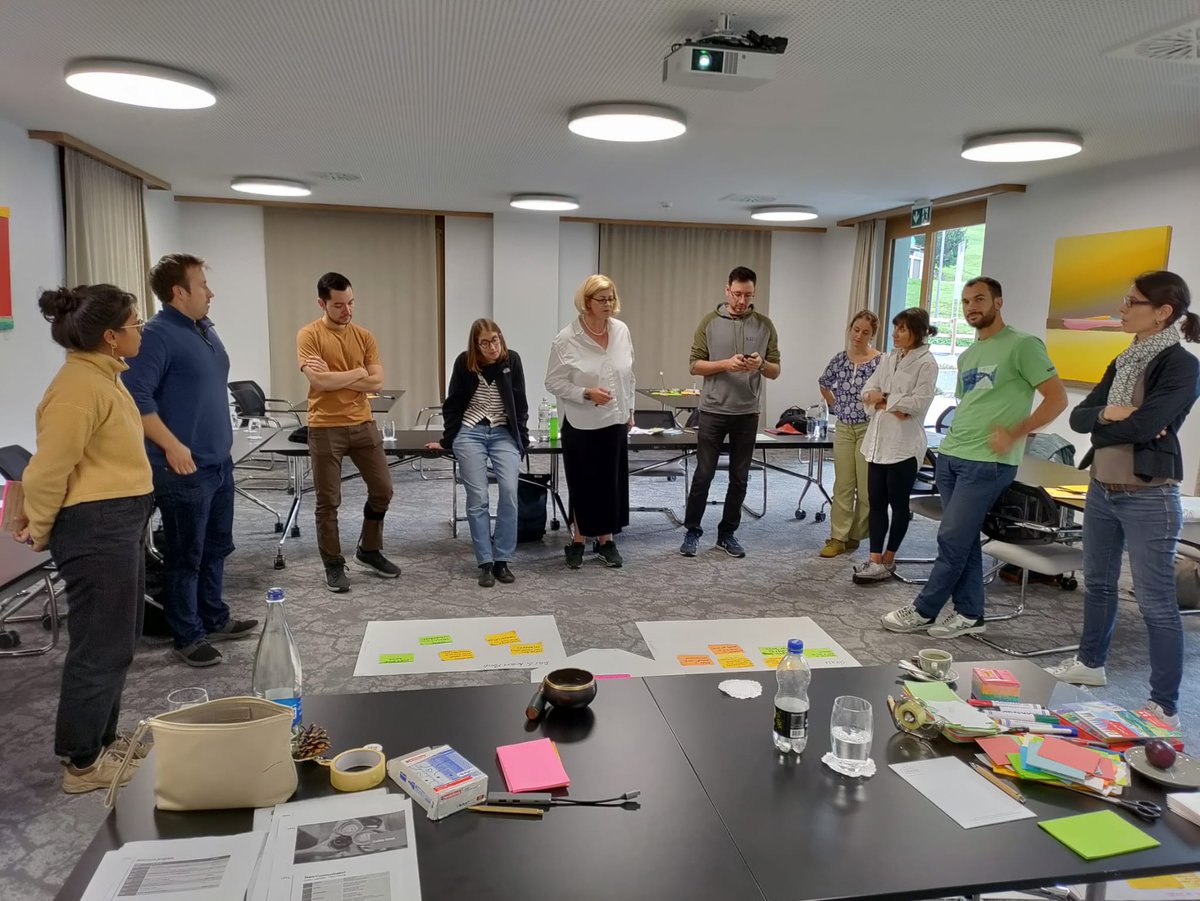
At the annual HERUS retreat, we take the time to discuss the vision of our lab - an important moment to step back and reflect on what we have been working on, and where we hope to go in the coming year. Key words: #tippingpoints for #sustainability in #sociotechnicalsystems
Congratulations to the 3 interdisciplinary @EPFL-@unil CROSS projects chosen for 2024!
These projects bring together natural sciences & engineering w/social sciences & humanities to address the carbon footprint, human-robot interface & virtual agents.
https://t.co/1yoxKxdhRj
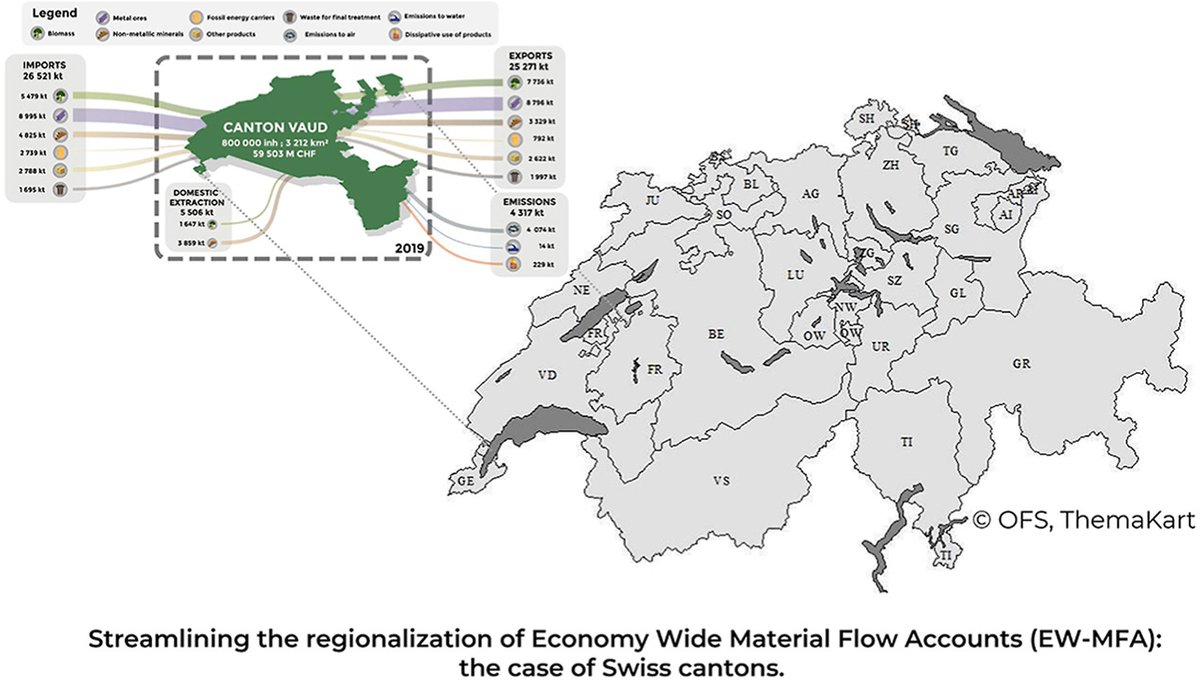
Our recent publication led by Nicole Wiedmann and @arisatha analyses extraction, trade and pollution patterns of the 26 Swiss cantons. MFA at a infa-national scale enables territorial and economic policy-making that is contextually-specific. Read more: https://t.co/enyV3yz4uo
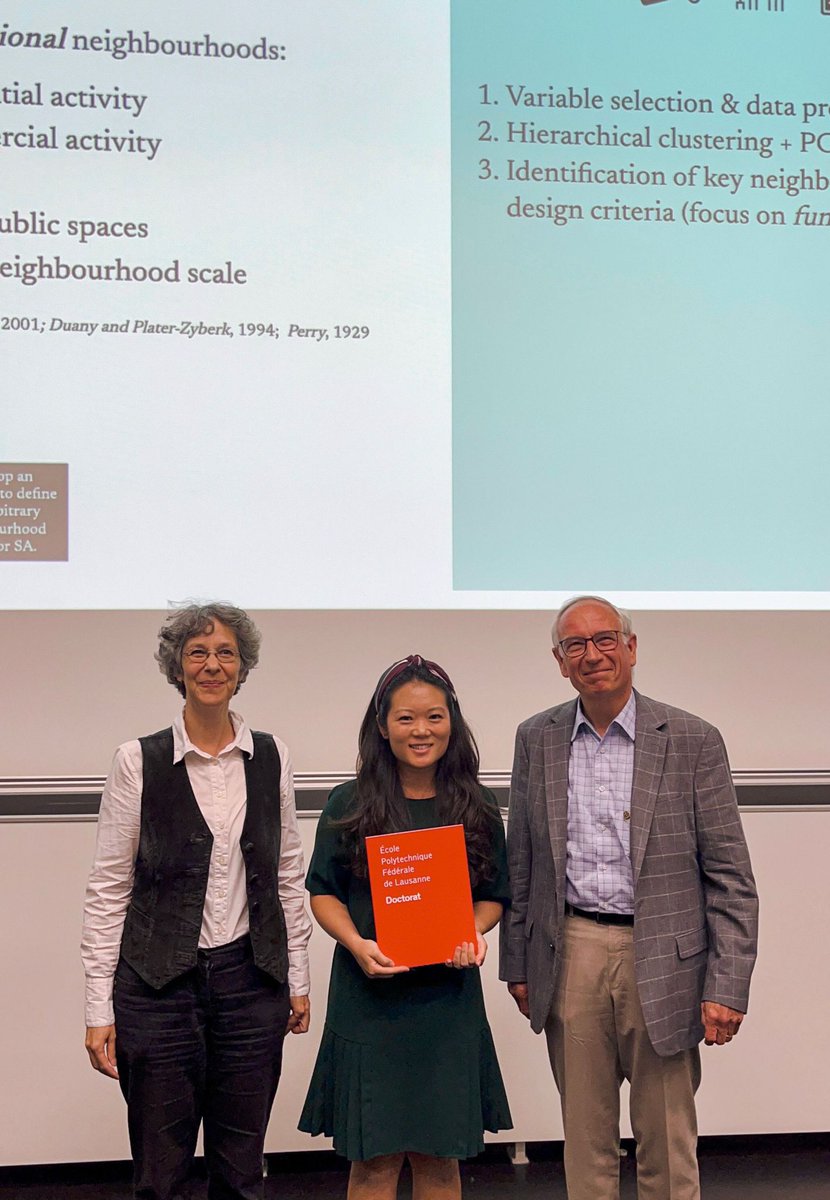
Congratulations to Dr. Melissa Pang, for the successful defense of her dissertation! 🥳 Her research on spatially-explicit sustainability assessment puts local neighborhoods in the spotlight. Read one of her contributions here: https://t.co/NZOktRwnOy #GIS#Geneva
Nous venons de lancer la vague 2 de l'enquête "Panel lémanique" ! Objectif: mieux comprendre les habitudes de consommation des ménages le long de l'Arc lémanique pour identifier des leviers de changement et contribuer à l'Accord de Paris. 🌍 https://t.co/uyA1dAOChm
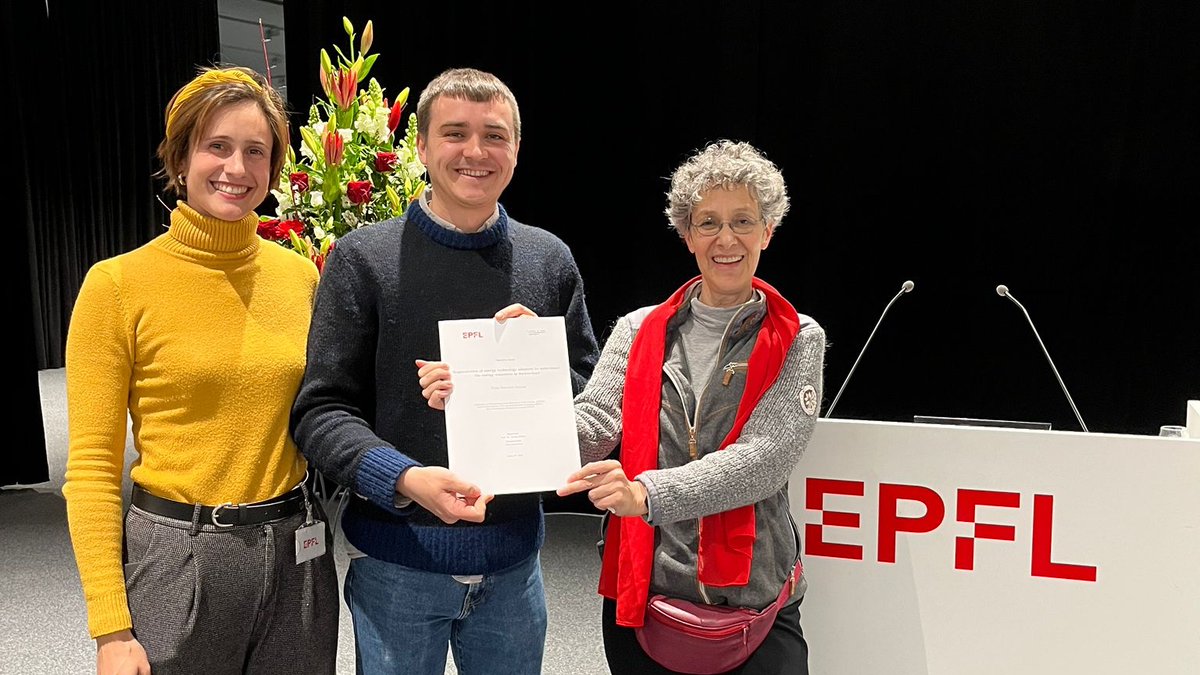
Pablo Martínez Alcaraz carried out research on the segmentation of energy technology adopters in Switzerland. Having target groups allows policymakers to develop tailored strategies - an important 🔑 to the energy transition. Congrats to Pablo on a successful MSc thesis!
Our recent publication led by Glòria Serra Coch finds that people exchange information on photovoltaics with others who are socially and spatially close. Neighborhood connections can be leveraged for the energy transition: https://t.co/vHII6AfTWv