Check it out – the #NCRIS Bluesky starter pack! HIA is part of a wider community of Australian research infrastructure providers, all enabled by the @ausgov through the #NCRIS program.
Follow for events, initiatives, jobs and awesome research 🔬
https://t.co/7ZgDI6kpf1
HIA is leaving X - join us on BlueSky! HIA supports the joint move of #NCRIS providers to transition from X to BlueSky, to better connect with our research audience. Find us at https://t.co/xZSMZD1t4V.
Looking to expand your understanding of accelerator science in 2025? Check out the #HIA YouTube channel! Discover the unique projects led by researchers at #HIAF in the #MegaVolts series, produced by @PhysicsANU.
https://t.co/qf3NFcoGph
https://t.co/gQGAuXtECQ
That's a wrap on 2024, an extraordinary year for #HIA! Read about this year's achievements in our new newsletter, or discover how HIA is working towards the National Science and Research Priorities in our 2024 Impact Report. Happy holidays! https://t.co/TXjw1rCen8
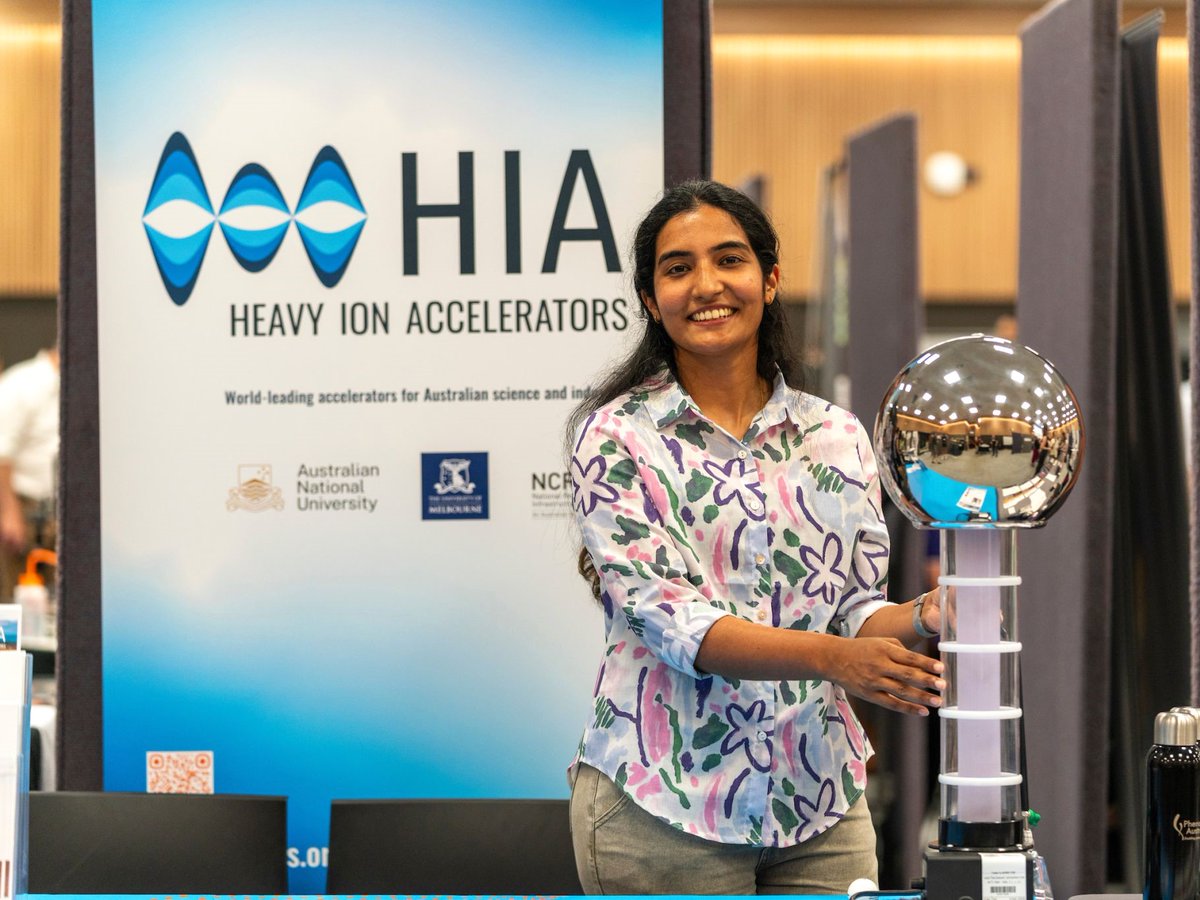
ANU PhD Student Aditya Babu is not only a pro in showing some tricks at the HIA Open Days - he is also acing skills in a lab! Read this new story about how the Crompton Award helped him to research (nearly) magic.
The Crompton Award enabled PhD student Aditya Babu to study the nearly-magic parts of nuclear physics, travelling to @Argonne lab in Chicago, where so much of the story began.
https://t.co/m3X6tnVfDZ @ausphysics@HIA_Accelerates@ANUmedia@scienceANU@ourANU
How do you protect electronics on satellites from the constant bombardment of cosmic rays? In Megavolts 11 we talk to Dr Jafar Shojaii, who was using the heavy ion accelerator @HIA_Accelerates to test his latest designs @scienceANU@ANUmedia@ausphysics
https://t.co/YFEj4CGnDa
Congratulations to Prof Mahananda Dasgupta and Emeritus Prof David Hinde, who were jointly awarded the 2023 Walter Boas Medal for Excellence in Research, presented at the #AIPCongress2024 by Prof Nicole Bell, President of @ausphysics.
@PhysicsANU@scienceANU
Heavy Ion Accelerators has become the maiden sponsoring institution of the Academy for Collaborative Research Infrastructure (#ACRI) membership.
Learn more: https://t.co/x1ngl8odY9
#HIA#Research#Infrastructure#Workforce
Last week at #HIA 📅
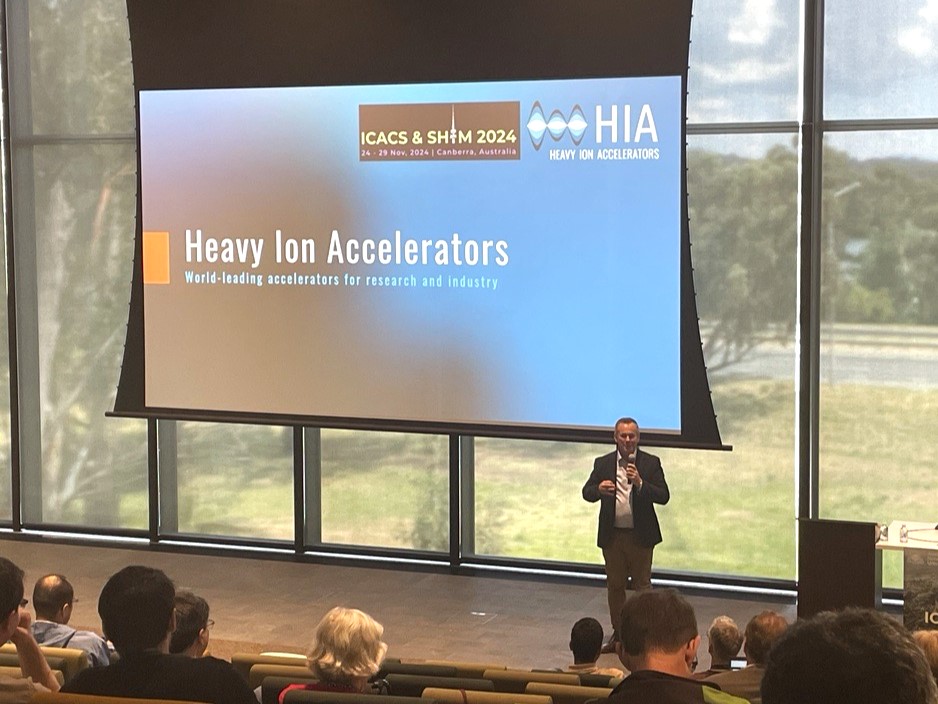
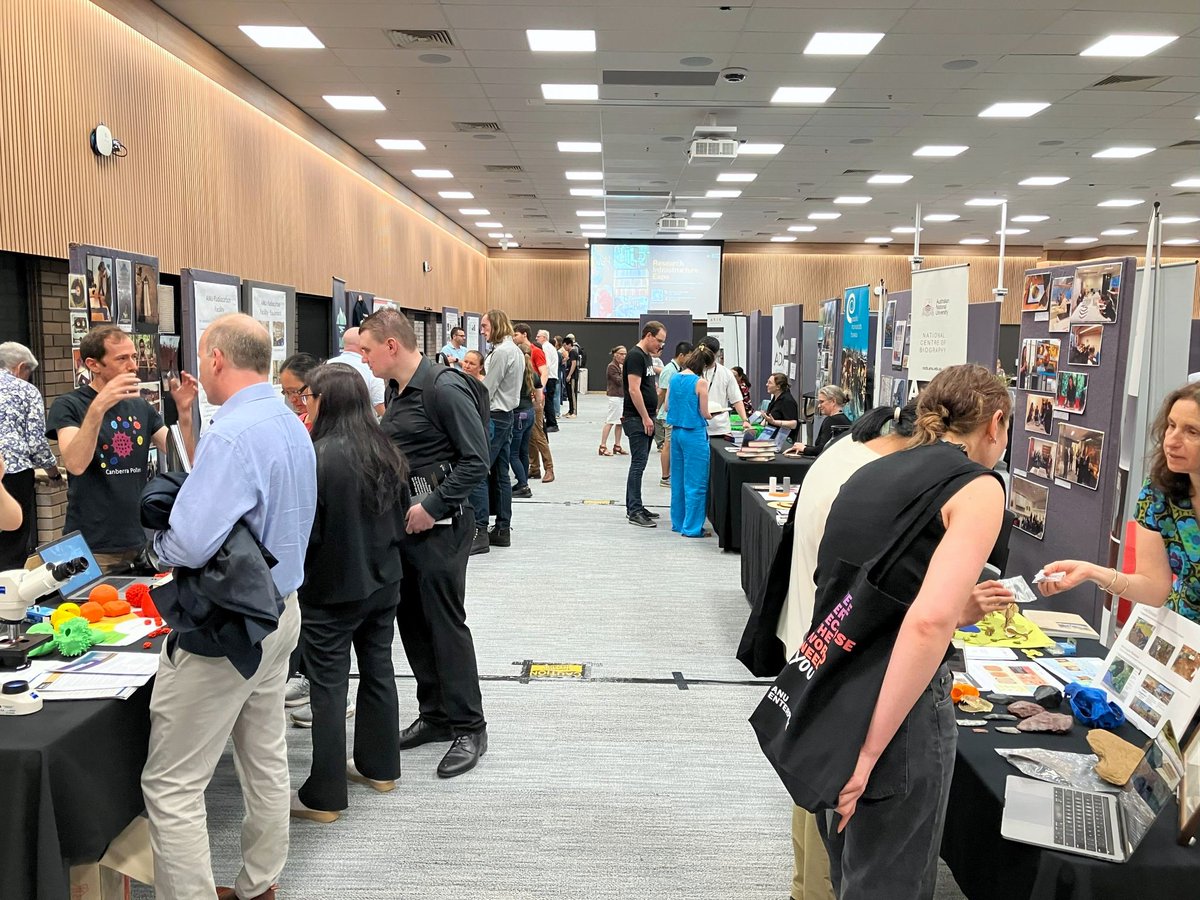
The ICACS-SHIM Conference at @PhysicsANU saw the #HIAF introduced by CEO Dr Tom McGoram and Dr Christian Notthoff, and the #iiLab by Prof Rob Elliman. On Wednesday, our Canberra nodes engaged with staff, students, and industry at the @ANU_Research Expo.
Join us at the 25th @ausphysics Congress, concluding this Thursday! #AIP
Meet @AFSteinberg to learn more about HIA research and services. https://t.co/gEIBKJCen4
Thank you to @AnffMaterials for hosting HIA. #NCRIS
Congratulations to the #HIA Heavy Ion Accelerator Facility node Director Prof Mahananda Dasgupta and Dr Ed Simpson, recipients of 2025 Discovery Project funding for work on dissipative Pathways to Nuclear Fusion.
@scienceANU#HIAF
Applications for our 2025 @AINSE_Ltd Pathway Scholarships are NOW OPEN!
Apply now if you are enrolled in an Honours or Masters program at an AINSE-member university & undertaking research in collaboration with @ANSTO.
For more information, please visit https://t.co/Ll3ODU5jG6.
Congratulations to all recipients of 2025 @arc_gov_au Discovery Project funding, including Centre CIs Phillip Urquijo of @UniMelb and Andrew Stuchbery of @ourANU.
@SciMelb @scienceANU
A recent study by @UniMelb researchers Dr Alexander Malwin Jakob and Prof David Jamieson could form the basis of a robust quantum computer. The study utilised single ion implantation, performed at #HIA’s UniMelb node with the Colutron facility. Read more: https://t.co/HDyfzpB7qV
#NCRISimpact #quantumcomputing #quibitmanufacture #singleionimplantation @QuantumC2T
Join HIA today at the ANU Research and Innovation Expo 2024 and learn more about HIA's two nodes at @ourANU, the Heavy Ion Accelerator Facility and the Ion Implantation Lab.
Free tickets here: https://t.co/nPTf0RvWWE
#ResearchInfrastructure#Networks
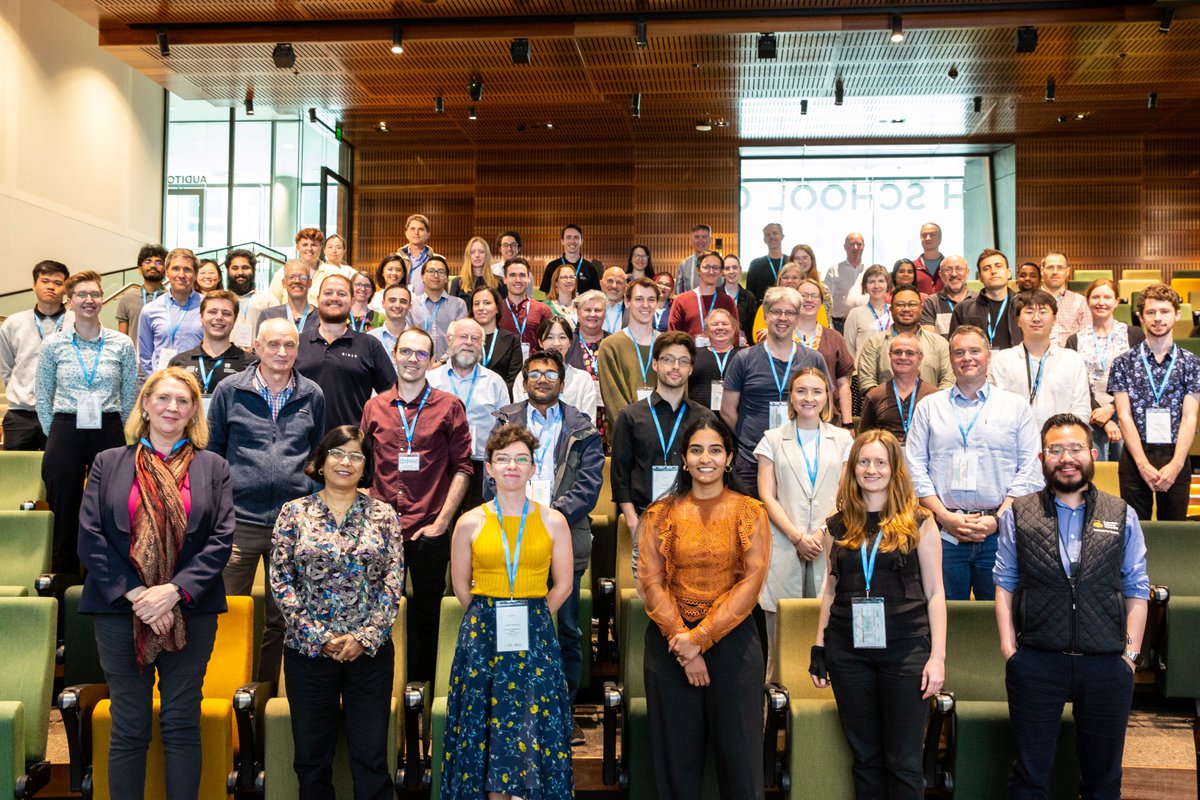
That’s a wrap on #HIAS2024!
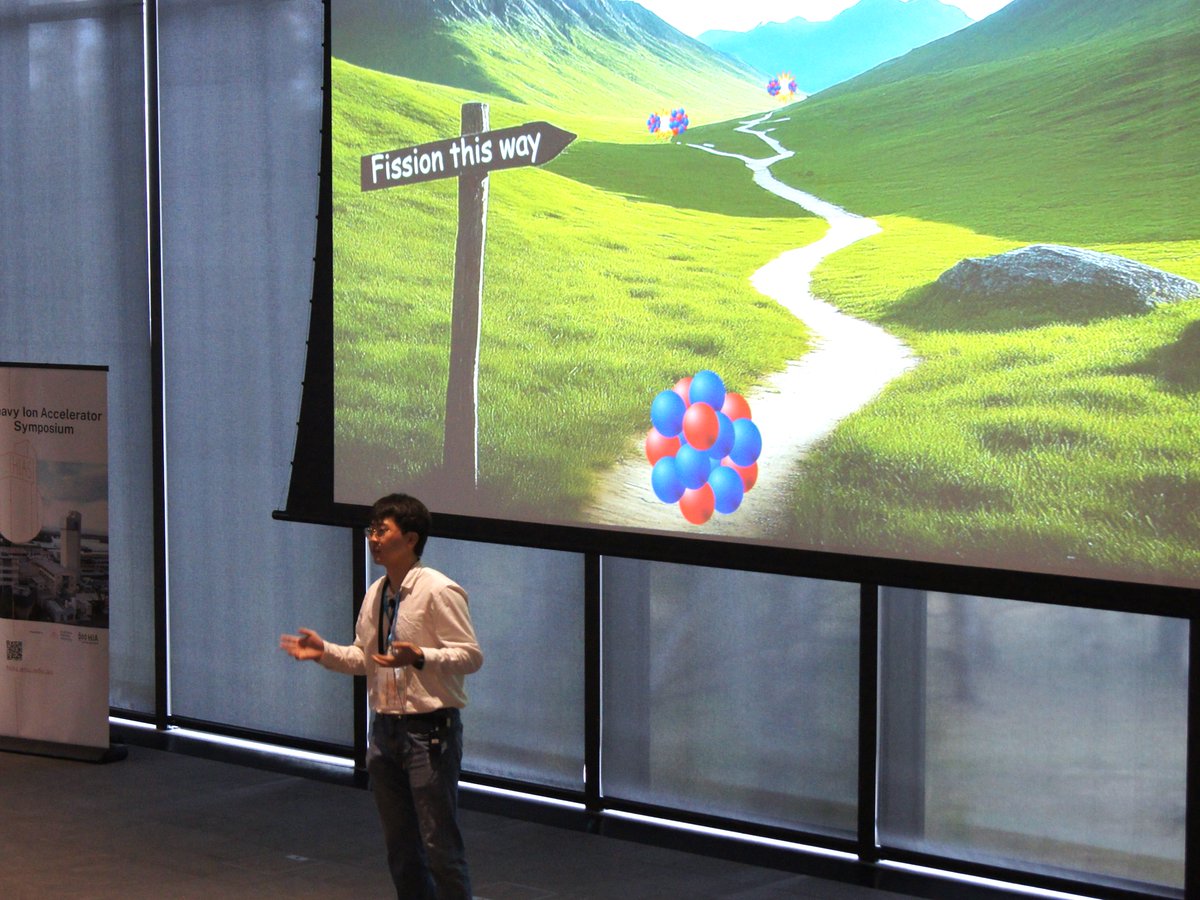
Thank you to @PhysicsANU NPAA for hosting this year’s Symposium, to the organising committee, Dr AJ Mitchell (@nuclearaj), Dr Lauren Bezzina (@lauren_bezzina), Dr Michaela Froehlich, and Prof Rob Elliman, our chair Dr Tom McGoram, and all the speakers, panellists and attendees who made this event a success.
HIA is excited to announce the International Heavy Ion Accelerator Symposium for 2025, from the 8-12th of September. We look forward to working with this vibrant community again next year at #HIAS2025.
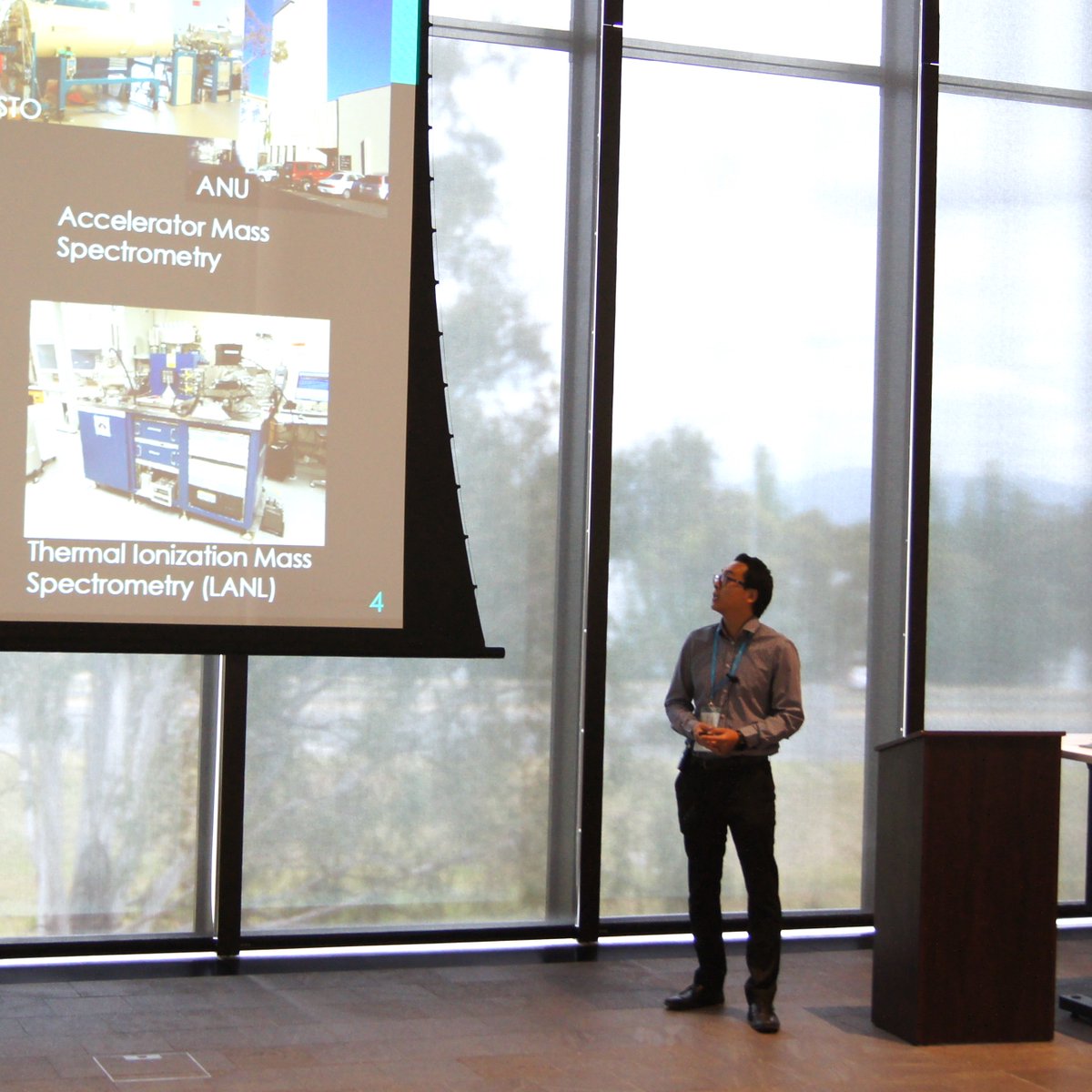
A key theme at #HIAS2024 this week was accelerator mass spectroscopy (AMS) capabilities for environmental research. 🌱
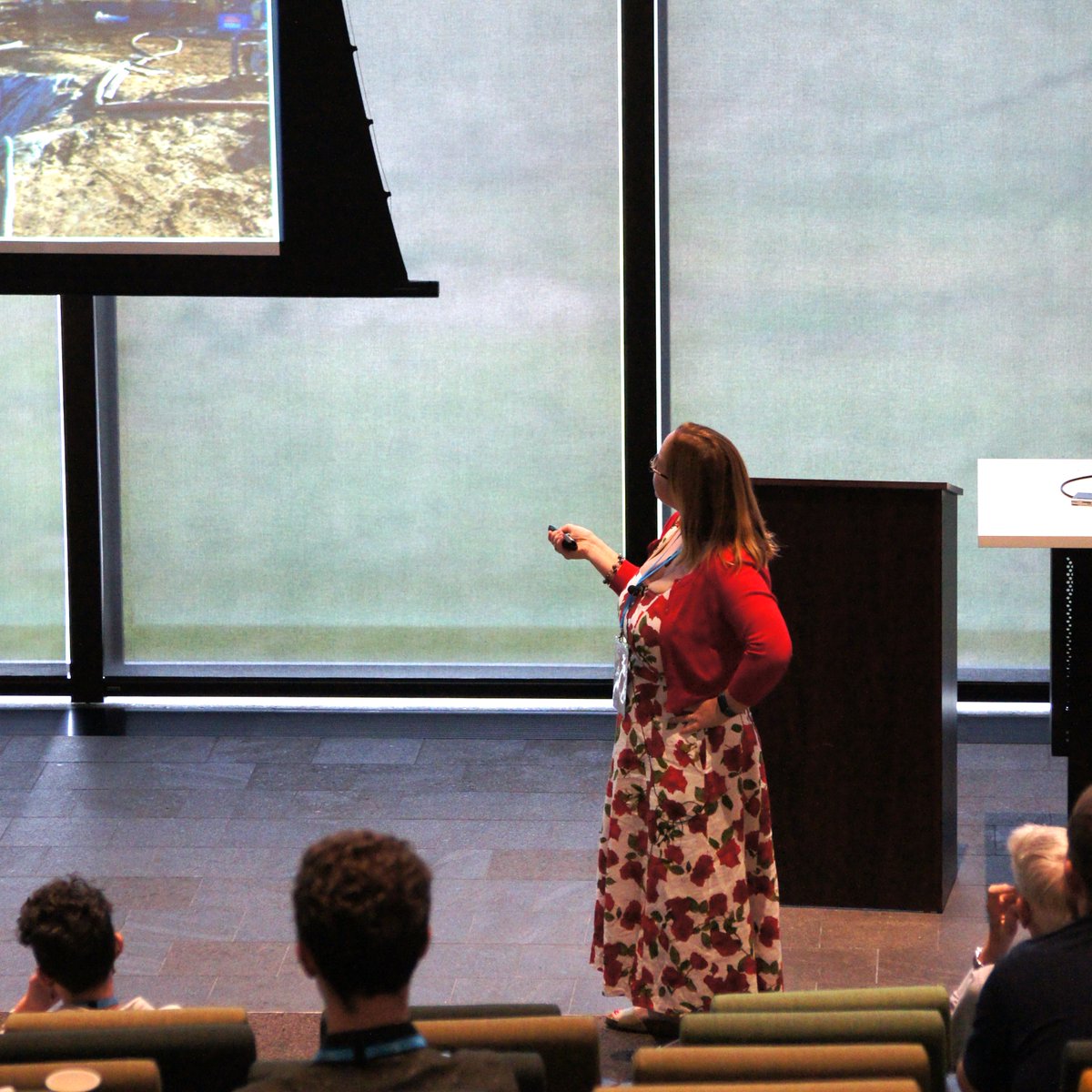
From @UQ_News, Dr Julie Pearce demonstrated how multi-isotope studies protect Australia’s groundwater resources, focussing on aquifers overlying coal seam gas reservoirs. Dr Mathew Johansen, representing @ANSTO, and Dr David Liu, @scienceANU, spoke on new studies into the effects of radionuclides on marine organisms, corals, and the baseline seafood dose identification.
Dr Amanda Roberts highlighted new capabilities in her talk on the development of a radiochemical procedure to measure low-level 90-Sr/Sr ratios using AMS at the #HIAF. Peter Medley revealed that protactinium-231 has recently been added to the capability of the 14UD tandem accelerator at the HIAF, including the development and application of novel nuclear chemistry techniques.
#Environment #AcceleratorMassSpectroscopy #NCRISimpact @ourANU
Congratulations to our student presenters at #HIAS2024! Shoutout to prize winners Sophie Hayles for the Best Short Student Presentation and Audience Choice, Misty Lakelin and Gil Goodman as our finalists; David Lie for the Best Student Presentation, and Jay Archer the finalist.