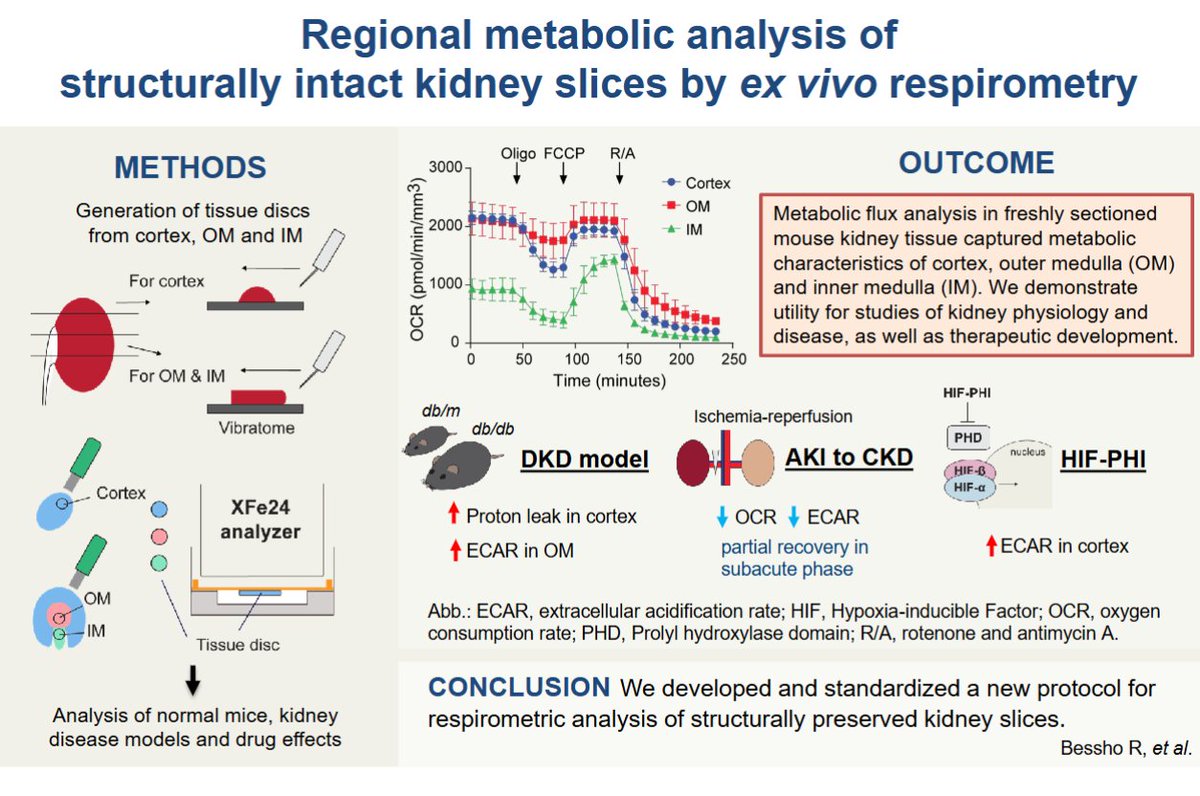
Let's check out this #ArticleinPress all about #metabolism! Regional metabolic analysis of structurally preserved kidney slices by ex vivo respirometry (Ryoichi Bessho et al. @VUMCDiscoveries):
https://t.co/8H8shEVeY7
How is urinary concentration regulated? https://t.co/LsRQWaD98T
Carty, Bessho, et al. use a mouse model to show mitochondrial electron transport disruption limits the kidney’s ability to concentrate urine.
The cover art features a merged immunofluorescence image, showing staining for total aquaporin 2 (green) and phosphorylated aquaporin 2 (red) in the kidney medulla of mice with collecting duct–specific inactivation of the ubiquinone (Q) binding protein QPC (UQCRQ).
@HIFPathway@VUmedicine
Finally out. A twist in the HIF1 regulation of glycolisis. Hope you find it interesting. Many thanks to our collaborators @FendtLab @debocklab. https://t.co/06xd6NfbFL
Congratulations to Josh and Ryoichi @RyoichiBessho#haaselab JCI Insight - Disruption of mitochondrial electron transport impairs urinary concentration via AMPK-dependent suppression of aquaporin-2 https://t.co/mD5T0HgooD
Volker Haase is among 7 @VanderbiltU faculty members who were named fellows by @AAAS. AAAS named him a fellow for his distinguished contributions to the field of experimental and translational medicine. 👏 👏🏻👏🏼👏🏽👏🏾👏🏿
https://t.co/tRag5UlaHA
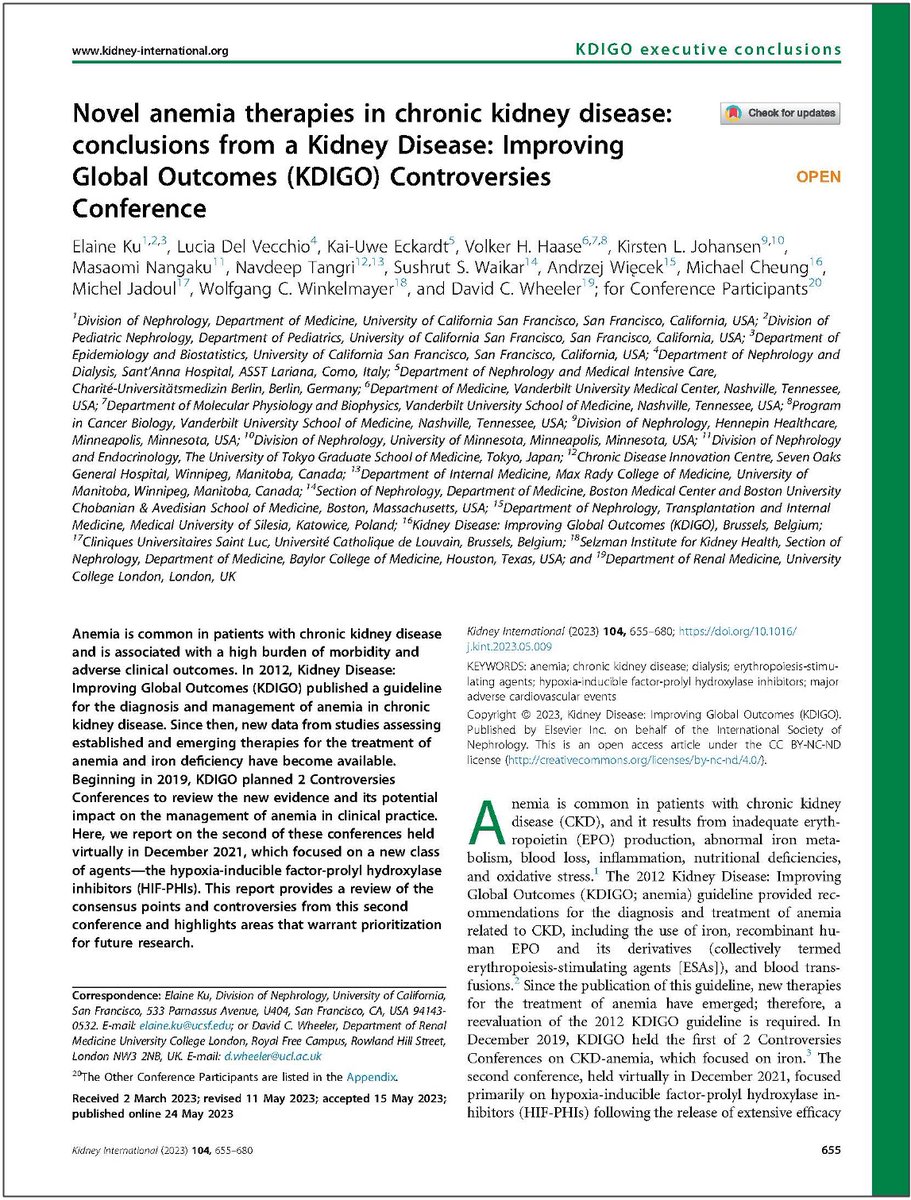
The KDIGO Novel Anemia Therapies in CKD Controversies Conference Report is now available in the October issue of @Kidney_Int. Read the report: https://t.co/PWiq6VhW8L
The report is based on the virtual 2021 Controversies Conference co-chaired by Elaine Ku (University of California San Francisco, United States) and David Wheeler (Centre for Nephrology, University College London, United Kingdom).
“HIF-PHIs are just as effective as conventional agents in terms of anemia treatment for people with CKD, regardless of whether they are on dialysis or not," said Dr. Wheeler. "HIF-PHIs also reduce transfusion requirements, but there are lingering concerns about their long-term safety."
"The current data do not suggest that HIF-PHIs will reduce the need for iron supplementation, but all of the trials to date were not designed to answer this question," said Dr. Ku. "Similarly, the hypothesis that HIF-PHIs may be more suitable in patients with chronic inflammation remains untested, which reinforces the need for further studies in this area. Although much trial data have arisen in the last few years, there is still much to be learned about the potential benefits and long-term safety of HIF-PHIs, and we hope the research recommendations summarized in our report will help address some of these unanswered questions."
Read the full News Release: https://t.co/m5HtpIzkHW
#anemia #CKD #HIFPHIs #inflammation
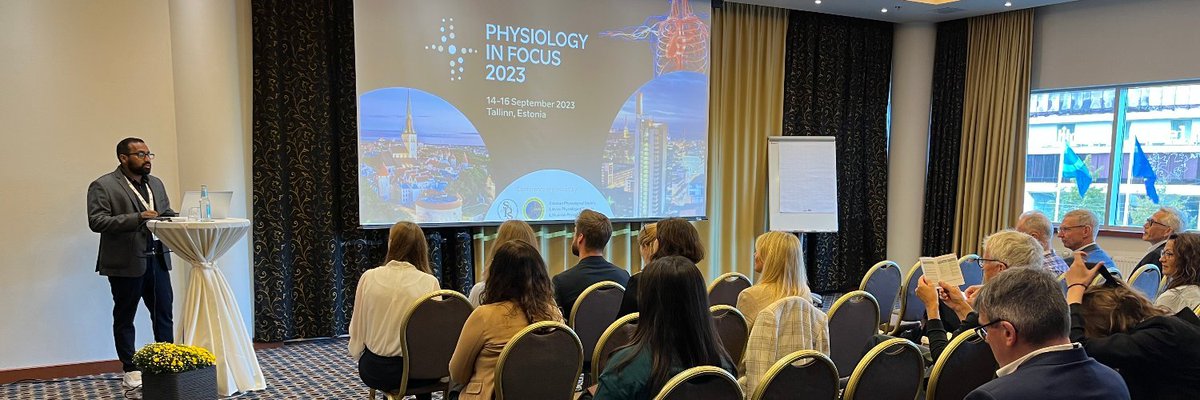
I kindly need your help to spread the word on this new account for the special interest group for Epithelial, Membrane Transport, and Renal Physiology at @scandPhys. This account will inform on yearly meetings and activities. https://t.co/TaC2vikzMT
#hypoxia#HIF#bladder#cystitis Inhibition of hypoxia-inducible factor-prolyl hydroxylation protects from cyclophosphamide-induced bladder injury and urinary dysfunction | American Journal of Physiology-Renal Physiology https://t.co/l7oKPjnY0v
#hypoxia#kidneydisease#anemia EPO synthesis induced by HIF‐PHD inhibition is dependent on myofibroblast transdifferentiation and colocalizes with non‐injured nephron segments in murine kidney fibrosis https://t.co/dRl16Vcc91
Disruption of mitochondrial complex III in cap mesenchyme but not in ureteric progenitors results in defective nephrogenesis associated with amino acid deficiency https://t.co/dCllH81NfI @Kidney_Int#CAKUT