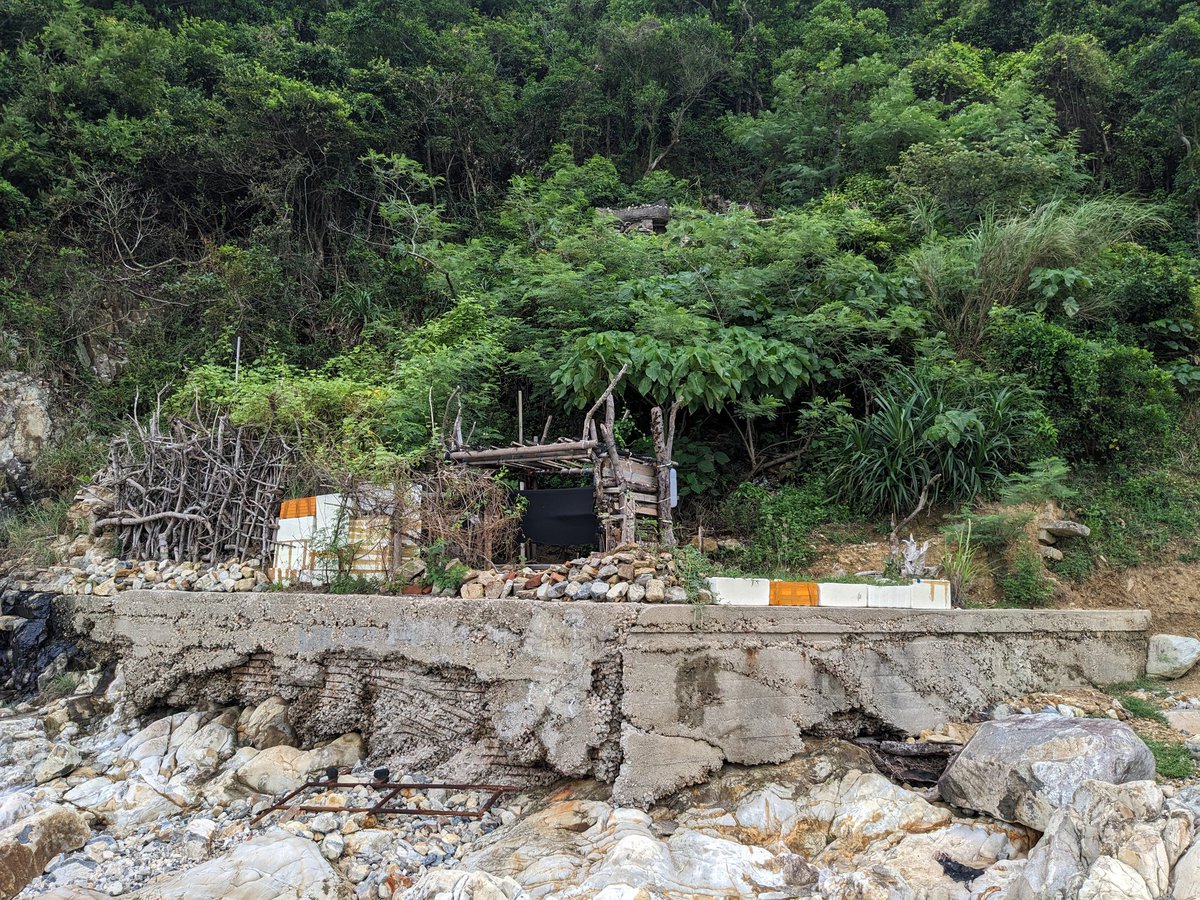
By this time we thought we might as well make out for Stanley, and it was an excellent opportunity to travel along the Old Stanley Road, constructed in 1847 and last repaired in 1874. If the road were cleared of all the fallen rocks and growth, it would be an excellent trail.
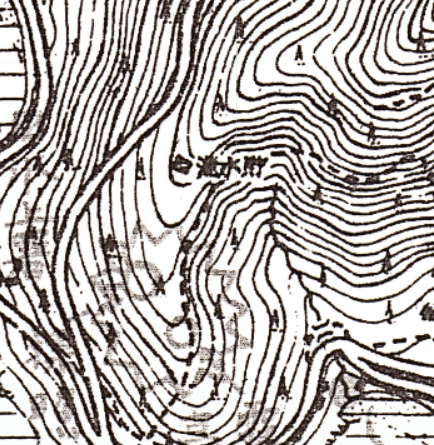
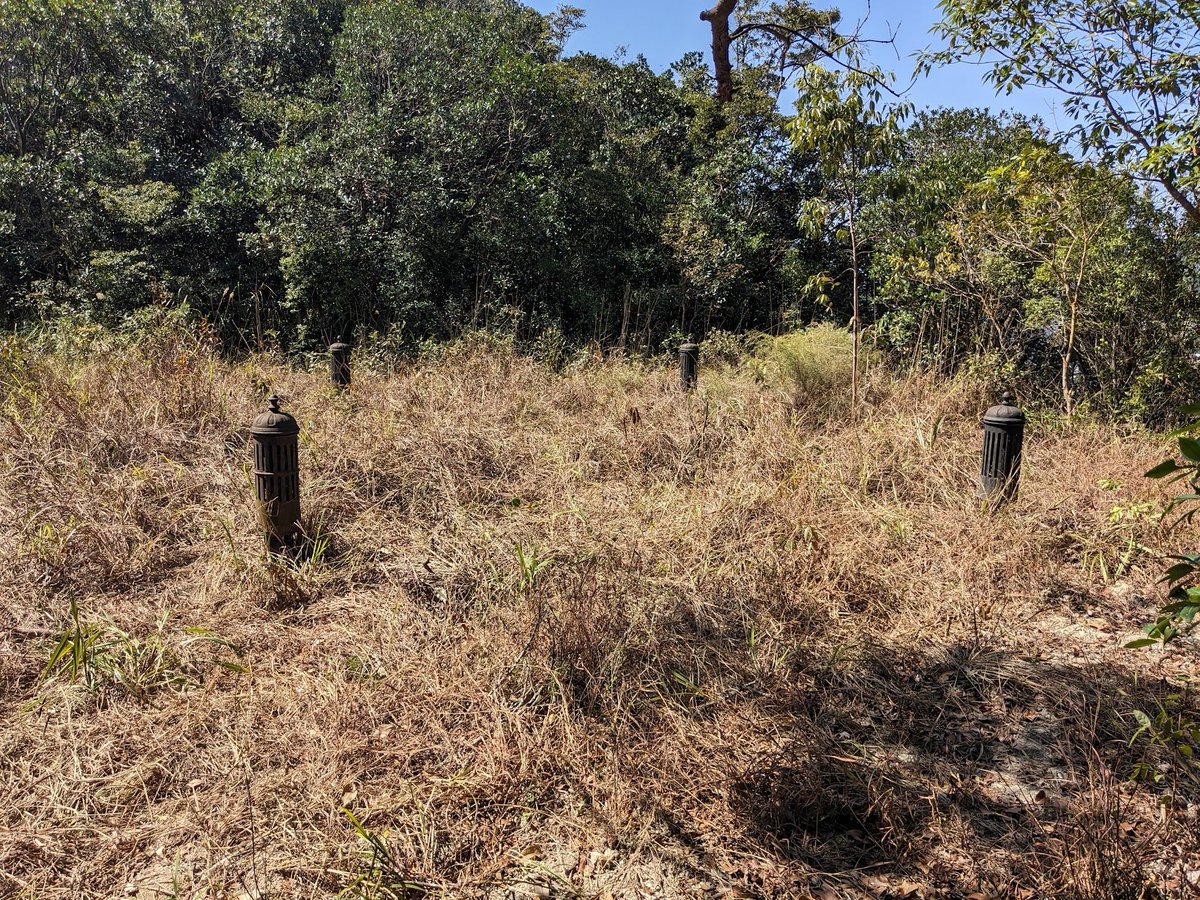
Just a few metres further are the ventilators for a service reservoir. It appears on a Japanese military map of Hong Kong from 1939. I wonder if it is still in use? The Water Supplies Department does have a habit of forgetting about its reservoirs, after all.
The AOP itself is in very good condition, perhaps due to its isolation. Unfortunately, someone has ripped the door down - in this 2011 video, it was still properly attached: https://t.co/doeh71BBNX They also found a shelter that we missed ...
After tumbling down the trail for about ten minutes, we came across several deep foxholes. There were other shallower pits as well; I recall that other explorers found a large amount of Japanese ammunition near this particular AOP.
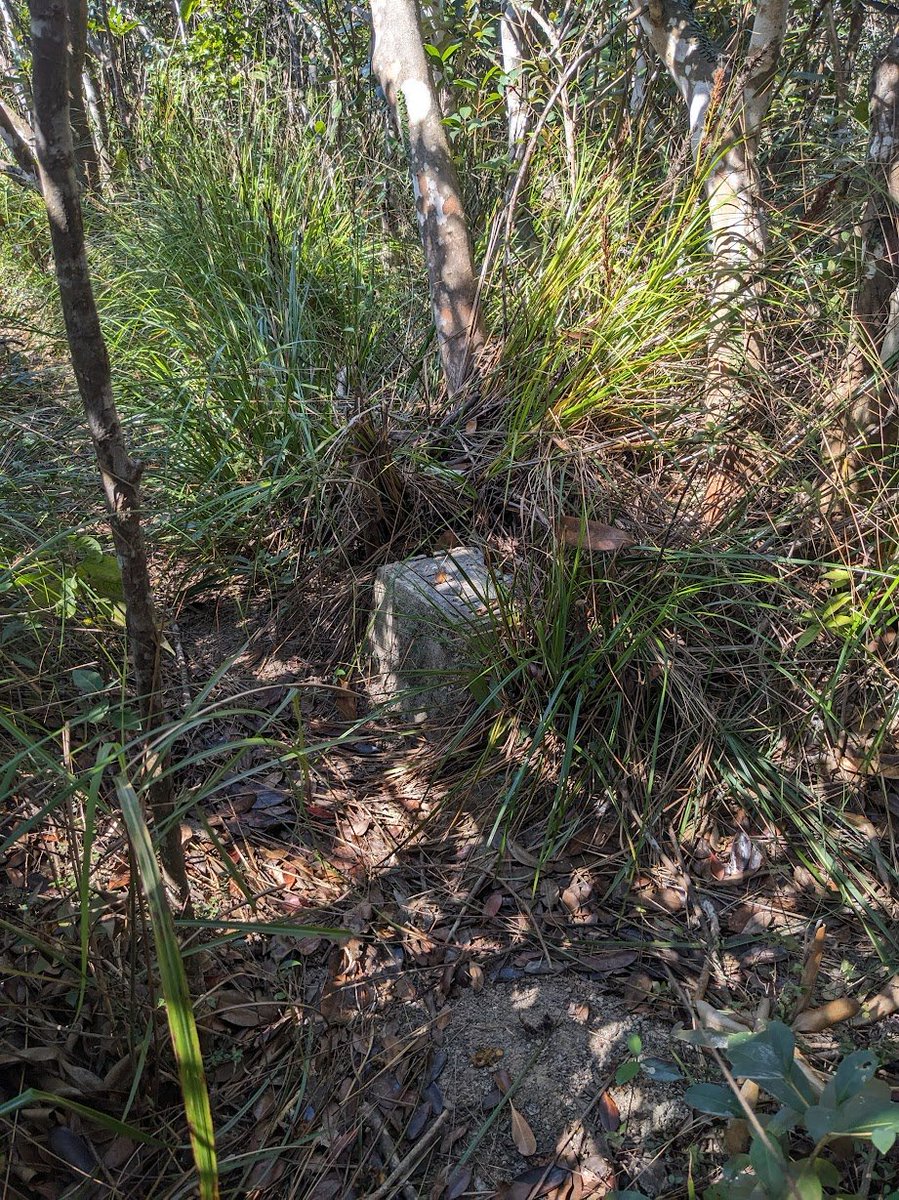
At the southern bend of the catchwater, simply follow the HKTC marker stones to the AOP ... I wonder if Tanaka's group followed them from the catchwater down to the AOP as we did? Or were they erected postwar, as the "1951" in the previous photo would indicate?
My word, it has been a long time. Life does "get in the way" in Hong Kong. We finally had some time to go out off the beaten track, and here are our results.
First was an occasion to visit the Middle Spur Artillery Observation Post.
Several structures related to the catchment and funnelling of precious drinking water are to be found along the trail. Other relics of infrastructure are marker stones for the underground cable of the Hong Kong Telephone Company (now PCCW-HKT) https://t.co/UTeW7OW1Jx
The walk along the catchwater itself is quite pleasant. The oldest map from https://t.co/4v1sMSnexA showing it is from 1913, although the reservoir was built in 1899. The video is quite boring but it does give one an idea of what the mountains of Hong Kong are like.
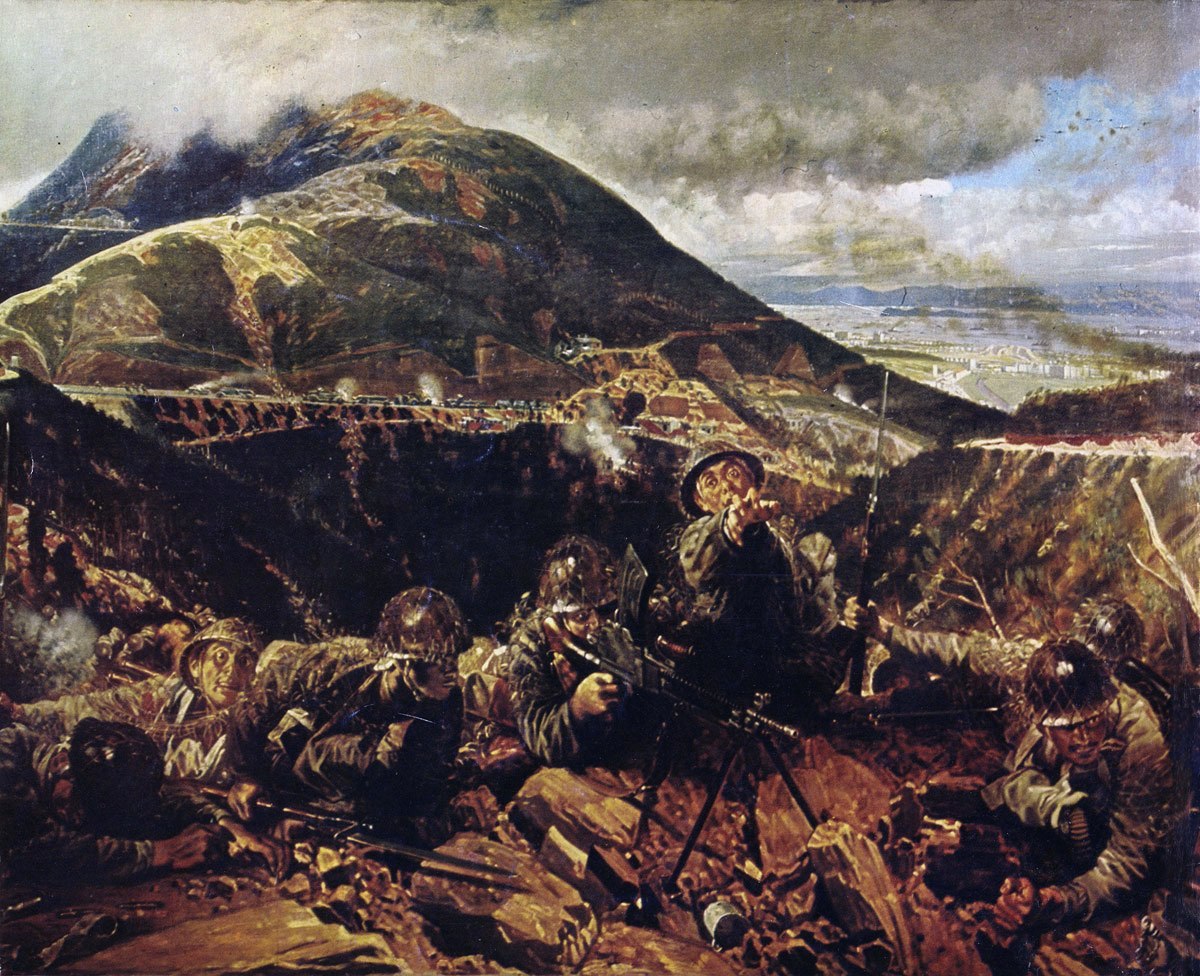
To get there, we departed just below the Wong Nai Chung Reservoir along the Tsz Lo Lan Shan Path. It was a beautiful day, and we were clearly able to see Mt. Nicholson with its microwave relay station at the summit. To us, of course, we immediately think of the postcard scene.
Chinnery paintings provide a unique, enchanting look at early Hong Kong and this is a rare opportunity for a Hong Kong museum to acquire one for a ... rather cheap price!
Stepping back, we see the upper "searchlight" portion poking above the trees, while the narrow entrance is quite hidden. The inaccessibility of the site means it is in mostly good shape.
Climbing up the slope we see that the upper portion shape suggests a searchlight emplacement. A wooden gate with a simple combination lock has been constructed, preventing further access. It seems someone has turned it into their personal shelter.