Changes in mood, sleep or focus can make it hard to know where to start. Understanding neurotransmitters may offer context, but testing is only one part of the picture. Curious what it could help you ask? https://t.co/RseTQ0H6fg
A forgotten name isn’t always cause for alarm, but ongoing memory changes deserve attention. Stress, illness, aging and menopause-related hormonal changes may play a role. Curious what could be behind yours? Learn more: https://t.co/tMvbDJ0DbC
Stopping a GLP 1 need not erase progress. Switching treatment may support weight loss. Ask your clinician if semaglutide could fit. See what research found: https://t.co/SOODaHYye3
Low energy can have many causes. Could knowing your nutrient levels help you make a more informed next step? Explore micronutrient testing: https://t.co/uaXQaS8rd5
Fatigue can affect focus, time with loved ones, and safety behind the wheel. Understanding what’s behind it is a first step. What might more energy change for you? https://t.co/C4yB0Yfzqa
Hormonal changes can affect mood, focus, energy, and how manageable the day feels. HRT may be an option, but the right approach is personal. Curious what a clinician might consider for you? https://t.co/Mz4PanlpFK
Changes in desire or comfort can leave you wondering what’s happening. Hormones, medications, physical conditions and mental health may all play a part. A clinician can help explore the whole picture. Curious what support could look like? https://t.co/zkoRIgkRom
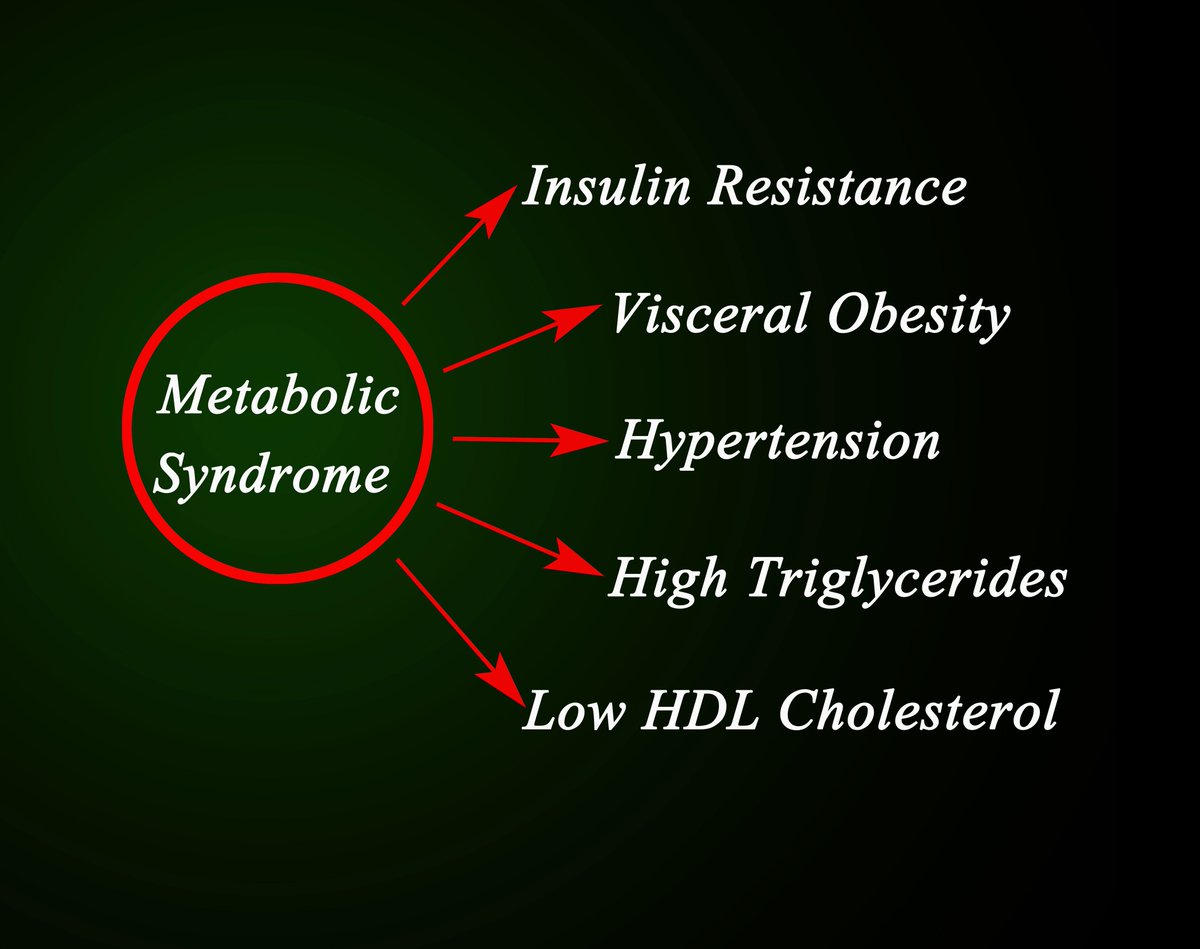
Heart health risks can build quietly, even when you feel well. Knowing your blood pressure and cholesterol numbers can help you make informed choices with your healthcare provider. Curious what your results may mean?
https://t.co/o0VAmiylCN
Gynecomastia can affect confidence and social life, even when symptoms seem mild. Could talking with a health professional help? https://t.co/Khf1hE6sYG
Stress can change through the day. A diurnal cortisol test tracks levels over time, adding context for a health conversation, not a diagnosis. Curious what your pattern might show? https://t.co/uq8YaEVtYa
Hot flashes are common in perimenopause, but support is available. If they disrupt sleep or daily life, a clinician can help you explore options. What might help?
https://t.co/yYstXoZYXu
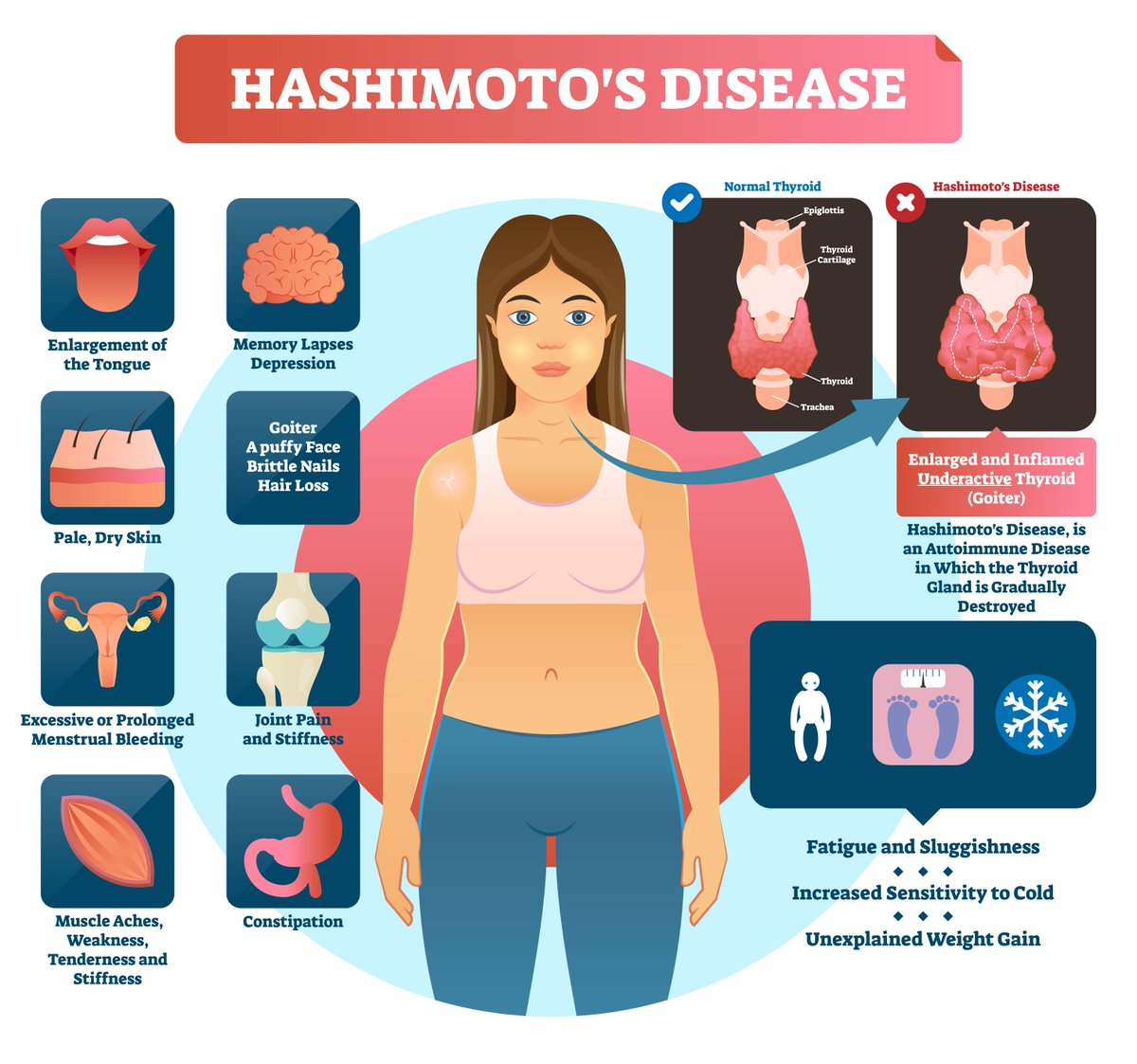
Thyroid changes can affect more than how you feel day to day. Learning about Hashimoto’s may help you ask informed questions about testing, complications and care. What would you want to know? https://t.co/eL10Rl4kQv
Biomarker testing may help inform cancer treatment options, though it can’t predict outcomes. What might you ask your care team? Learn more: https://t.co/bgtm6tXYDf
Tiredness, weight changes, or shifting energy can be easy to blame on everyday life. Could thyroid changes be behind them? Learn about symptoms, tests, and treatment options to help guide your next conversation. https://t.co/BOmDGa4i05
Waist size may reveal what the scale misses. Research links young adult obesity with higher cancer risk, but it isn’t a forecast. See what the study found: https://t.co/S5956gpZ7E
Autism is linked to more severe menopause symptoms in a new study, but experiences vary. Learn more about what this could mean for you: https://t.co/AidF14VB0g