Compared w/field & court sports, martial arts & combat sports involve higher-demand stresses. For #ACL injury, return to sport, reinjury risk, & psychological factors may be especially important in these athletes. Systematic review: https://t.co/V8RrcpKQQ4
A consensus symposium on arthrofibrosis - postoperative stiffness - after TKA found gaps in diagnosis & management & recommend early rehabilitation, targeted drug therapies, & risk stratification tools.
https://t.co/Nkxsri3VEH
#orthotwitter#medtwitter#consensus#knee
Wide-awake local anesthesia no tourniquet (WALANT) hand surgery is performed with the patient fully awake. This pilot study sought to examine if patients' anxiety and depression are potential contraindications to use of WALANT.
https://t.co/uqBInPo8R8
#anesthesia#orthotwitter
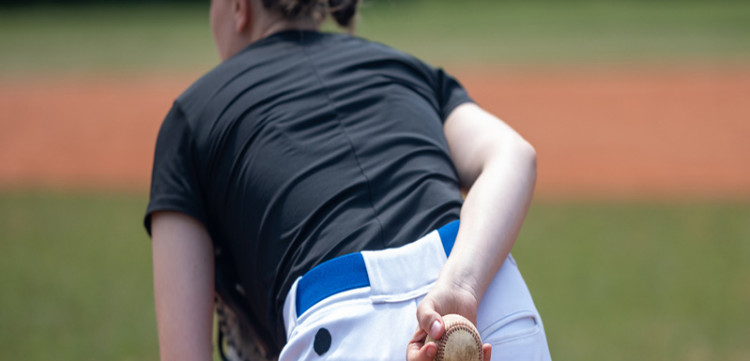
For National Radiologic Technology Week, here's a feature article from our upcoming special issue. "Advancements in Imaging for the Overhead Athlete" focuses on diagnosis of acute & chronic injuries in these athletes.
#orthotwitter#MedTwitter#RadTechWeek
https://t.co/q962zGsZer
Albert Burstein, Raymond Robinson, and colleagues present the 50-year evolution of a curved-on-curved total knee implant.
#OpenAccess#OnlineFirst#OrthoTwitter
https://t.co/or1HLyk6Tu
Join us for a live webinar, "The Care and Performance Optimization of Overhead Athletes," Wednesday, November 11, 7–8 pm ET. Sports medicine experts will discuss prevention and treatment of injury and rehabilitation strategies for throwing athletes. https://t.co/57y5VB7GFk
Our editorial board member Kwadwo Owusu-Akyaw, MD, in @Clinorthop on "the organizational friction that is created by microaggressions" https://t.co/4QxEk5WDqs
"Orthopaedic surgery, as a profession, has become more sophisticated in its capacity to measure systemic and organizational effectiveness... The principles of balance between cost and quality of care have become integrated into our collective psyche," writes Kwadwo Owusu-Akyaw MD in his latest #ForwardMovement column. "As sophisticated as we are with our metrics, however, there are hidden systemic costs driven by inequity that hinder the function of orthopaedic organizations."
Read "The Forward Movement: Amplifying Black Voices on Race and Orthopaedics—The Hidden Organizational Tax of Bias" here: https://t.co/nnUMHV9Uoh
#orthoTwitter #medTwitter #surgeon #physician #valuebasedcare #microaggressions #meded #column #CORR
A pilot study compared active range of motion, Kaltenborn mobilization, and Mulligan mobilization with movement (MWM) in managing post-traumatic elbow stiffness. MWM was associated with the greatest improvements in RoM, strength, and pain.
#PhysicalTherapy
https://t.co/xvc0Q6MdOO
How does preoperative GLP-1 RA use compare with bariatric surgery in complication risks for total hip arthroplasty patients? Results of a retrospective cohort study suggest GLP-1 RAs may be a safer option.
#OpenAccess#OrthoTwitter
https://t.co/0zHxkx6BeP
Our journal's Executive Editor, Dr. James W. Schroeder Jr., on the effects of AI on medical education. @ChiefHealthExec
"...medical schools must redouble their focus on training students in the skills machines can never replace."
https://t.co/biFd7kFTWg
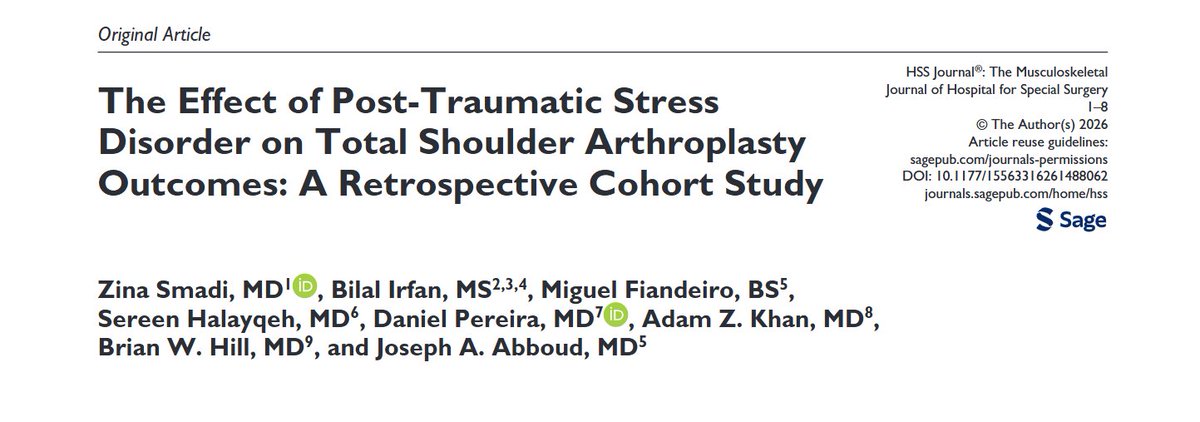
For Mental Illness Awareness Week, read our new propensity-matched study showing the effects of #PTSD on 2-year outcomes in shoulder arthroplasty patients, including higher rates of dislocation and revision.
#mentalillnessawarenessweek#orthotwitter
https://t.co/3PIeoPu6zQ
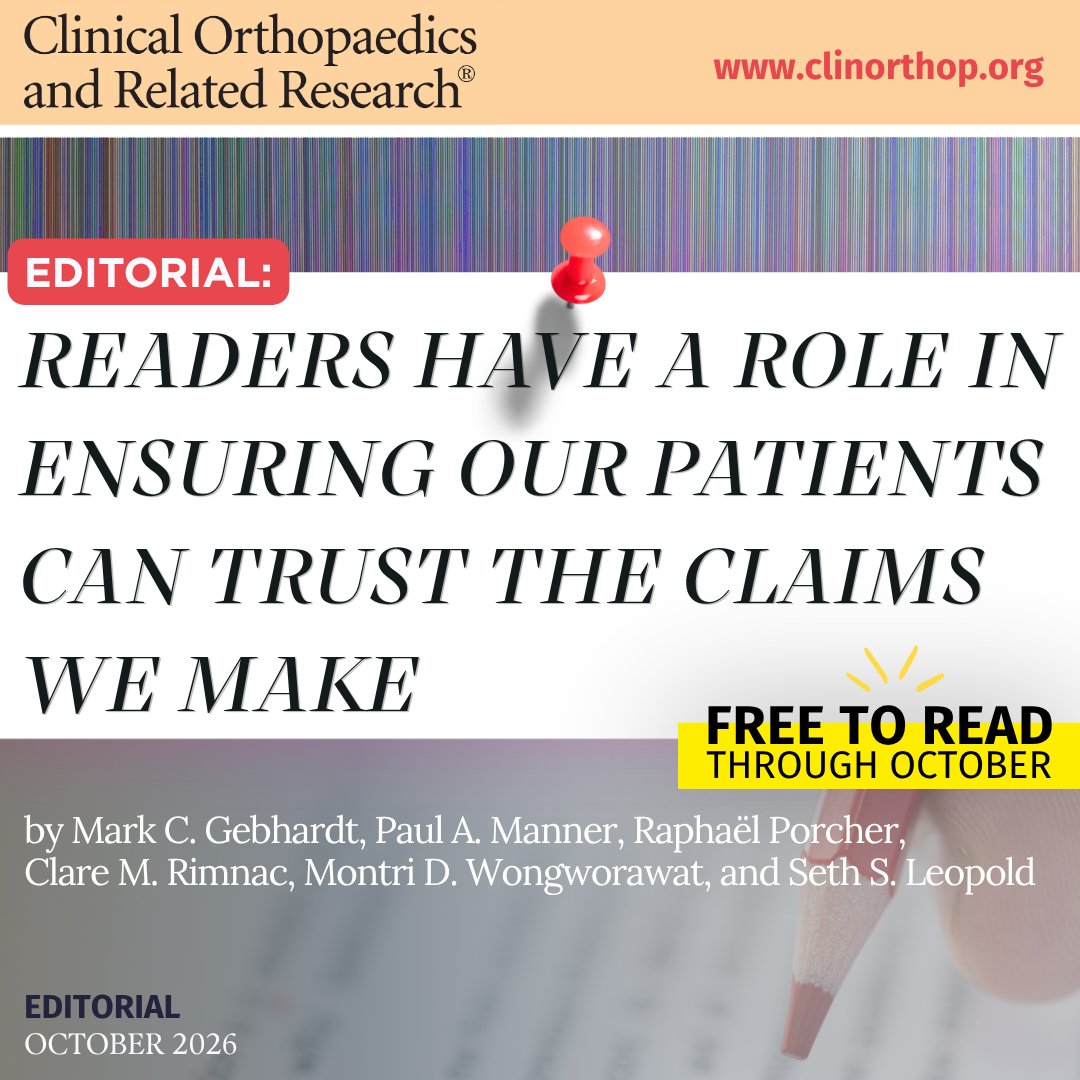
🚩Free to read all month: We have a favor to ask of our readers. If you see a reference in #CORR that doesn’t support the claim attributed to it, or a reference that doesn't exist at all, please send us an email.
Our journal still has a excellent team of copyeditors, senior editors, and peer reviewers. We screen papers for AI use, spot check references manually and with tools, and help authors fully disclose how they used AI-based tools in their manuscripts. These procedures help us catch hallucinated references (papers that don't exist at all) fairly well.
But hallucinated and misattributed claims—which are findings attributed to real sources that do not, in fact, support those claims—are much harder to detect. The problem is most severe in AI-assisted systematic reviews where, in our experience, about 20% to 30% of the references cited don't support the claims the authors say they do.
We believe our patients have the right to expect that the evidence base their surgeons are basing treatment decisions on is accurate and reliable. But catching every misattributed claim would require us to pull every reference in every paper, and no journal has the means or time to do this. Thus, our request to you.
"The need for professional communities to work together to ensure trustworthiness in a truth-seeking activity like surgical research is as old as the professions themselves. Articles in biomedical journals are useful only to the degree that we can trust them. And so, we’re asking for your help."
Read "Editorial: Readers Have a Role in Ensuring Our Patients Can Trust the Claims We Make" here: https://t.co/ilx1J5AjPt
#orthoTwitter #medTwitter #medicine #surgery #research #meded #science #publishing #AIwriting #AItools #ethics
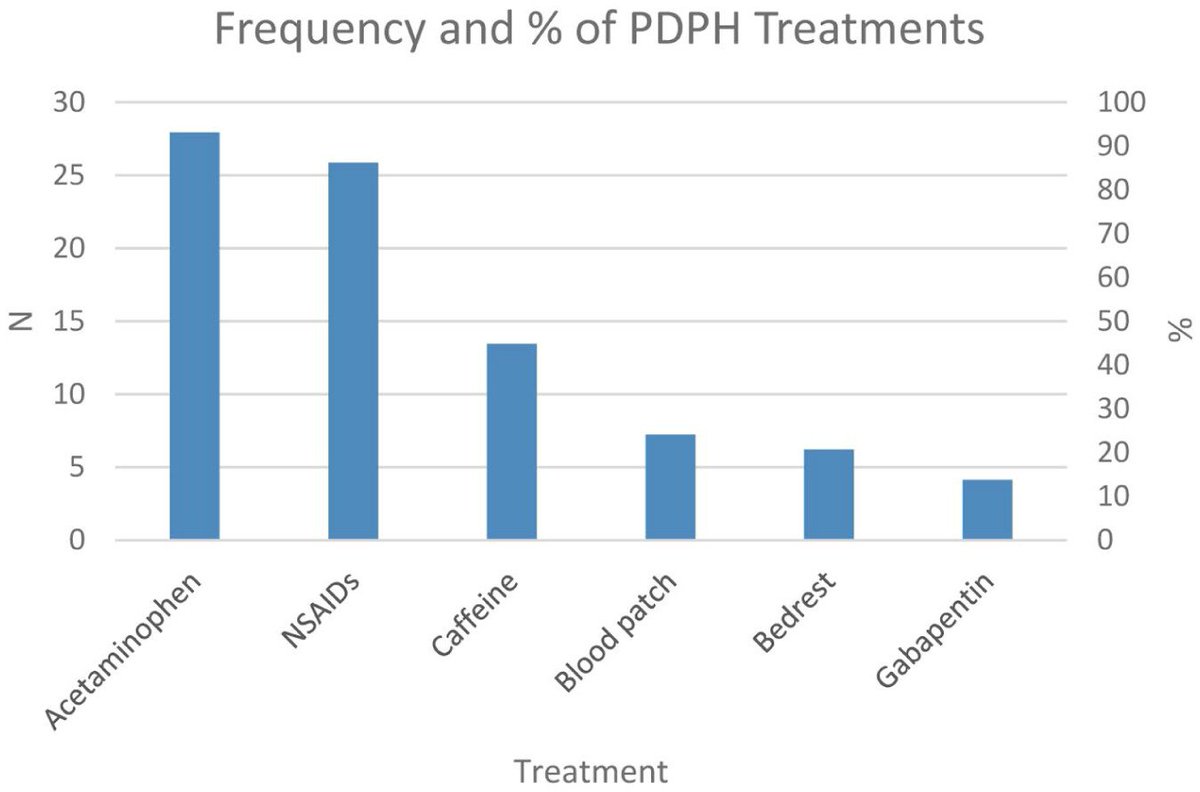
How common is post-dural puncture headache, a complication of neuraxial #anesthesia, in orthopedics?
A case series found a 4.5% #PDPH incidence in TJA patients who had unintended dural puncture, with lower age and lower BMI as associated risk factors.
https://t.co/eCuTH4Pqjp
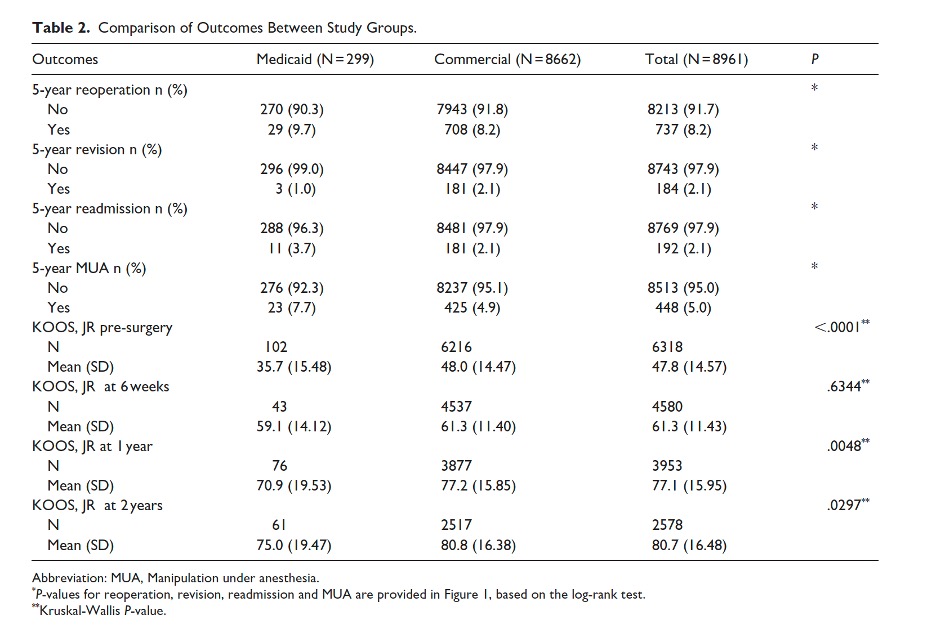
This retrospective cohort study suggests that Medicaid and commercially insured patients experience similar revision, reoperation, and readmission rates after unilateral TKA performed by arthroplasty fellowship-trained surgeons at a high-volume center. https://t.co/68YNn87Y2j
Our October issue is live, with a special section of studies on hip arthroscopy, an editorial on guidelines for AI use by authors, & a primer for orthopedic surgeon-product representative relationships. https://t.co/cxBvxqHpu9
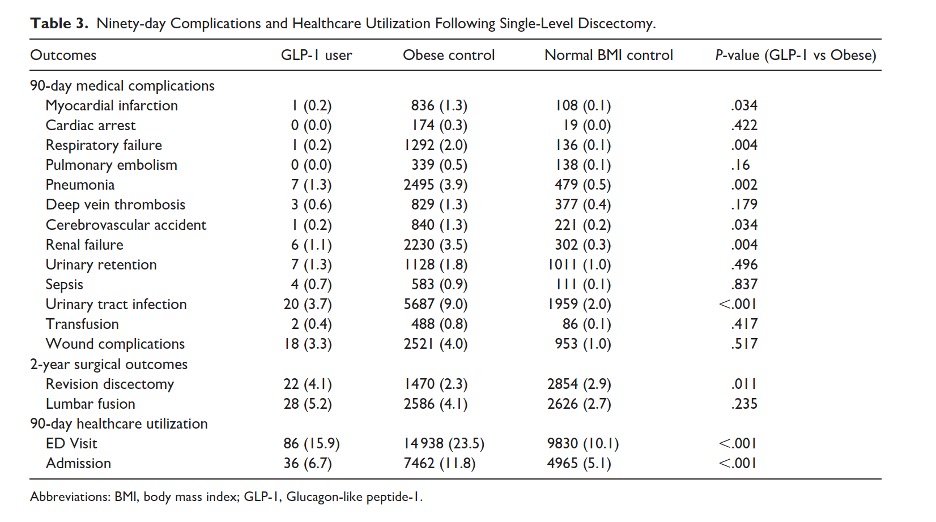
A cohort study found that preoperative GLP-1 RA use was linked with lower 90-day complications, ED visits, & hospital readmissions in single-level lumbar discectomy patients vs obese controls. The medications reduce inflammation, which may explain the lower complication rates.
Authors present the first known pediatric case of primary synovial chondromatosis (SC) of the talonavicular joint.
This case underlines the importance of careful imaging review. #Orthotwitter
Learn more: https://t.co/9opYc63C9K
“Every surgeon carries within himself [herself] a small cemetery, where from time to time he goes to pray- a place of bitterness and regret, where he must look for an explanation for his failures.” -Rene Leriche
We mustn’t forget to care for ourselves and colleagues when complications occur.
What happens to a surgeon after a surgery goes wrong?
Beyond "second victim syndrome," a new study defines SCARS (Surgical Complication Adverse Reaction Syndrome): lingering guilt, insomnia & anxiety that hit performance.
📖 Free to read through Sept 22: https://t.co/cZugFpXQZA