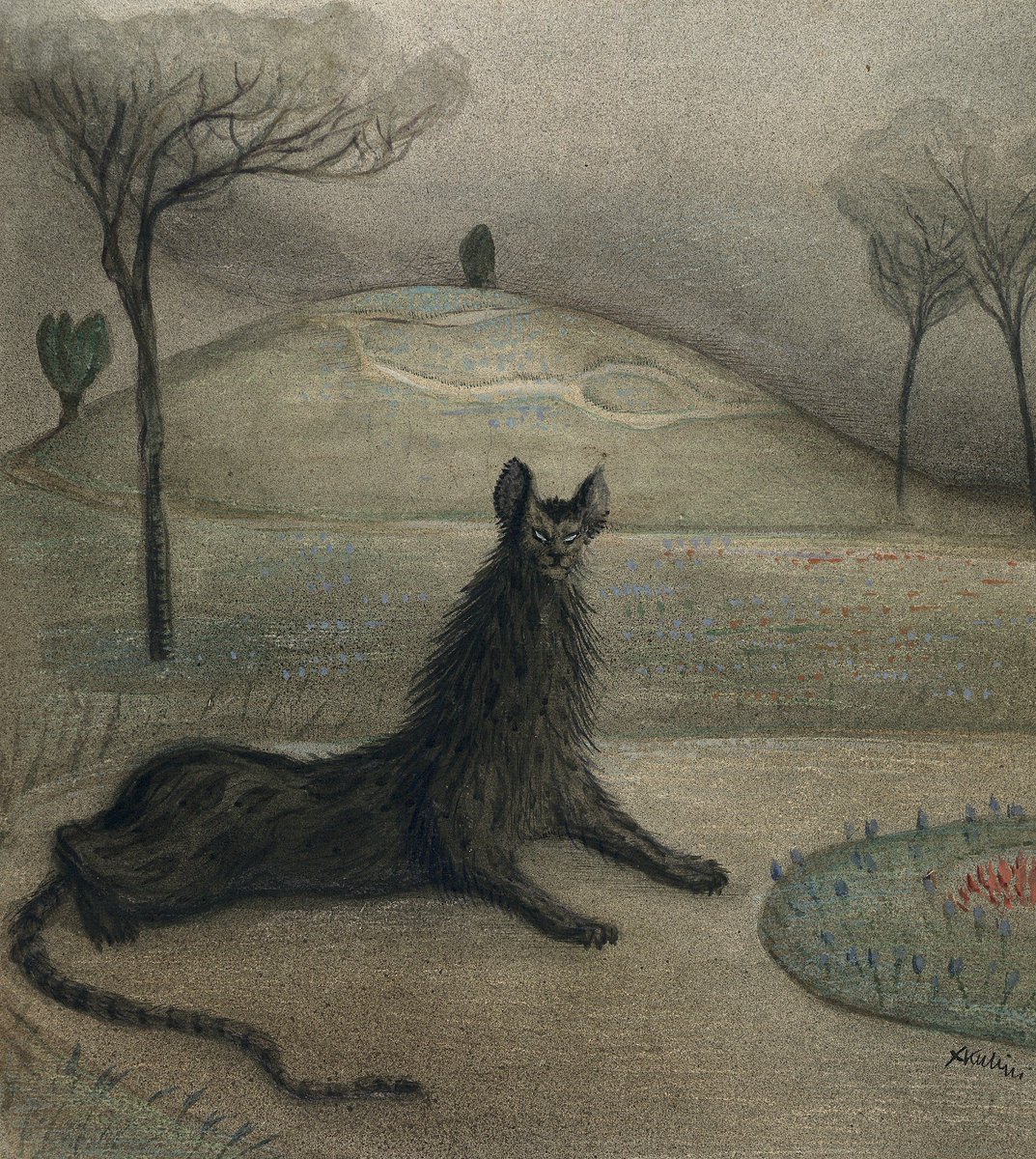
@SoyArcastar He de mencionar que también ayuda enormemente la nota aclaratoria de Cristopher Tolkien en que comunica que el Silmarillion no fue concebido para ser novela y aún de mayor ayuda fue el glosario de nombres 🤌🏼✨
@SoyArcastar Opino lo contrario. Me gusta conocer el origen de cada historia que leo en orden cronológico siempre que es posible y al terminar el Silmarillion continué con las otras historias sabiendo qué terreno pisaba 💖
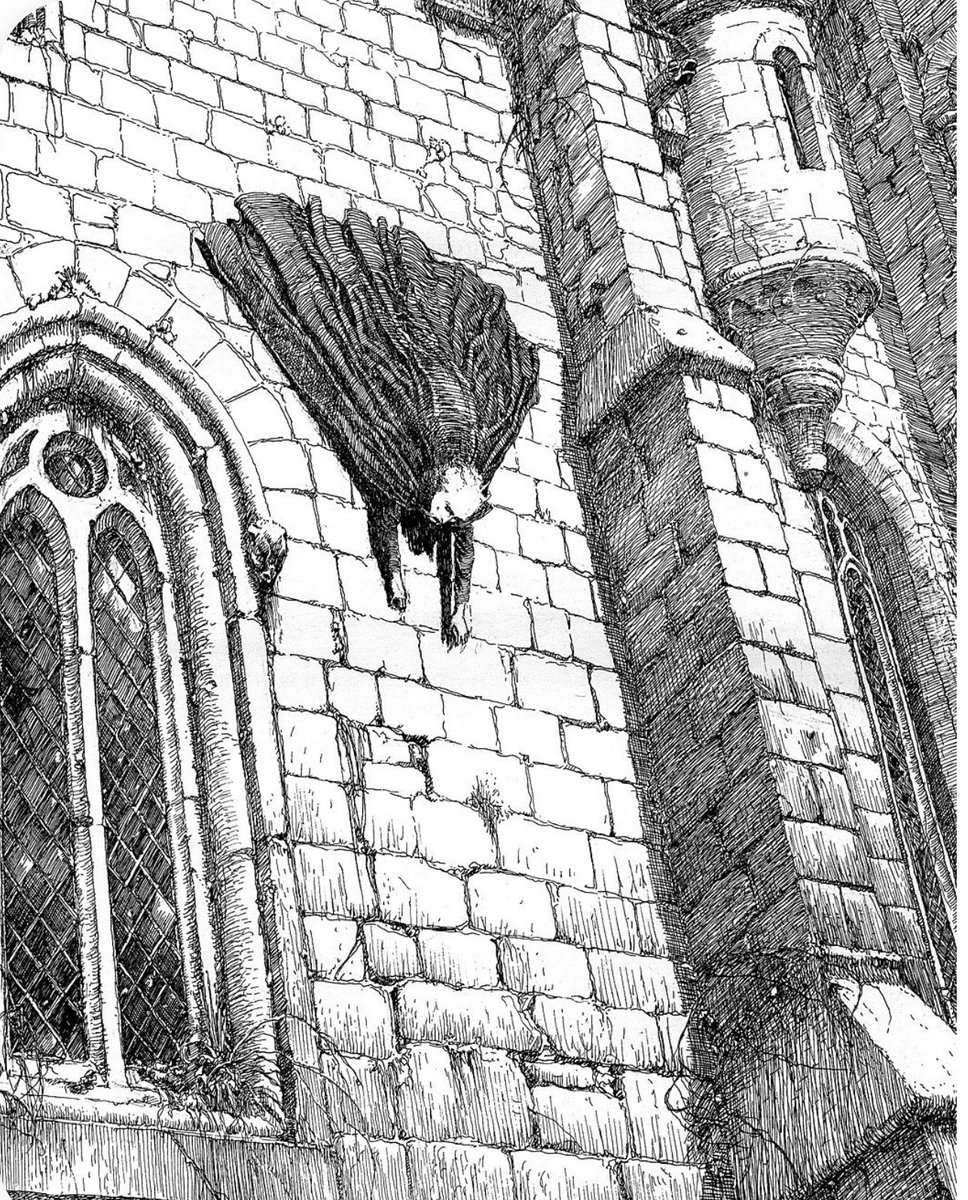
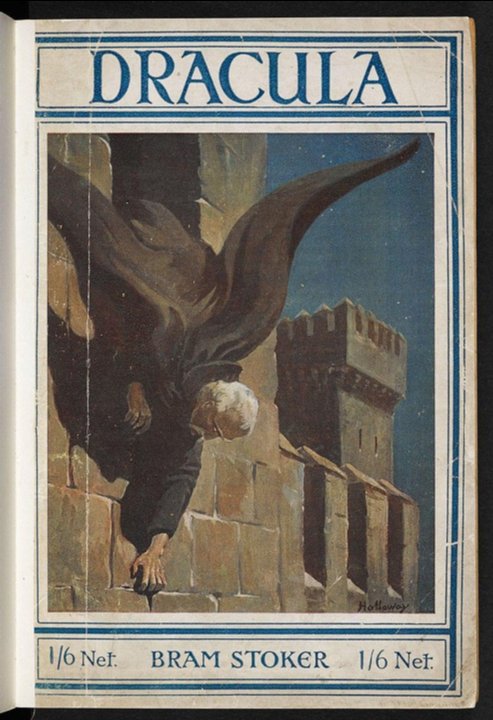
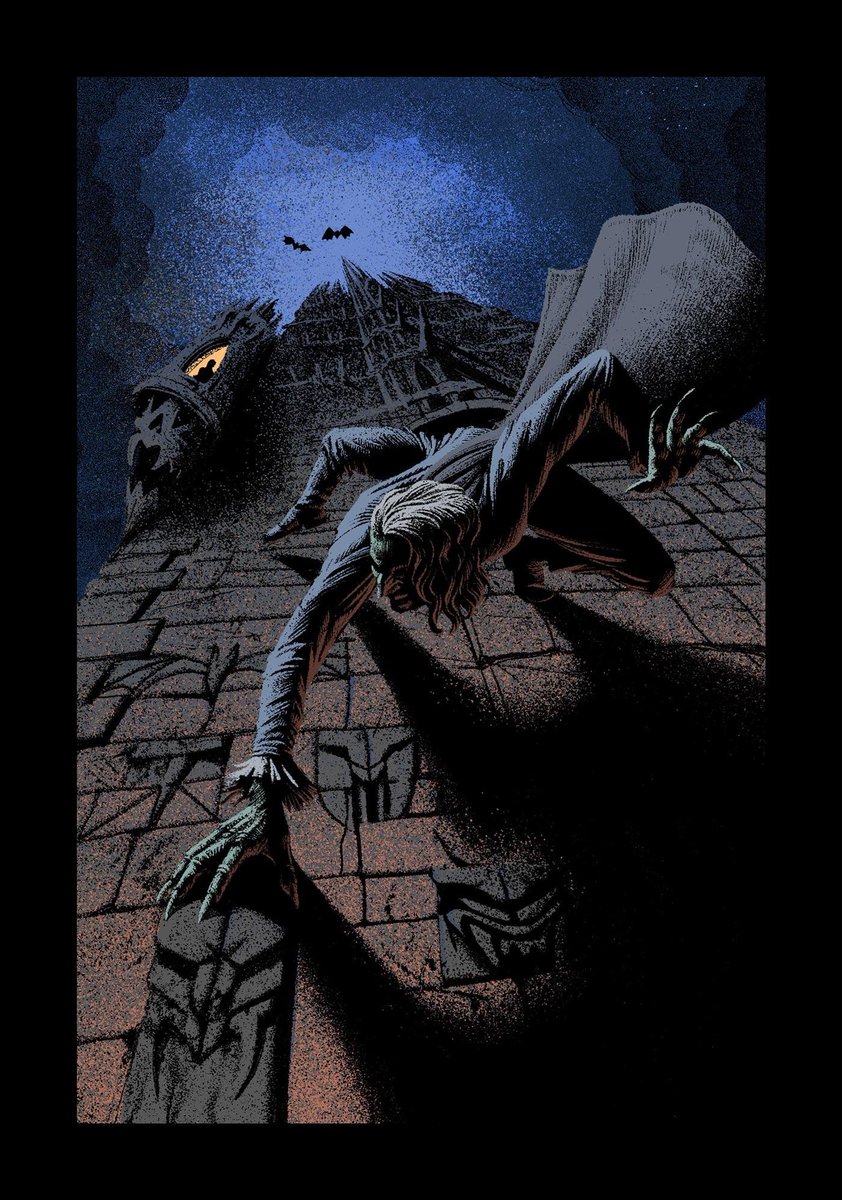
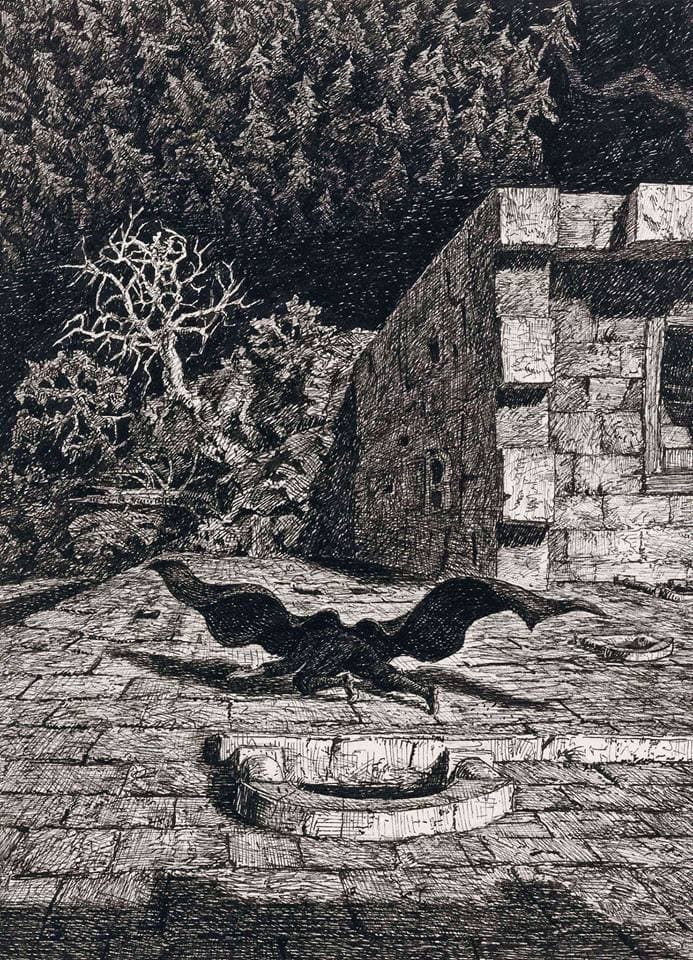
I've seen plenty of illustrations and pictures of Dracula crawling down the castle wall but my favorite is this one by Fritz Schwimbeck (1889-1972), just check out that perspective, isn't it absolutely cool? One of a kind! (1/2)
#SabiasQue el estadounidense Buffalo Bill mató 4000 bisontes en 18 meses? Esta política fue impulsada por el gobierno norteamericano para destruir la forma de vida indígena, matarlos de hambre, y acorralar a los nativos enviándolos a reservaciones. Para 1877 había 60 millones de estos animales, años después quedaron 2,000. Así se llevó una de las matanzas de animales más significativas de la historia
“I believe that every woman's soul is haunted by the spirits of earlier women who fought for their unmet needs. Those spirits dwell in us, trying to speak to us”
- Adrienne Rich
OTD in 118 AD, some bloke called Hadrian triumphantly entered Rome as the new emperor and four years later, built a wall in Britannia incorporating the Roman fort of Vindolanda in Northumbria. This isn’t about him though. This is about Woman of the Day Claudia Severa, whose letter to her best friend was discovered when Vindolanda was excavated in 1973.
Written around 100 AD in ink on a wooden tablet about the size of a postcard, it is the oldest known handwriting by a woman in Britain and the only known letter in Latin from one woman to another.
The other Vindolanda tablets are mostly lists of army requisitions, official correspondence and letters to and from home by the soldiers of the 9th Cohort of Batavians (Germans). Some of the tablets had doodles and drawings on them.
If it hadn’t been for Severa (Claudia was her family name), history books would have you believe that Roman forts in Britain were exclusively populated by blokes standing sentry, fending off the odd Pict and cribbing about the weather. Their tablets were typically blokey:
“Caelum crebris imbribus ac nebulis foedum”/The British sky is obscured by constant rain and cloud. (For heaven’s sake, lads, you were in Northumbria. What did you expect?). “Send subuclae/vests and abollae/thick woollen cloaks” and in one case “Paria udonum ab Sattua solearum duo et subligariorum duo.” That’s socks, two pairs of sandals and two pairs of underpants.
The reason we know there was much more to life at Vindolanda than rain, freezing feet and the occasional change of underwear is because Severa’s letter to Sulpicia Lepidina was warmer and more personal. It was an invitation to her birthday party.
This fascinating scrap of social history tells us that Roman forts were also home to women and children. Children’s shoes were unearthed at Vindolanda, even a tablet in a child’s handwriting that looks like homework because a tutor marked it “Lazy”. It tells us that these women so valued their friendships in this rainy island far from home that they wrote to each other in affectionate terms used between very close friends.
“Claudia Severa sends greetings to her Lepidina. On the third day before the Ides of September, Sister [11 September], I warmly invite you for the day of the celebration of my birthday, to make sure that you come to us, in order to make the day more pleasurable for me by your arrival, if you come. Send my greetings to your Cerialis. My Aelius and my little son send their greetings. I shall hope to see you, Sister. Farewell, Sister my most precious soul, thus may you fare well, and hail. To Sulpicia Lepidina, wife of Flavius Cerialis, from Severa.”
Lepidina’s husband, Flavius Cerialis, was Praefectus, third-in-charge of Vindolanda, responsible for the day-to-day supervision of the soldiers and maintenance of the fort. Severa’s husband Aelius Brocchus was the commander of a cavalry unit at a fort nearby, possibly Briga. That’s why they were there.
Other tablets tell us that Lepidina and her husband had a bob or two. They’d brought some comforts to their home inside the fort: bronze lamps, vases, white blankets, beautiful leather sandals for her and incredibly expensive curtains dyed purple (a real status symbol because purple dye could only be extracted from a particular sort of sea snail).
They ate well too. The Picts were happy enough with spiced pork fat and cervesa - pork scratchings and beer - but the Vindolanda garrison knew how to party. When they celebrated the feast of Fortuna on 24 June, they got through 120 pints of beer, nearly 500 glasses of very good wine (and loads more cheap wine), venison, chicken, pork, game birds, eggs, freshly baked bread, garlic, lentils, olives, apples, spices and fish sauce.
Severa described her birthday celebration as sollemnis, meaning it was a formal occasion and she was going to push the boat out for her dearest friend, no expense spared. Lepidina kept it somewhere safe. That’s how it survived. That little scrap of oak addressing her as “Sister” meant a great deal to her and that’s tells us something else too.
It tells us of the enduring friendship and the joy women find in sisterhood even when they can’t be present in each other’s busy daily lives. Just like today.
Brasil or Hy-Brasil (from Uí Bhreasail) is an island said to lie in the Atlantic Ocean west of #Ireland. Irish myths described it as cloaked in mist except for 1 day every 7 years, when it becomes visible but still cannot be reached! 🎨By Abraham Ortelius (1572). #WyrdWednesday








![TheAttagirls's tweet photo. OTD in 118 AD, some bloke called Hadrian triumphantly entered Rome as the new emperor and four years later, built a wall in Britannia incorporating the Roman fort of Vindolanda in Northumbria. This isn’t about him though. This is about Woman of the Day Claudia Severa, whose letter to her best friend was discovered when Vindolanda was excavated in 1973.
Written around 100 AD in ink on a wooden tablet about the size of a postcard, it is the oldest known handwriting by a woman in Britain and the only known letter in Latin from one woman to another.
The other Vindolanda tablets are mostly lists of army requisitions, official correspondence and letters to and from home by the soldiers of the 9th Cohort of Batavians (Germans). Some of the tablets had doodles and drawings on them.
If it hadn’t been for Severa (Claudia was her family name), history books would have you believe that Roman forts in Britain were exclusively populated by blokes standing sentry, fending off the odd Pict and cribbing about the weather. Their tablets were typically blokey:
“Caelum crebris imbribus ac nebulis foedum”/The British sky is obscured by constant rain and cloud. (For heaven’s sake, lads, you were in Northumbria. What did you expect?). “Send subuclae/vests and abollae/thick woollen cloaks” and in one case “Paria udonum ab Sattua solearum duo et subligariorum duo.” That’s socks, two pairs of sandals and two pairs of underpants.
The reason we know there was much more to life at Vindolanda than rain, freezing feet and the occasional change of underwear is because Severa’s letter to Sulpicia Lepidina was warmer and more personal. It was an invitation to her birthday party.
This fascinating scrap of social history tells us that Roman forts were also home to women and children. Children’s shoes were unearthed at Vindolanda, even a tablet in a child’s handwriting that looks like homework because a tutor marked it “Lazy”. It tells us that these women so valued their friendships in this rainy island far from home that they wrote to each other in affectionate terms used between very close friends.
“Claudia Severa sends greetings to her Lepidina. On the third day before the Ides of September, Sister [11 September], I warmly invite you for the day of the celebration of my birthday, to make sure that you come to us, in order to make the day more pleasurable for me by your arrival, if you come. Send my greetings to your Cerialis. My Aelius and my little son send their greetings. I shall hope to see you, Sister. Farewell, Sister my most precious soul, thus may you fare well, and hail. To Sulpicia Lepidina, wife of Flavius Cerialis, from Severa.”
Lepidina’s husband, Flavius Cerialis, was Praefectus, third-in-charge of Vindolanda, responsible for the day-to-day supervision of the soldiers and maintenance of the fort. Severa’s husband Aelius Brocchus was the commander of a cavalry unit at a fort nearby, possibly Briga. That’s why they were there.
Other tablets tell us that Lepidina and her husband had a bob or two. They’d brought some comforts to their home inside the fort: bronze lamps, vases, white blankets, beautiful leather sandals for her and incredibly expensive curtains dyed purple (a real status symbol because purple dye could only be extracted from a particular sort of sea snail).
They ate well too. The Picts were happy enough with spiced pork fat and cervesa - pork scratchings and beer - but the Vindolanda garrison knew how to party. When they celebrated the feast of Fortuna on 24 June, they got through 120 pints of beer, nearly 500 glasses of very good wine (and loads more cheap wine), venison, chicken, pork, game birds, eggs, freshly baked bread, garlic, lentils, olives, apples, spices and fish sauce.
Severa described her birthday celebration as sollemnis, meaning it was a formal occasion and she was going to push the boat out for her dearest friend, no expense spared. Lepidina kept it somewhere safe. That’s how it survived. That little scrap of oak addressing her as “Sister” meant a great deal to her and that’s tells us something else too.
It tells us of the enduring friendship and the joy women find in sisterhood even when they can’t be present in each other’s busy daily lives. Just like today.](https://pbs.twimg.com/media/GvZUgDLWsAA_QdN.jpg)