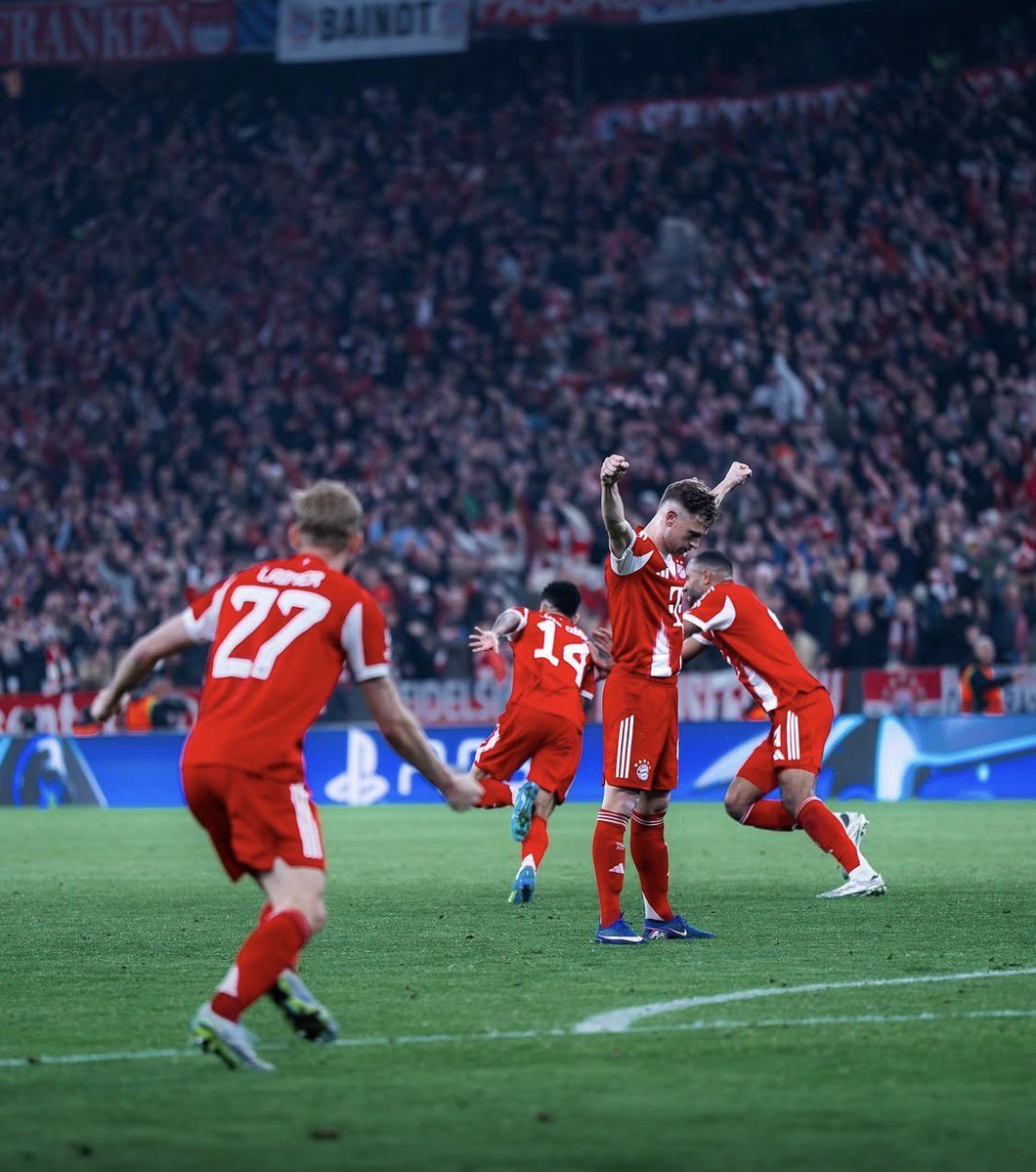
هدف يعكس روح كأس العالم.. هذا الهدف من الأفضل في الجولة الأولى، لأنه يبرز أهمية القتالية حتى اللحظة الأخيرة بدلا من إضاعة الوقت أو الانكماش فقط.. رائع وغير عادي كاميلو هرنانديز لاعب كولومبيا.
The strangest oil trade of 2026 isn't happening at sea.
It's 700 tanker trucks a day crossing the Iraq–Syria desert.
The biggest winner is a government that barely produces oil at all.
Hormuz shut → Iraq lost 90% of export revenue.
Baghdad will take ANY outlet.
So 2 land corridors opened: al-Waleed in Anbar (31 March) and Rabia/Yarubiyah (20 April) the latter sealed since 2013.
Destination: Baniyas, Syria's Mediterranean port. Then by sea to Europe.
The numbers are medieval and massive at once:
500–700 trucks/day, 30 tonnes each.
Baniyas unloading capacity up 30%, 120k bpd flowing. Baseline 150k bpd, target 350k.
Moving just 50k bpd of crude takes 1,000 trucks running nonstop, this is a pipeline made of wheels.
💰The economics
Here's the desperation premium: SOMO is paying $20–22 per barrel to move fuel oil by land.
By sea it costs cents.
Iraq signed for 650k tonnes/month anyway because the alternative isn't a cheaper route.... It's zero.
Damascus collects on every barrel: transit fees, storage, port charges, plus cheap Iraqi fuel.
At $2–3/bbl that's $8–13M/month, rising to $21–30M at full flow.
For al-Sharaa's empty treasury, possibly his most reliable hard-currency stream.
The worse Iraq's crisis gets, the more Syria earns.
The structural irony is that Iran shut Hormuz to punish its enemies.
Result, Iraqi oil money now flows to a Damascus government Tehran calls an adversary while Iraq, Iran's closest Arab partner, sits on life support.
Chokepoints don't choose their victims, Geography does.
🇸🇾 Atef Najib, Assad's cousin and former head of Political Security in Daraa, is on trial in Damascus today.
In 2011, he ordered the arrest and torture of 15 schoolboys, some as young as 10, for writing graffiti. They were beaten, burned, and had their fingernails pulled out.
When parents begged for their children, he told them to go make more.
15 years later, he is the one in the dock.
Source: @ivarmm
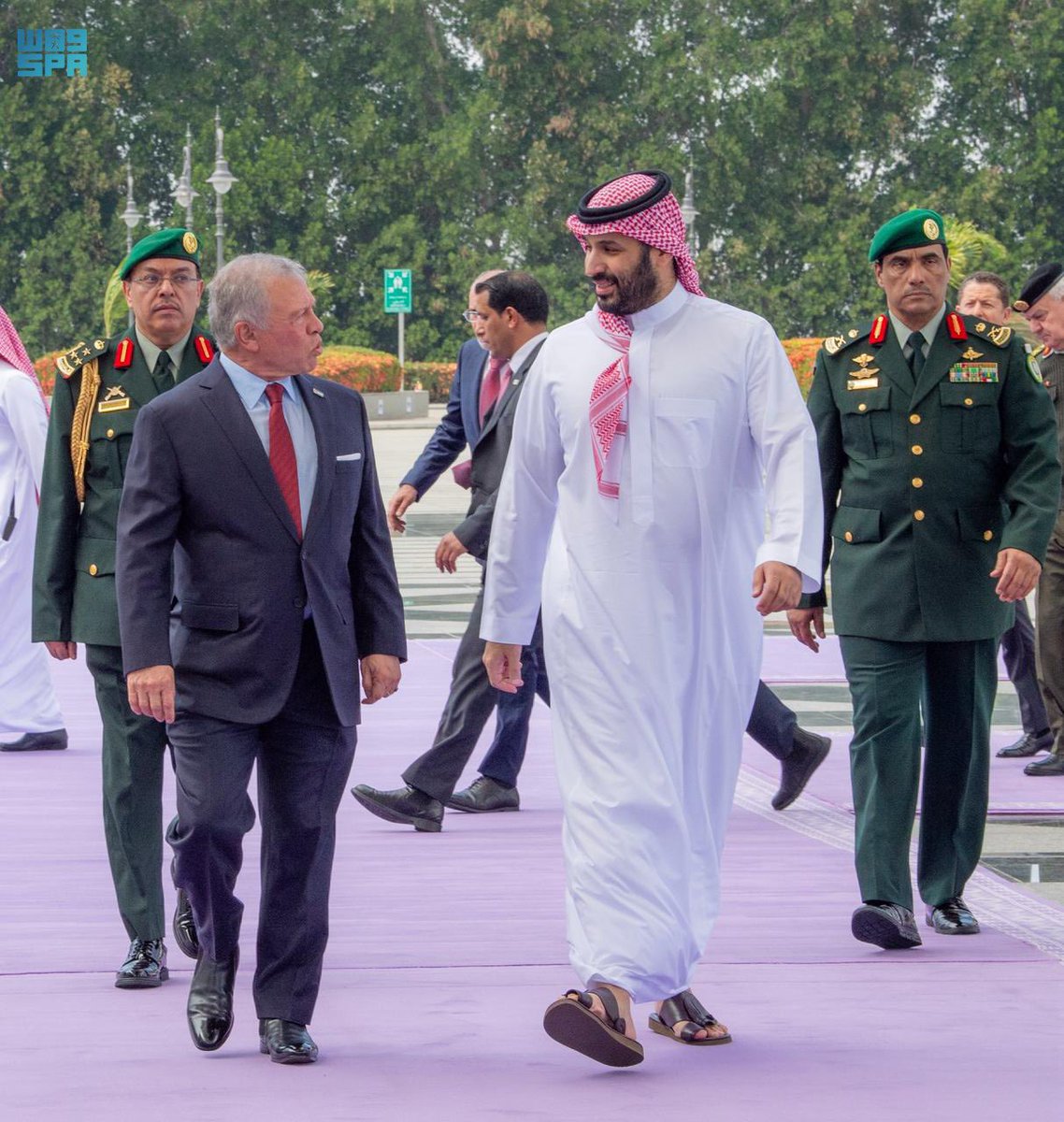
نعتز بالعلاقات الأخوية الراسخة التي تجمع الأردن وسوريا الشقيقة وما تشهده من تطور مستمر في مختلف المجالات. نعمل معا لتكريس التعاون الشامل الذي ينعكس خيرا على بلدينا الشقيقين، ونقف معا في مواجهة التحديات. سوريا تمضي واثقة نحو إعادة البناء، والأردن معها يسندها في كل خطوة على هذه الطريق.
علاقة الإمارات بسوريا اكبر بكثير من ان تتأثر بسبب تصرف هذه المجموعة الصغيرة المدفوعة من جهة ما،
والثقة كبيرة في الحكومة السورية ان تتخذ الاجراءات المناسبة.
أعتقد القمة الثلاثية (الأردنية والسعودية والقطرية) ستبحث الطريق البديل أو الممر اللوجيستي الذي سينطلق من الخليج نحو الأردن وسوريا.
اليوم كان الرئيس السوري في ألمانيا وأوروبا تريد طريق آمن ومفتوح.
لن يكون هرمز ولا باب المندب ورقة بيد إيران مهما فعلوا.
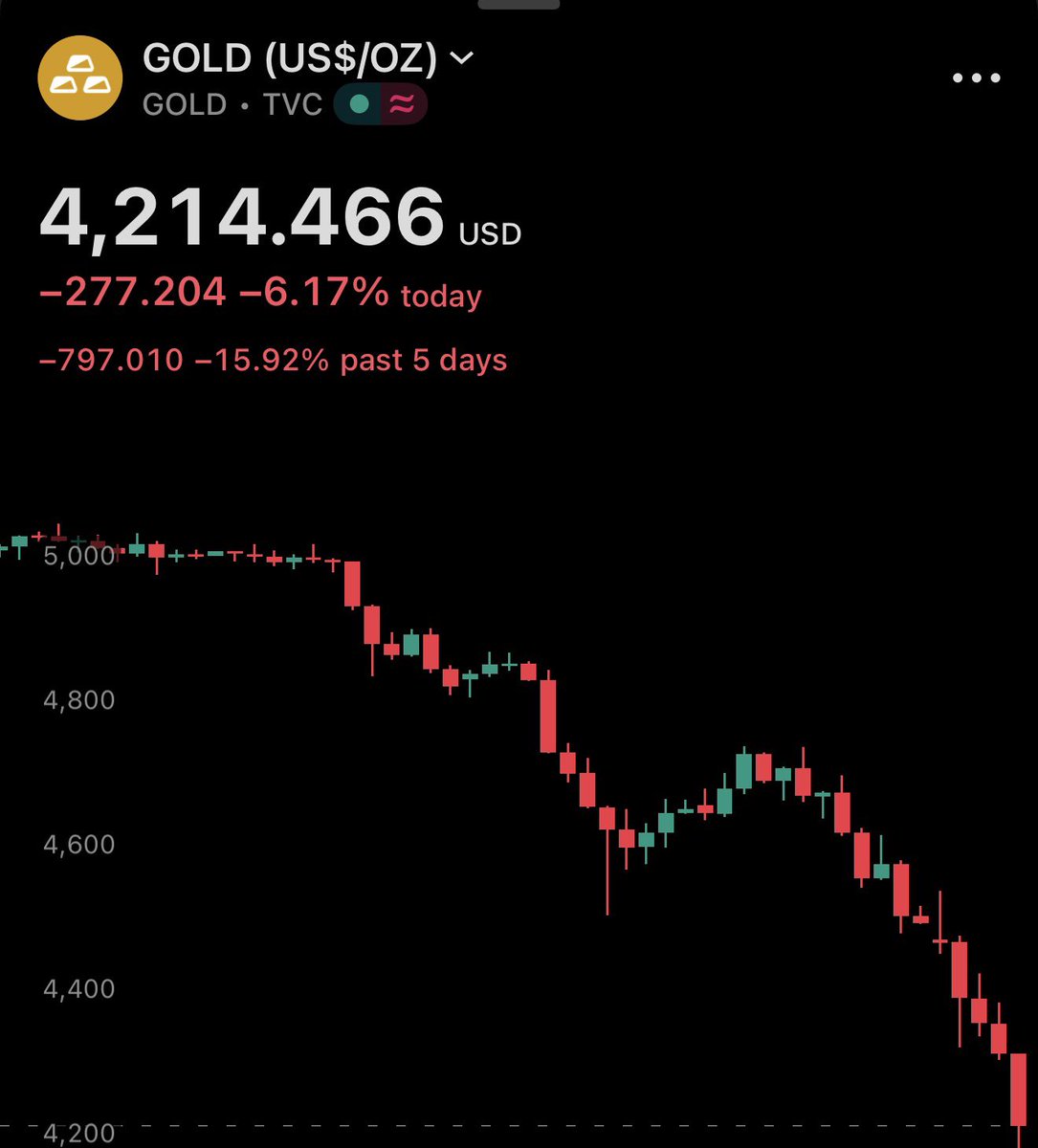
🔴 لماذا انخفض الذهب بأكثر من 5% في يوم واحد؟
دعنا نبتعد قليلًا عن التحليل المعقد… ونفكر بمنطق بسيط.
أي أصل مالي لا ينخفض إلا عندما يكون هناك بائعون أكثر من المشترين.
وهذا بالضبط ما يحدث في سوق الذهب الآن.
الصورة الحالية يمكن تلخيصها في ثلاث نقاط رئيسية:
أولًا: غياب المشتري الأكبر
الصين، التي كانت خلال السنوات الماضية أحد أكبر المشترين للذهب، أوقفت الشراء مؤقتًا.
التركيز الآن تحوّل نحو تأمين الاحتياجات الأساسية: الطاقة والغذاء.
ثانيًا: دخول بائع جديد للسوق
الصناديق في الشرق الأوسط (خاصة في دبي وقطر) بدأت ببيع الذهب.
ليس لأنهم فقدوا الثقة… بل لأنهم بحاجة إلى سيولة.
وهنا نقطة مهمة جدًا:
عندما تحتاج الصناديق إلى النقد، فهي لا تبيع الأصول غير السائلة.
لا أحد سيشتري حصة Private Equity في شركة AI اليوم إلا بخصم قد يصل إلى 40%.
إذًا القرار المنطقي؟
بيع الذهب.
ثالثًا: التحول من "الخوف من المستقبل" إلى "ضغط الحاضر"
الذهب يُشترى عند القلق من المستقبل.
لكن عندما تصبح الأزمة فورية… يتحول المستثمرون إلى النقد.
السيولة تصبح أهم من أي شيء آخر.
لكن السؤال الأهم:
هل تغيرت أساسيات الذهب؟
الإجابة: لا.
- الصين لن تعود لشراء السندات الأمريكية بنفس الوتيرة
- الاتجاه طويل الأجل لا يزال نحو الذهب
- الطلب الآسيوي سيعود مع استقرار أسواق الطاقة
- ومع انخفاض الأسعار، ستتراجع ضغوط البيع
وهنا المفارقة:
نفس المستثمر الذي يبيع اليوم…
سيكون أول من يشتري عند الاستقرار.
الخلاصة:
ما نشهده ليس انهيارًا في الذهب…
بل "أزمة سيولة مؤقتة".
وفي الأسواق،
أكبر الفرص تظهر عندما يضطر الأقوياء للبيع… وليس عندما يريدون.
Hormuz is a weapon that can only be fired once
No one should expect a quick resolution to the current crisis, but across the next decade, even the next 3-5 years, the choke point of Hormuz will be massively substituted for
The Gulf Arab states are all very rich, with high per capita GDP - the best single measure of relative state capacity - easy access to global markets, especially financial, and have the favorable backing of the US
Everyone has known about the Hormuz vulnerability for decades. The Iranians have continually hinted around closing it, but never did. Now they have, but Hormuz is a gun that cannot be reloaded.
Deterrents work only up to the point of use. Once used, they have failed. The purpose of a deterrent is to *not* be used
Many analysts have made this basic mistake. They think that Iran is now in a position of strength, having exercised its Hormuz option. But the opposite is true. A state is weakest after it has used its deterrent. The cost of that deterrence is now priced in. The worst having been done, the targets of the deterrent are now free to make other arrangements. Before, they were reluctant to do so because of the switching costs. Now, they have no choice; they will not allow themselves to be controlled in this way again
Hormuz may never reopen. But the importance of this is a depreciating asset.
كل سنة كنت أُغرّد ذلك في يوم انطلاق الثورة السورية… عاشت سوريا وسقط الأسد.
في هذا اليوم أتمنى لكل السوريين دولة تتجسّد فيها مطالب ثورة 2011 العظيمة، ودولة تستحق التضحيات الهائلة التي قدّمها السوريون في سبيل نيل الحرية: دولة ديمقراطية، عادلة، خالية من المحسوبيات والفساد.