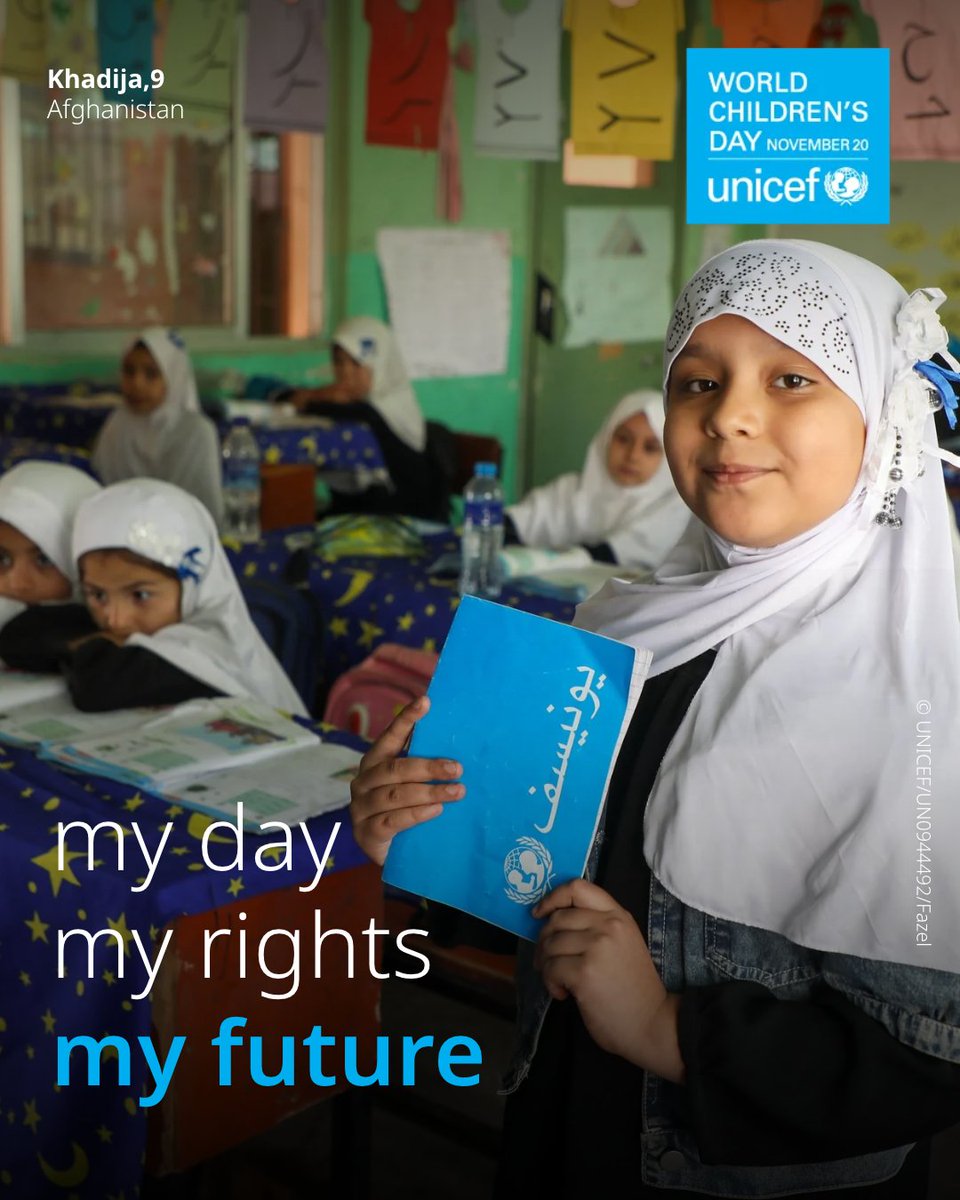
Education is every child’s right.
“I want to become a doctor,” says 9-year-old Khadija, a Grade 2 student at Mir Wali School in Mazar-i-Sharif.
This #WorldChildrensDay, and every day, spread this message: Investing in education is investing in the future.
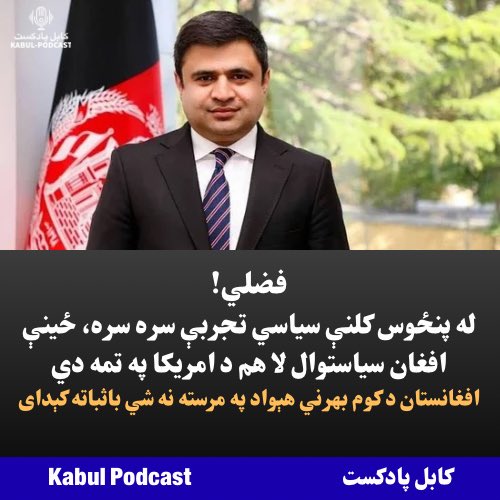
The Need for Political Wisdom and Restraint Amid Emerging Developments in Afghanistan
The recent actions, statements, and signals from the respected Amir of the Islamic Emirate of Afghanistan, Mawlawi Hibatullah Akhundzada, deserve careful reflection and serious political assessment.
In my view, these developments may signal the beginning of a new and potentially significant phase in Afghanistan’s political landscape—one that calls for wisdom, patience, and strategic foresight rather than hasty reactions or premature judgments.
I therefore urge my esteemed colleagues in the National Assembly for the Salvation of Afghanistan (NASA) to exercise restraint and avoid rushing to conclusions. At such a sensitive juncture, political maturity, careful assessment of emerging realities, and the ability to recognize potential opportunities are of particular importance.
I believe these developments should first be thoroughly discussed and collectively assessed within NASA’s Leadership Council. Following comprehensive consultations, we should articulate a unified, measured, and responsible position guided by Afghanistan’s national interests and long-term future.
💧Clean water is every child’s right.
“I wash my hands every day, so I don’t get sick,” says 8-year-old Amanullah.
This #WorldChildrensDay, UNICEF calls on leaders to protect every child’s right to a healthy future.
آیا مواضع و دیدگاههای سیاسی مطرحشده در روز گذشته میتوانند راه را برای حل مسالمتآمیز بحرانهای افغانستان هموار سازند؟
از روز گذشته بدینسو، بحث مهم و کمسابقهای در پنج سال اخیر، پیرامون مسائل اساسی کشور در محافل داخلی و بینالمللی آغاز شده است.
بدون تردید، اختلافات بنیادی و چالشهای جدی همچنان پابرجا اند و از عوامل اصلی تداوم بحرانهای کشور بهشمار میروند. با این حال، مطرحشدن برخی اصول و دیدگاههای مهم در سطح رهبری نظام حاکم، مشروط بر آنکه به سیاست رسمی و اقدامات عملی تبدیل گردند، میتواند گام مهمی در مسیر حل مسالمتآمیز و پایدار بحرانهای #افغانستان باشد.
در این میان، اصول و اهدافی که روز گذشته مورد تأکید قرار گرفتند، از اهمیت خاص برخوردار اند:
- جلوگیری از جنگ، خشونت و فتنه دشمنی میان مردم افغانستان؛
- مبارزه با هرگونه تبعیض و تعصب، مخصوصاً بر بنیاد زبان، قومیت، منطقه و تعلقات سیاسی؛
- تأمین برابری و حقوق اساسی تمام شهروندان در پرتو ارزشهای دین مقدس اسلام؛
- تحکیم وحدت ملی، همبستگی و اتحاد میان مردم افغانستان؛
- تأمین مشارکت در دولت بر بنیاد اهلیت، شایستگی و استعداد؛
- فراهمسازی زمینه بازگشت مصون و باعزت تمام هموطنان به کشور.
اگر این اصول بیانگر سیاست رسمی و اراده واقعی رهبری نظام حاکم باشند، گام ضروری و منطقی بعدی باید آغاز مذاکرات فراگیر بینالافغانی باشد.
هدف این مذاکرات نباید تقسیم قدرت و «چوکیها» میان گروهها و شخصیتهای سیاسی باشد، بلکه اولویت گفتوگوهای بین الافغانی باید دستیابی به توافق بر سر قانون اساسی، اصول و اهداف یادشده و حل اختلافات باقیمانده باشد.
این توافق ملی باید روی قانون اساسی مورد قبول مردم افغانستان صورت گیرد؛ قانونی که اصول و اهداف فوق و حقوق و آزادیهای بنیادی تمام شهروندان، اعم از زنان، مردان و کودکان، را تضمین نموده و دولت و نظام سیاسی به رعایت و تطبیق احکام آن مکلف باشند.
اعتماد پایدار مردم به دولت و نظام سیاسی در گرو تضمین حقوق و آزادیهای اساسی شهروندان در قانون اساسی و تعهد عملی حکومت به رعایت و تطبیق کامل آن است.
مردم افغانستان میخواهند و حق دارند از همان حقوق، آزادیها و فرصتهایی بهرهمند شوند که شهروندان دیگر کشورهای جهان اسلام از آنها برخوردارند.
اکنون انتظار برحق مردم افغانستان از رهبری نظام حاکم این است که از مرحله بیان اصول و اعلام مواضع فراتر رفته، اراده سیاسی خود را در عمل ثابت سازد و زمینه آغاز مذاکرات واقعی و فراگیر بینالافغانی را فراهم نماید. این گام میتواند راه را برای توافق ملی، پایاندادن به بحرانهای جاری و استقرار صلح عادلانه و پایدار در افغانستان هموار سازد.
“More than ever, we must defend science, protect scientists & stand up for the truth.”
@antonioguterres in a video call with the Tara Polaris expedition in the Arctic, promising he will share their findings & concerns about the climate crisis with leaders at #COP31 next week.
قطر له افغانستان سره د بشري ډیپلوماسۍ او نړیوالې همکارۍ پر ارزښت ټینګار کړی، چې په جګړه ځپلو سیمو کې د ولسي وګړو او د اوبو د حیاتي سرچینو ساتنه وشي.
تفصیل یې پر بي بي سي پښتو ټکی کام لوستلی شئ،
https://t.co/iIOYDRhymf
Marco Rubio wants the West to rediscover what made it great.
But what truly distinguishes Western civilization is not its military power or national pride, as Rubio suggests, but its intellectual and political traditions.
My take:
د افغانستان او سیمې په اړه
د پاکستان سیاسي- امنیتي ستراتیژي
پدې وروستیو کلونو کې، د افغانستان او سیمې په کچه ځینې بدلونونه راغلي چې وضعیت په پخواني منطق نشي تشریح کیدای او یوې نوې ارزونې ته اړتیا لري.
که څه هم له تاریخي پلوه، د ډیورنډ فرضي کرښه او د هند د فاکتور سره حساسیت، د پاکستان د ستراتیژۍ دوه مهم عناصر جوړوي، خو اوسنۍ سناریو کې امنیتي ګواښونه هم مطرح کوي.
په ټوله کې د پاکستان اوږدمهاله موخه، په افغانستان کې له هر بدلون وروسته، د خپل نفوذ ساتل دي، نه پخپله بدلون. پر همدې اساس، کله چې طالبان واک ته ورسیدل، د پاکستان تصور دا و چې خپل نفوذ به وساتي، خو کله چې دا کار ونشو، نو بېلابېلو فشارونو ته یې مخه کړه.
مهمه دا چې اوس، د دوه اړخیزو اختلافاتو پر ځای، د نړېوال تروریزم مسئله معرفي کوي او ګوته افغانستان ته نیسي او دا تر ډیره پاکستان ته په نړېوال ستیج کې نسبتآ د قوت ژبه ورکوي، بالخصوص دا چې د امنیت شورا د ۱۹۸۸ د تعذیراتو د کمیټې ریاست په غاړه لري.
په ټوله کې پاکستان، د طالبانو د نظام سقوط نه غواړي او نه یې دا کار په وسه پوره ده او هم یې بعدي خطرات او ریسک ډیر لوړ دي، خو د فشارونو او ځینو مخالفینو سره د تماس له لارې، هڅه کوي د طالبانو په سلوک کې بدلون راولي. په بل عبارت پر طالبانو د فشار له لارې د نفوذ تر لاسه کول.
د پاکستان د ستراتیژۍ یو خطر دا دی چی څومره فشار زیاتوي، هماغومره د طالبانو او نورو هېوادونو سره د اړیکو د پراختیا احتمال لیدل کېږي چې نتیجه به یې د نفوذ زیاتیدل نه، بلکې کمیدل وي.
عمومي برداشت دا دی چې دا ډول یو متضاد حالت به د راتلونکو څو کلونو لپاره د دوه اړخیزو اړیکو مهم مسیر او محور وي. که څه هم اړیکې لنډ مهال کې د ترمیم وړ نه دي، خو ښایې دیپلوماتیک کانالونه په بشپړه توګه نه وي تړل شوي.
وروستۍ خبره دا چې، د خیبر پښتونخوا امنیتي وضعیت لاملونه که هر څه وي، خو پاکستان ښایې له همدی حالت څخه د مرکزي حکومت او پوځ د مستقیم نفوذ د پراخولو لپاره ګټه واخلي. له بل پلوه به پر افغانستان خپل فشارونه زیات او په کور دننه امنیتي بحران ته به بیرونی اړخ ورکړي.
پدی ترتیب به د «ملي امنیت خطر» په پلمه، له یوې خوا پوځي تحرکاتو ته توجیه پیدا کړي او له بلې خوا به خپله داخلي ناامنۍ د افغانستان د مسئولیت په توګه تعریف او هر ډول فشارونو ته به دلایل وتراشي
The leader of the Pashtun Tahafuz Movement (PTM), Manzoor Ahmad Pashteen, said at The Hague Justice Dialogue that the Pakistani military and intelligence agencies create, fund and train armed groups in Pakhtunkhwa, and then forcibly displace people under the pretext of counterterrorism operations. During Pashteen’s speech, representatives of Pakistan, diplomat Asif Durrani and Pakistan’s ambassador to Netherlands walked out of the conference. However, as they left the conference, they faced angry looks and remarks from the representatives of other countries.
The leader of the Pashtun Tahafuz Movement, Manzoor Pashteen, expressed concern on Thursday, 23 Mizan, at a conference of The Hague Justice Dialogue over military operations, forced displacement, targeted killings, enforced disappearances and civilian casualties caused by landmines in various parts of Pakhtunkhwa. He called on the international community, United Nations human rights bodies, the International Criminal Court and the European Union to conduct urgent investigations into these incidents.
In his recorded speech, Manzoor Pashteen said that millions of residents of Pakhtunkhwa had suffered greatly because of the war over the past 23 years. According to him, targeted killings, enforced disappearances, military operations and forced displacement continue in various parts of the region.
Pashteen said that the Pakistani military is displacing residents from mineral-rich areas of Pashtunkhwa under the pretext of counterterrorism operations. He added that terrorist groups had been created, funded and trained by the Pakistani military and intelligence agencies.
He added, “The truth is that every terrorist group in Pakhtunkhwa is created, funded and trained by the Pakistani military and Pakistani intelligence agencies. Senior Pakistani military officials, such as Pakistan Army chief General Pervez Musharraf, intelligence agency chief General Hamid Gul, Colonel Imam, General Abdul Qadir Baloch and many others, have openly admitted in live television interviews that these terrorist groups were created by their own army.”
According to Pashteen, they first destabilise mineral-rich areas of Pakhtunkhwa by creating insecurity and chaos through their proxy terrorist groups. They then launch military operations under the pretext of fighting terrorism and use these operations to drive the original local residents out of areas rich in minerals and precious metals.
He said, “Since 2004, the military has conducted dozens of large-scale military operations and thousands of small-scale targeted operations, but it has not brought even a single sign of peace to any part of Pakhtunkhwa.”
According to Pashteen, dozens of major military operations and thousands of targeted operations have taken place in Pakhtunkhwa since 2004, but they have failed to bring peace and security to the people of the region.
Manzoor Pashteen also said that military operations had destroyed people’s homes, markets and orchards, and that when displaced people attempted to return to their homes, they faced landmines, security checkpoints and surveillance.
He added that hundreds of incidents involving landmine explosions had been recorded. According to Pashteen, 1,250 civilians had been killed and another 278 permanently disabled in these explosions.
According to Pashteen, over the past approximately two decades, 76,000 Pashtun civilians had been killed, 6,700 Pashtuns remained missing, and 250,000 houses and 35,000 shops had been destroyed. He also noted that documents, evidence and eyewitnesses were available to support these figures.
The leader of the Pashtun Tahafuz Movement said that the PTM had emerged as a peaceful movement to raise its voice against targeted killings, enforced disappearances, landmines and the plundering of natural resources
#TheHagueDialogues #ManzoorPashteen
Change often starts from the ground up, and there are hundreds of state and local candidates this year who will stand up for their communities and fight for progress. These races will help shape our future, and it’s never been more important to get involved: https://t.co/N1Zq6D8iTk
More than 4 million children in Afghanistan are projected to need treatment for acute malnutrition in 2027, including over 1 million with severe acute malnutrition.
Sustained investments are critical. https://t.co/RhDqZjZ8Ce