Fundacja Habitat for Humanity Poland od 1992 działa na rzecz poprawy sytuacji mieszkaniowej w Polsce poprzez projekty budowlane i remontowe oraz rzecznictwo.
[VIDEO] See how San Gabriel Valley Habitat for Humanity continues to make progress in recovery efforts in Altadena. - with @CBSNews https://t.co/tHfAi1uKJJ
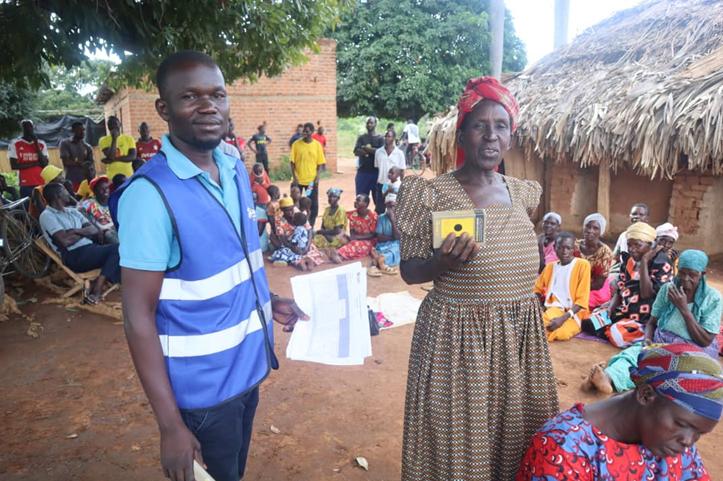
Samuel Omoding is a passionate volunteer who works with us focusing on environmental protection. He sensitizes his community on the usage of stabilized soil blocks during construction, use of eco-cook stoves among others to protect the environment. #IVD2025
Today is #GivingTuesday! Donate by midnight and your gift to Habitat for Humanity will be matched $ for $. Repost to spread the news!
🔗 https://t.co/bf7DzWZLZL
Spółdzielnia w Grodzisku Wlkp buduje w systemie deweloperskim za 7 tys/m2, w tym koszt zakupu gruntu i kredytu... Wyobraźcie sobie ile będziemy mogli budować przy gruncie od państwa (użytkowanie wieczyste) i tanim 1% finansowaniu z BGK. W spółdzielniach drzemie wielki potencjał!
@OrzelBartlomiej W Polsce minimalną krajową zarabia niemal 30% pracowników etatowych, przez co bardzo trudno o awans społeczny. Szczególnie młodym. Dochodzi do skrajnego wypłaszczenia średnich zarobków.
Dla porównania w Niemczech 4% pracowników zarabia najniższą 😉
Ale wróćmy na chwilę do dwudziestolatków. Oni zaczynają się koncentrować w największych aglomeracjach, ale też nie byle gdzie. Młodzi ludzie chcą być w centrum, a nie na przedmieściach. Widzimy to na bardzo dokładnym poziomie rejonów statystycznych. 6/
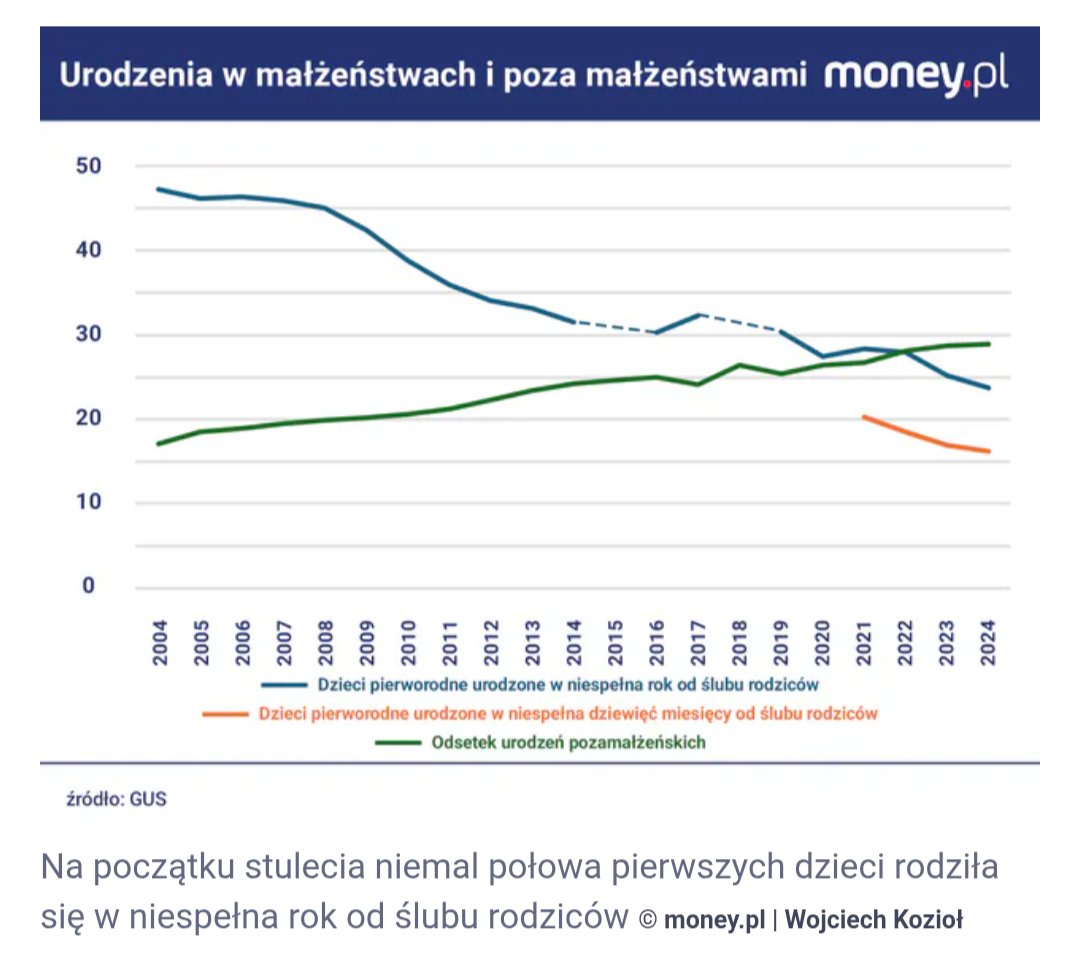
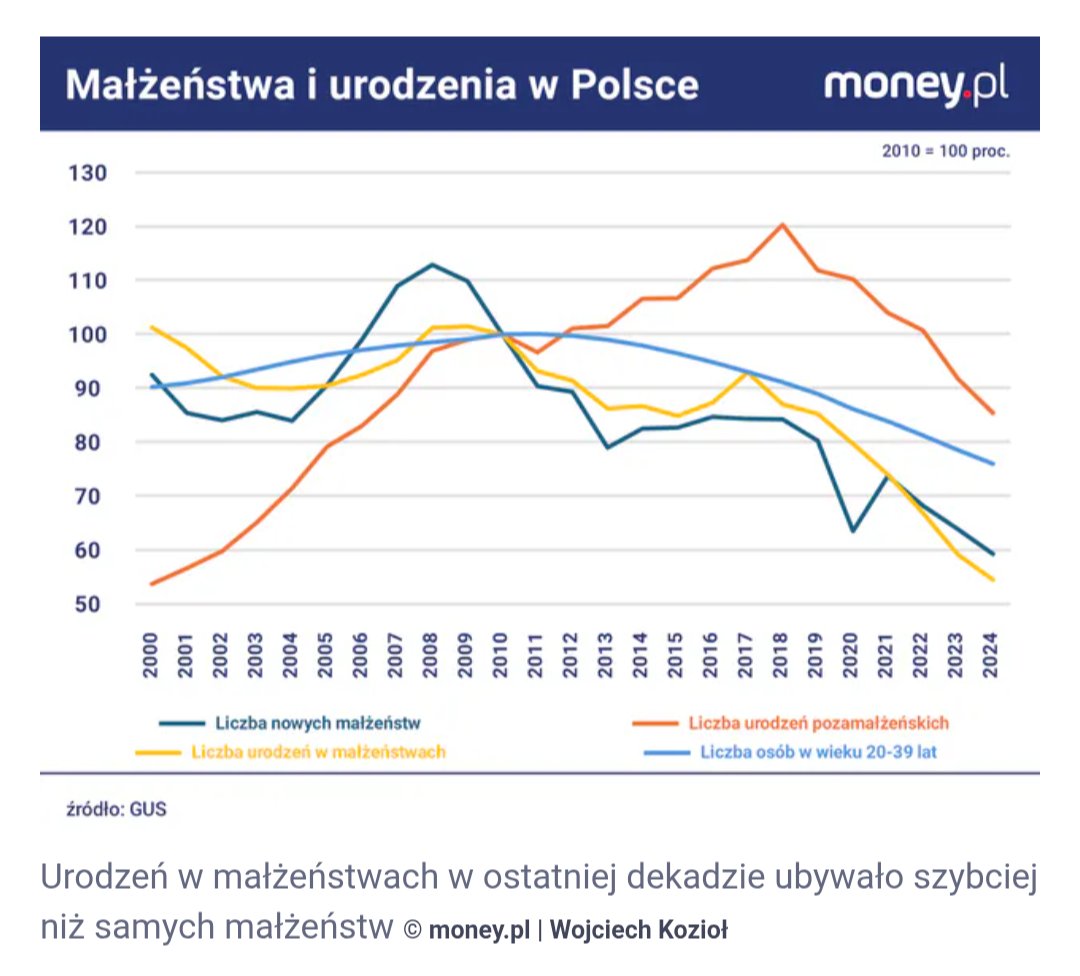
Offtopic 🍼👶🚼: Młodych Polaków nie stać jednocześnie na ślub i dziecko, więc coraz częściej wybierają dziecko bez małżeństwa. Koszty życia i rodziny rosną, a tradycyjny model „najpierw ślub, potem dziecko” szybko zanika.
👉W 2024 r. aż 28,9 % dzieci przyszło na świat poza małżeństwem, to wzrost w porównaniu z ponad dekadą temu.
👉Liczba urodzeń w małżeństwach spada szybciej niż łączna liczba urodzeń, spadek urodzeń „małżeńskich” ostatnio wyniósł 37 %, a „pozamałżeńskich” jedynie ~20 %
👉W 2024 r. sformalizowane małżeństwo zawarto znacznie rzadziej także tuż przed narodzinami dzieci, co świadczy, że ciąża coraz rzadziej skłania do ślubu.
👉Główna przyczyna: rosnące koszty wychowania dzieci i organizacji ślubu, wychowanie jednego dziecka do 18. roku życia kosztuje dziś ok. 358 000 zł, czyli blisko 1,7 tys. zł miesięcznie. Dekadę wcześniej było to 210 tys. zł, czyli około 972 zł miesięcznie.
W efekcie tradycyjny model- ślub przed dzieckiem lub blisko narodzin traci sens dla wielu młodych par; pojawia się nowy model rodziny.
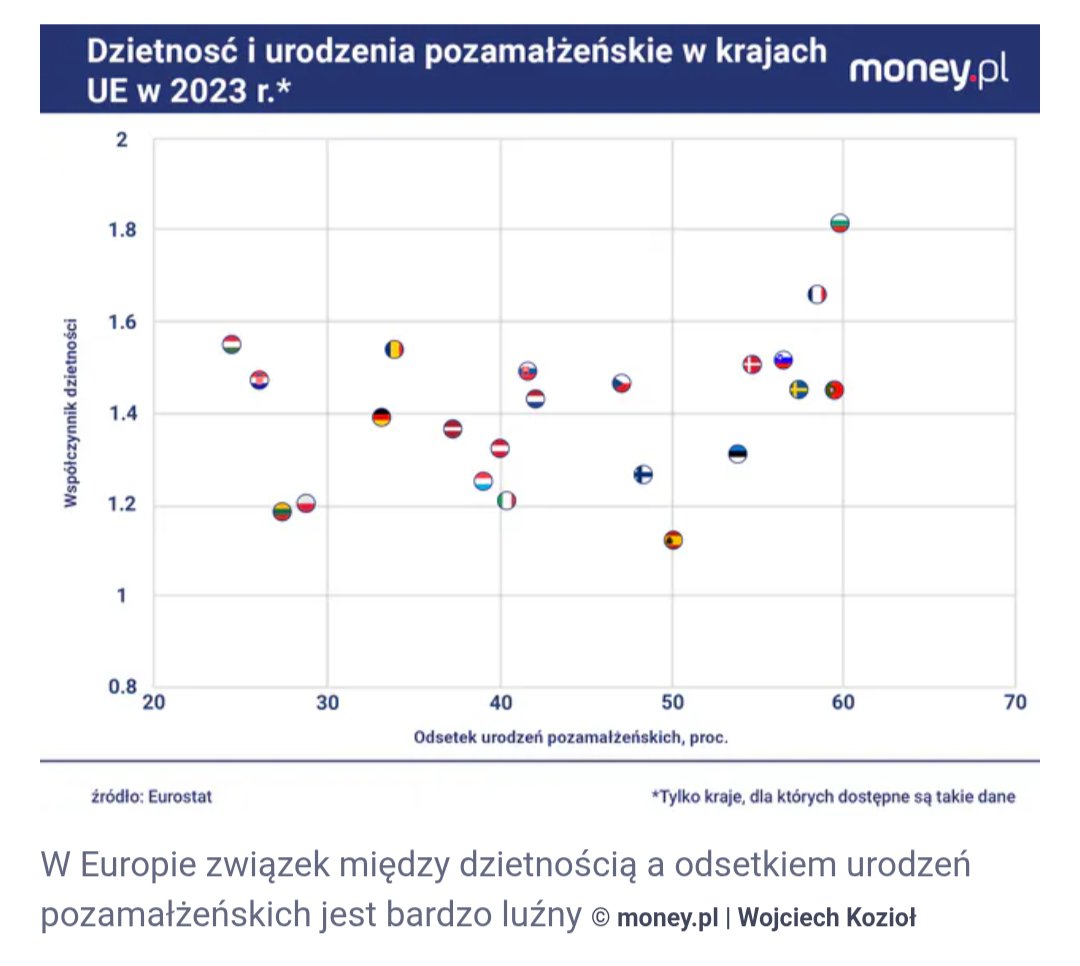
👉W samej 🇪🇺Europie można znaleźć zarówno kraje, w których dzietność jest relatywnie wysoka, a większość urodzeń następuje poza małżeństwami (np. Bułgaria i Francja), jak i kraje, w których dzietność jest relatywnie wysoka, a urodzenia pozamałżeńskie są rzadkie (Węgry).
https://t.co/ffgS8jmyCw
@MichaelAArouet This tenement house was renovated 30 years after the end of socialism. The former tenants had no property rights, the building fell into disrepair, the city sold the buildings to a foreign developer, and now they are the most expensive apartments in the city.
@GarrettPetersen It's weird though that in Hungary they basically give you a free house (no downpayment and cheaper monthly than equivalent rent would be) if you're married and agree to have 3 babies in 10 years, but basically nobody does it. There's something else going on
Od dziś do oglądania na wystawie jest mój wieloletni fotograficzny projekt o warszawskich kontrastach. 🏙️📸 Konkretniej o wolskich kontrastach i taki tytuł nosi wystawa, która potrwa do 7 stycznia w Fabryce Norblina.
Zapraszam na krótki wątek o projekcie, a potem na wystawę 😇🧵
I had a lot of fun making this choropleth map of property sales prices in Germany.
Predictably, big cities have the highest property prices. This pattern is typical in many Western countries.
But cities used to be affordable, and with lighter building regulations, they built fast and densified very quickly in the 19th & early 20th centuries.
Why did that end? What brought about 'the Great Downzoning'?
@SCP_Hughes evaluates the theories in a great new piece for Works in Progress.
https://t.co/63c5sZ5QkS
Wow… I’m genuinely touched seeing this side of him. It means a lot when someone remembers the people who were there for them. That kind of loyalty is rare, and it honestly made me respect him even more.
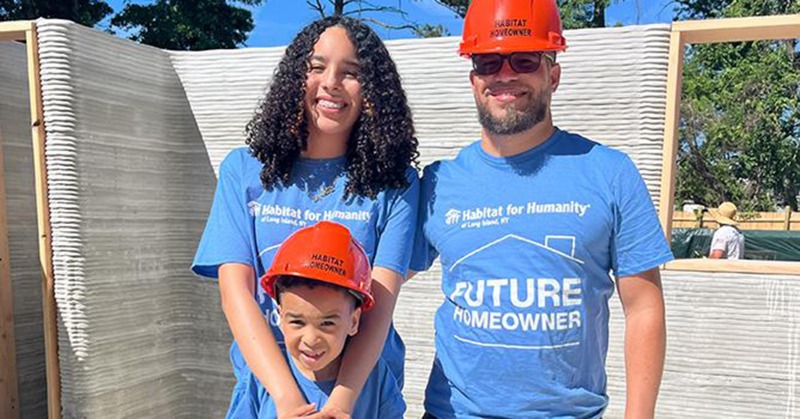
In Florida, seven families recently celebrated the completion of their journey to homeownership with key handover ceremonies hosted by Habitat Tampa Bay Gulfside. Read the full story from @SuncoastNews.
For most of history, having children was the path to security in old age. You invested in children when you were young, and then you had someone to take care of you when you were old. Those who invested the most in bearing and raising children saw the greatest benefit.
We have socialized old age so completely that the old order is now completely inverted. Those who never had children to focus exclusively on career benefit the most. Those who sacrificed part of their time and money to raise children end up with less. And mothers who committed themselves exclusively to raising children get no social security at all because of this choice.
Now, the system is completely breaking down. The cost of benefits to the elderly overwhelms the budget, while too few children are born to support the system. The project to socialize the family is failing on a grand scale across the developed world.
How can this be fixed? Incentives matter. Those who take on the challenge of raising children should get more in retirement than those who did not. Those who raise more children should see a greater return.
If society rewards those who are childless and penalizes those who raise children, it should surprise no one if fewer children are the result.
B. Budka: Uważam, że podatek katastralny uderzył by w osoby najbiedniejsze.
Redaktor: Osoby najbiedniejsze nie mają 3 mieszkań.
B. Budka: Ale to nie chodzi o ilość mieszkań, tylko o to, że podatek katastralny dotyczy wartości nieruchomości.