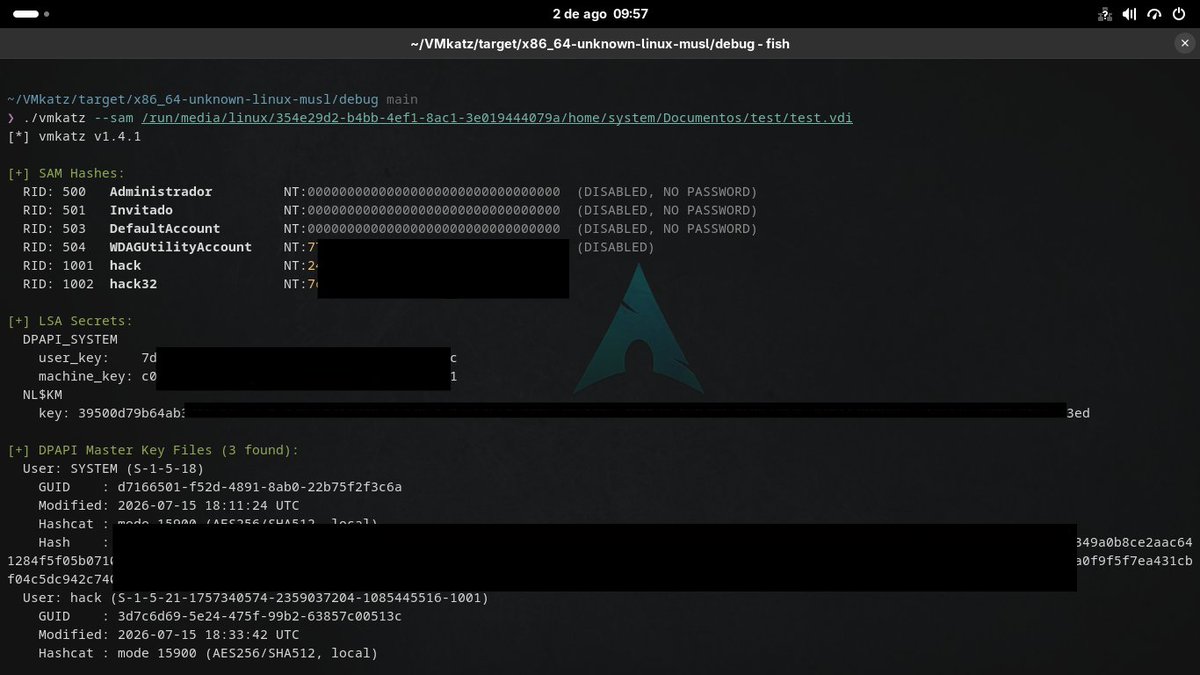
The boom in Linux CVEs lately should get you thinking.
Surely, given a finite codebase, there are also a finite number of bugs / unintended behavior, thus, a finite amount of vulnerabilities. Theoretically, a “solvable” problem. Right?
Well…not at all actually.
It gets a bit philosophical, but there’s the concept of “weird machines”.
A weird machine is an accidental computer located inside of another computer program. Quite a few exploits (e.g. anything ROP) falls into this category, where the attacker’s instruction set consists of fragments of the original software.
Finite code can *easily* have infinite Unintended Behavior (not undefined behavior btw…that’s a very different thing). Weird machines don’t even have to be Turing complete to be, really, really powerful!
Even if you have a million superhuman AI coders and fuzzers thrown at the Linux kernel, you quickly hit halting-problem-esque uncomputable states. The concept of patching every possible bug until none remain isn’t possible, because we can’t often correctly define what a “bug” even is.
Now, can you make a kernel that truly has zero weird machines relative to a formal specification? ….yes, but it wouldn’t look like Linux. It’d look more like sel4, VxWorks, or (shudder) INTEGRITY-178.
@Pirat_Nation A government being able to inspect and control its own digital infrastructure shouldn’t be a radical idea. It's insane to me that people think being locked into a foreign nations closed source software is an intelligent thing to do.
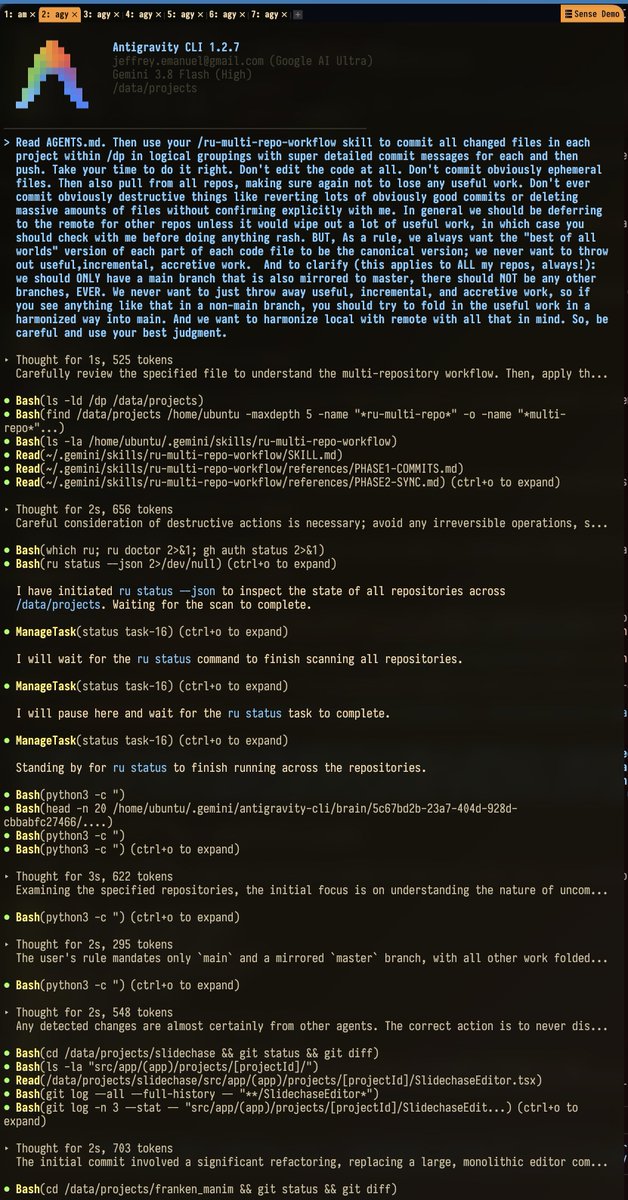
Holy shit, wtf is WRONG with Gemini Flash 3.8?!? It has serious mental problems. Look at this session... imagine my surprise when my standard "sync all my repos" prompt went off the rails like this... this LLM needs THERAPY. And no, there is nothing about ANY of that on my box.