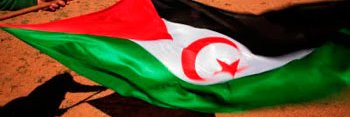
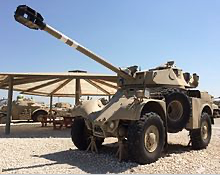
Weapons like the one in the photo were made in South Africa. And Apartheid sold them to Morocco, in 1980, to fight the Sahrawis. The rest of the story is known by the brave guerrillas of Umkhonto we Sizwe.
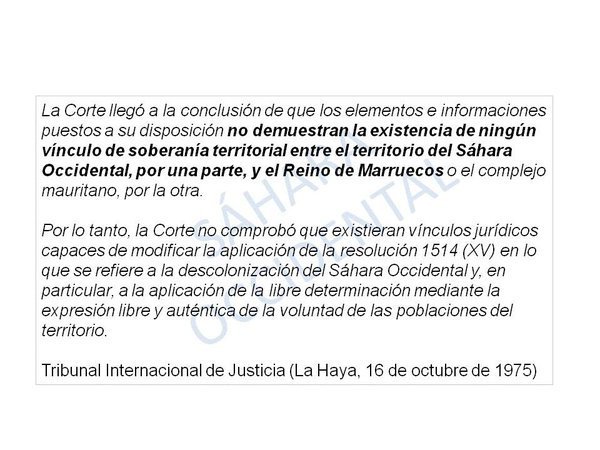
Why in this day and age,one African country is allowed to colonize another?Oppress a people! Our own comrades, brothers and https://t.co/7xXwd0dda7!This must end. Freedom for Western Sahara must come now!Urgent task.This diplomacy thing is not working.Let us be loud and clear!!
أمريكا، حمّالة الحطب في الصحراء الغربية
من «حاملة القلم» إلى «حمّالة الحطب»: حين تُسخَّر صياغة قرارات مجلس الأمن لفرض السيادة المغربية على شعب لم يقرّر مصيره، يصبح الحبر وقودًا للصراع. هكذا تتحوّل واشنطن من Penholder إلى Fireholder، وتغدو «خطة السلام» حطبًا لنار جديدة.
@Lahcenhaddad recuerda a Mandela. Conviene recordar también a Mobutu: tras más de 30 años de dictadura, represión y saqueo de Zaire, cayó en 1997 y Marruecos le abrió sus puertas. Murió en Rabat y allí fue enterrado. La memoria africana no admite selección.
De Mandela a Arusha: la memoria de las solidaridades africanas en la diplomacia parlamentaria
En Arusha, el presidente del Parlamento tanzano recordó el apoyo de Marruecos a los movimientos africanos de liberación en su lucha contra el colonialismo y el apartheid.
Sus palabras una historia compartida al diálogo actual entre los parlamentos africanos.
La trayectoria de Nelson Mandela ofrece un ejemplo elocuente: viajó a Marruecos en 1962 para buscar apoyo a la lucha contra el apartheid, recibió formación militar cerca de Uchda y regresó en 1994 como presidente de Sudáfrica.
Recordar esta solidaridad no significa que nuestros países deban coincidir en todos los asuntos actuales.
Sí ofrece un punto de referencia común que puede fortalecer la confianza, impulsar el diálogo y dar continuidad a los vínculos parlamentarios.
La historia da profundidad a las relaciones; la cooperación práctica frente a los desafíos de hoy debe hacerlas avanzar.
Lee mi artículo completo aquí: https://t.co/mkkutwO2io
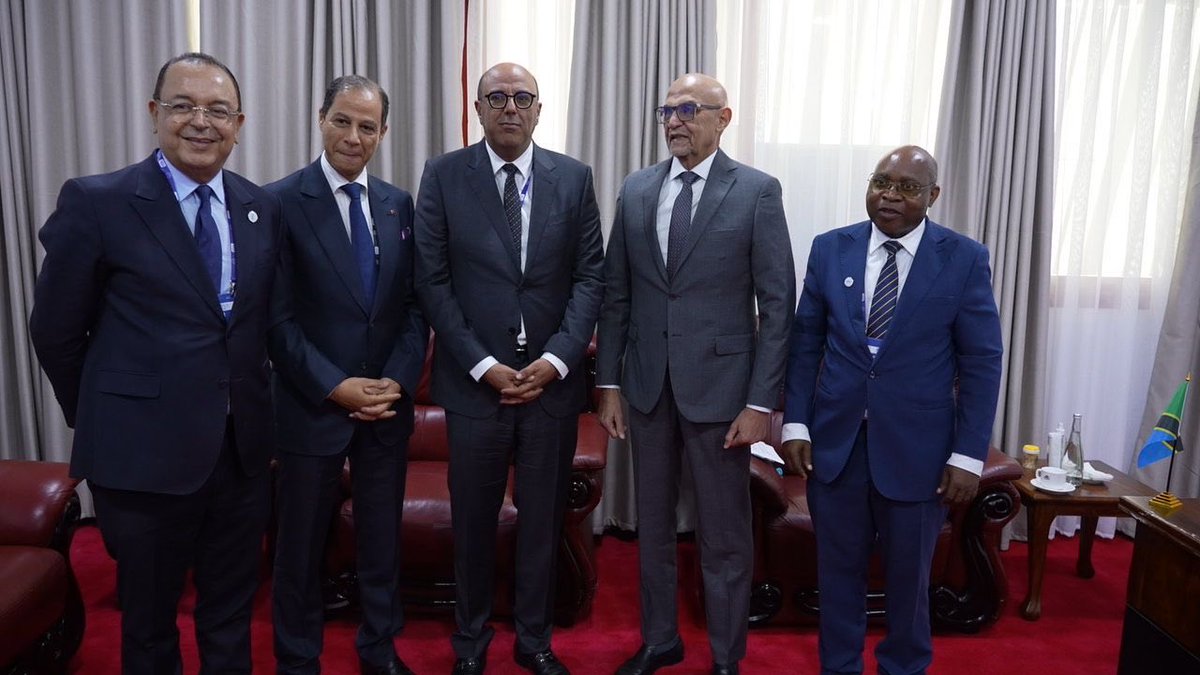
Tanzanian Parliament Speaker to Moroccan Senate Speaker Mohamed Ould Errachid, a Sahrawi Moroccan: Morocco’s Support for African Liberation Is a History Southern Africa Has Not Forgotten
During his bilateral meeting in Arusha today with Mohamed Ould Errachid, Speaker of Morocco’s Senate and a proud Sahrawi Moroccan, Mr Mussa Azzan Zungu, Speaker of Tanzania’s National Assembly, recalled a history that the peoples of Southern Africa have not forgotten.
Morocco was a steadfast supporter of African liberation movements in their struggle against colonialism and apartheid. It welcomed their leaders and provided political, diplomatic, logistical and military assistance at a time when such solidarity demanded courage and conviction.
Nelson Mandela travelled to Morocco in 1962 during his clandestine mission to mobilisé support for the struggle against apartheid. He received military training in the Oujda region, while members of the African National Congress also benefited from training and assistance on Moroccan soil.
After becoming South Africa’s first democratically elected president, Mandela visited Morocco in November 1994, where he was received by King Hassan II and awarded the Kingdom’s highest distinction—an acknowledgement of Morocco’s historic solidarity with his struggle for freedom, dignity and racial equality.
Mr Zungu’s words carry an important message: relations between Morocco and Southern Africa are not circumstantial. They are rooted in a shared history of sacrifice, liberation and genuine African solidarity.
Morocco stood with the peoples of Southern Africa when they were fighting for freedom. That contribution belongs to Africa’s collective memory and should now inspire stronger parliamentary, political and economic cooperation between Morocco, Tanzania and the entire Southern African region.
Tres textos, una sola partitura
La operación editorial de EL PAÍS sobre Marruecos
Hay coincidencias que informan y coincidencias que revelan. El 19 de septiembre de 2026, EL PAÍS publicó, a la misma hora,
Sigue 👇🏿👇🏿👇🏿
Tres textos, una sola partitura
La operación editorial de EL PAÍS sobre Marruecos
Hay coincidencias que informan y coincidencias que revelan. El 19 de septiembre de 2026, EL PAÍS publicó, a la misma hora,
Sigue 👇🏿👇🏿👇🏿
Tres textos, una sola partitura
La operación editorial de EL PAÍS sobre Marruecos
Hay coincidencias que informan y coincidencias que revelan. El 19 de septiembre de 2026, EL PAÍS publicó, a la misma hora,
Sigue 👇🏿👇🏿👇🏿
Tres textos, una sola partitura
La operación editorial de EL PAÍS sobre Marruecos
Hay coincidencias que informan y coincidencias que revelan. El 19 de septiembre de 2026, EL PAÍS publicó, a la misma hora,
Sigue 👇🏿👇🏿👇🏿
Tres textos, una sola partitura
La operación editorial de EL PAÍS sobre Marruecos
Hay coincidencias que informan y coincidencias que revelan. El 19 de septiembre de 2026, EL PAÍS publicó, a la misma hora,
Sigue 👇🏿👇🏿👇🏿
Tres textos, una sola partitura
La operación editorial de EL PAÍS sobre Marruecos
Hay coincidencias que informan y coincidencias que revelan. El 19 de septiembre de 2026, EL PAÍS publicó, a la misma hora,
Sigue 👇🏿👇🏿👇🏿
Primero se exhibe la fuerza de Marruecos. Después se aconseja tomar conciencia de ella. Finalmente, se invita a España a rendirse ante lo que esa fuerza reclama.
Una coincidencia habría sido publicar tres textos sobre Marruecos.
Una línea editorial consiste en ordenarlos para que cada uno conduzca al siguiente.
Y aquí el orden habla por sí solo.
La información de Juan Carlos Sanz aporta el armazón: EE. UU., Israel y Marruecos sellan una entente; Washington y Tel Aviv respaldan la soberanía marroquí sobre el Sáhara; Marruecos se rearma; la MINURSO pierde capacidades; Rabat amplía su influencia.