In patients undergoing permanent colostomy for #RectalCancer, use of a funnel-shaped intra-abdominal mesh reduced parastomal hernia incidence and size at 3 years without increased complications compared with no mesh. https://t.co/RZaOCTzeH7
Retromuscular mesh placement and intraperitoneal onlay mesh were associated with higher risk of reoperation for recurrence and bowel obstruction vs onlay placement after primary ventral hernia repair.
https://t.co/p7Jy92rncP
Anastomotic leak after colorectal surgery: current landscape and future directions
➡️ https://t.co/JhVNo8RuJQ
🔗 Anastomotic leak remains one of the most feared complications after colorectal surgery, with major consequences including sepsis, reoperation, permanent stoma, and poorer oncological outcomes
📊 Leak rates remain substantial despite modern care: 3–6% after ileocolic anastomoses and up to 10–20% after low colorectal anastomoses
🧬 Anastomotic healing is multifactorial, involving surgical technique, perfusion, host immune response, and the gut microbiome
💡 ICG fluorescence angiography may improve perfusion assessment, particularly in rectal cancer surgery, but standardized quantitative thresholds are still needed
🦠 The microbiome is emerging as a key contributor, with collagenase-producing bacteria potentially weakening the anastomosis
🎯 Future prevention will likely require personalized risk stratification and targeted interventions rather than a one-size-fits-all approach
Work by Jack A Helliwell , Aaron Quyn , David G Jayne
#SoMe4Surgery #MedTwitter #SurgEd #Surgery @RCPSGTrainees @aecirujanos@SEIQuirurgica@iss_sic #MedicalTechniques @BJSAcademy@young_bjs@BJSOpen@evanscolorectal@robhinchliffe1@bplwijn@MalinASund@nfmkok@TejedorPat@paulo_sutt@PVaughanShaw@JJEarnshaw@juliomayol@ksoreide #colorectalsurgery #StepUp4CRC @FightCRC@ACPGBI #ERAS @dice_europe #Crohn #proctology @Dukes_Club@ACPGBI_EduTrain@AECP_FAECP@PelvExGroup@escp_tweets@YouESCP #TeachMeColoproctology
#Some4COLoprocto
Drain fluid amylase levels on postoperative days 1 and 3 accurately estimated the risk of clinically relevant postoperative pancreatic fistula after pancreatoduodenectomy. https://t.co/qHlU55qhU8
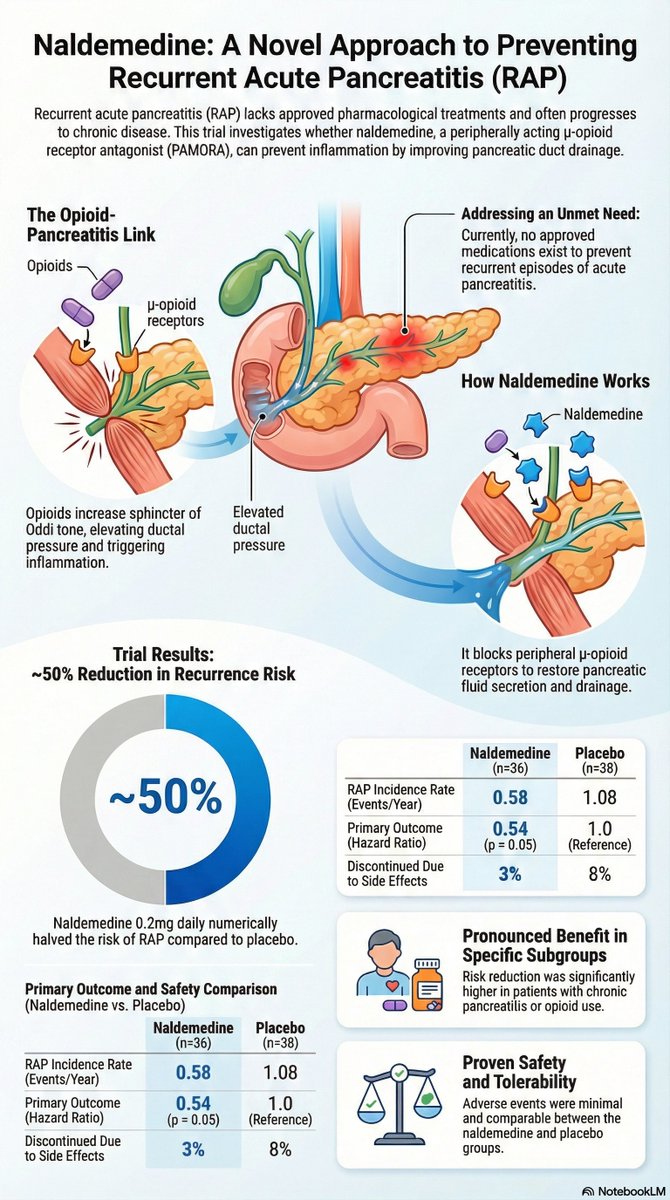
New RCT in @UEGJournal offers new hope to patients with recurrent acute pancreatitis, with Naldemedine, a peripherally acting μ‐opioid receptor antagonist (PAMORA), shown to reduce attacks by nearly 50%.
https://t.co/GBKqN7S7rN
Meta-analysis and trial sequential analysis of pancreatic stump closure using a hand-sewn or stapler technique in distal pancreatectomy
🌷https://t.co/p9NYgAopir
Ann Hepatobiliary Pancreat Surg 2024;28(3). Shahin Hajibandeh
#PancreaticStump#StaplerClosure#HandSewnClosure
Ventilation–Perfusion (V/Q) Mismatch: From Shunt to Dead Space” 🫁
🔸️The (V/Q) ratio describes the relationship between the amount of air reaching the alveoli (ventilation, V) and the amount of blood reaching the alveoli through pulmonary capillaries (perfusion, Q).
✅️
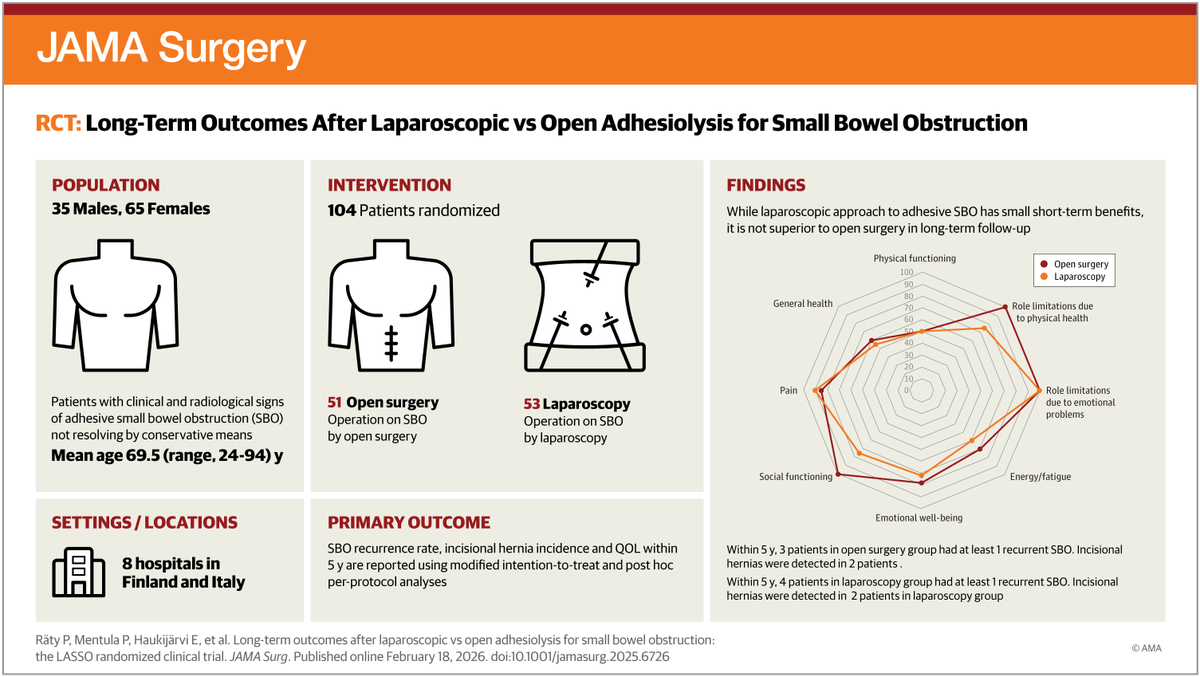
Laparoscopic adhesiolysis for #SmallBowelObstruction was not superior to open surgery for long-term recurrence, incisional hernia incidence, or quality of life at 5-year follow-up, confirming both as viable options.
https://t.co/TdzKDMWDMe
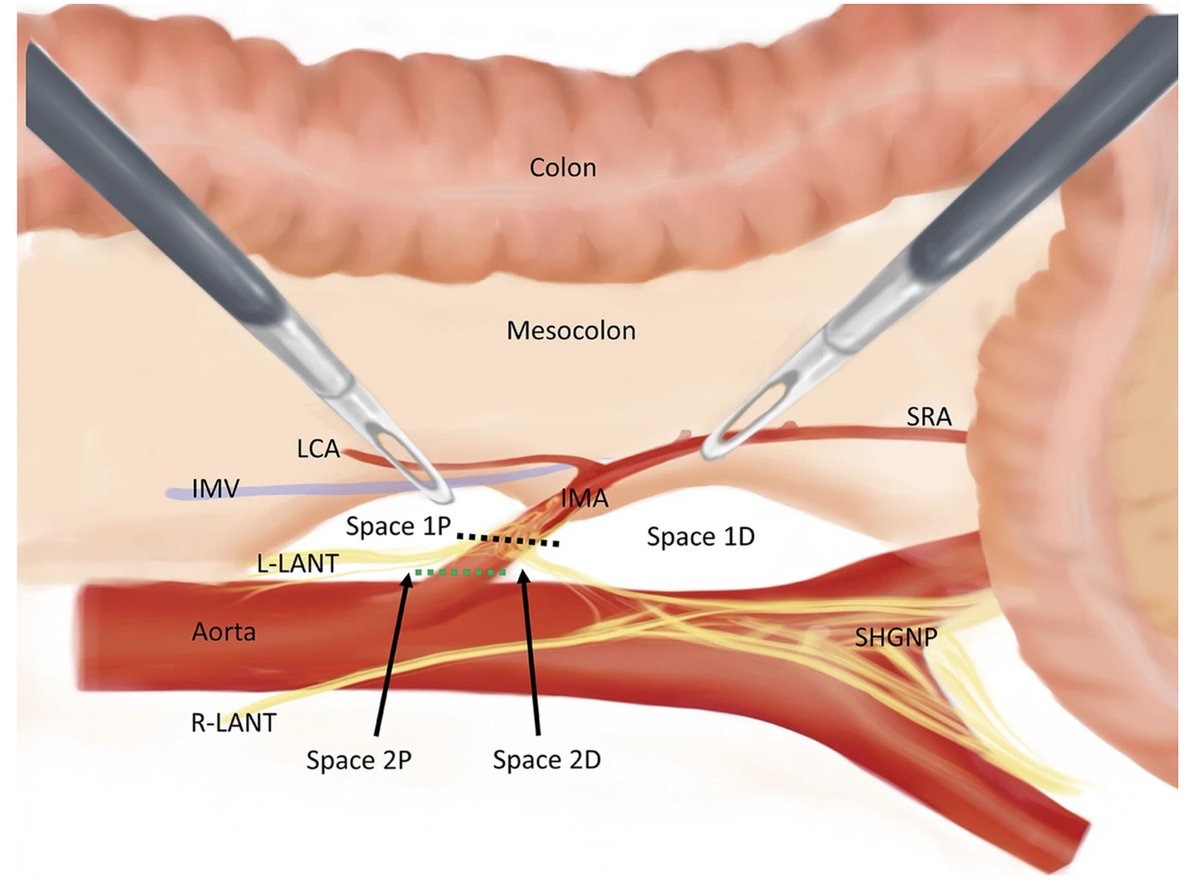
JSES IllustCon 85
📌Ta/Tp PE : Anatomy Through the Perineal Lens
📝At our department, transanal and transperineal pelvic exenterations (Ta PE and Tp PE) are performed by two teams: abdominal and perineal. This illustration shows the right pelvic side from the perineal approach.
🖊Nonaka Yukiko
#JSESイラストコンテスト #JSES_illustration_contest