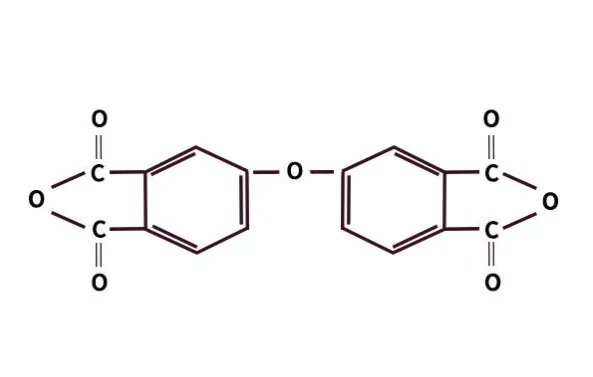
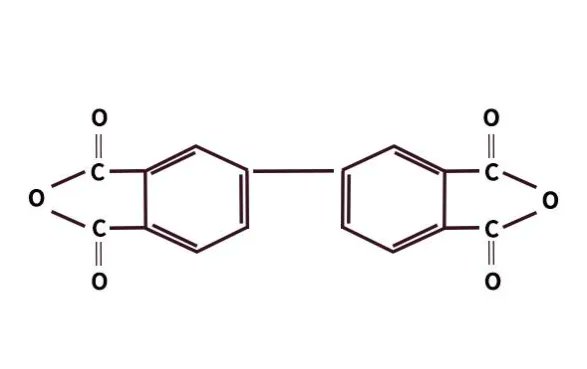
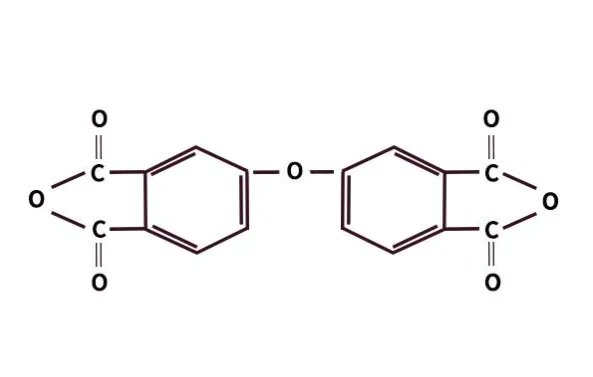
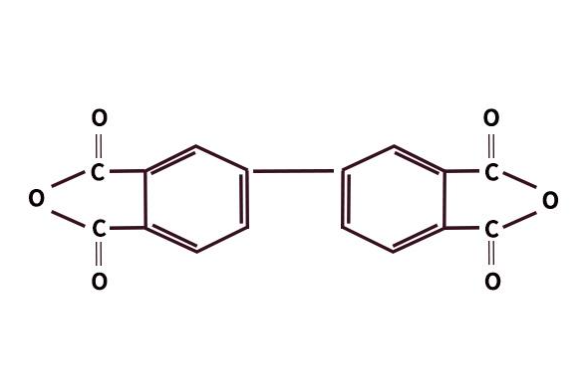
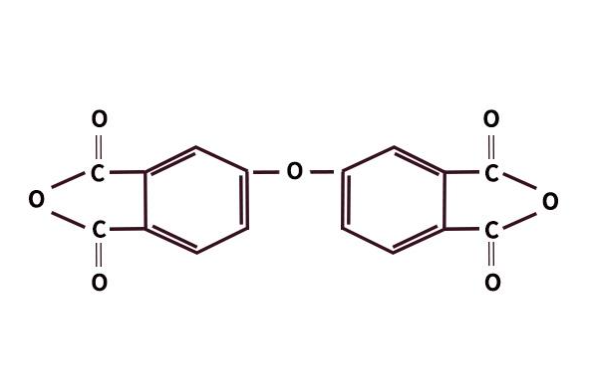
ODPA is a solid, melts in the range of 225-229 °C, offering a greater degree of flexibility than other commercial dianhydrides. It also is somewhat less reactive than BTDA. ODPA has largely been used in polyimides and much less so in epoxies.
#Medicine#Pharmaceutical
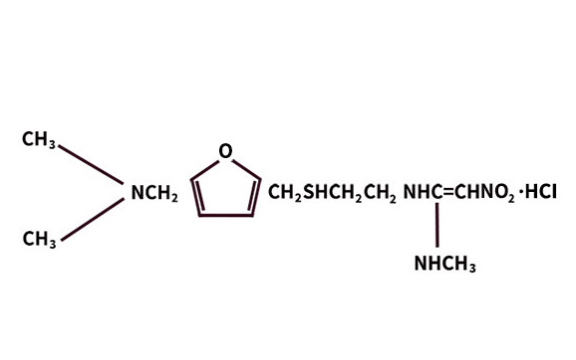
Ranitidine base
Chemical Name: N-[2-[[5-[(Dimethylamino)methyl]-2-furanylmethyl]thio]ethyl]-N'-methyl-2-nitro-1,1-ethenediamine (Anhydrous)
Classification: Organic base
Molecule: C13H22N4O3S
Molecule Weight: 314.41
#Medicine#Pharmaceutical#DrugDiscovery#apimanufacturing
ODPA is a solid, melts in the range of 225-229 °C, offering a greater degree of flexibility than other commercial dianhydrides. It also is somewhat less reactive than BTDA. ODPA has largely been used in polyimides and much less so in epoxies.
#Medicine#Pharmaceutical
ODPA is a solid, melts in the range of 225-229 °C, offering a greater degree of flexibility than other commercial dianhydrides. It also is somewhat less reactive than BTDA. ODPA has largely been used in polyimides and much less so in epoxies.
#Medicine#Pharmaceutical
Ranitidine base
Chemical Name: N-[2-[[5-[(Dimethylamino)methyl]-2-furanylmethyl]thio]ethyl]-N'-methyl-2-nitro-1,1-ethenediamine (Anhydrous)
Classification: Organic base
Molecule: C13H22N4O3S
Molecule Weight: 314.41
#Medicine#Pharmaceutical#DrugDiscovery#apimanufacturing



![HailiCo's tweet photo. Cystolfur base
Chemical Name: 2[[[5-(dimethylamino)methyl-2-furanyl]methyl]thio]ethanamine
Classification: Amine compounds
Molecule: C10H18N2OS
Molecule Weight: 214.33
#Medicine #Pharmaceutical #DrugDiscovery #apimanufacturing #drugintermediates #intermediatedrugs https://t.co/AstKU3aOsp](https://pbs.twimg.com/media/FsR0uUkWcAEGkx1.jpg)
![HailiCo's tweet photo. Ranitidine base
Chemical Name: N-[2-[[5-[(Dimethylamino)methyl]-2-furanylmethyl]thio]ethyl]-N'-methyl-2-nitro-1,1-ethenediamine (Anhydrous)
Classification: Organic base
Molecule: C13H22N4O3S
Molecule Weight: 314.41
#Medicine #Pharmaceutical #DrugDiscovery #apimanufacturing https://t.co/ifNWQU5CzO](https://pbs.twimg.com/media/FsCX8NuXwAAAC03.jpg)


![HailiCo's tweet photo. Chemical Name: 2[[[5-(dimethylamino)methyl-2-furanyl]methyl]thio]ethanamine
Classification: Amine compounds
Molecule: C10H18N2OS
Molecule Weight: 214.33
#Medicine #Pharmaceutical #DrugDiscovery #apimanufacturing #drugintermediates #intermediatedrugs #Pharmaceuticalintermediate https://t.co/w8WpAdpdDQ](https://pbs.twimg.com/media/FqWOkVNWYAASMkA.jpg)
![HailiCo's tweet photo. Chemical Name: N-[2-[[5-[(Dimethylamino)methyl]-2-furanylmethyl]thio]ethyl]-N'-methyl-2-nitro-1,1-ethenediamine (Anhydrous)
Classification: Organic base
Molecule: C13H22N4O3S
Molecule Weight: 314.41
#Medicine #Pharmaceutical #DrugDiscovery #apimanufacturing #drugintermediates https://t.co/XM70lWv0oO](https://pbs.twimg.com/media/FqRE3FXWIAAiC5_.jpg)

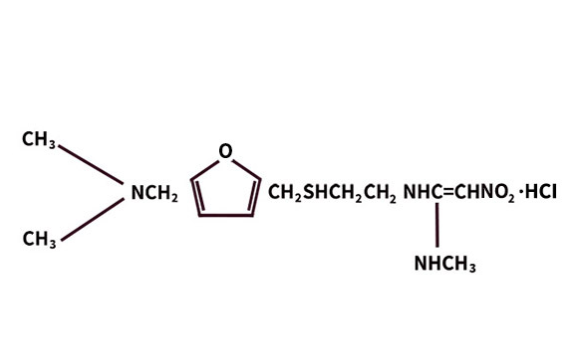
![HailiCo's tweet photo. Cystolfur base
Chemical Name: 2[[[5-(dimethylamino)methyl-2-furanyl]methyl]thio]ethanamine
Classification: Amine compounds
Molecule: C10H18N2OS
Molecule Weight: 214.33
#Medicine #Pharmaceutical #DrugDiscovery #apimanufacturing #drugintermediates #intermediatedrugs https://t.co/60uB1CtjPJ](https://pbs.twimg.com/media/FogUVPJX0AI8FQ6.png)
![HailiCo's tweet photo. Ranitidine base
Chemical Name: N-[2-[[5-[(Dimethylamino)methyl]-2-furanylmethyl]thio]ethyl]-N'-methyl-2-nitro-1,1-ethenediamine (Anhydrous)
Classification: Organic base
Molecule: C13H22N4O3S
Molecule Weight: 314.41
#Medicine #Pharmaceutical #DrugDiscovery #apimanufacturing https://t.co/GdpEPEpMWQ](https://pbs.twimg.com/media/FogUKRsXoAE7zYC.png)


