For 7 years, the EU-funded #SIFAZ project has supported 62,000+ smallholder farmers in 🇿🇲 with improved farming knowledge, technologies and advisory services.
Together with our partners @FAOZambia, @CIMMYT, we handed over key tools, technologies and knowledge products to @ZambiaMinistry to ensure these solutions continue benefiting farmers
Participating farmers recorded average maize yields of 3.7 tonnes/ha, compared to the national average of 2.3 tonnes.
#EUinZambia #SIFAZ #DigitalAgriculture #FAO #CIMMYT
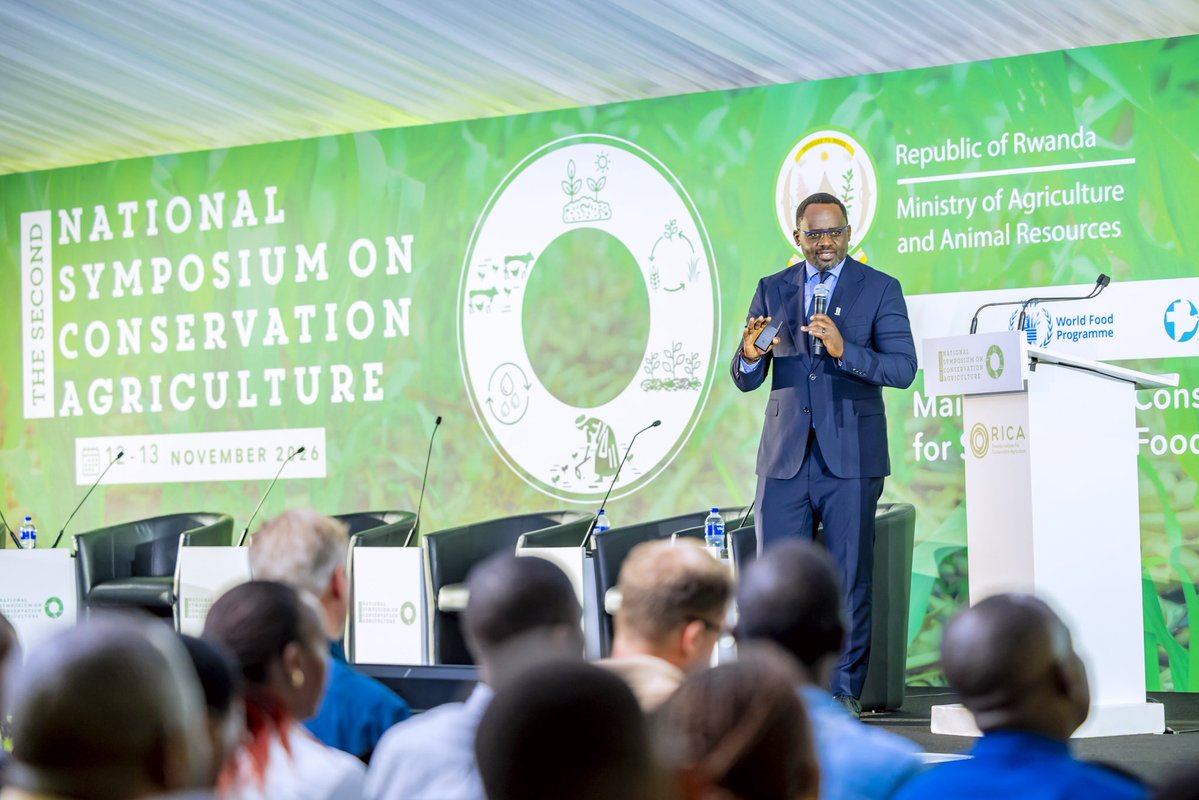
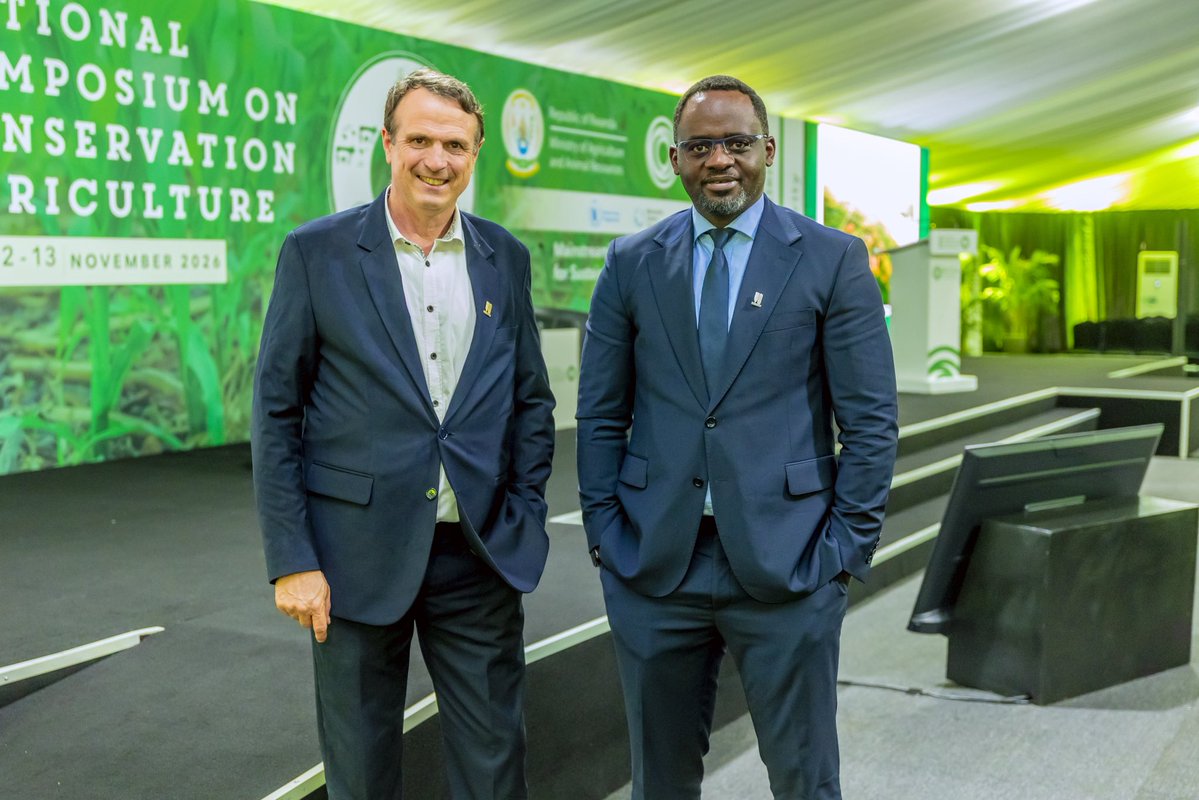
Privileged to join a stellar lineup of speakers to share perspectives on #CA from the work @CIMMYT has been doing over the last two decades in Southern Africa. Fitting to be doing this together with the #CA maestro himself @BusyBeeChris.
Huge appreciation to @RICA_Rwanda for the invite.
#CASymposium2026 - The transformation of agriculture begins with shared knowledge, practical experience, and collective action. On Day 1 of the 2nd National Symposium on Conservation Agriculture, an exceptional group of speakers are leading conversations on strengthening soil health, improving farm productivity, building climate resilience, and accelerating the adoption of sustainable agricultural practices.
Meet the experts from across Africa and USA bringing knowledge, leadership, and fresh perspectives to the symposium happening at @RICA_Rwanda
Livestream: https://t.co/dsddHlqmAt
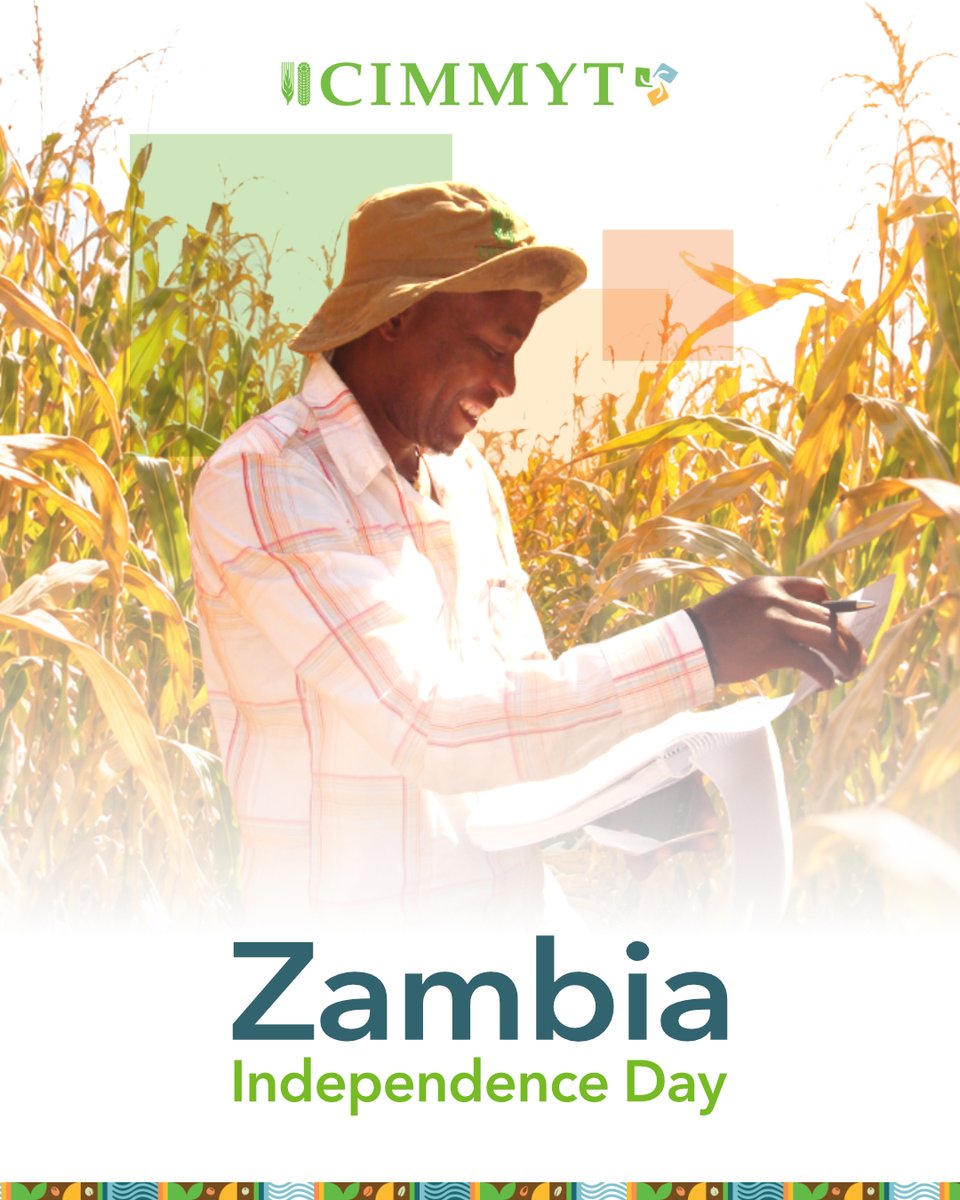
Happy Independence Day, Zambia! 🇿🇲
For over 20 years, CIMMYT has worked with Zambian partners to strengthen agriculture. In 2026, Zambia approved four sustainable farming technologies after years of collaborative research.
Every three years, agricultural economists from around the 🌍 meet to discuss matters pertinent to Africa’s development.
This year’s 8th African Congress of Agriculture Economists in Nairobi under the theme ‘Smart Agriculture: Digital Transformation and Trade for a Climate-Challenge Africa’ did not disappoint.
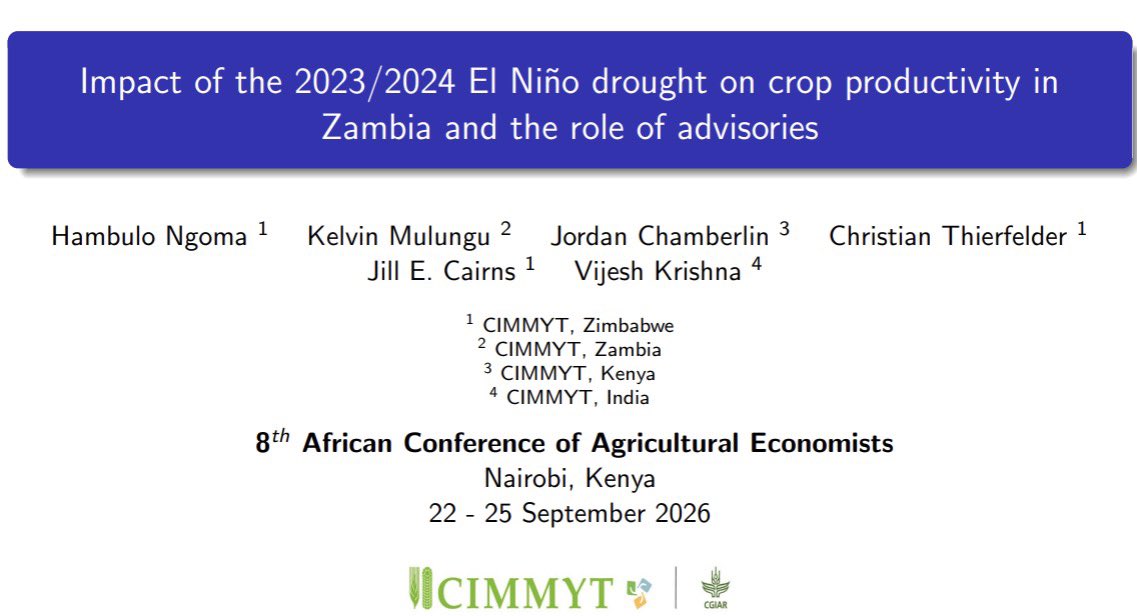
Great sessions and networking opportunities. Happy to present our work on the impacts of the 2023/2024 El Niño-induced droughts in 🇿🇲
Heading to the #ACAE this week in Nairobi w @CIMMYT colleagues @luckywinner1, @esausimu & @kmulungu.
Kudos to @afraaecon for such an interesting and broad agenda centered around building resilient Agrifood systems in Africa https://t.co/hYZFG4OkQo
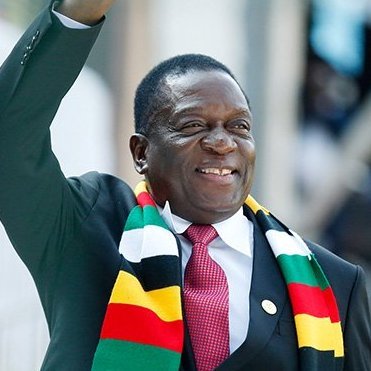
📢 📢: HOTP: New paper led by @CIMMYT’s Micheal Euler w @mainassara_z, @jcairns77 & HN assesses the heterogeneous effects of stress-tolerant maize on productivity and food security in Zimbabwe 🇿🇼.
▶️ moderately +ve yield effects, timely given El Niño
https://t.co/HUQcUvubAn
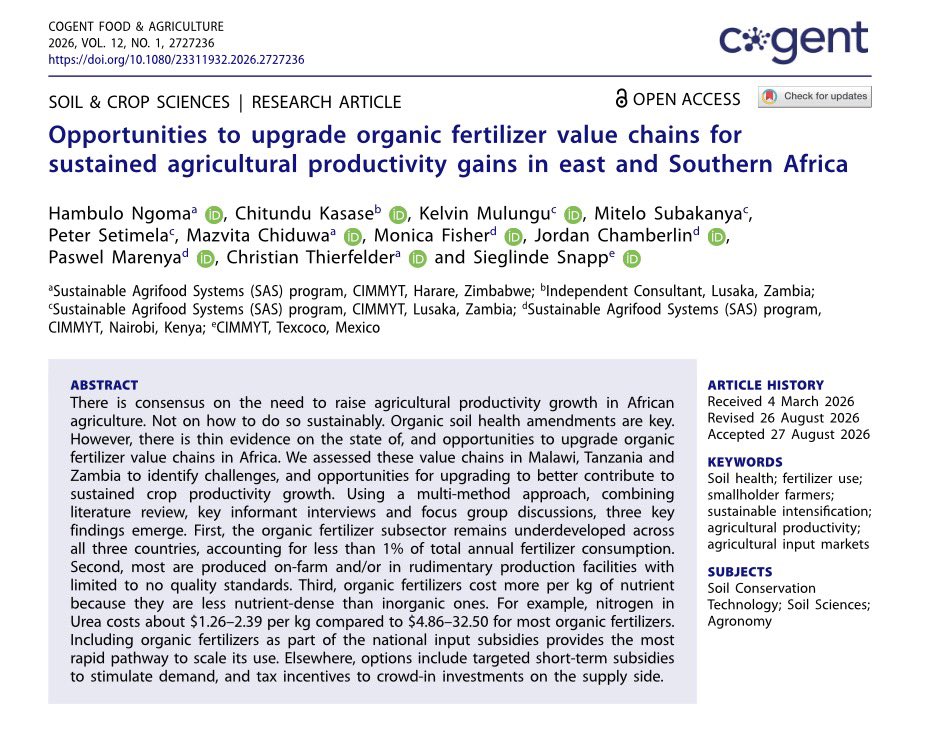
HOTP📣 📢: Opportunities to upgrade organic fertilizer value chains for sustained agricultural productivity gains in east and Southern Africa
1/n https://t.co/4pD29BQiMA
In the wake of the Africa Fertilizer and Soil Health summit in 2024, soil organic amendments are top priority to improve input use efficiency. Use of inorganic & organic is key, but the state of organic fertilizer value chains remains unknown.
We address this in a new 📝
Timely publication from @kmulungu, #ZephaniaNyirenda#BrendaNakamba & @HambuloN
Simply amazing work👏🏿👏🏿 👏🏿👏🏿
Zambia experienced a bad El Niño drought in the 2023/2024 season. In this new paper, authors estimate how this drought affected crops differently and the overall effect at the national level. Their paper provide important ways to help the country cope as an even more severe El Niño is expected this 2026/2027 season.
Read more at: https://t.co/Acl8Ii3rs0
@DebisiAraba@mfregene77 Insightful piece from @mfregene77 . African agriculture does not need just another demonstration, think system approaches - connecting upstream and downstream agriculture value chain nodes.
📢 📢 HOTP: New 📝 led by @CIMMYT’s @kmulungu estimates crop specific impacts of the 2023/24 El Niño drought on crops in 🇿🇲. This is timely given the projected El Niño for the 2026/27 season.
Nuances emerge:
1/n: ▶️ There is substantial heterogeneity in crop resilience
5/n: ▶️ So What?
➡️ For crop insurance, crop-specific indices or composite indices would help reduce basis risk
➡️ Crop specific advisories and early warning are essential rather than generic ones.
➡️ Seasonal forecasts should help tailor crop-specific advisories