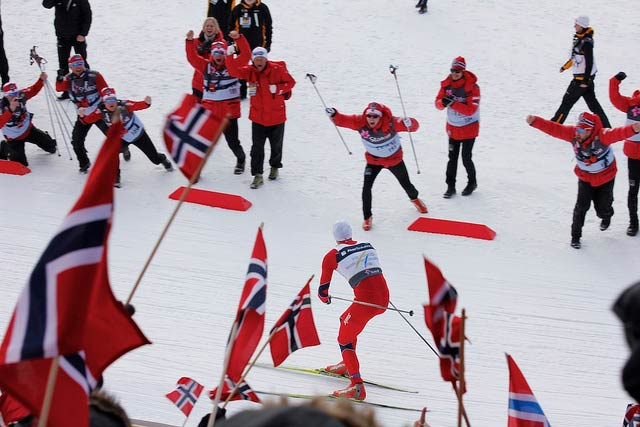
@tino_kostaja@OttoMeri Jos käy joskus kauniina talvipäivänä vaikkapa Nordseterin ja Hafjellin tunturialurilla katsomassa meininkiä, niin avautuu aika hyvin, miksi Norja tulee karkaamaan meiltä käytännössä kaikissa sellaisissa lajeissa, joissa fyysisellä suorituskyvyllä on merkitystä.
@minjakoskela@JaniMakelaFi Lopettaaka nyt jumalauta tuo hiekkalaatikkoleikki ja alkakaa tehdä sitä, mitä varten teidät on eduskuntaan valittu! Teidän kuuluisi olla siellä ajamassa Suomen etua,ei omaa ja puolueenne etua.
@vrantanen Eipähän nuo hallituksen päätökset ole enää aikoihin perustuneet mihinkään faktatietoon saati kunnollisiin tausta-analyyseihin. Eli siinä mielessä ihan linjassa.
Norway consistently wins the most medals at the Winter Olympic Games, with a population of just 5.6 million people.
A big part of their success is how they treat youth sports—and it’s the opposite of what we do in the US. Here’s what we can learn from Norway:
1. Scorekeeping:
In the US: Youth sports tend to be hyper competitive even at early ages. Leagues almost always keep score.
In Norway: Scorekeeping isn’t even allowed until age 13.
Removing winners and losers keeps the focus on the process not outcomes. It keeps kids engaged longer because it minimizes pressure (and tears) and maximizes fun, learning, and growth. The goal isn’t to win a third grade championship. It’s to love sport and keep playing.
2. Trophies:
In the US: If you give everyone a trophy, you’re creating snowflakes who will never gain a competitive edge.
In Norway: Whenever trophies are awarded, they are handed out to everyone.
If getting a trophy makes young kids feel good, we should give them trophies. Maybe they’ll come back and play again next year!!
As for the creation of snowflakes with no competitive edge—Norway’s athletes are tough as nails and all they do is win.
3. Prioritizing Fun:
In the US: Far too often, the goal is to win.
In Norway: The national philosophy is “joy of sport.”
Youth sports in the US are driven by adults, ego, and money. Youth sports in Norway are driven by fun.
Only half of kids in the US participate in sports. The number one reason they drop out: because they aren’t having fun anymore. In Norway, 93% of kids participate in youth sports. Fun is the foremost goal.
4. Playing Multiple Sports:
In the US: There’s pressure to specialize early and play your best sport year round.
In Norway: Try as many sports as you can before specializing as late as college.
Norway encourages kids to try all types of sport. This reduces injury and burnout and increases all-around athleticism. It also helps promotes match quality, or finding the sport you are best suited for as your body develops, which is impossible if you commit to a single sport too early.
5. Affordability
In the US: There is increasingly a pay-to-play model with high fees for leagues, equipment, and travel. This excludes many kids from playing.
In Norway: It’s a national priority to keep youth sports affordable and therefore accessible for all.
Kids aren’t priced out, which creates opportunities for everyone to participate (and develop into athletes), regardless of their parents’ income level.
We could learn a lot from Norway:
In the US, 70% of kids drop out of youth sports by age 13. This not only diminishes an elite-athlete pipeline, but it also destroys an opportunity for healthy habits and all the character lessons kids can learn from sport.
In Norway, lifelong participation in sport is the norm. The goal isn’t to have the best 9U team. It’s to develop the best athletes. Those are two very different things. And Norway has the gold medals to prove it.
@VirkkunenVesa No eihän se onnistu. Norja jyrää kabinettipelissä ja Fisille riittää, että muut roikkuvat tuloslistan täytteenä. Vielä kun on alettu kaiken maailman vuorohiihtoalueita sirottelemaan perinteisen radoille, niin ollaan kyllä totaalisen metsässä.
Jarkko Wiss tuumasi Lausanne-pelin jälkeen, että nyt ei voida lähteä Selhurst Parkille takki auki. Eivät lähteneet. Kertakaikkiaan uskomaton suoritus, onnea @KuPS1923 !
@tino_kostaja Kyllä, toimitsijahommissa. Ei muuten ollut väliaikalähtö, vaan yhteislähtö. Oli silti mahtava formaatti, 6×Puijon kymppi. Harmi että jäi Suomessa dopingkohun alle kokonaan.
@tino_kostaja Presiis näin. Nyt tietää jo hyvissä ajoin ennen maalia, kuka kisan vie. Tällä menolla kv. hiihto kulkee tuhon tietä, ei tule löytymään sponsoreita, jos vaan yksi maa saa ukkoja pallille ja viesteissä on 5 maata mukana. Mutta kyllä ne siellä FISissä osaa, suottapahan myö näitä...
@yleurheilu On tämä ihme veivausta. Kai sen nyt jo nämä korruption mädättämät urheilujohtajatkin voisi tunnustaa, että urheilu ei ole puolueetonta millään mittarilla. Ja kaikki valtiot, jotka ei pysy rajojensa sisällä, pitäisi bannata kv urheilusta ilman mussutuksia.
@PekkaKirvesmies No se tulee siitä, että karsinnan voittajalle tulee näin paras paikka valita oma erä. Sekä ylä-että alakaavioon taatusti paikka vapaana ja ehtii nähdä kovimpien vastustajien valinnat.
Onko @iltasanomat ja @iltalehti_fi toimittajat todella näin kuutamolla vai onko tahalliset asiavirheet keino saada klikkejä? Molemmissa aviiseissa puhutaan Vantaan Suomen Cupin viestistä SM-viestinä. Joskus oli aika, jolloin faktojen oikeellisuudella oli vielä merkitystä...
Lasten harrastemaksut on tänään puheena @Savon_Sanomat paneelissa & lehdessä. @iljavenalainen ravisteli urheiluseuroja kustannusrakenteen piilottelusta ja tulojen maksimoinnista niin, että piti kirjoittaa vastine. En tunnista sitä @KuoSu1948’n toiminnassa
https://t.co/foEEtQFvy5