Living systems operate nonequilibrium processes across many scales in space and time. Is there a model-free way to bridge the descriptions at different levels of coarse-graining? Here we find that preserving the evidence of time-reversal symmetry breaking works remarkably well!
Check out our new paper which describes large scale 3D simulations of M xanthus colonies. We recapitulate many features from experiments and learn some new things as well! https://t.co/rZBOb8U9Jd
Finally got this paper out! It was a challenging journey, but an enriching and enjoyable project. I learned so much from my collaborators and colleagues, and I deeply appreciate everyone who supported me throughout the process.
https://t.co/dMlcOQKRfK
How do bacteria grow and move in large groups where cells appear adhered to each other but can move freely? Using capillary forces from thin layers of water! Check out our new preprint with Matt Black, Chenyi Fei, @RicardAlert and Ned Wingreen: https://t.co/DN1SUQh9xb
What does diffusion look like in the crowded bacterial cytoplasm? Is it as weird as people say? Check out our new preprint on 3D tracking of GEMs in live E. coli from @dsvalverdem and @AlpSunol! A fantastic experiment-theory collaboration with @TheZiaLab. https://t.co/H5h12RSKYP
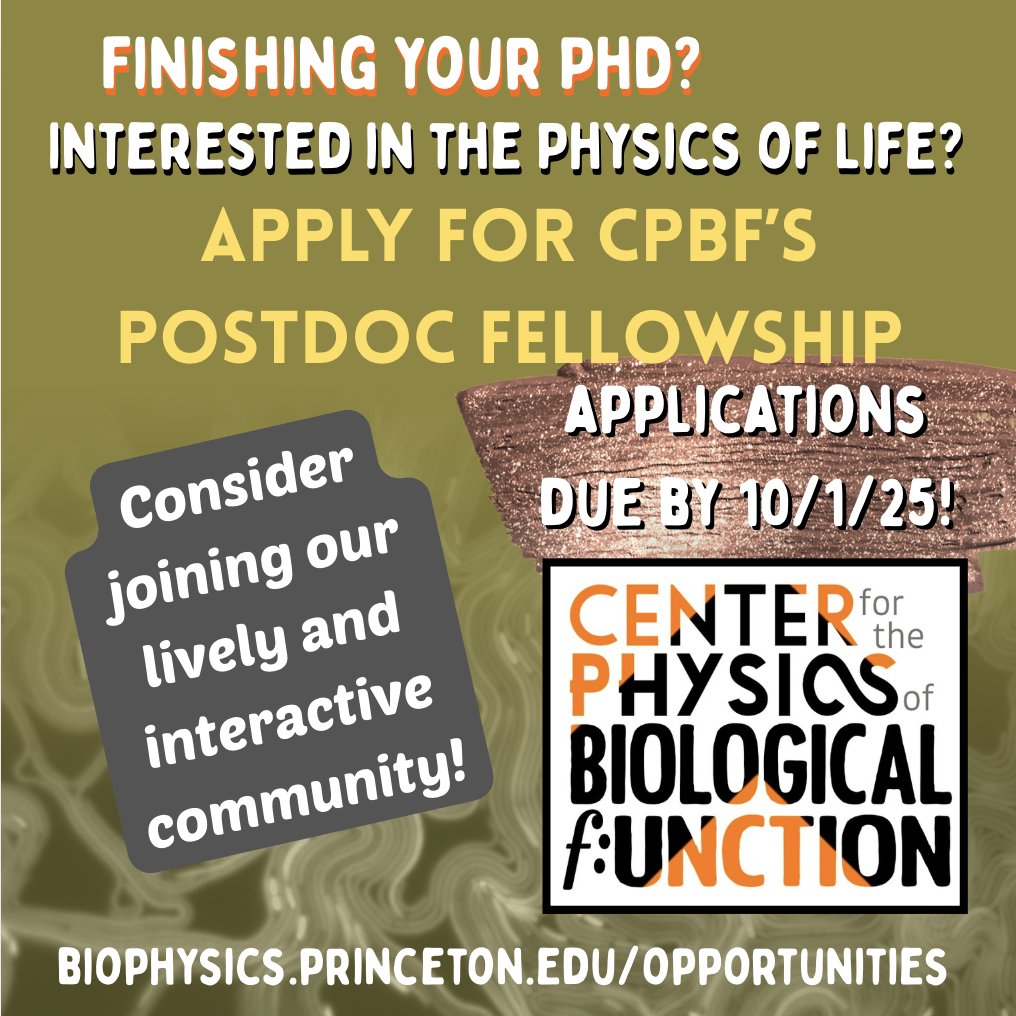
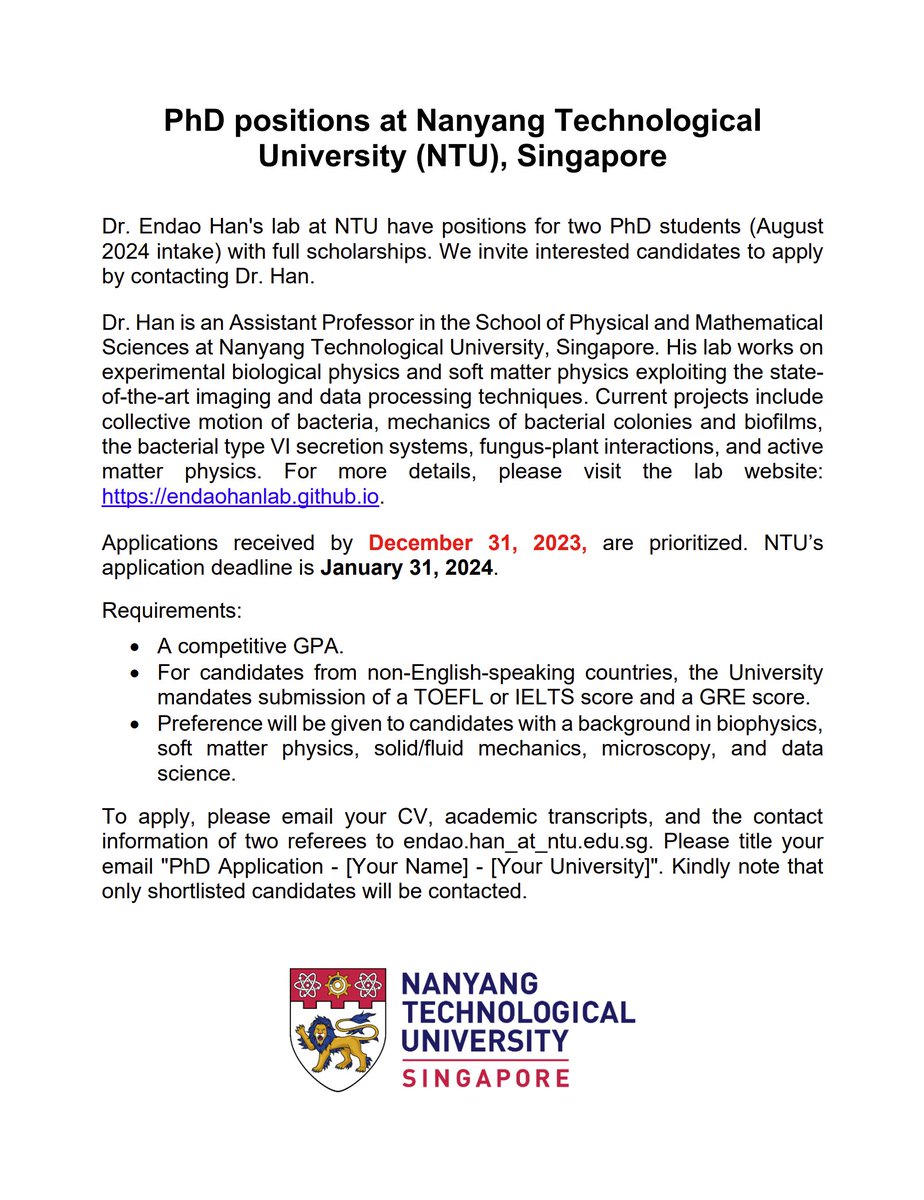
I am looking for two PhD students interested in experimental biological physics. We are working on a wide range of interesting problems at the interface of physics and biology. Please help spread the message. Thank you!
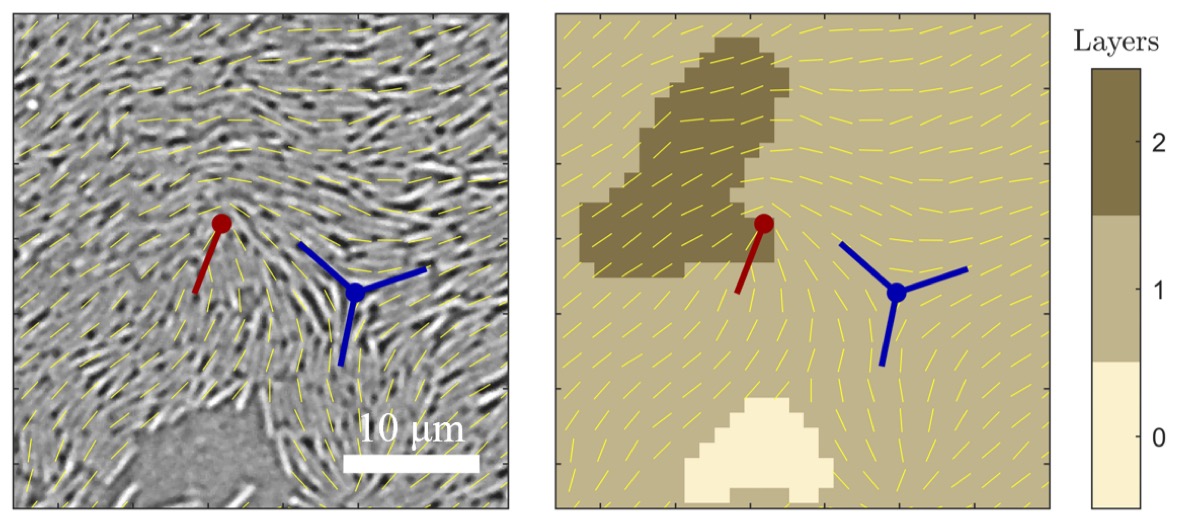
Very proud of this work with a great collaboration involving exceptional young physicists. Check out our new preprint (and Ricard's excellent summary) on the link between local cell polarity, traction force, and layer formation in Myxococcus xanthus!
📢 New preprint! How do cells form new layers? In colonies of the motile bacterium Myxo, we find that layer formation is triggered by very strong fluctuations in traction forces. They are an order of magnitude larger than the average!
https://t.co/YAQi3jgNW4