Over 100 interactive science exhibits for 2-year-olds through PhDs. The Tullahoma place for birthday parties! Member of the ASTC Passport Program. #STEM 🔬
#WhyWednesday
Why is space silent? Even if you tried to scream in space, no one would hear you; why is that? Space is a vacuum, which means it has no matter. Sound waves cannot travel without matter to travel through, so there is no noise in space.
#MissionControlMonday
This week we are learning about all kinds of reptiles and amphibians, including ones you can find in your own neighborhood! Campers will work this week to research and replicate a snake of their choice!
#MissionControlMonday
This week we're learning all about sea turtles and how pollution affects them. Our science campers are working on something special to celebrate World Sea Turtle Day this Friday as well!
#FunFactFriday
During the Cretaceous Period, the supercontinent Pangea began to break apart, and the several continents it split into began to drift to their positions in our geography today!
#ThrowbackThursday
The end of the Cretaceous Period is marked by an asteroid hitting the earth, which is believed to have been the cause of the mass extinction of the dinosaurs. This occurred 66 million years ago and hit on what is now called the Chicxulub impact crater.
#WhyWednesday
Why is it called the Cretaceous Period? The word comes from the Latin word for chalk, creta. It is named after chalk because it was during this time that large quantities of chalk rock were laid down in Western Europe.
#TryItAtHomeTuesday
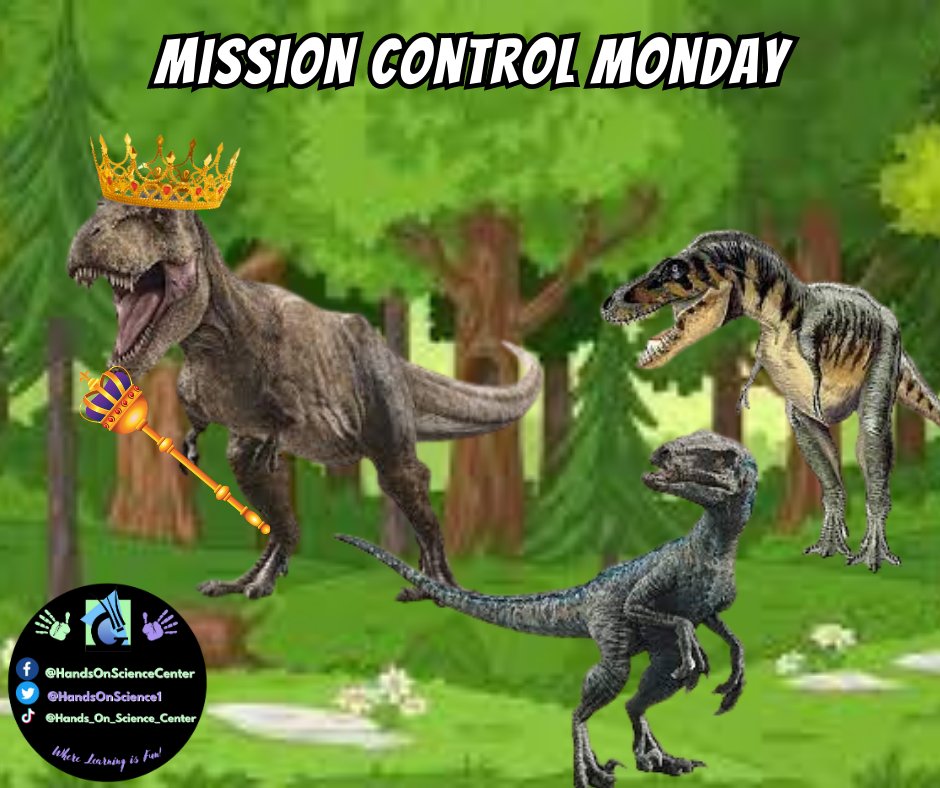
The dinosaurs that lived during the Cretaceous Period included some powerful carnivores, such as the Tyrannosaurus Rex and the velociraptor. Make a ferocious T-Rex of your own!
https://t.co/JbkQNzrejB
#MissionControlMonday
The final week of Dino Days revolves around the Cretaceous Period. This period lasted from 145.5 to 66 million years ago. It is during this period that some of the most well-known dinosaurs, including the Tyrannosaurus Rex, ruled the earth.
#FunFactFriday
The Jurassic period lasted 56 million years, 201.3 million years ago through 145 million years ago.
Pangea had begun breaking up during this time period and North America formed because of this.
The earliest known bird, Archaeopteryx, lived during this period.
In 1877 the first fossils of the very popular Allosaurus were found. Othniel Charles Marsh was a professor of paleontology at Yale and gave the dinosaur its name. Allosaurus lived during the late Jurassic and was one of the most successful and prevalent carnivores of the time.
Why is it called the Jurassic period? The Jurassic period got its name because the first fossils found from the Jurassic time period were found in the Jura mountains in between France and Switzerland. Alexander von Humboldt was the first person to coin the term Jurassic.
#TryItAtHomeThursday
This week we're watching dinos hatch. Make your own dinosaur eggs and hatch them yourselves! Click the link below:
https://t.co/ZJOuODiAj8.
Did you know that navigation is a science! Humans have been navigating and making tools to assist in navigation for as long as we have existed and this week, we're learning all about what makes getting to our destinations so easy: navigation!
#FunFactFriday
The James Webb Telescope is about the size of a bus!
The telescope has 18 gold coated mirrors to reflect infrared light!
The telescope has cameras that are so sensitive they could see the heat signature of a bee.
#TryItAtHomeTuesday
A Nebula is a giant cloud of dust and gas in space that either contributes to star creation or destruction and we're putting one in a bottle tonight! Click below to try this week's...
National Space Day is this Friday May 5th and to celebrate we're learning all about space this week! Don't miss this Friday's free event and ribbon cutting and stay tuned for more space fun all week long!
#FunFactFriday
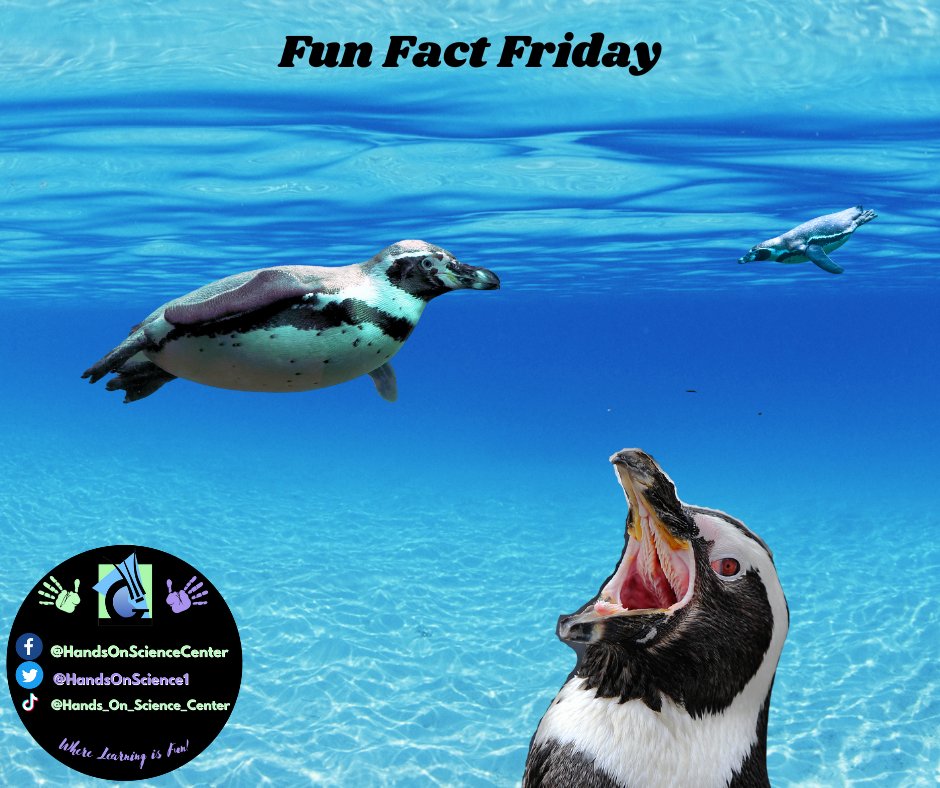
Penguins spend about 75 percent of their time in the water.
Penguins can jump up to 6 feet out of the water and use a technique called porpoising to swim faster.
When needed penguins eat snow to get freshwater, however penguins can drink salt water.
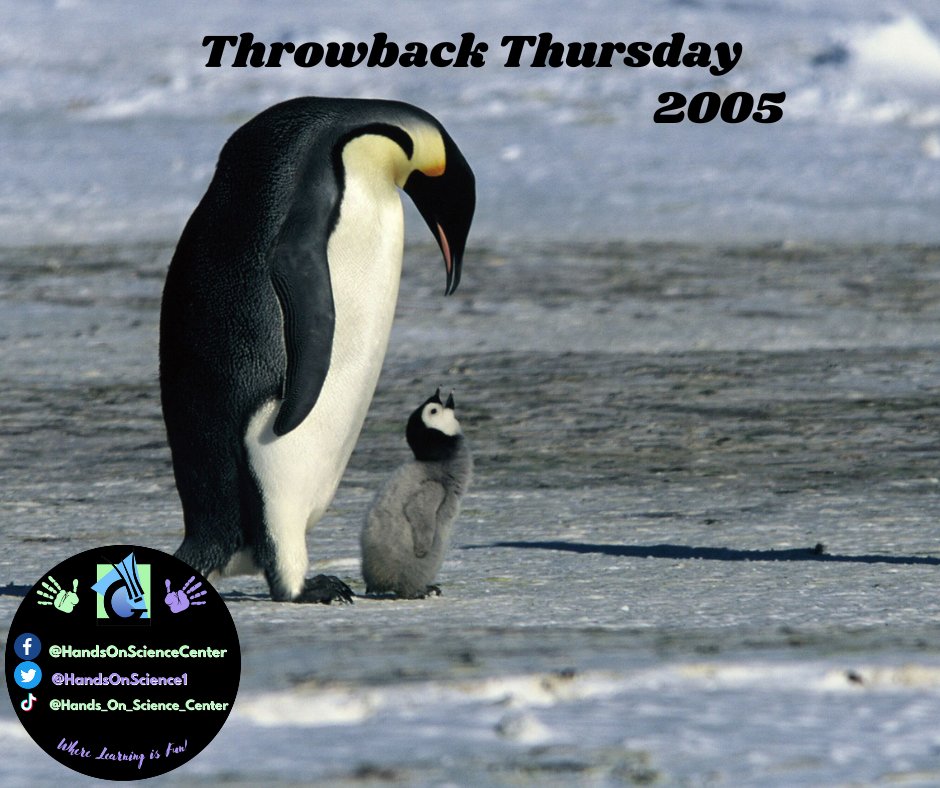
In 2005, the documentary March of the Penguins came out. Not only is this one of the most well known documentaries to have been made it also illustrates many unique struggles, adaptations, and behaviors emperor penguins have.
Penguins have immense amounts of blubber to keep warm and feathers that are covered in a oil that makes them waxy enough to repel water. This week we are going to be demonstrating how this waxy magic works!
Click the link below for the full instructions...