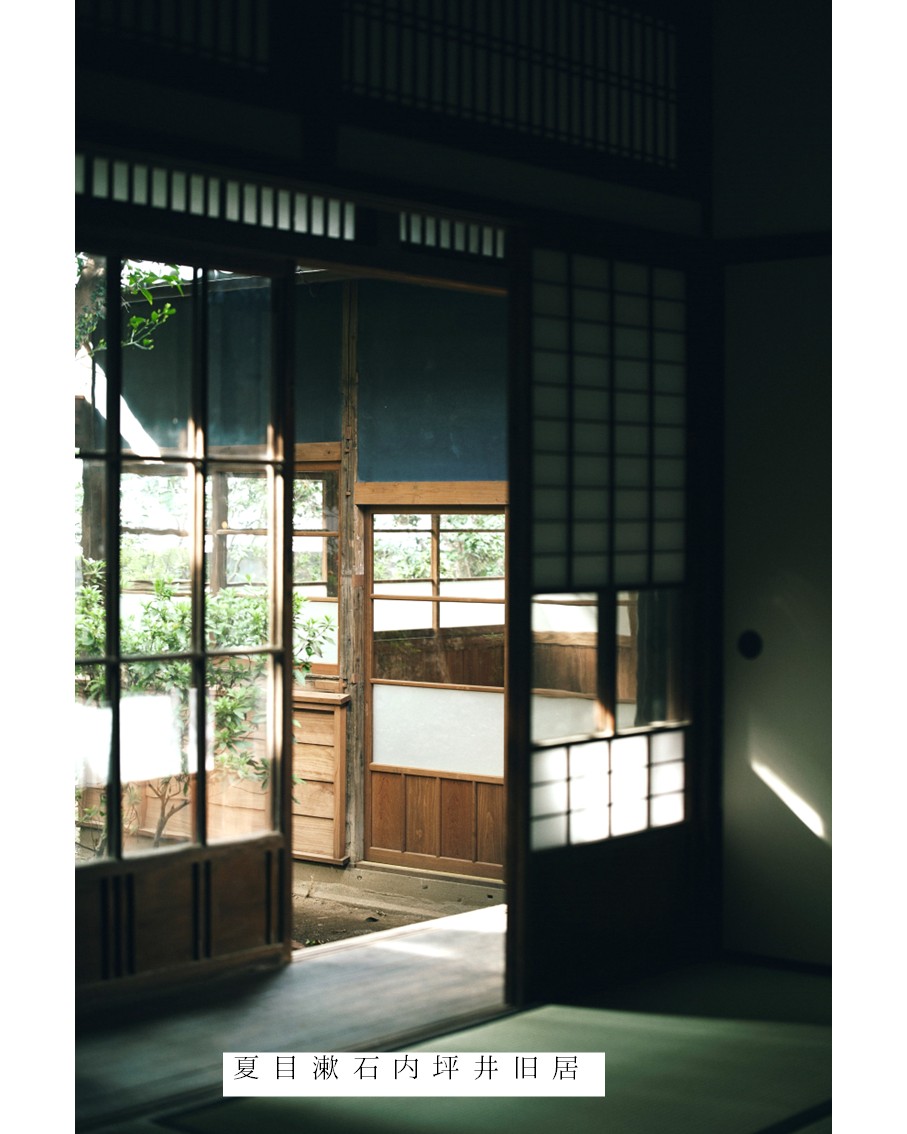
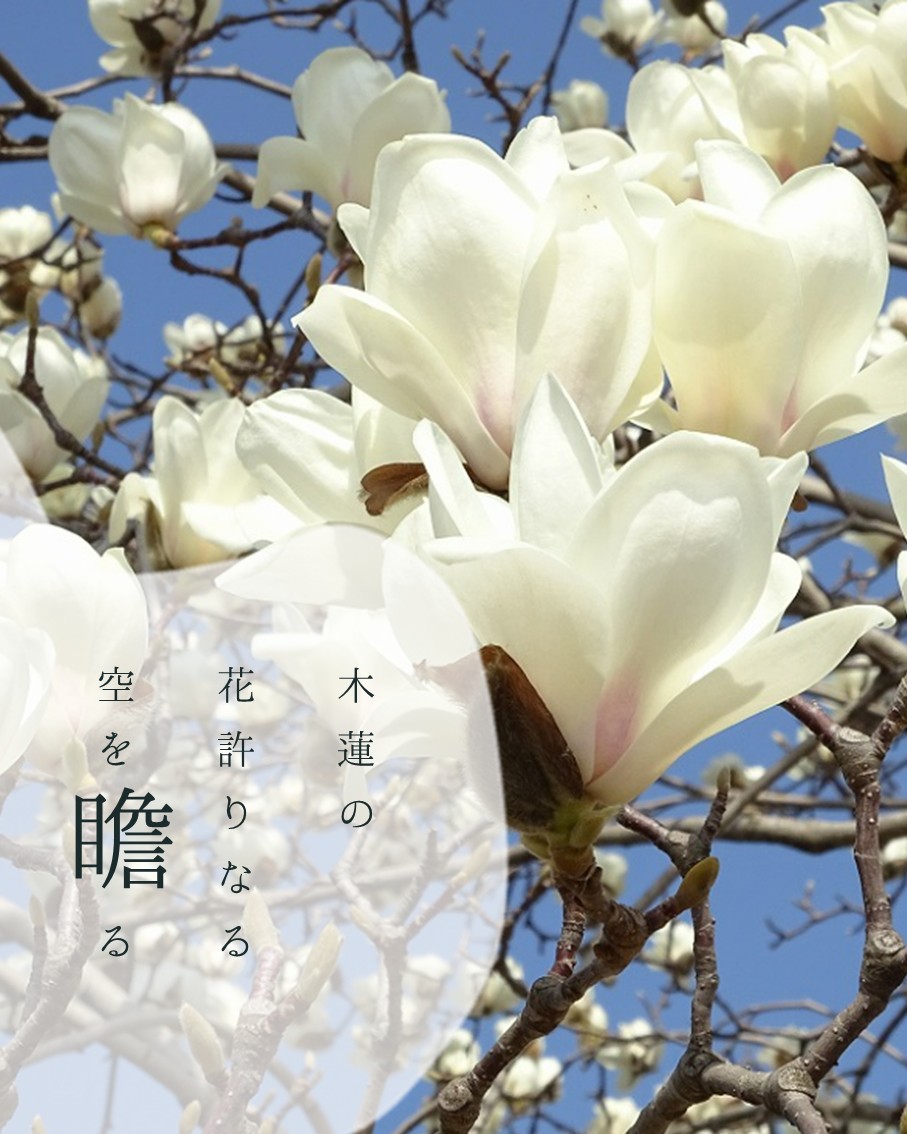
I gaze at a sky filled only with magnolia blossoms. This haiku appears in Natsume Soseki’s novel *Kusamakura*. Though it was not composed during his Kumamoto years, it is introduced here because the novel is said to have been inspired by his
Notice: 100th Anniversary Group Pilgrimage
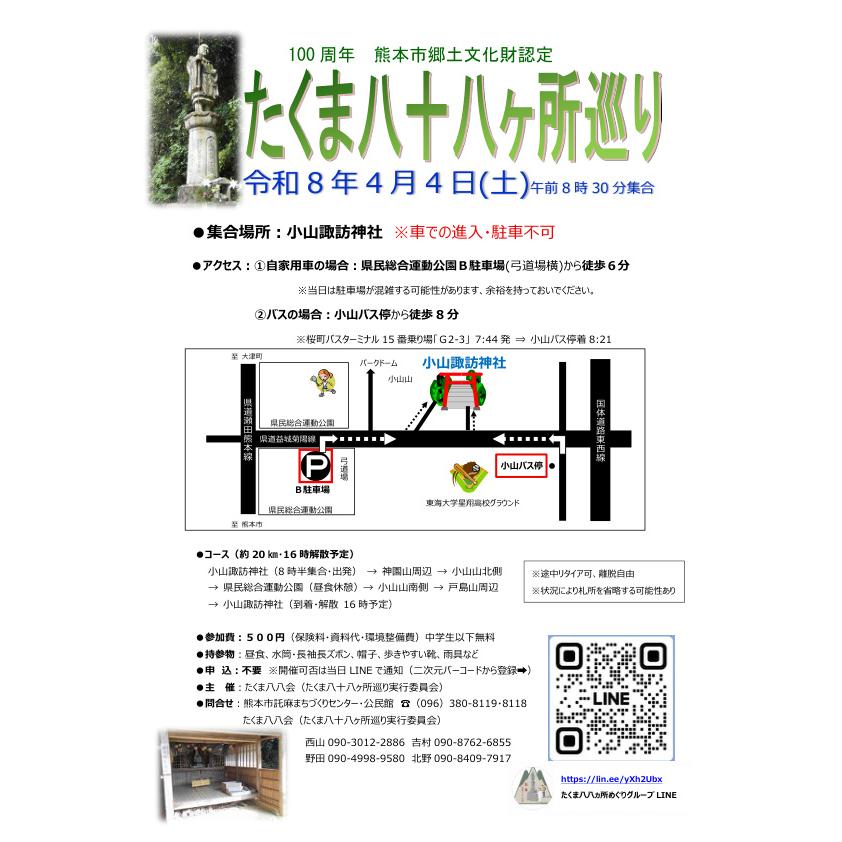
The Takuma Shikoku 88-Temple Pilgrimage marks its 100th anniversary this year. Join us on Saturday, April 4, 2026. Meet at 8:30 AM at Oyama Suwa Shrine.
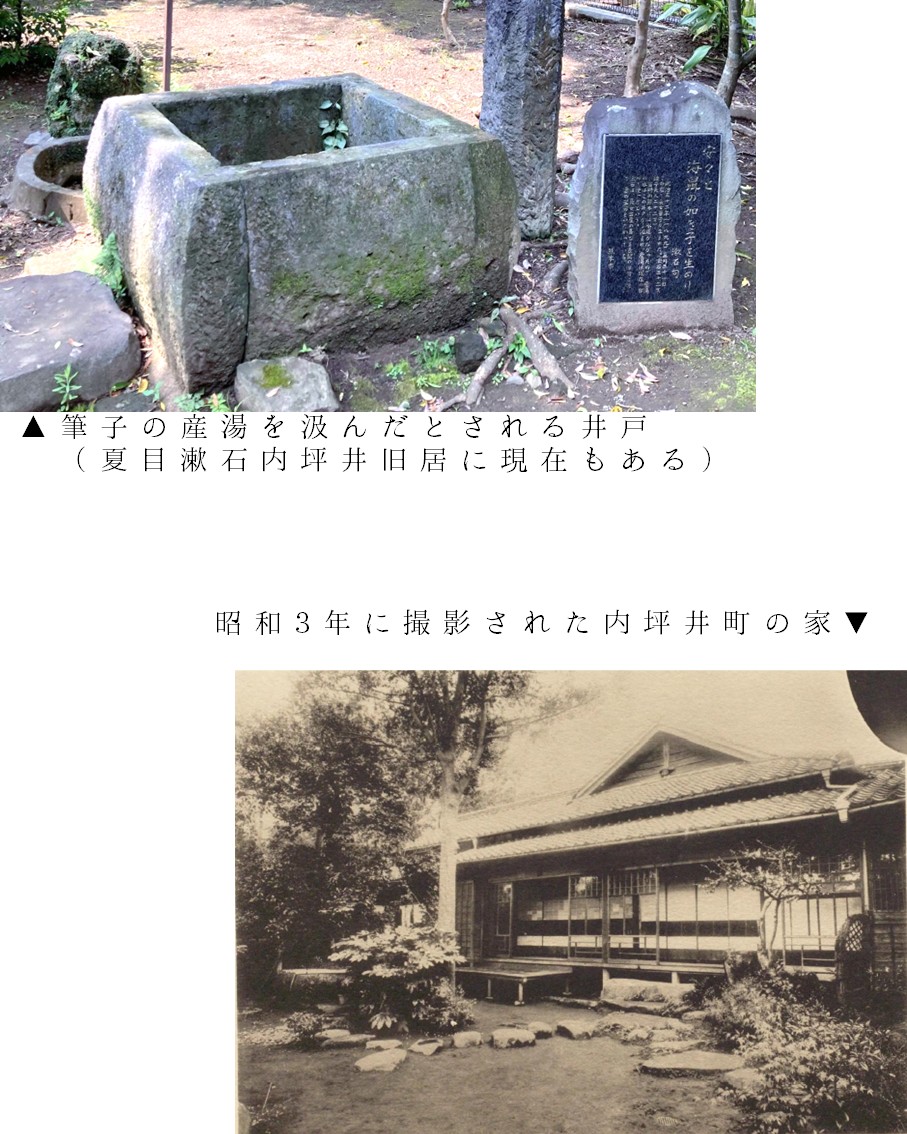
I gave birth with ease to a child like a sea cucumber. Fudeko, Soseki’s eldest daughter, was born May 31. Though “sea cucumber” is a winter seasonal word, he likened the infant to one with the bold leap typical of poet Soseki. Named Fude so she
To mark 130 years since Natsume Soseki came to Kumamoto, we share a haiku he wrote during his time here, along with students’ reflections and photos. A stray cat comes to a mountain temple and falls in love. Its free, instinctive way of living felt
10 Years Since the Kumamoto Earthquake: We are seeking your photos and stories. Share a 200-character story about a moment that moved you after the earthquake, along with a photo. Selected works will be exhibited at the Kumamoto City Museum of
Former Sunatori Hosokawa Residence Garden
Built after the 1871 abolition of feudal domains as a retirement residence for Akikoin (Masu), wife of Hosokawa Narikata. Its stepping stones and pond closely match a 1874 drawing, preserving its original
Celebrating the 100th anniversary of the Takuma New Shikoku 88 Temple Pilgrimage, all sites are now complete with three new locations and the return of Site No. 43 to Oyama 1-chome.
Kinkan Baba, a ghost story passed down in Kumamoto, is said to have a tiny kumquat-like face or carry heaps of kumquats. She runs incredibly fast and may chase you. Visit Kinpozan or Tatsudayama—you might meet her…
Ubumé Spring wells beneath a cliff on Mt. Hanaoka’s north slope. Legend says it was used for newborn girls’ first baths in the Edo period—and for Yokote Goro. Hidden along a path, its hanging leaves create a mystical atmosphere.
Yokoi Shonan, a pioneering thinker of the late Edo era, advised Lord Shungaku and helped drive political reform. After the Meiji Restoration, he joined the new government. His former home, Shijiken, still stands in Kumamoto City.
13th Hosokawa Lord Shokuni to 14th Lord Morihisa
Shokuni inherited the family leadership in 1860 after his elder brother’s early death. In 1869, he returned the domain registers and became governor of Kumamoto. Morihisa succeeded him in 1870,
To mark 130 years since Natsume Soseki came to Kumamoto, we share a haiku from his Kumamoto years. “Plum blossoms on the hill, against a lapis-blue sky. ”
Inspired by it, students photographed Nose-Broken Jizo overlooking Kumamoto—a quiet
Takuma’s New Shikoku 88-Temple Pilgrimage began in 1926, when Tomihachi Ueno, whose illness he believed was cured through faith in Kobo Daishi, established 88 sacred sites across the Takuma Three Mountains with local residents. Today, 84 sites
Spring rain—carrying pots and kettles. In April 1900, Soseki moved to his final home in Kumamoto, near Fujisaki Hachimangu Shrine. It was the only move he chose himself, drawn by its second-floor study. The house was acquired by Kumamoto City in
100th Anniversary! Group Pilgrimage Notice
The Takuma Shikoku 88 Sacred Sites pilgrimage will be held on April 4. Meet at 8:30 AM at Oyama Suwa Shrine. Participation fee: ¥500. No advance registration required.