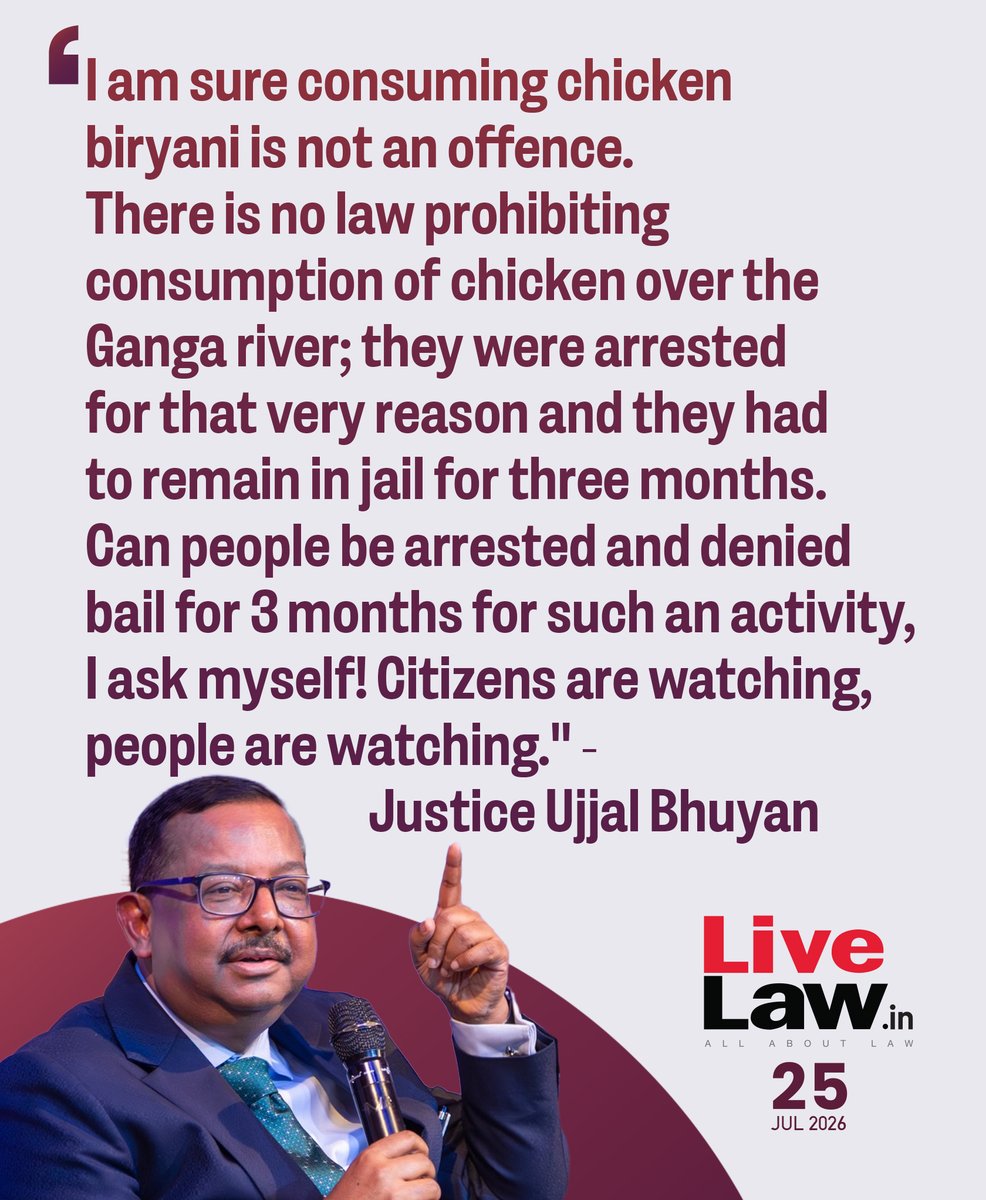
@Mandrakealive@LiveLawIndia@DelhiPolice No law ....if you even try to reason with any police officer the answer will be jyada neta mat bano,hosiyar mat bano
@abhijeet_dipke This protest must be about police and judiciary reforms, why every complainant face harrasment by police when to register every report, this country treat and harass complainer like a terrorist, my complaint is pending on biggest national cyber crime portal since 6 months.
@SauravDassss And whoever gets arrested suing power must be given to people to sue the government department and the officer involved, body cam must be applied , every Mp support constitutional amendment to bring this into parliament. Why not police reform.
ये मोहम्मद इरफ़ान हैं, इन्हें औपचारिक शिक्षा नहीं मिली।
दिल्ली की एक झुग्गी बस्ती में रहते हैं, ये भी जंतर-मंतर पर हुए आंदोलन का हिस्सा थे लेकिन लोगों तक इनकी आवाज़ शायद पहुंच नहीं सकी,
लोकतंत्र पर इनकी बात एक बार ज़रूर सुनिए।
Every year, India runs a severe psychological experiment on millions of 17-year-olds.
Before anyone says "states have rights"—this isn't about state autonomy. It’s about how Standardized Sacrifice without structural balance creates deep generational bitterness among our youth.
Policy cannot just be about seat matrices on paper. It must account for the human cost—thousands of brilliant young minds left deeply alienated and bitter every single year.
If we demand a uniform struggle from our youth, we owe them a fair and empathetic system. 🇮🇳
This isn't an attack on any category or state—it’s a call for structural reform:
Scale government medical seats in high-competition states.
Expand the central AIQ pool to 30–50%.
Standardize national healthcare service corridors so doctors can serve anywhere.
You cannot ask a 17-year-old to respect a system where administrative geography overrides raw, backbreaking effort.
When we unify teenagers during their suffering but divide them at the finish line, we teach an entire generation that fairness is a myth before adulthood.
Critics will say: "That's why the 15% All India Quota (AIQ) exists!"
Except AIQ cutoffs are exceptionally high across the board. A 15% pool is a tiny safety valve for an avalanche of high-scoring candidates trapped by their home state's severe seat deficit.
To be clear: State quotas exist for valid reasons—state tax funding, local healthcare bonds, and regional language needs.
The flaw isn't local state quota—it’s that central policy enforced a single national test paper without equalizing seat ratios across states first.
When a student misses a seat by 5 marks, they blame themselves: "I should have studied harder."
But when a 610 scorer in a seat-deficit state gets rejected while a 530 in another state secures a government MBBS seat, self-reflection turns into pure, righteous fury.
Students spend 2–3 formative years living side-by-side in hostels—sharing meals, stress, and mock test scores. They view each other as peers on a level playing field.
Then results drop, and state borders/domicile rules break those bonds apart in a single day.
"One Nation, One Exam" builds a simple promise in a student's mind: Equal effort yields equal opportunity.
• Same NCERT textbooks
• Same 14-hour study days
• Same coaching test series
• Same national test paper
The inputs are 100% uniform. The finish line is broken.
Every year, India runs a severe psychological experiment on millions of 17-year-olds.
Before anyone says "states have rights"—this isn't about state autonomy. It’s about how Standardized Sacrifice without structural balance creates deep generational bitterness among our youth.