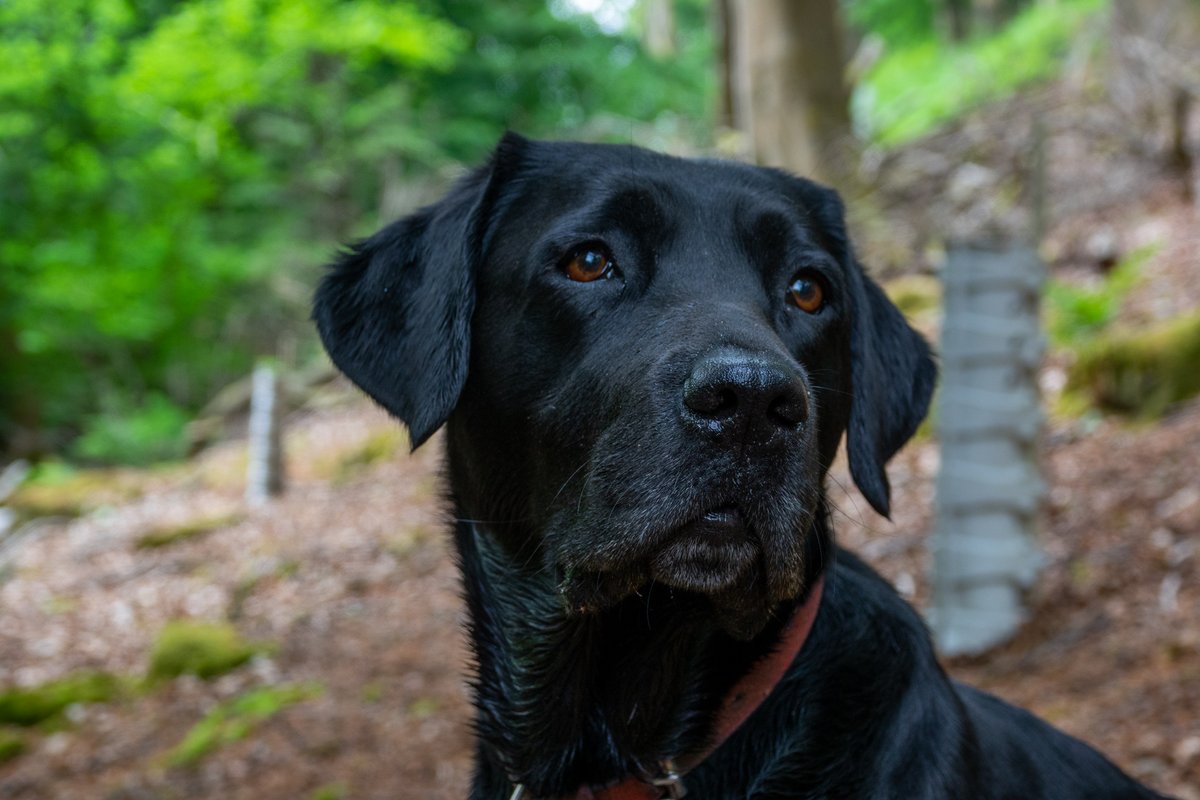
As it's #internationaldogday, we'd love to see pictures of your dogs enjoying a walk at Hardcastle Crags.
This is Meg, Ralph and Ruffles, who are all lucky enough to come to work with their humans at the Crags.
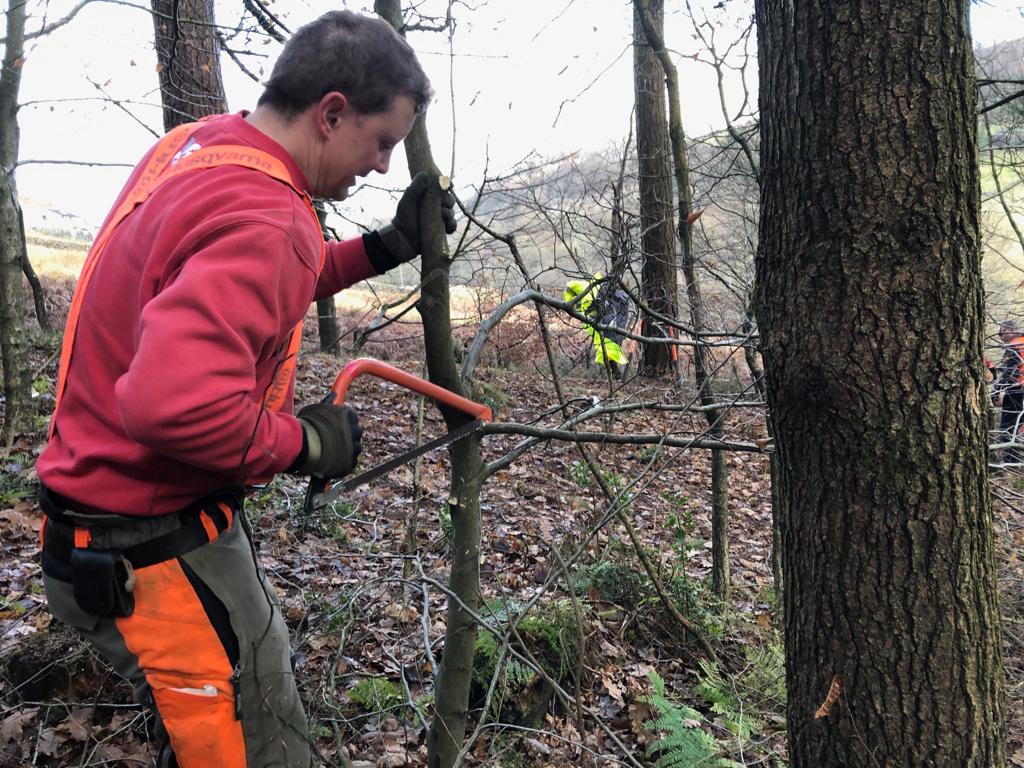
It's #worldrangerday, a chance to celebrate not just the work our rangers do at Hardcastle Crags, but rangers all over the globe. From nature surveys, footpath repairs and woodland management, their work is varied and challenging. Thank you to all rangers for looking after nature
To celebrate #worldnatureconservationday, here are just some of the flora and fauna that we look after at Hardcastle Crags.
Large Skipper Butterfly. Jennie Smith
Roe Deer. National Trust Images/Mick Jones
Waxcap fungi. National Trust
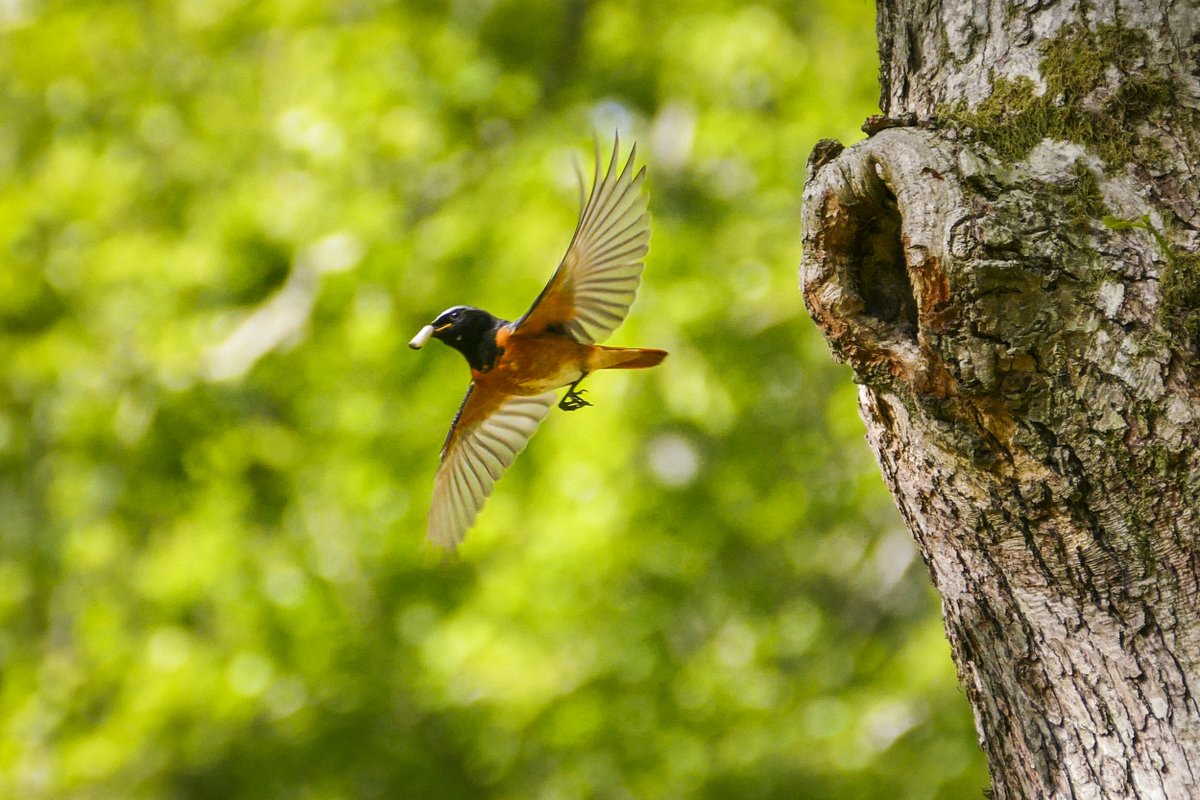
Red Start. National Trust Images/Joshua Day
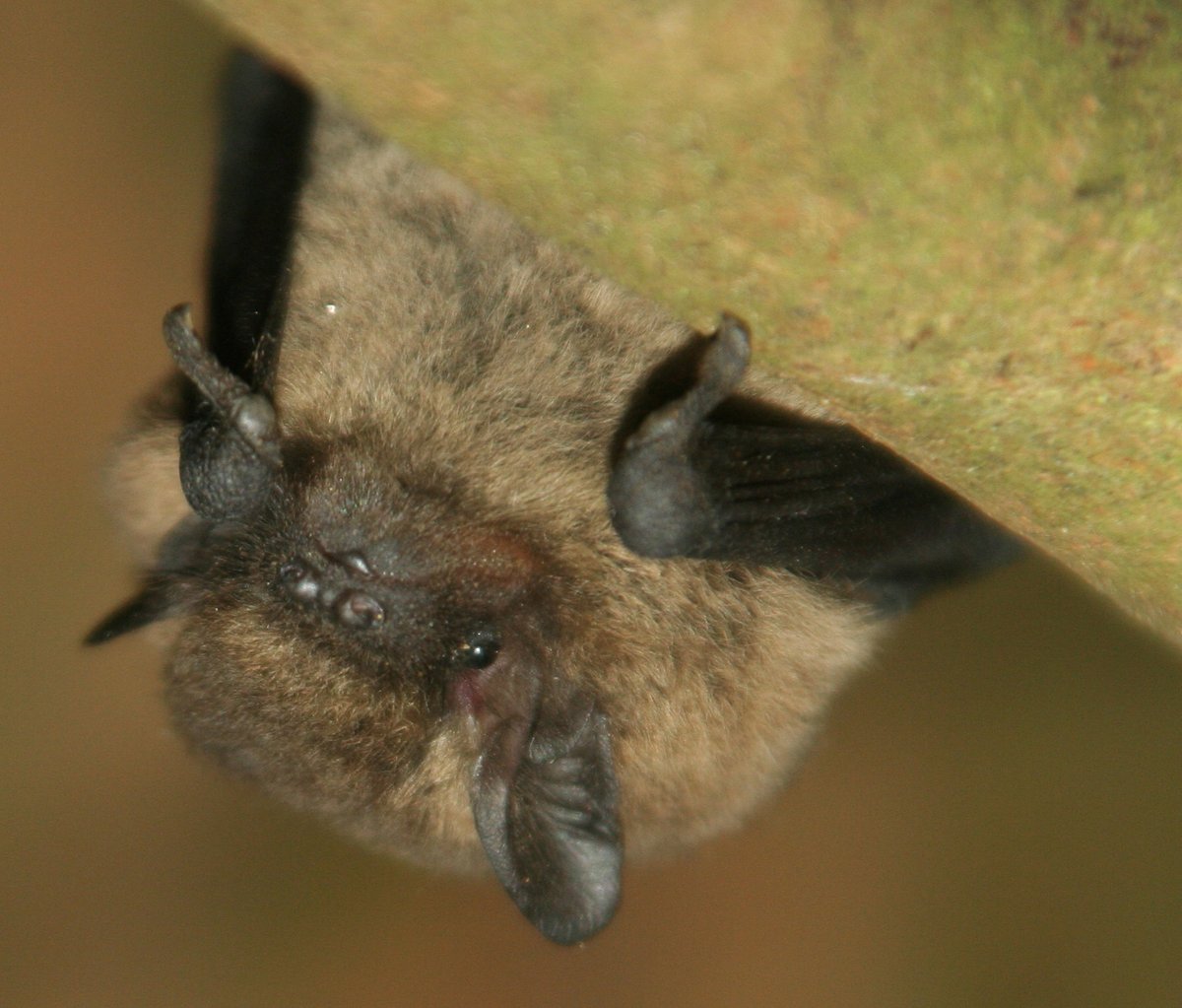
Did you know the common pipistrelle can eat up to 3,000 insects a night? That's quite an appetite! Our mill is home to the largest roost in West Yorkshire, and our survey group volunteers have been counting them over the last few weeks. Find out more; https://t.co/SW7qD4W9sT
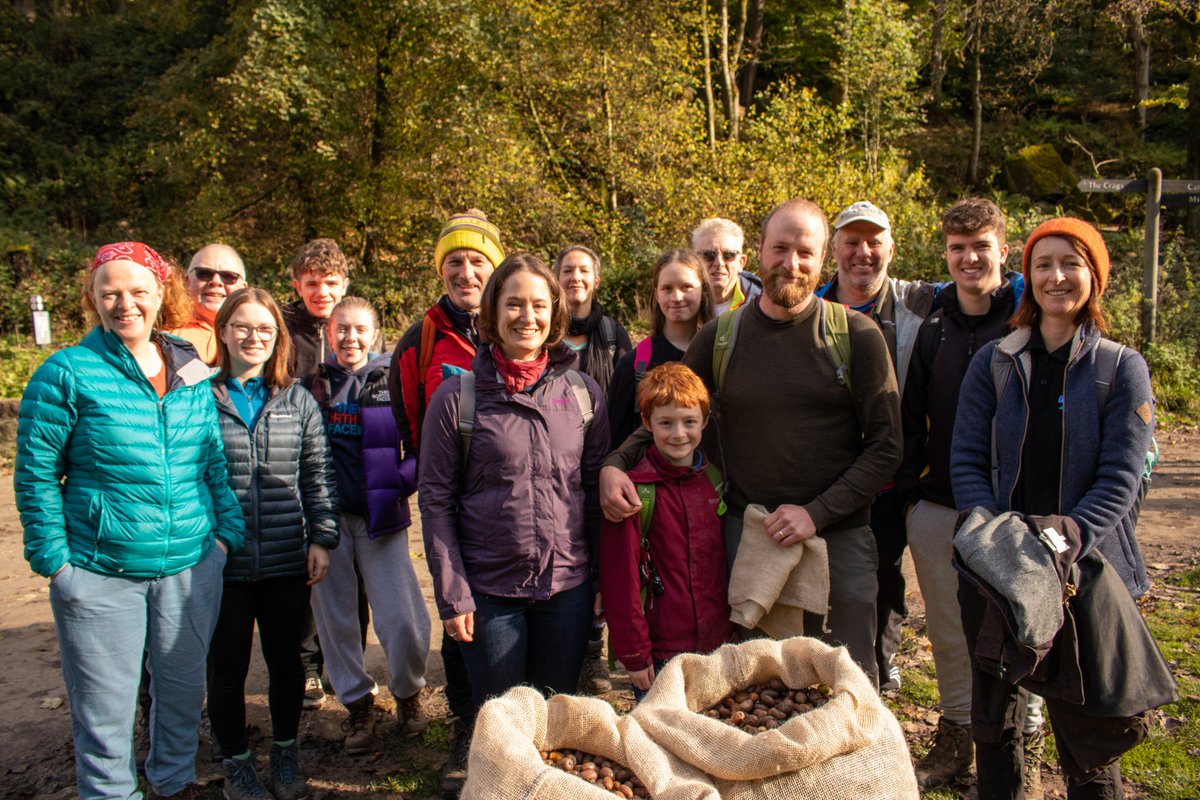
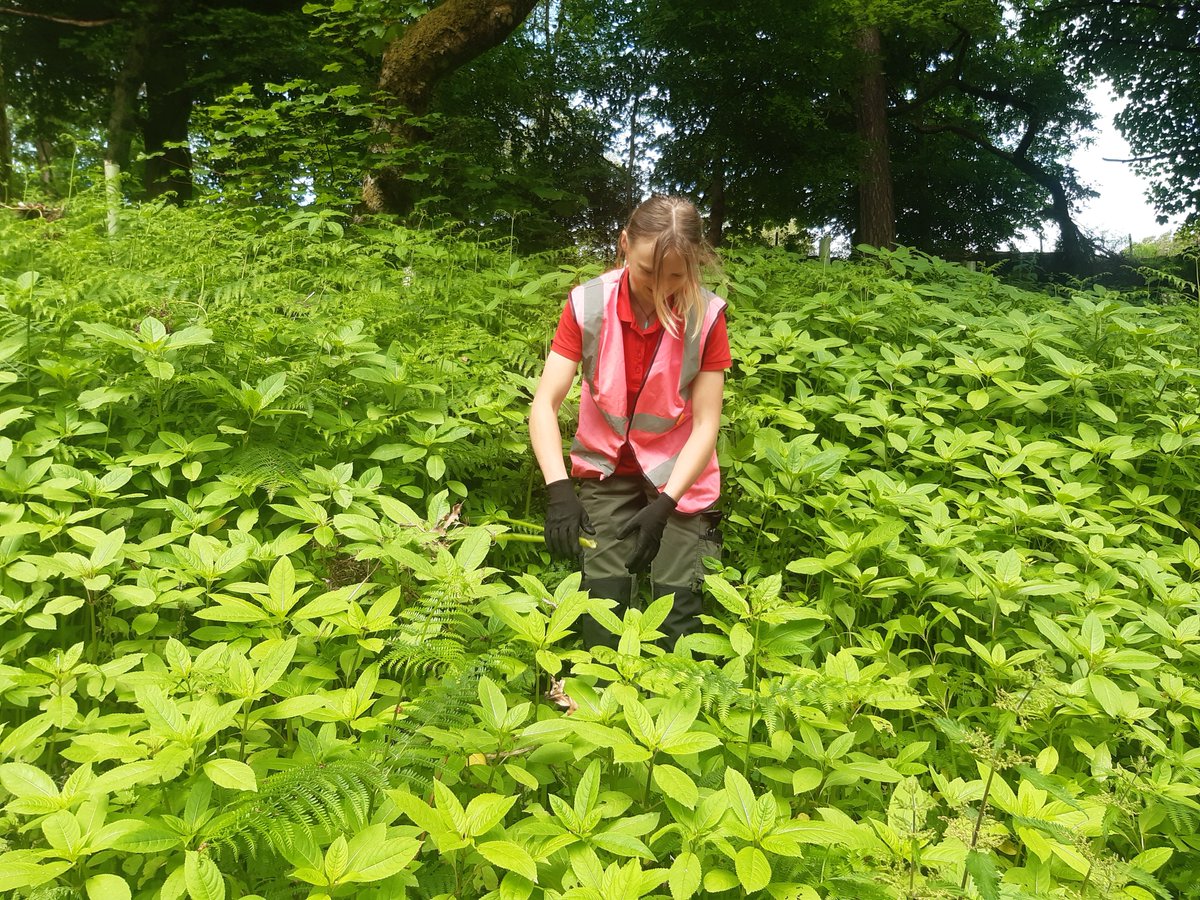
Thank you to everyone who joined our latest Natural Flood Management Volunteer Day- Balsam Bashing at @HardcastleNT last Sunday.
But why is it so important to remove Himalayan Balsam?
Rosie Holdsworth from @nationaltrust explains why in the blog below 👇
https://t.co/oX2gr10Uuk
Last Autumn was a "Mast Year" where oak trees produced more acorns than usual. Slow The Flow collected ancient oak acorns at @HardcastleNT as part of the @whiteroseforest project, and they were delivered to The Arium, Leeds Parks Nursery. The samplings are now growing & thriving.
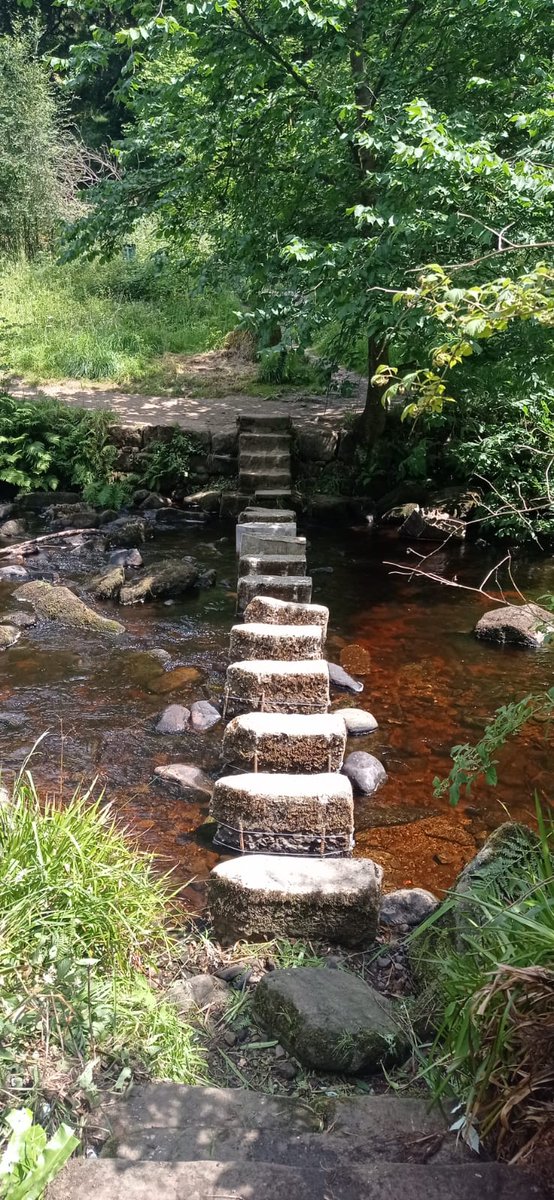
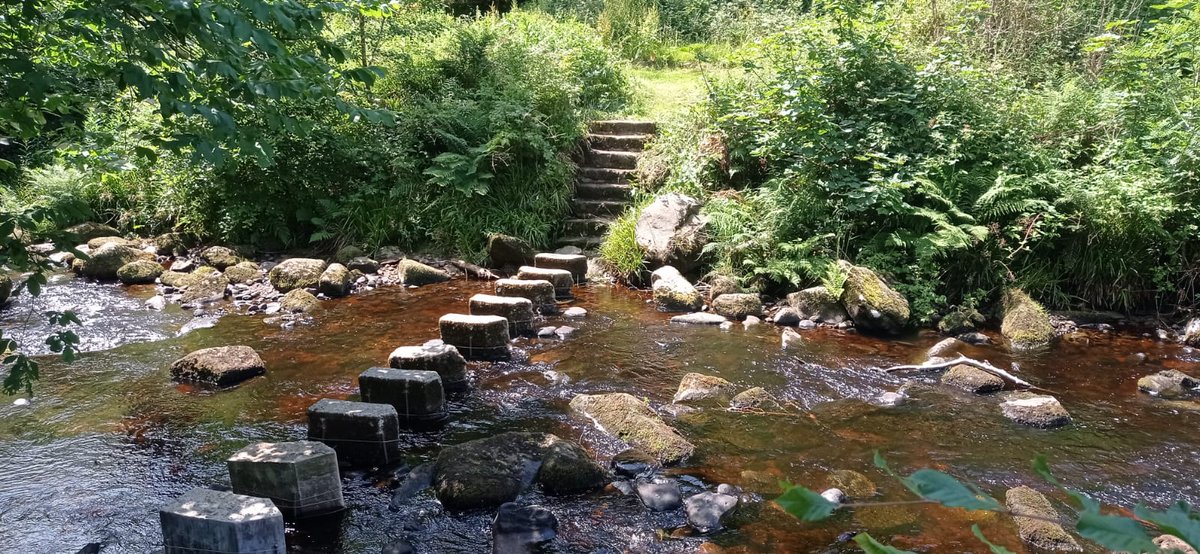
The stepping stones nearest Gibson Mill have been repaired and are now fully open. 🥳Thank you for your patience while we got these fixed. Work is still ongoing at the stones further downstream but they will also reopen this summer. #steppingstones#hardcastlecrags
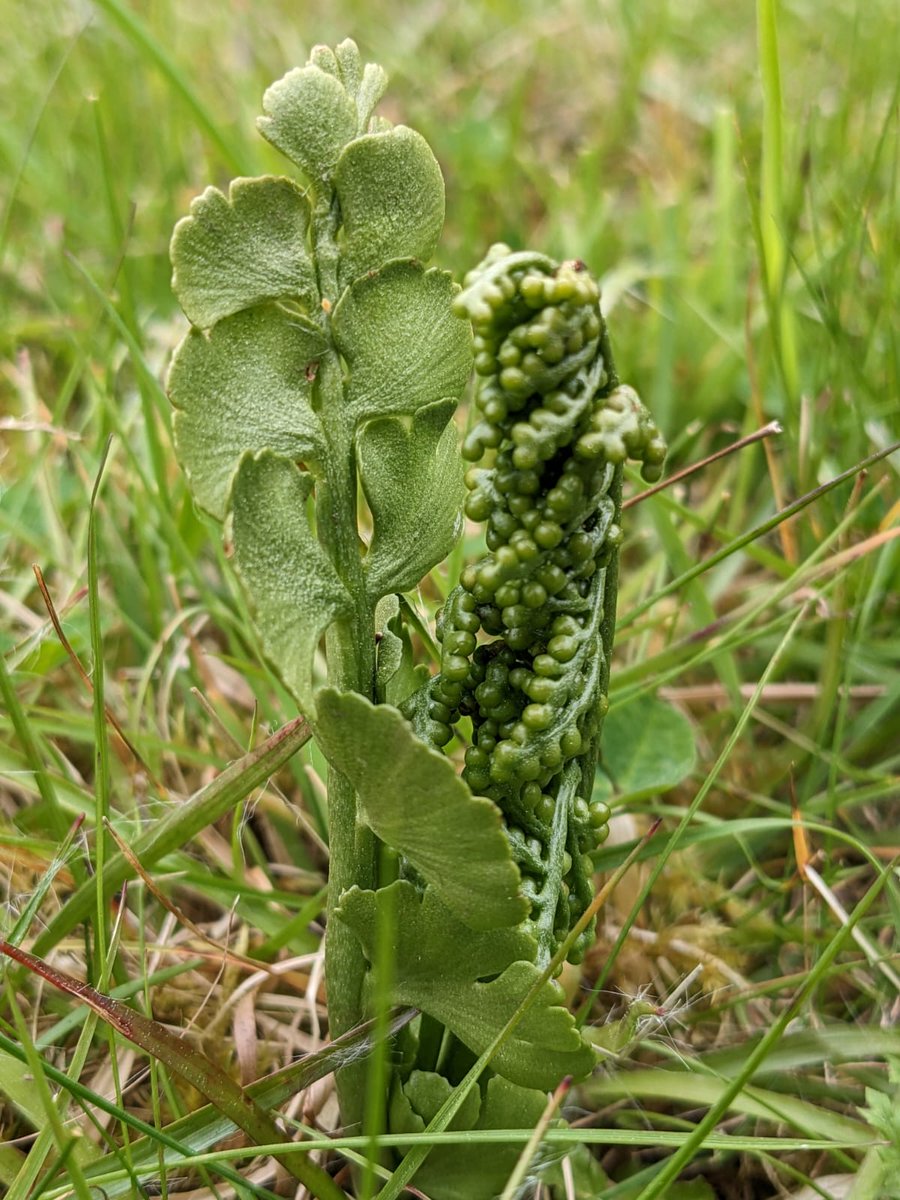
Have you ever seen a plant like this before? 🧐 This is Moonwort, which is a type of fern. It is incredibly rare and hasn't been recorded in Calderdale since the 80s. Our team spotted this in our ancient grasslands.
Find out more about #moonwort; https://t.co/xURw4C3AZ7
Want to get involved with some hands on conservation work? Our partners @slowtheflow_UK are running their regular volunteer day with our rangers this Sunday. We'll be removing Himalayan Balsam, an invasive species which increases flood risk.
Find out more; https://t.co/Z8B1pwdl56
It's been a whole year since four Exmoor ponies arrived at Hardcastle Crags- and what a difference they've made. They keep the grass short, which allows light to reach rare flowers and fungi. Find out more about our work to conserve our ancient grasslands; https://t.co/QiqaRGP36A
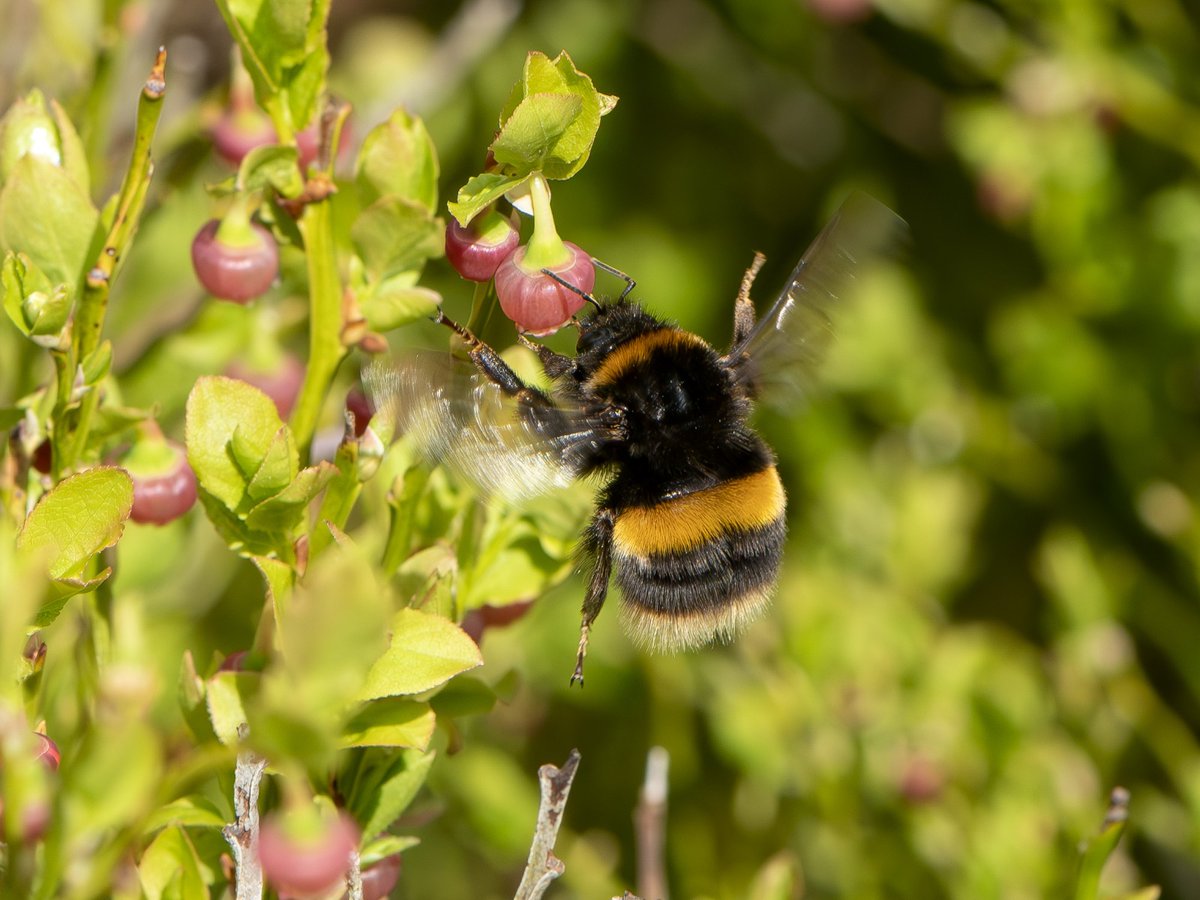
Did you know there are more than 270 species of bee in the UK? Bees are crucial pollinators at Hardcastle Crags, helping our plants to thrive and supporting other wildlife that lives in the woods.
#worldbeeday
📸 Anthony, Survey Group Volunteer
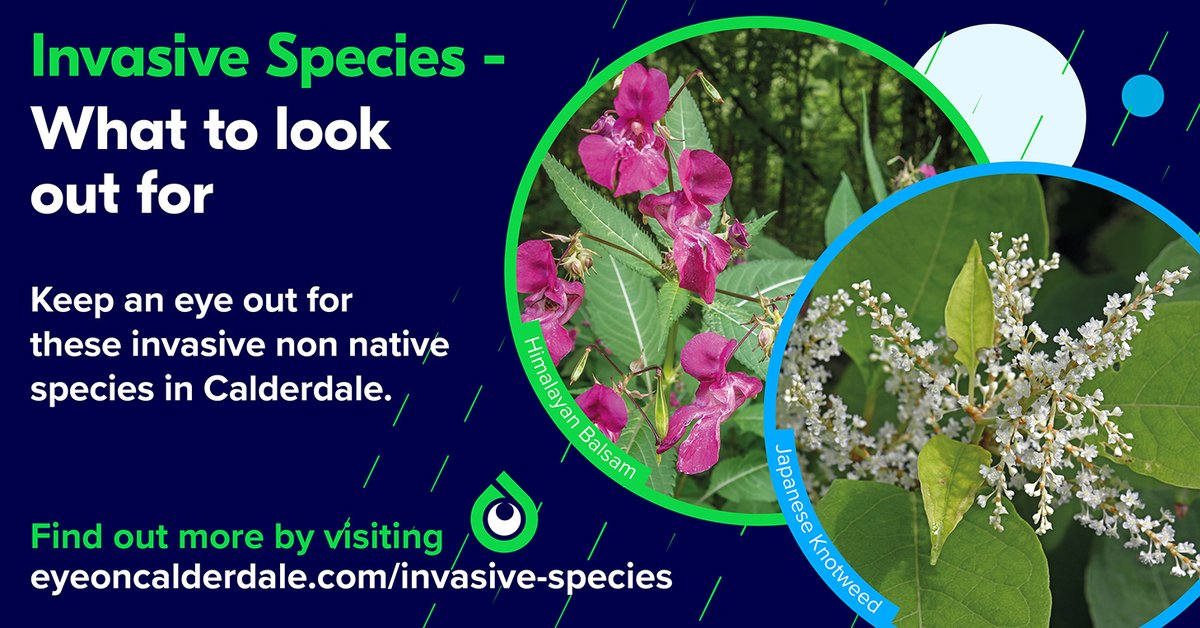
This week is Invasive Species Week. Invasive species are animals or plants that have been brought to an area in which they do not naturally occur. Help us #StopTheSpread by visiting: https://t.co/HvWQlSDt2B 🌿🌺#INNSweek
Why do we remove #invasivespecies like Himalayan Balsam? This non-native plant outcompetes other plants like bluebells and dominates parts of our woodland. Removing it helps encourage more biodiversity and also reduces flood risk. #InvasiveSpeciesWeek (1/2)
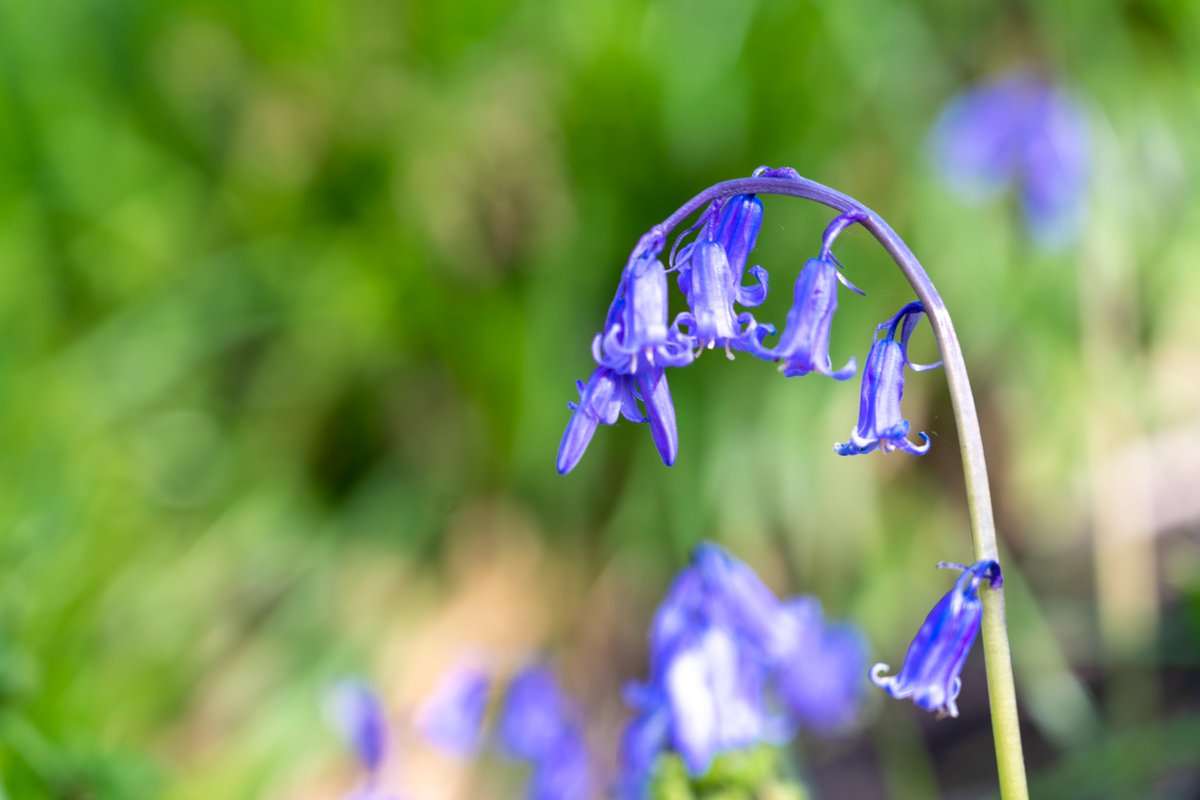
Did you know almost half of the world's bluebells are found in the UK? But they can take years to recover from footfall damage. Please help us protect our bluebells by sticking to the paths when you visit Hardcastle Crags.
https://t.co/GK0VsNsyGY #bluebells
One section of Gorpley planting sorted with broken stakes replaced, tubes cleared of weeds and dead/failed trees replaced. Plenty more to go at and will be here for a another couple of weeks if you want to get involved #sitemaintenance#treeplanting
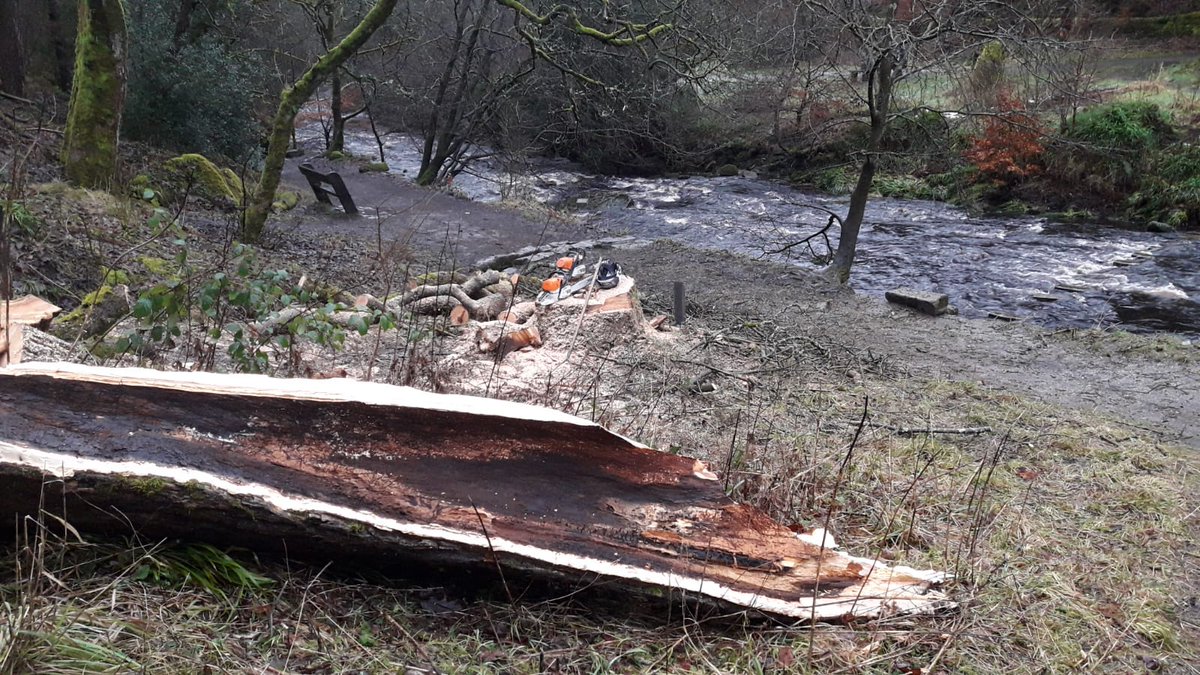
(3/3) Where possible, we leave some rotting wood on the ground, which provides a habitat for fungi, insects and birds.
Find out more about how we look after our woodland here; https://t.co/WeEayfb056
It's #nationalplanthealthweek, dedicated to raising awareness of the threats facing our plants and woodlands. We've already seen the devastating effects of Ash Dieback, meaning we've had to fell many of our ash trees, especially those near footpaths and the main track. (1/3)
(2/3) This is why when we plant new trees, we plant a mix of species (including oak, birch, holly and blackthorn) helping improve our woodlands resilience to future disease and climate change.