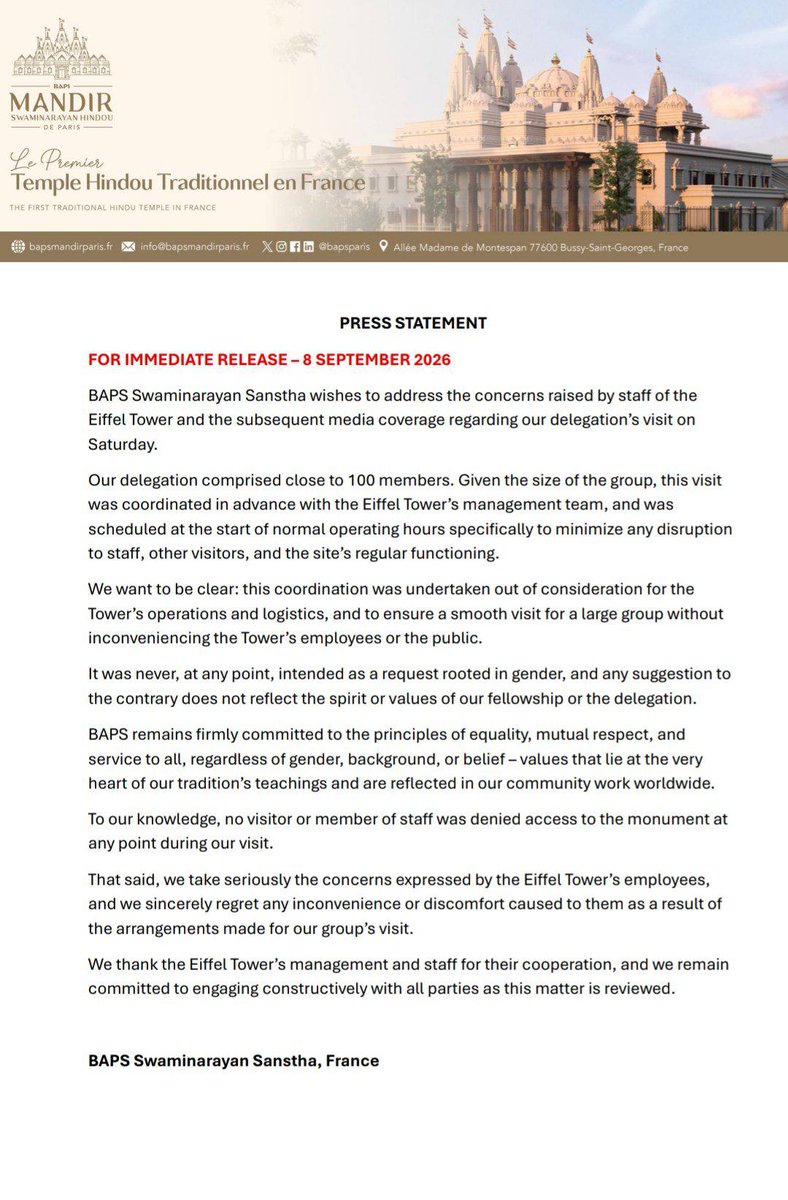
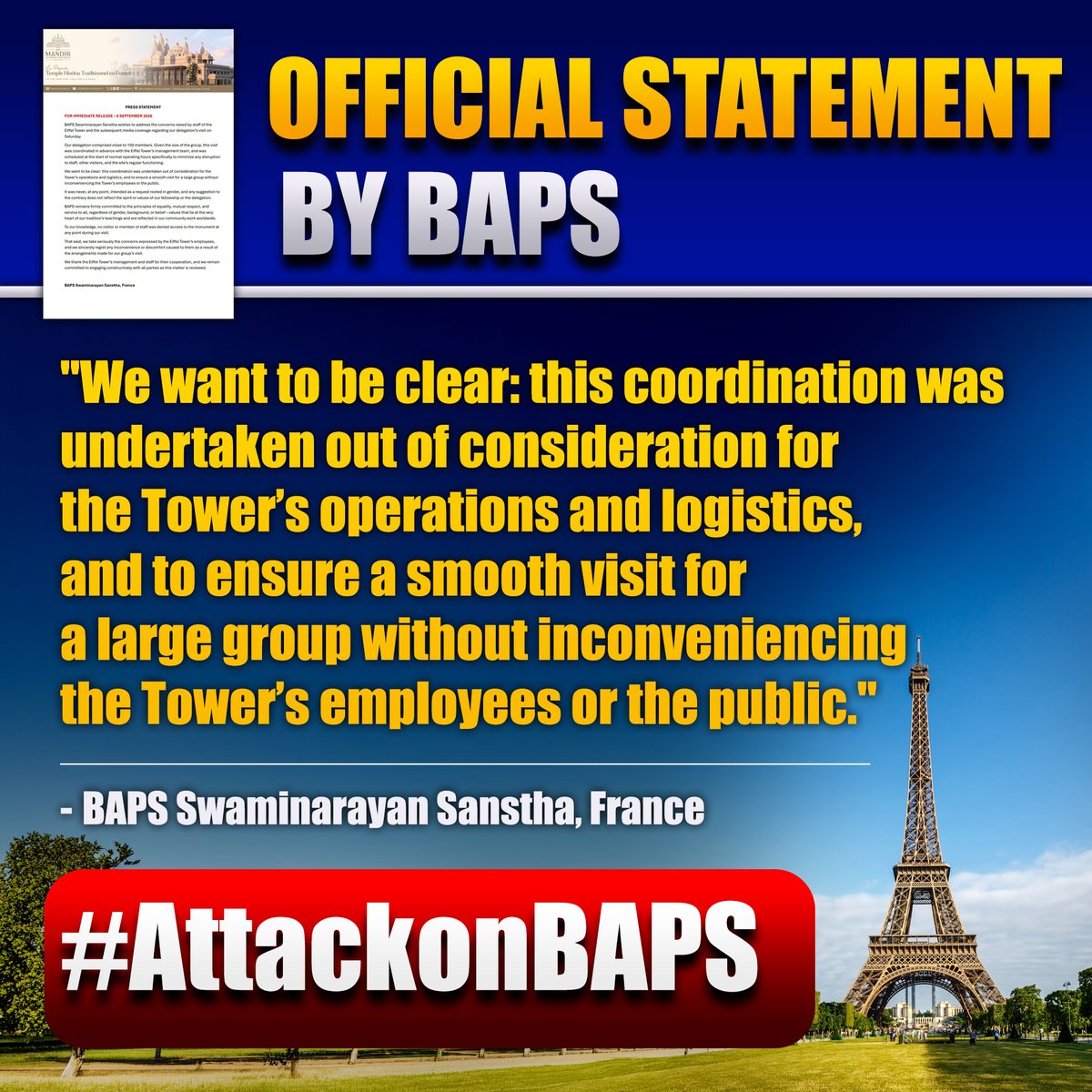
“BAPS isn’t Sanatan.”
That claim collapses when confronted with facts.
BAPS is a Swaminarayan Hindu sampradaya rooted in the Vedic tradition—not a religion detached from it.
Our foundation includes the Vedas, Upanishads, Bhagavad Gita and Brahmasutras (Prasthanatrayi), along with the Shikshapatri, Vachanamrut and Swamini Vato. Our philosophy is Akshar-Purushottam Darshan, a Vedantic school based on the teachings of Bhagwan Swaminarayan. (BAPS Swaminarayan Sanstha)
And then there is something difficult to dismiss as “BAPS propaganda”:
In 2017, the Shri Kashi Vidvat Parishad, a respected scholarly council associated with Vedic studies, formally recognized Swaminarayan’s Vedanta as Akshar-Purushottam Darshan, a Vedic siddhanta distinct from other Vedanta schools.
Its declaration described the Prasthanatrayi-Swaminarayana-Bhashya and Swaminarayana-Siddhanta-Sudha as sacred texts protecting the eternal Vedic religious tradition.
It further acclaimed Mahamahopadhyaya Bhadreshdas Swami as an Ācārya and contemporary commentator in the lineage of Prasthanatrayi commentators.
And a copper-plated Tamra-patra declaration was presented in connection with this recognition. (BAPS Swaminarayan Research)
In 2019, Bhadreshdas Swami was further honoured in Kashi with the title “Darshanshastra-Sarvabhauma”, and the Akshar-Purushottam Darshan Pith was established there. (BAPS Swaminarayan Sanstha)
This isn’t just modern institutional recognition either.
In Sastri Yagnapurushadji v. Muldas Bhudardas Vaishya (1966), the Supreme Court examined the Swaminarayan Sampradaya and upheld the conclusion that it was not a religion distinct and separate from Hinduism. The judgment specifically discussed its Vedic foundation, bhakti, moksha and Hindu philosophical character. (Indian Kanoon)
And what does Sanatan practice actually look like within BAPS?
Nitya puja. Mala. Dhyan. Mansi. Prarthana. Pradakshina. Dandvat. Arti. Darshan. Tilak-chandlo. Ekadashi and other vrat. Ghar Sabha. Satsang sabha. Reading and living the shastras. Seva. Ahimsa. Dharma. Brahmacharya. Bhakti. Guru-bhakti. Respect for parents, elders and all devotees.
These aren’t imported rituals. BAPS itself describes tilak-chandlo as a Hindu Sanatan Dharma tradition, particularly associated with the Vaishnav sampraday. (BAPS Swaminarayan Sanstha)
We don’t reject Sanatan Dharma.
We live one of its sampradayic traditions.
Sanatan has never meant that every Hindu must have the same guru, the same darshan, the same form of upasana or the same sampradaya.
Advaita is not the only Vedanta.
Vishishtadvaita is not the only Vedanta.
Dvaita is not the only Vedanta.
Shuddhadvaita is not the only Vedanta.
And Akshar-Purushottam Darshan does not cease to be Vedic merely because it is distinct.
That is precisely what a living Sanatan tradition looks like: unity without uniformity.
So yes—criticise BAPS if you disagree with something. Debate its theology. Question its practices.
But saying “BAPS isn’t Sanatan” while ignoring its Vedic scriptures, Vedantic philosophy, Hindu practices, Supreme Court precedent, and the formal scholarly recognition from Kashi is not scholarship.
It is simply rewriting facts to fit a narrative.
Debate the doctrine.
Don’t erase the sampradaya.
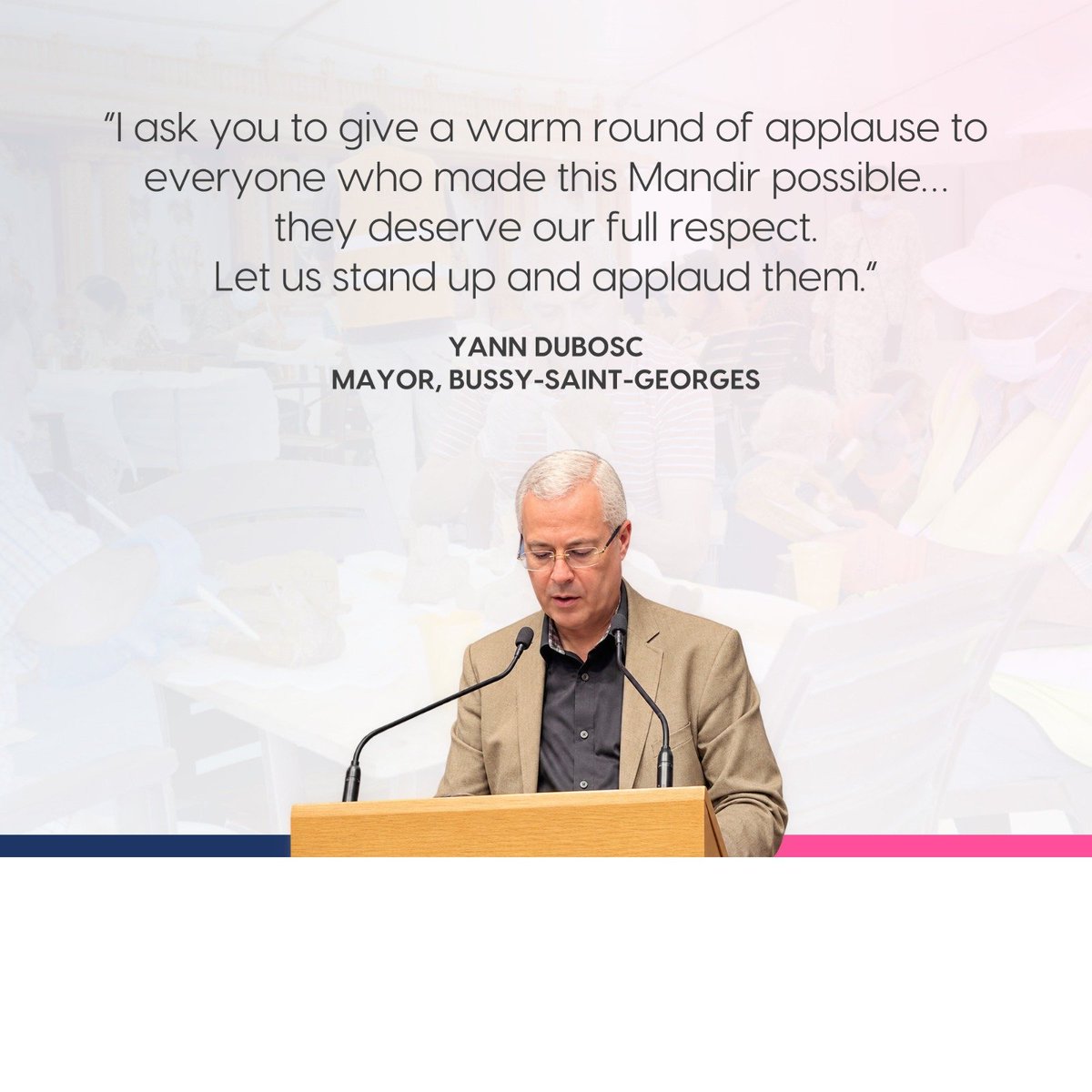
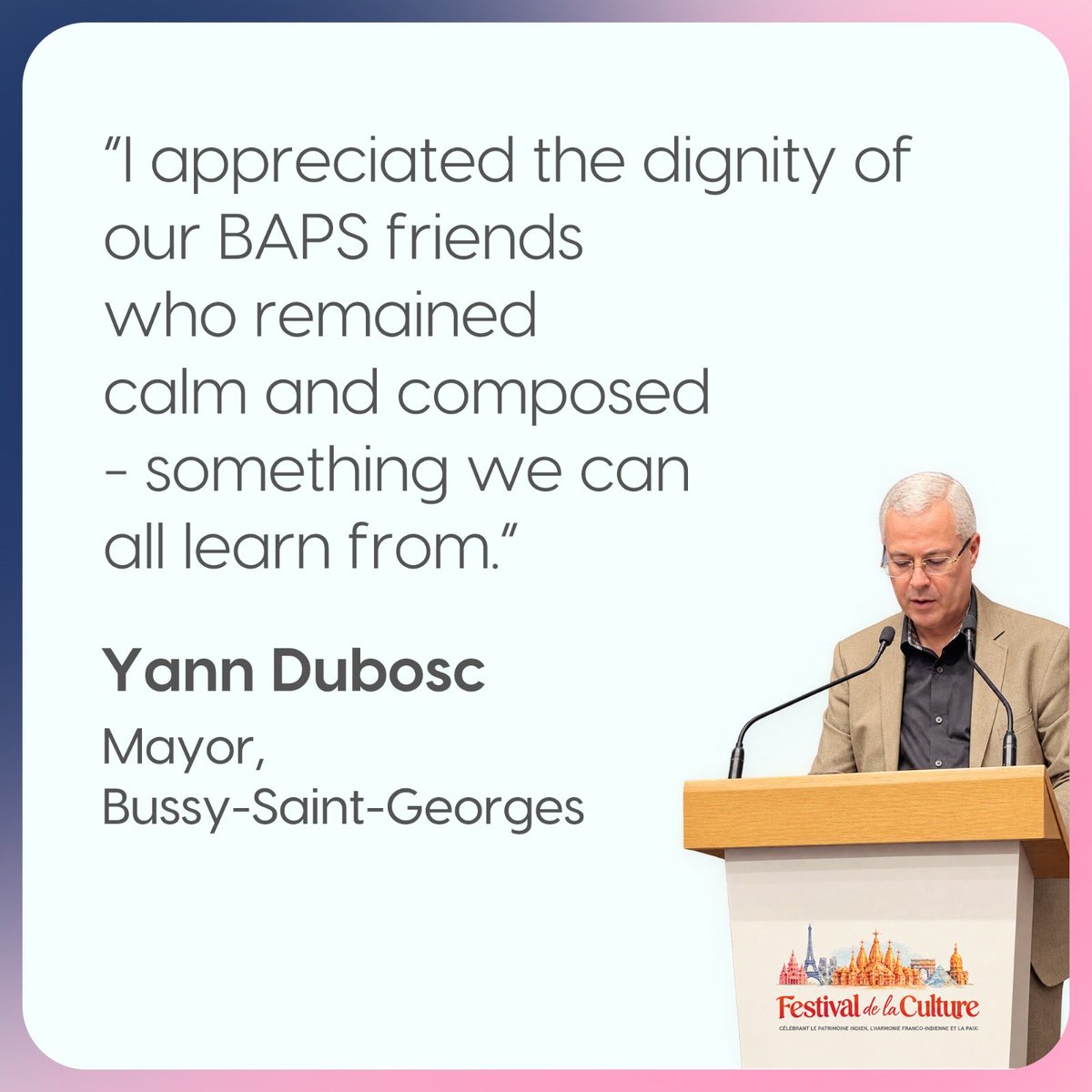
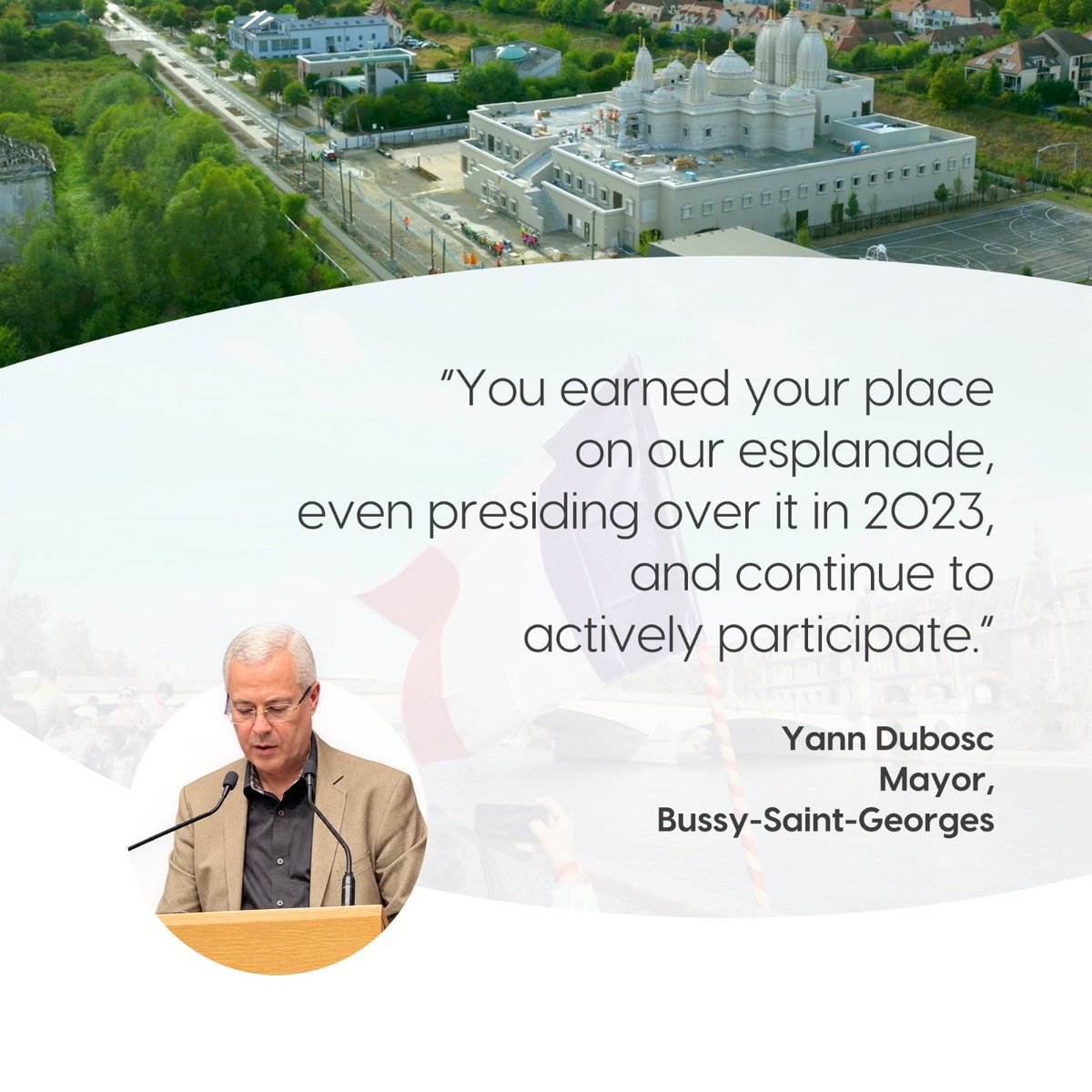
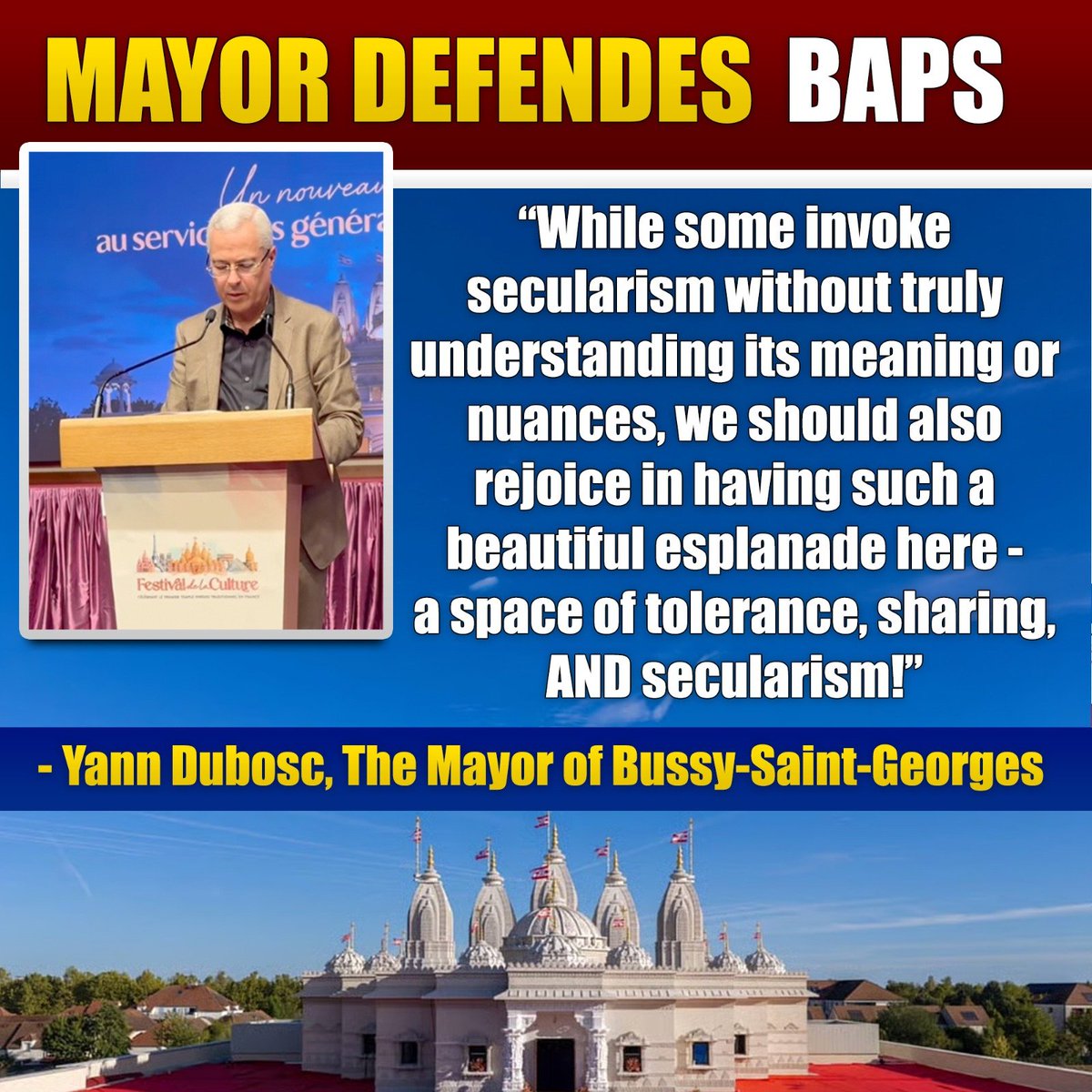
MAYOR DEFENDS BAPS 🇫🇷
Yann Dubosc, Mayor of Bussy-Saint-Georges, where the BAPS Paris Mandir is situated, has spoken out.
His firsthand account challenges the narrative being pushed about BAPS.
When facts come from someone who was there, they deserve to be heard.