Fervo, a geothermal energy developer, is looking to raise as much as $1.33 billion in a US IPO, as more firms seek to capitalize on the growing power demand for data centers https://t.co/RWSHubUQl5
Imagine a circle, with a little spinner on it that you can flick. The circle is 80% red and 20% yellow, like a yellow pie slice. You flick the spinner. It spins, and slowwwly stops. Where did it land?
@NateSilver538 1. To manage context, ask agents to maintain a markdown file or files concisely explaining the codebase. Ask each new agent to read it before starting and update it after ending work.
2. Ask agents to modularize the codebase so it's easier to reason about. Big files get unwieldy
Last year, a group of Trump allies raised $746 million to build the world's largest data center. They said they'd complete the first million square feet this month.
Using satellite images, I found the project still hasn't begun construction of its first buildings.
6 months ago, Fermi America completed an IPO that valued the company at more than $16 billion. Rick Perry, a co-founder and former Trump Energy Secretary, saw his stake grow to $540 million. The CEO, a big Trump donor, was worth more than $6 billion on paper.
But pitching the world's largest data center is different than building a 17 GW mega-project that could consume more electricity than NYC.
Quickly, Fermi began to stumble. In December, Fermi announced that its anchor tenant had pulled out. In February, local news reported on rumors of construction worker layoffs.
Using Cleanview's new historical satellite image feature, I found that the company hasn't done any significant construction since February.
Our new satellite feature also enables us to compare Fermi's progress to other mega-projects. By this stage of development, Crusoe had already raised its first two buildings with 980k of square feet. (You can see the comparison in the image below).
If Fermi secured a tenant this month and replicated Crusoe’s speed, it would bring the first buildings online in May 2027—a full year after the initial timeline projected in its IPO filing.
Earlier this month, Fermi's largest shareholders began selling stock. On Friday, the CEO stepped down.
I've written a lot about data center announcements in the last year. Fermi America's stumbles are a reminder that building some of the largest infrastructure projects in history is no easy task.
I wrote more about this mega-project in yesterday's newsletter and our latest report that can be found on the Cleanview's website.
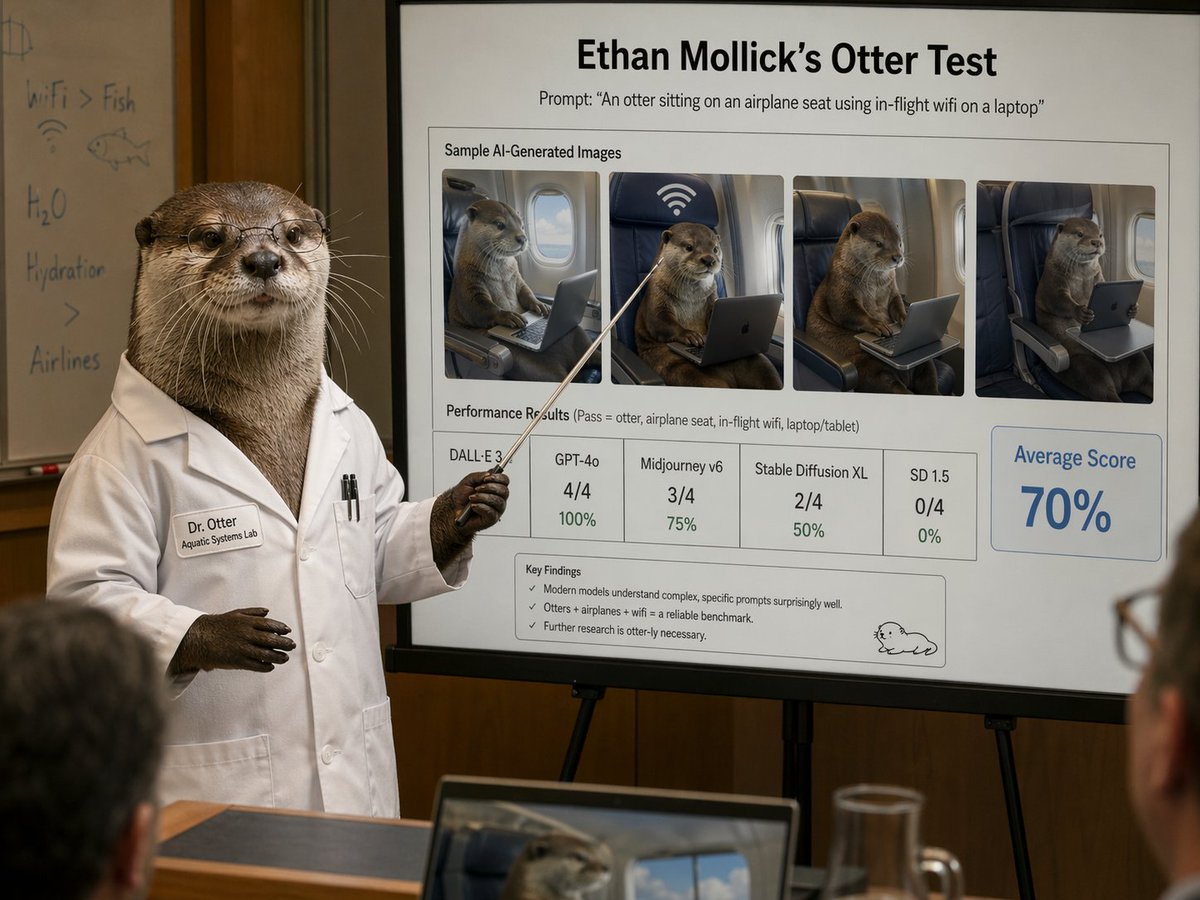
I have been using GPT ImageGen-2 for the past weeks
I didn't think that better image-generators would be a big deal but it turns out that there is a quality threshold I didn't expect, where you can now get text, slides, academic papers
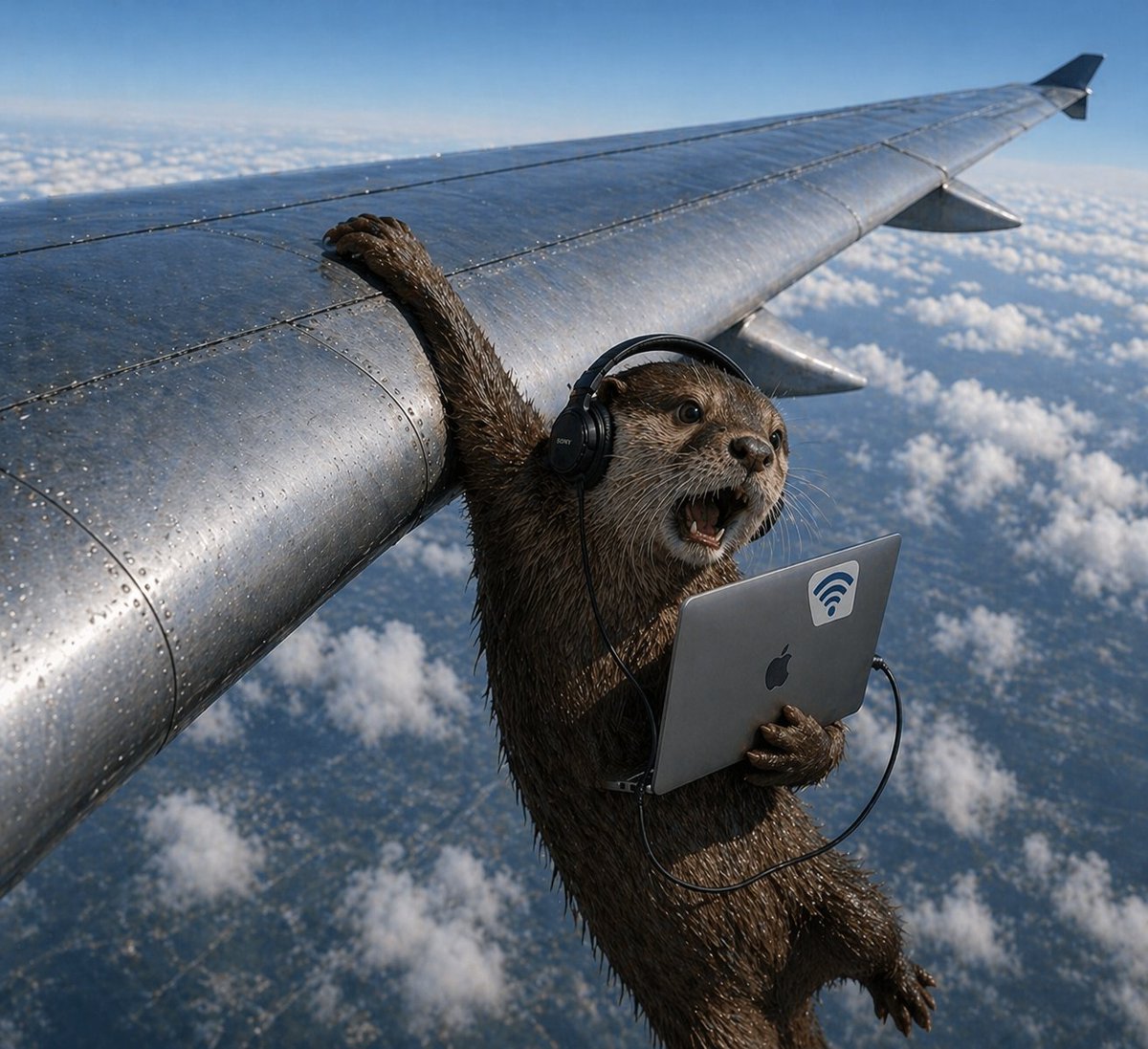
Look at what it does with my "otter test"!
A single GPU can now calculate hundreds of global weather scenarios in under 60 seconds. The exact same task requires a supercomputer and hours of brute-force physics.
Google DeepMind recently released WeatherNext 2. The model beats the previous state-of-the-art system on 99.9% of weather variables across a 15-day forecast window. It achieves this massive jump in accuracy using a new modelling approach called a Functional Generative Network.
Meteorologists categorise weather data into two buckets:
1. Marginals are isolated data points, like the precise temperature at a specific location or the wind speed at a certain altitude.
2. Joints are the massive, interconnected systems that form when all those individual elements interact.
The researchers hid the joint systems from the model during training. They only taught it the isolated marginals. When they turned it on, the model skillfully predicted the massive, complex systems anyway.
The architecture forces an 87-million-dimensional output distribution through a 32-dimensional mathematical bottleneck. To survive this severe constraint and still produce accurate individual data points, the neural network has no choice but to learn the underlying physics linking everything together. It figures out the weather because that’s the most efficient way to solve the maths.
The practical results are immediate. The model gives forecasters a full 24-hour advantage in tropical cyclone tracking compared to the previous leading system. It maps extreme wind speeds and heatwaves with unprecedented precision.
We’re watching a pretty big shift in predictive capabilities. The machine is deducing the structural reality of planetary weather from isolated fragments of data.
Tom Anderson from Google: the Deepmind Model is the equivalent to a decade jump in progress in reducing track/intensity error.
In other words, this AI model — which is outperforming every global numerical model — is an absolute forecast game changer.
New record🥇
The Artemis II astronauts are now farther from Earth than humans have ever been! At 1:57 p.m. EDT, they broke the record set by Apollo 13 in 1970.
Their journey around the far side of the Moon today will take them a maximum distance of 252,752 miles from Earth.
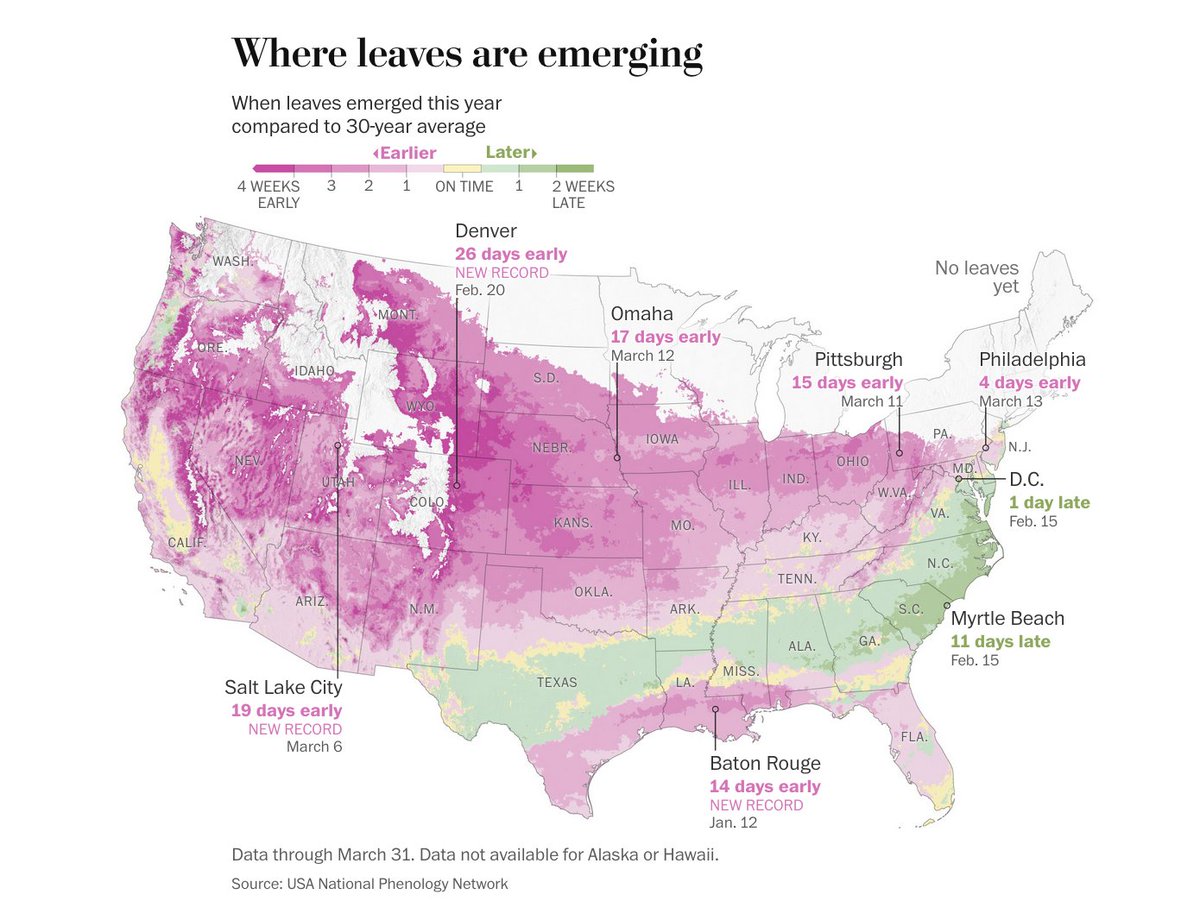
Plants say spring is here! 🌱
About 190 million Americans have experienced an earlier-than-normal spring leaf-out, based on the behavior of lilac and honeysuckle.
Leaves emerged 30 to 50 days earlier than normal near the Rockies and in parts of the Plains, breaking records.
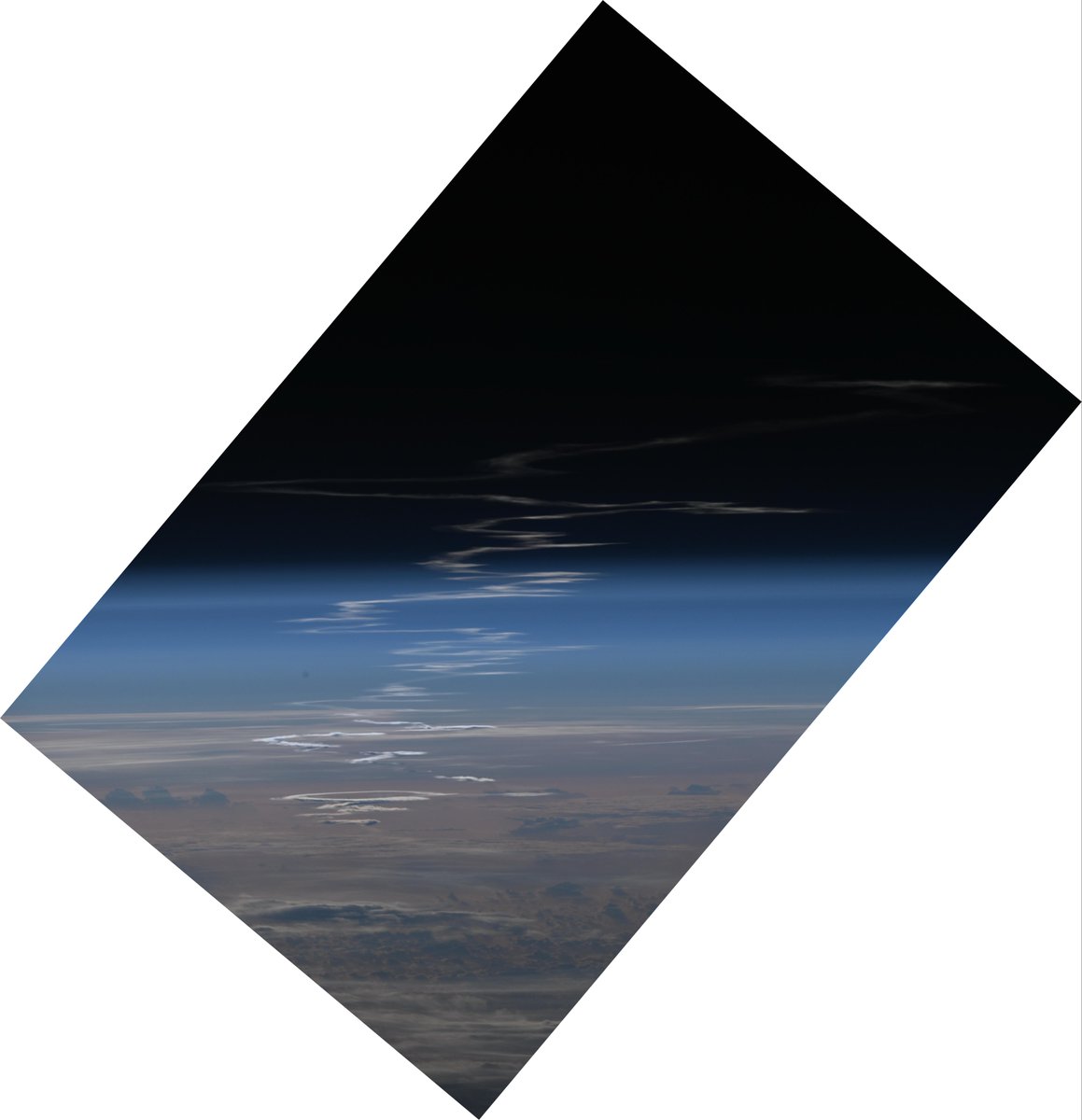
Godspeed Artemis II! Our crew on the @Space_Station stayed up to watch the launch of our friends on their historic mission to the Moon. We were over the Northern Pacific Ocean at the time of launch, so we couldn’t see it directly (we watched it on NASA TV). However, about a half hour later, as we orbited a few hundred kilometers from Florida, I was able to catch a glimpse of the remnants of the trail the rocket made as it passed through the atmosphere! You can see the effect of the wind at different altitudes.
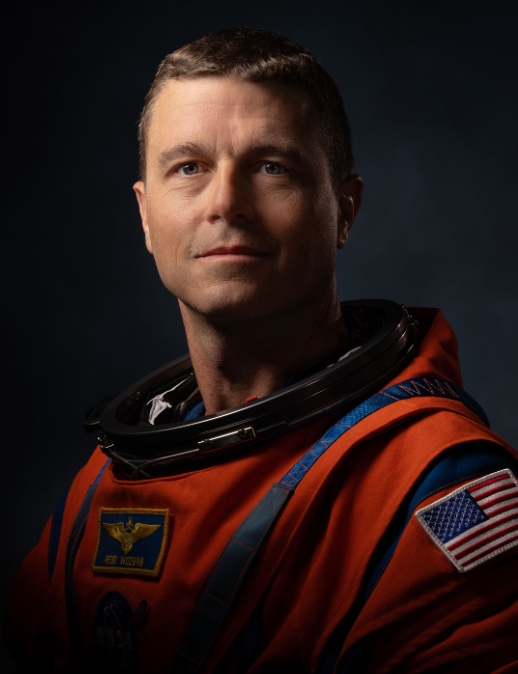
WSJ had a quote from Artemis II’s commander, a widower who admits to “worry about his daughters. ‘I could have a very comfortable life for them. But I’m also a human, and I see the spirit in their eyes that is burning in my soul too. And so we’ve just got to never stop going.’”