Hostiles (2017) was made largely because of Christian Bale.
“He’s the best actor working,” said director Scott Cooper.
“Bale can take what’s on the page and create a character you could only have dreamed of.”
November 22, 1718: The famous pirate Edward Teach, also known as Blackbeard, is killed off North Carolina’s Outer Banks during a bloody battle with a British navy force sent from Virginia led by Lieutenant Robert Maynard. Illustration from 1876.
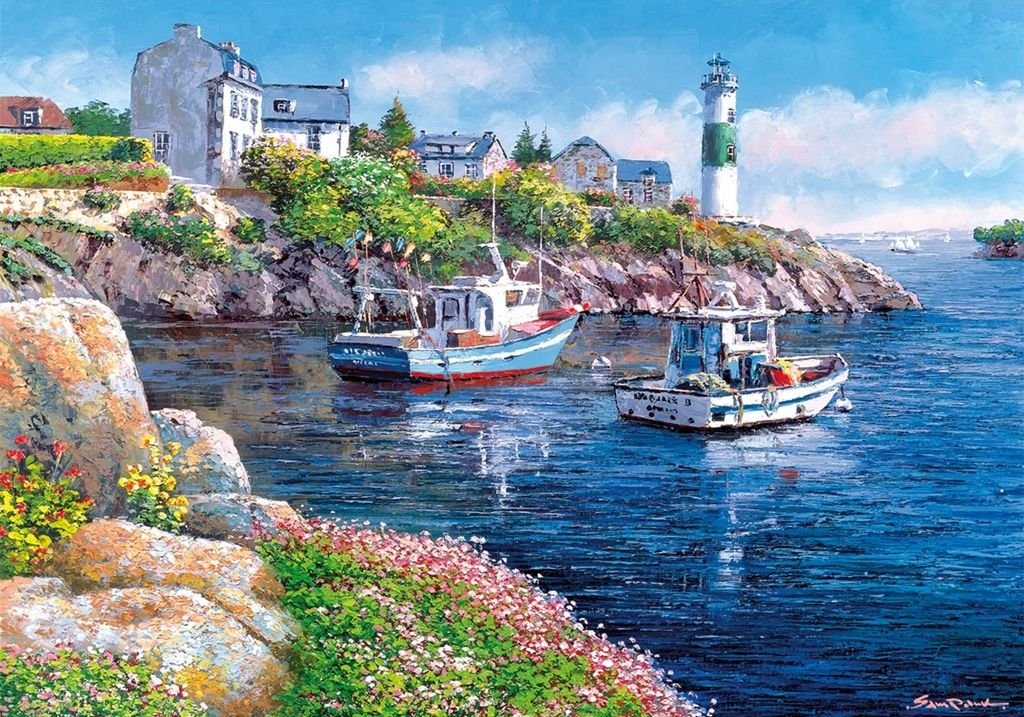
Korean-American artist Sam Park (Sung Sam Park) creates oil paintings depicting the tranquil fishing village scenery around Ocracoke Harbor and the lighthouse on the Outer Banks of North Carolina.🐠🐬🐡🐟🐋🦐🐳🦀🦑🐟🐠🦐
Illustrations from David Stick’s “The Outer Banks of North Carolina”, 1958.
You don’t see books with these simple drawings anymore. The artist was the author’s father.
For over 150 years, the Bodie Island Lighthouse in the Outer Banks of North Carolina and its powerful light beam have kept silent watch over the treacherous waters known as the “Graveyard of the Atlantic.”
Photo at Cape Hatteras National Seashore by Ethan Allen
Ocracoke feels like the Outer Banks after the crowds gave up and went home.
Ferry rides, wild beaches, old village roads, and a serenity that actually feels earned.
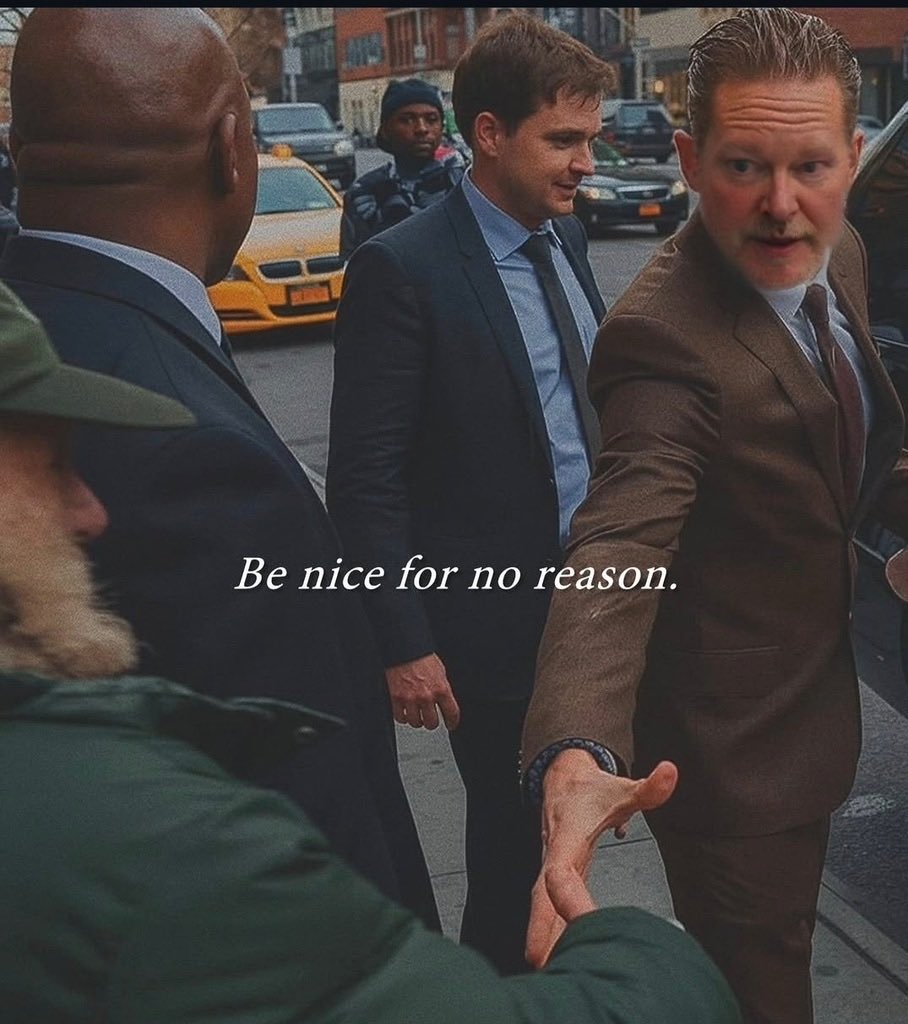
Most Americans I know will help you change a tire in the rain, carry your groceries, hold a door, or strike up a conversation with a stranger just because that’s what neighbors do.
The image of Americans as rude often comes from movies, headlines, politics, and the loudest voices online. But those things rarely capture the everyday kindness happening in small towns, big cities, diners, grocery stores, ballparks, and front porches across the country.
America is 330 million people with every personality imaginable, but beneath all the noise, most are simply trying to work hard, care for their families, and treat others with decency. The media tells stories. Real people tell a different one.
Visit America and you’ll likely remember the smiles long after you’ve forgotten the headlines.
To the Scots, and to Every Friend Who Came to the U.S. for the World Cup…
They came across oceans with songs in their hearts and scarves around their necks.
They came from Scotland, from Europe, from South America, from Africa, from Asia, and from every corner of this beautiful spinning world.
They came for football.
They came for the World Cup.
In doing so, they reminded us that the world is far smaller, kinder, and more connected than we sometimes believe.
To our Scottish friends especially, thank you.
Thank you for filling our streets with laughter.
Thank you for the accents that turned every pub conversation into poetry.
Thank you for the songs that drifted through Boston’s neighborhoods long after sunset.
You came over here.
You drank our beer.
You taught us a few new chants.
And somehow, in just a few days, you felt like family.
The scoreboard will remember goals.
History books will remember results.
But, the rest of us will remember the handshakes, the stories, the smiles, and the strangers who became friends over a shared table and a raised glass.
That is the real magic of the World Cup.
For a brief shining moment, the borders blur.
A city becomes a gathering place.
A stadium becomes a celebration.
And, people who were born thousands of miles apart, discover they have far more in common than they ever imagined.
So here’s to the Scots.
Here’s to every supporter who traveled far from home.
Here’s to every song sung, every pint shared, every friendship formed, and every memory carried back across the sea.
Boston was honored to have you.
Our doors were open.
Our glasses were full.
Our hearts are fuller still.
Safe travels, dear friends.
May your roads be kind, your journeys memorable, and may you always find a welcome waiting wherever football takes you next.
Until we meet again, thank you.
The world arrived in Boston.
And… Boston loved every minute of it.
🍻
#worldcup