Rebellion of the Palwar Kshatriyas:
When Oudh was annexed by the British in 1856, the Palwar Kshatriyas exhibited immediate hostility toward the colonial administration. Upon the outbreak of the 1857 Rebellion, the clan launched an all out armed insurrection, plundering British infrastructure and conducting active warfare across the Faizabad, Azamgarh, and Gorakhpur districts.
During the initial phase of the mutiny, European fugitives fleeing down the Ghaghra River from Faizabad were intercepted at Narani by Udit Narayan Singh, the eldest son of the primary Palwar chieftain; his followers stripped and insulted the fleeing officers. However, when the fugitives reached the Chahora Fort held by another Palwar chief, Madho Prasad Singh,they were temporarily granted traditional hospitality.
Despite his initial compliance with British authorities, Madho Prasad Singh was among the first regional chieftain to formally unfurl the standard of rebellion. Assembling the Palwar clan, he completely sacked the strategic town of Manori and launched a massive siege against the British garrison at Azamgarh.
The Palwars later crossed into the Gorakhpur district, integrating their forces with the rebel Nazim Governor of that region. After intense fighting, they were eventually pushed back by the arriving Gurkha regiments led by Maharaja Jung Bahadur.
While marching toward Lucknow, the Gurkha forces besieged the small Palwar outpost at Berozpur Fort in Faizabad. The fort was stubbornly defended by a garrison of 34 Palwar warriors, all of whom chose to fight to the death and were killed at their posts.
Today, the Palwars remain densely settled across their ancestral pockets in the Faizabad (Ayodhya), Gorakhpur, and Azamgarh districts.
Sources:
Minutes of Evidence on the Mutiny in Gorakhpur and Azamgarh(1858)
Narrative of the Mutiny at Fyzabad (Compiled by Captain Thurburn, 1857)
Azamgarh: A District Gazetteer (Vol. XXXIII, Imperial Records)
Fyzabad: A Gazetteer (H.R. Nevill, 1905)
Hearing angry Marathis tell me that they freed me is a revelation because I thought India got independent in 1947 and Marathis didn’t play any special role in it. Maharashtrian history starts in 1700 and ends in 1850. Complete amnesia abt anything before or after that.
@TheRaajanyaa Can comfirm. Stayed there for almost 2 years and all my friends were non delhites mostly north easterns. Couldn't stand delhites, from land lords to colleagues everyone tried to exploit as much as they can.
@D_Lich_King Kuno National Park was developed exactly for this to provide a second home for Asiatic lions to prevent wiping out of their population in case of some major disease outbreak or other disasters.But gujju lobby wants to retain the title of hosting asiatic lions so Kuno got cheetahs
@Mogrekaphool That's what he is saying medieval alliances were based on the statecraft. They allied when it benefited and fought against each other when it benefited. No need to catch strays in this democracy.
@yash9321@reliancejio@JioCare Same experience in Lucknow. Jio fiber is down from yesterday. I just subscribed it for next 6 months otherwise I would have switched to airtel or any other alternative. Expected better service from @JioCare but was let down.
@UnpaidPhilosphr It's same with any profession here. Best profession in India is a professor in a central university if one wants to live and work with dignity and don't want to indulge with those filthy politicians.
The Man Who Destroyed The Mughal Empire
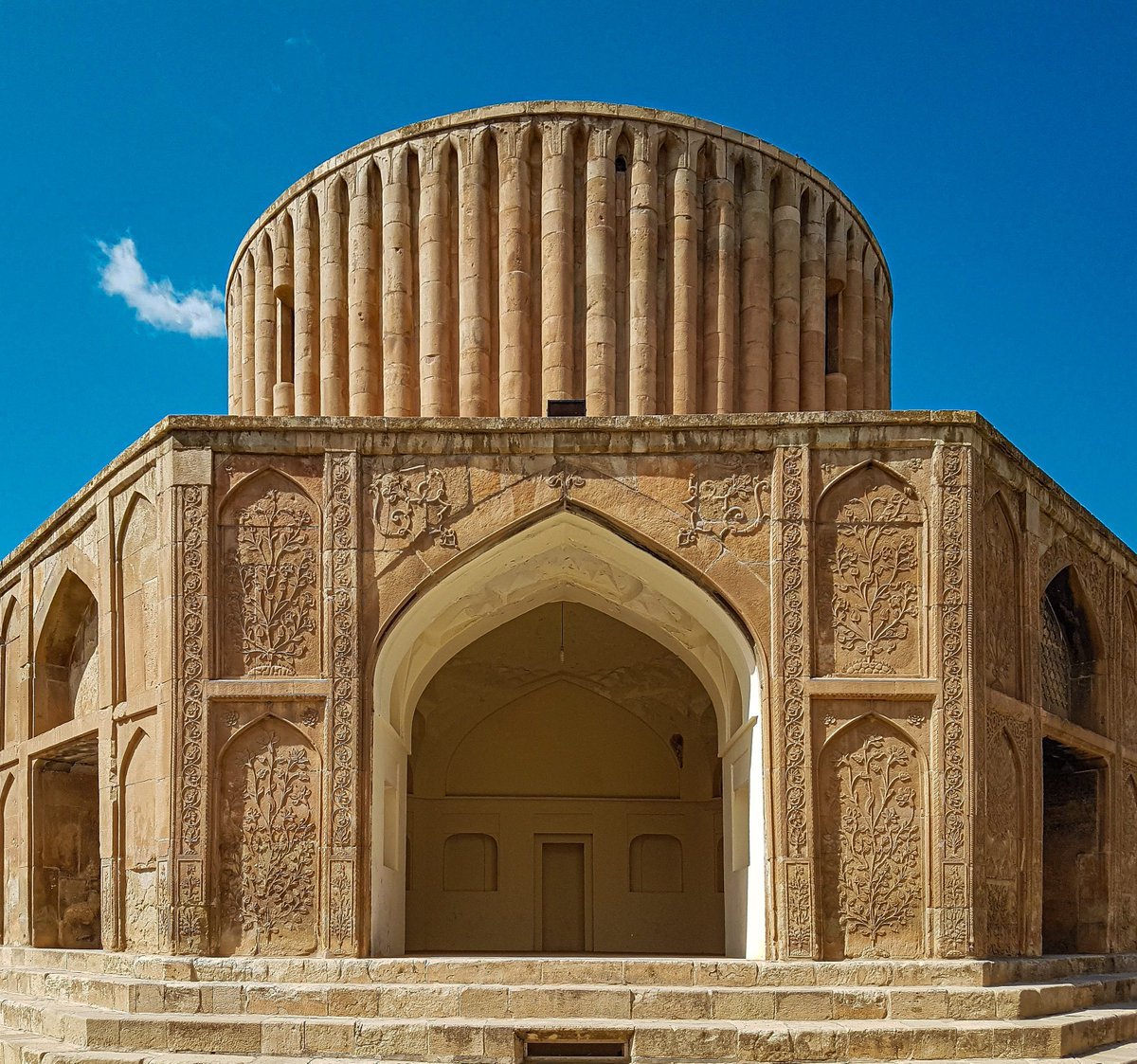
In the small town of Kelat-i-Naderi, two hours north of the Iranian pilgrimage town Mashhad, lies a sandstone Mughal tomb that feels straight out of Delhi.