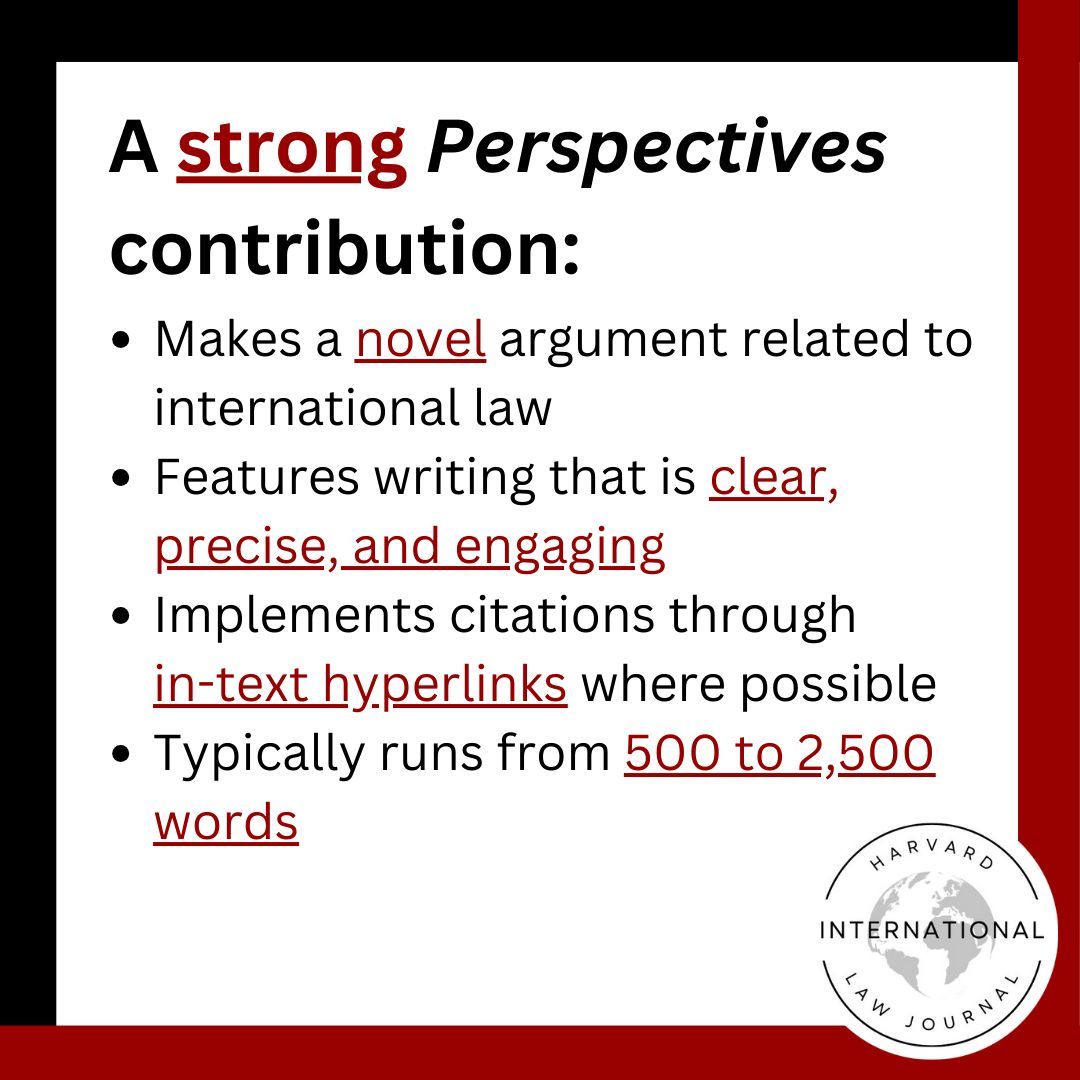
Reminder: Submissions for Perspectives is OPEN. Submit your short-form scholarship today: https://t.co/DBhZbAdens
HILJ Online publishes short-form academic scholarship on all areas of international law. See our past Perspectives publications here: https://t.co/tg97YoXotN
Reminder: Submissions for Perspectives is OPEN. Submit your short-form scholarship today: https://t.co/DBhZbAdens
HILJ Online publishes short-form academic scholarship on all areas of international law. See our past Perspectives publications here: https://t.co/tg97YoXotN
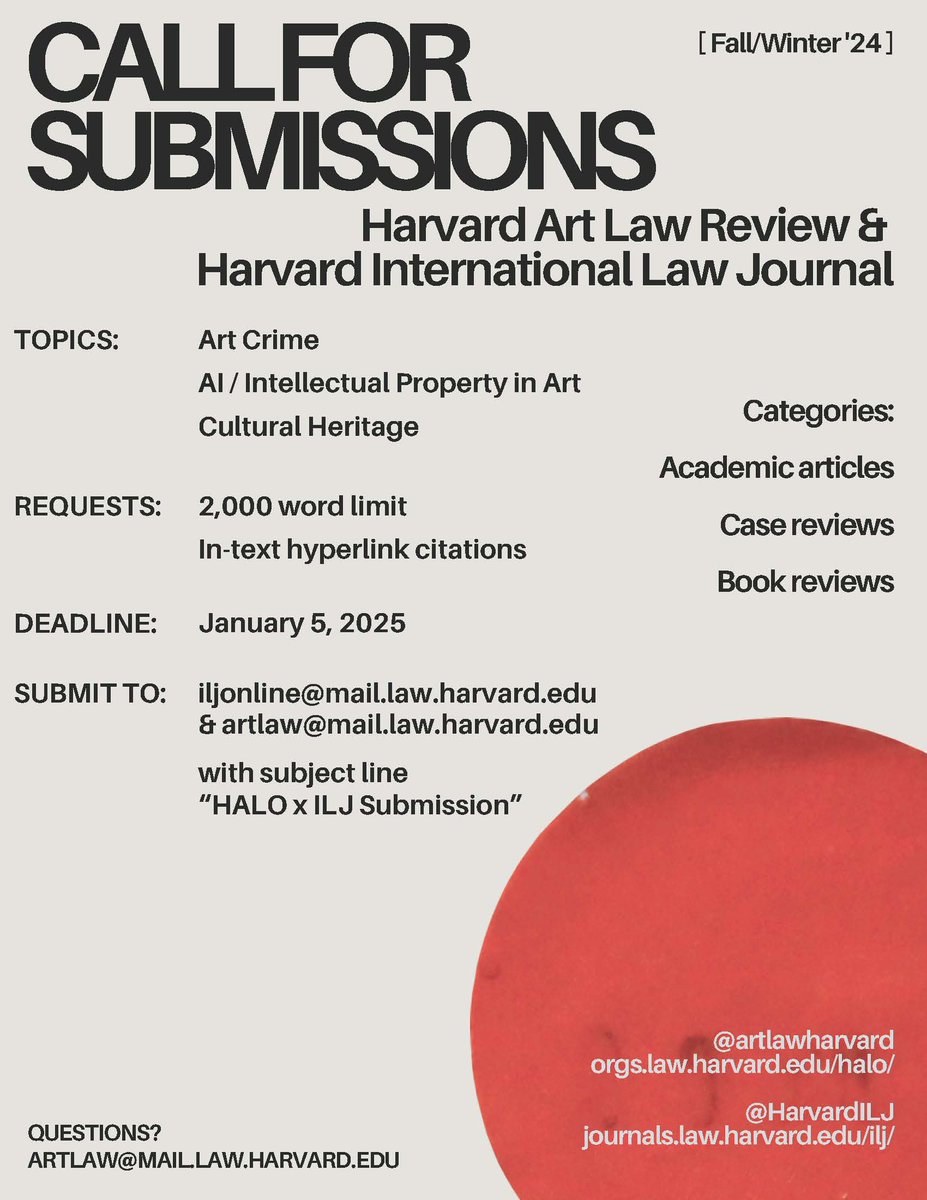
SUBMISSIONS CALL: We're incredibly excited to collaborate with the Harvard Art Law Organization to publish short-form online scholarship at the intersection art and international law, focusing on cultural heritage, AI, art crime/AML, and more.
Submissions due Jan. 5!
Finally, Vol 65(2) ends with a note by Shayla Birath on how ECOWAS’s repeated use of force in the region, coupled with both state silence and explicit endorsement, develops jus ad bellum for the rest of the international legal order.
Link here: https://t.co/0sMDw4ldAV
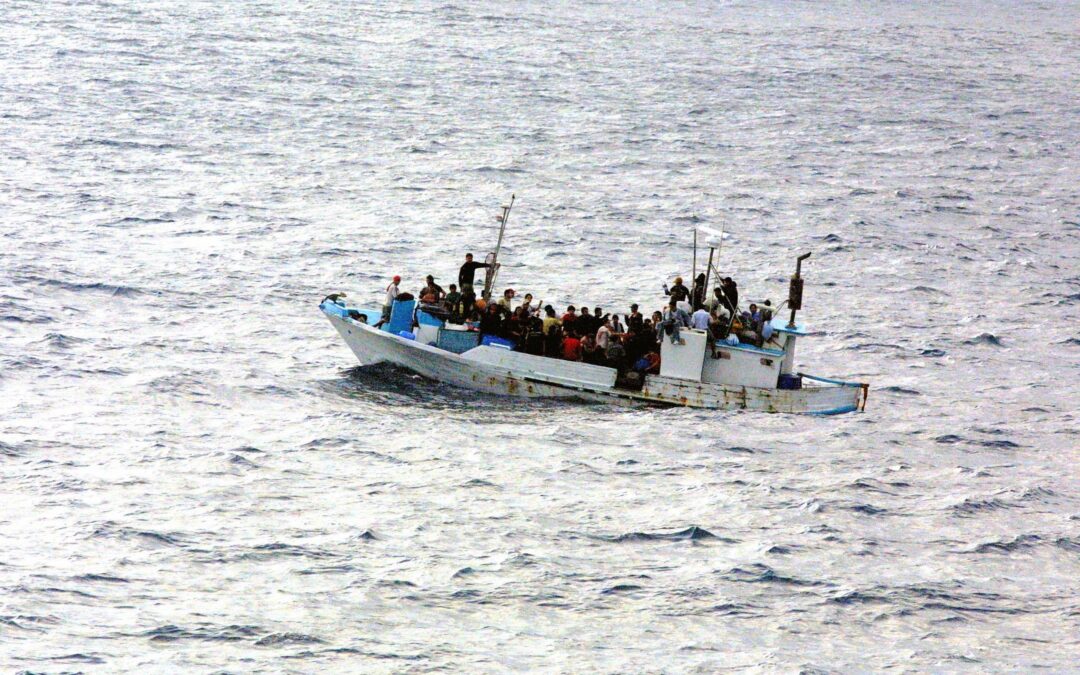
Next in 65(2): Moria Paz suggests that international human rights tribunals would be more receptive to refugee and asylum claims if applicants could identify one discrete state duty-holder.
Read More Here: https://t.co/pjRhjmBKGp
Next in Vol. 65(2): Adi Gal explores the failure of the human rights regime to secure remedies for victims, including by conditioning remedies on the adjudication of a right, and by rejecting a state’s responsibility to remediate in no-fault cases.
Link: https://t.co/arv9ZsYTXb
Next up in Print Vol. 65(2): Professor Eliav Lieblich argues that whataboutism is not pure fallacy, but rather a valid argumentative scheme worthy of intellectual consideration in the international legal arena.
Link: https://t.co/zPCmGkuE2V
NEW in Print: Our first article of Volume 65(2)! Professor Kishanthi Parella contends that corporate stakeholders are well situated to nudge corporations to comply with international law. Read more here: https://t.co/CkqJ9kunk4
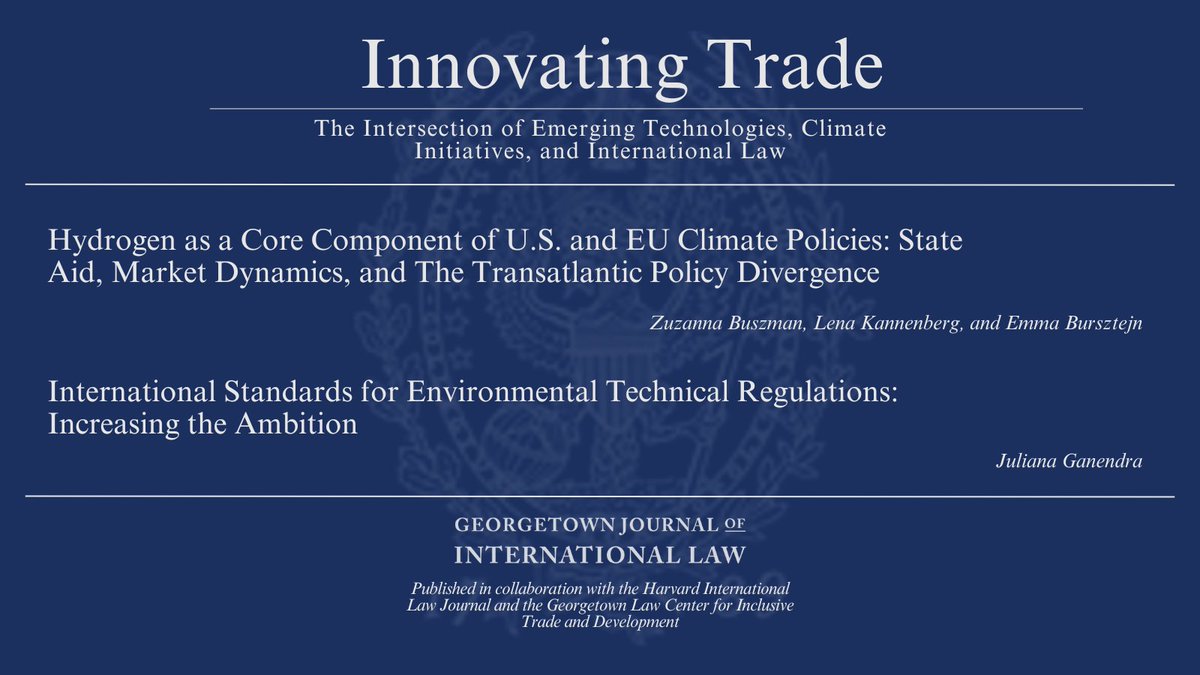
We are thrilled to announce the publication of two pieces through our partnership with the Harvard International Law Journal! Thank you to the Georgetown Law Center for Inclusive Trade and Development for the support. @HarvardILJ
Read the works here: https://t.co/vOVRiqeEIY
The second article for our collaboration with @Geo_J_Intl_L & @CitdGeorgetown, by María Isabel Ortiz Nuques, investigates how artificial intelligence & trade can help confront environmental challenges for the world's oceans.
https://t.co/dx4FLbidpa
In the first article for our collaboration with @Geo_J_Intl_L & @CitdGeorgetown: Samantha Cristol explores the climate challenges posed by transportation and the role of international trade in encouraging (or stymieing) solutions.
https://t.co/ISJsqCZvwh
NEW in Perspectives: Professor Patrick C.R. Terry argues that "mere cyber espionage" violates international law - even when it does not harm the target state.
https://t.co/x4gGkfdyu9
Finally, our last piece in Vol 65(1)'s print edition is a special one: We published #ICJ Judge Yuji Iwasawa's keynote address at our March 2023 symposium on means of enforcement in international law.
https://t.co/ylfvENR0jh
In our Print Vol. 65(1) student note, Cecilia Wu reimagines the roles of domaine réservé and coercion in the principle of non-intervention, an especially pertinent endeavor in light of continued paternalistic interference in the developing world.
https://t.co/ppGWZ83WJZ
Next up in Print Vol. 65(1): Drawing on novel empirical data of investor-state dispute settlement cases, Professor Weijia Rao demonstrates that regulatory chill at the hands of large corporations is more complex than the popular discourse suggests.
https://t.co/62COp3XCCF
New Online in HILJ x @HIALSA_HLS: Galo Márquez critiques the damages award in a recent Spanish energy investment arbitration, and argues for an alternative damages framework for international investment arbitration.
https://t.co/Jr1dClD5fD
New in Online through HILJ x @HIALSA_HLS: José Ramón Villarreal Martínez argues that the U.S. should shift from an absolute to qualified immunity regime for international arbitrators.
https://t.co/WOzwONrGGF
Next up in Print Vol. 65(1): Prof. @NazModirzadeh argues that Third World Approaches to International Law, a critical legal studies movement championed by progressive legal scholars, is failing the Global South interests it purports to empower. Read:
https://t.co/q5BZjmjv9P
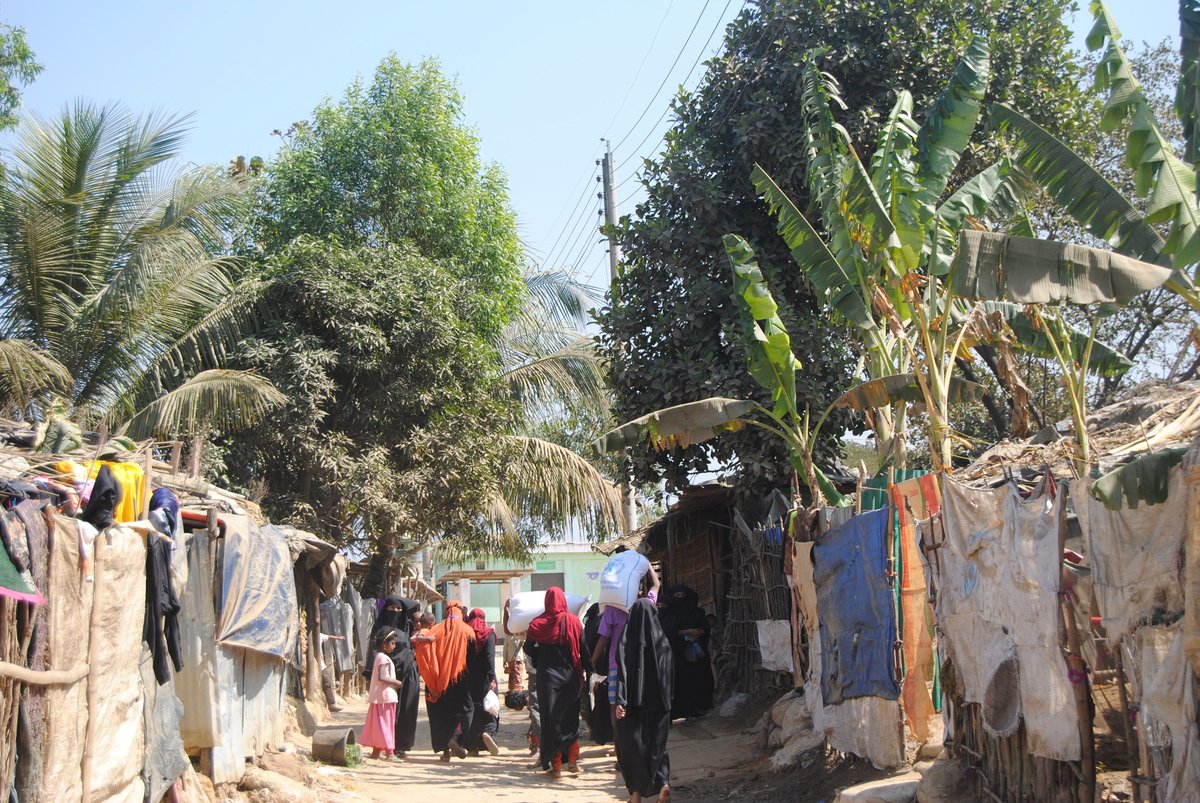
NEW in Perspectives: Lorenz Dantes investigates a recent case brought by Burmese refugees asking Phillippine courts to use universal jurisdiction to prosecute crimes against international humanitarian law in Myanmar.
Read the article here: https://t.co/ved1F6y4hs