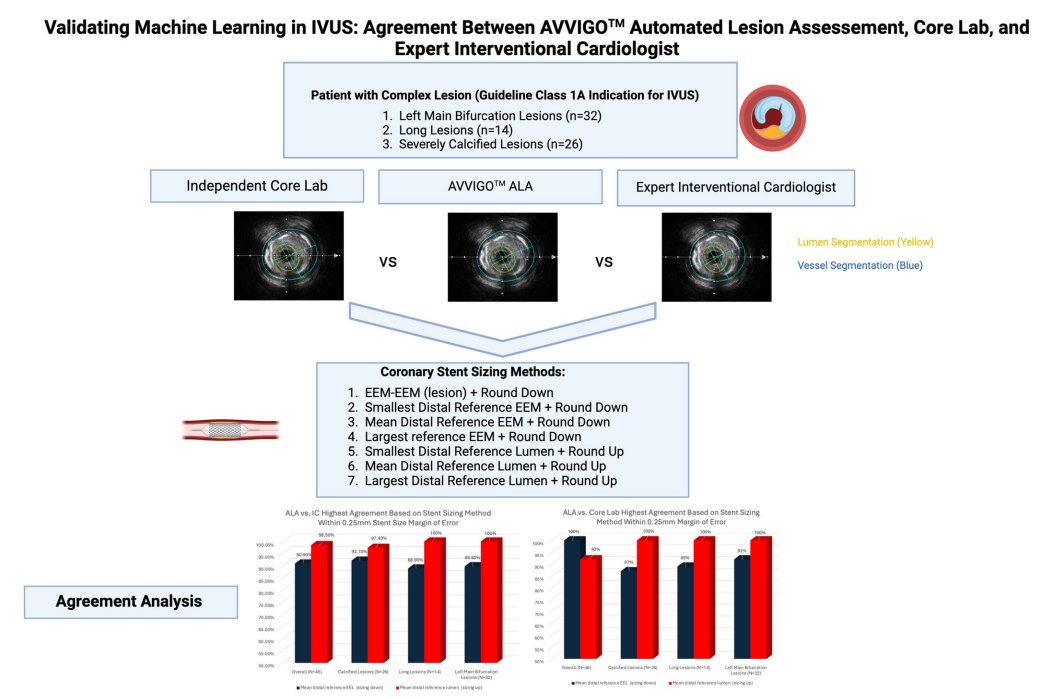
The data and guidelines are on your side when it comes to using physiology prior and post PCI. Watch the full interview with @HashimHayder and @DrAllenJ to learn why this is the best method to making sure the procedure was a success for the patient. https://t.co/bYXVZlBJu3
The statement from the ACC @ACCinTouch Interventional Council on the Match- a thread:
Interventional cardiologists are prepared 24/7/365 to care for the sickest cardiovascular patients. Our efforts are life-saving and improve people’s quality of life. #ACCFIT
Check out our recent publication on Impella malrotation and fluoroscopic confirmation of correct placement
https://t.co/MM5qK4d632
@GTCardFellows@ronwaksman
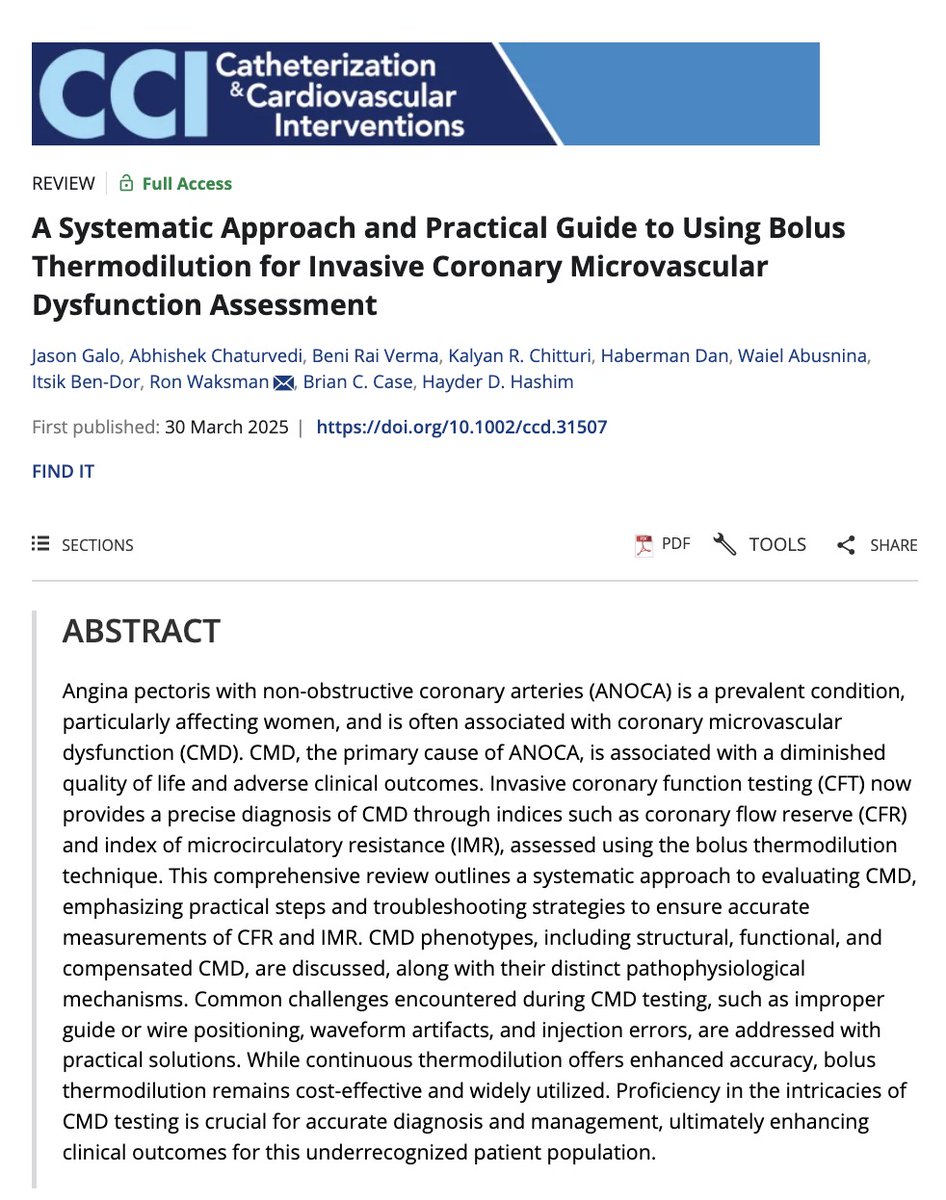
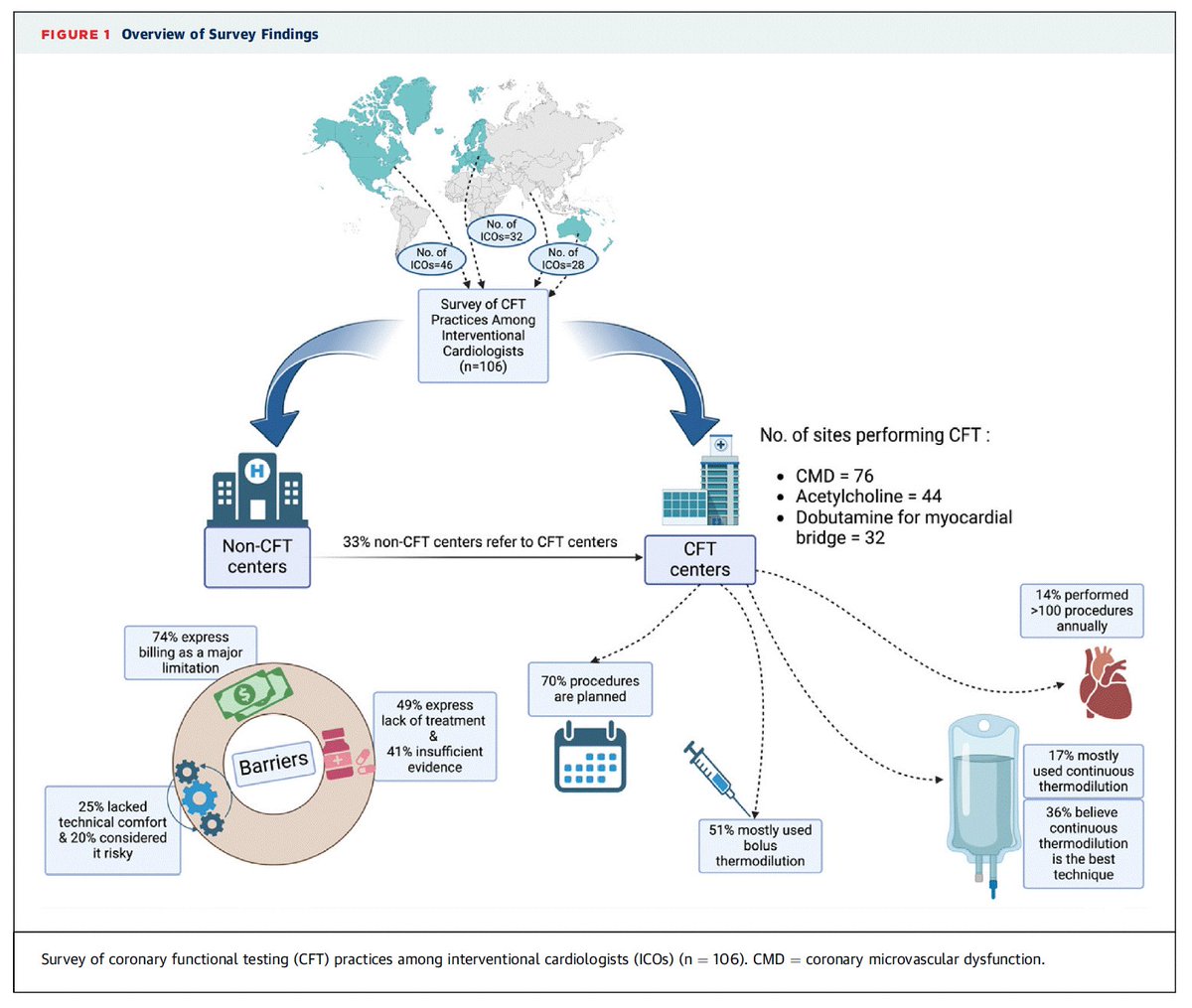
Our newly-published article "A Systematic Approach and Practical Guide to Using Bolus Thermodilution for Invasive Coronary Microvascular Dysfunction Assessment" provides a practical guide to performing invasive CMD testing: @BCase07@IAmDoctorAbhi
https://t.co/a3fcImOdVZ
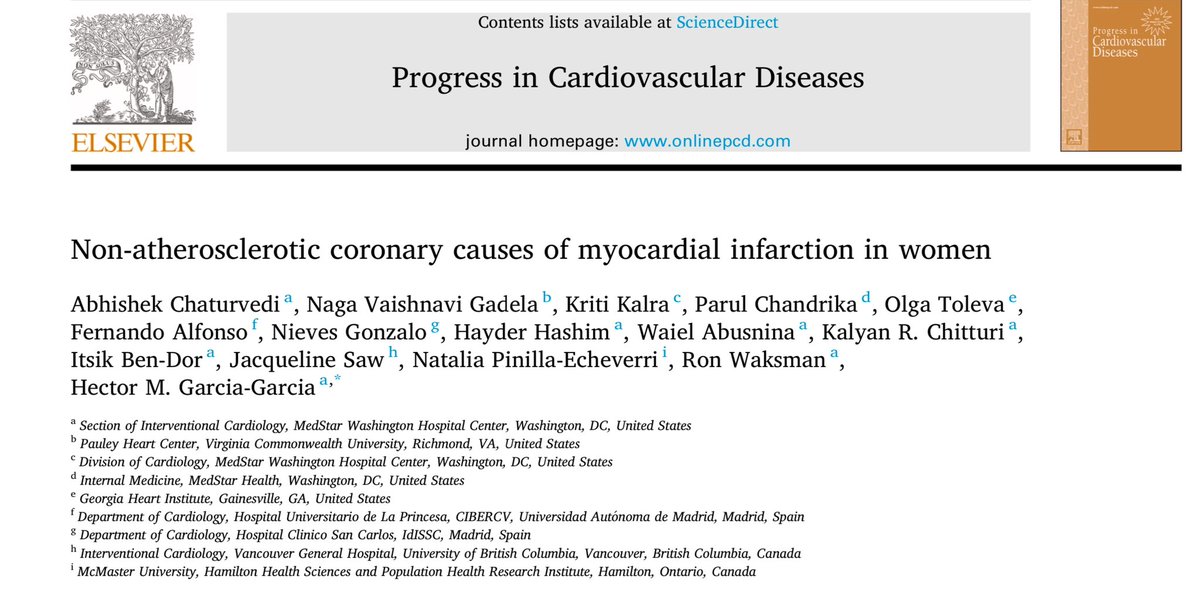
Out in @PCVDJournal: Our comprehensive review on the non-atherosclerotic coronary causes of MI in women.
#IHD is the leading cause of death among women & they are 2-5x more likely to suffer an MI from non-athero causes, yet underrecognized & undertreated https://t.co/Kw97s6xc8Z
The 5 most important words thus far at today’s #WomenHeartSummit: “Don’t accept the status quo”—@HashimHayder of @MedStarWHC.
Men get better cardiovascular healthcare than women (fact, not opinion). This costs society premature deaths + $$$.
We must change this.
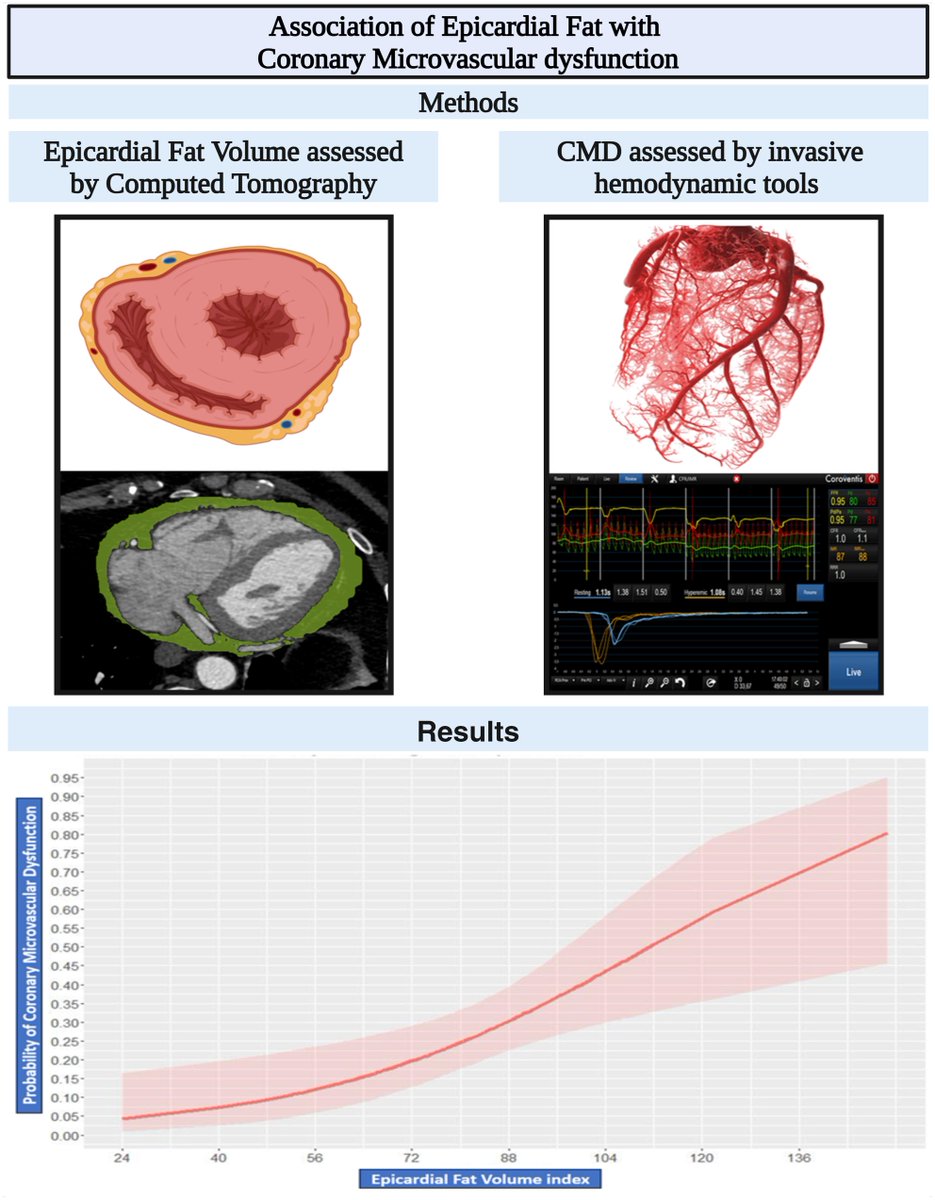
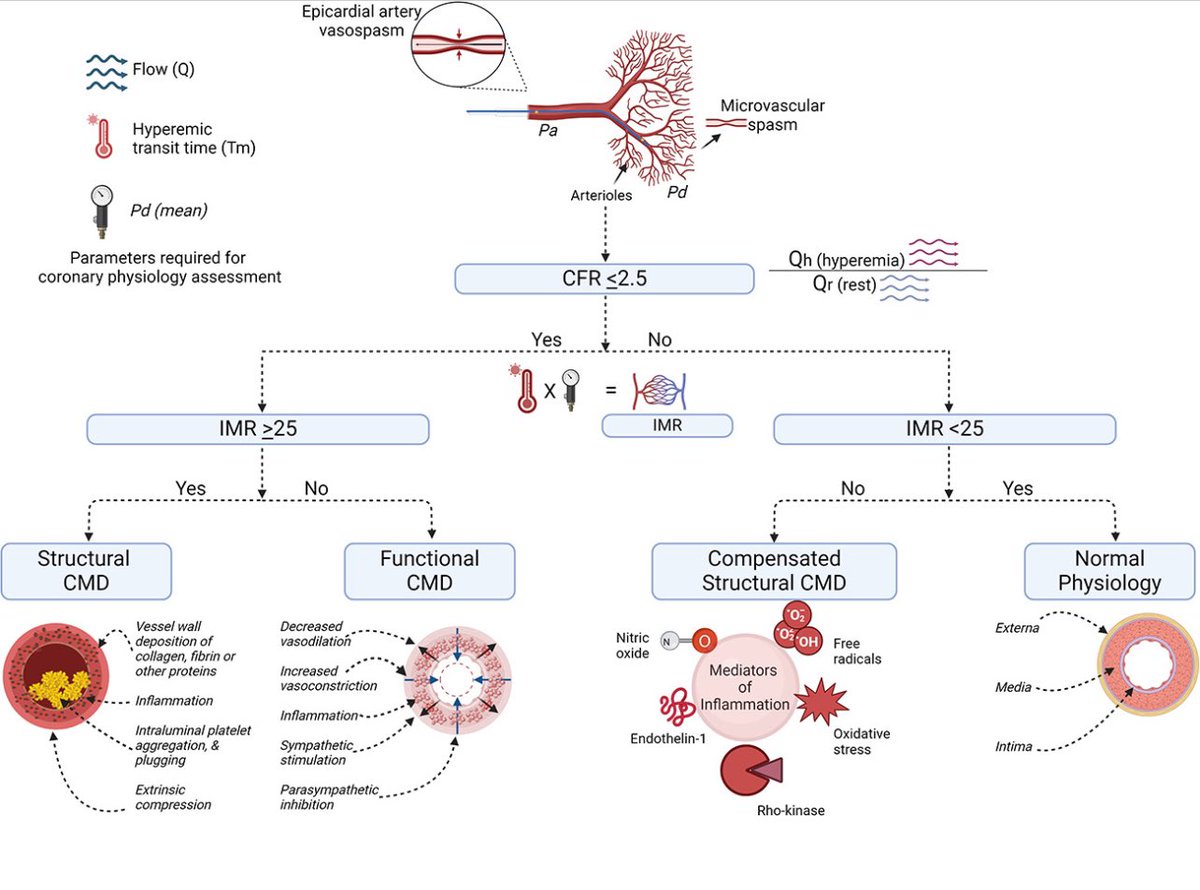
Our technical review, Coronary microvascular dysfunction endotypes: IMR tips and tricks, was just published in @CRMjournal. This article reviews CMD endotypes, techniques for microvascular assessment, and tips and tricks for accurate diagnosis.
https://t.co/b9hE0ggdsR
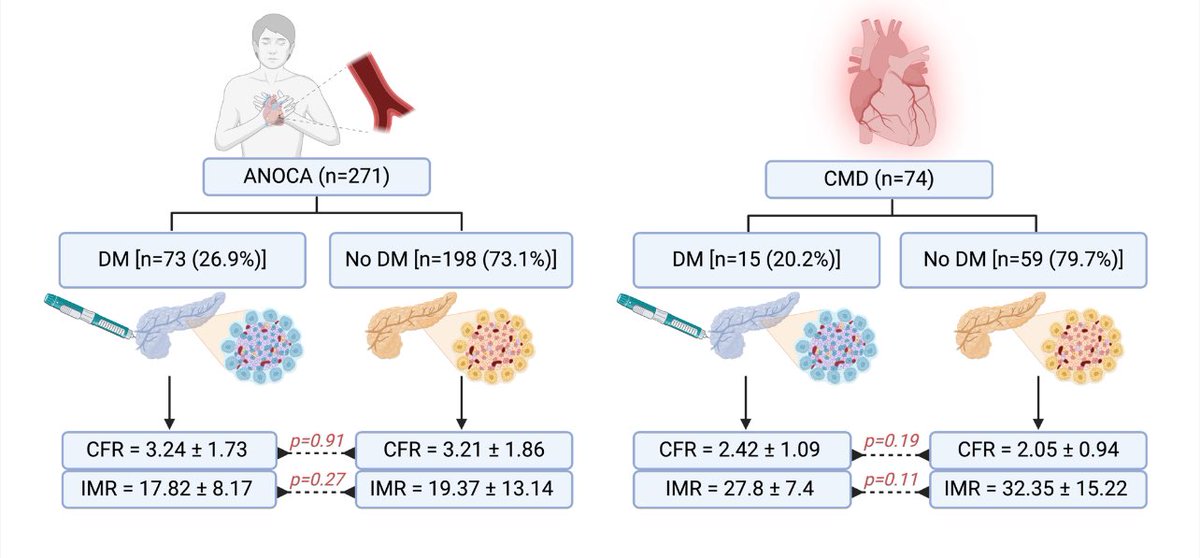
Just published in @ccijournal, our analysis of the Coronary Microvascular Disease Registry (NCT5960474) showed patients with ANOCA and diabetes presented with more comorbidities, although there was no difference in CMD physiology parameters.