What Traders Should Do on Weekends
Weekends are crucial for traders who want to stay sharp and continuously improve. With most financial markets closed, disciplined traders use this downtime to review, prepare, and refine their edge. Here’s how professionals approach their weekends:
⸻
🧠 1. Review the Previous Week
• Review all trades entries, exits, mistakes, and emotional responses.
• Update your trading journal with screenshots and structured notes.
• Identify performance patterns what worked, what failed, and why.
• Analyze metrics such as win rate, risk-to-reward ratio, and rule adherence.
⸻
📊 2. Backtest and Study Charts
• Analyze higher timeframe charts to map key levels for the coming week.
• Backtest strategies on historical data to validate or refine setups.
• Study market structure and price behavior without live market pressure.
I personally use @fx_replay for backtesting and Journaling, GOD bless the team behind the site.
⸻
📚 3. Develop Your Skills
• Study trading psychology and strategy material.
• Read books, review case studies, or listen to expert interviews.
• Improve your understanding of macroeconomic and fundamental drivers.
• My go to podcasts are @Wordsofrizdom and @chatwithtraders I prefer them to most X spaces.
⸻
📅 4. Plan the Coming Week
• Mark major economic events (CPI, NFP, FOMC, etc.).
• Build a focused watchlist of instruments and setups.
• Define trade scenarios and set alerts plan first, then execute.
⸻
🧘 5. Reset Mentally
• Rest and step away from charts.
• Exercise or engage in non-trading activities.
• Review your discipline and decision-making quality.
• Start the new week clear and objective.
⸻
💻 6. Optimize Your Setup
• Clean up charts and templates.
• Adjust indicators or scripts if needed.
• Verify platform performance, broker connectivity, and journal tools.
⸻
For traders especially those pursuing prop firm evaluations weekends are not idle time. They are your preparation window. Use them to sharpen your process and strengthen your discipline.
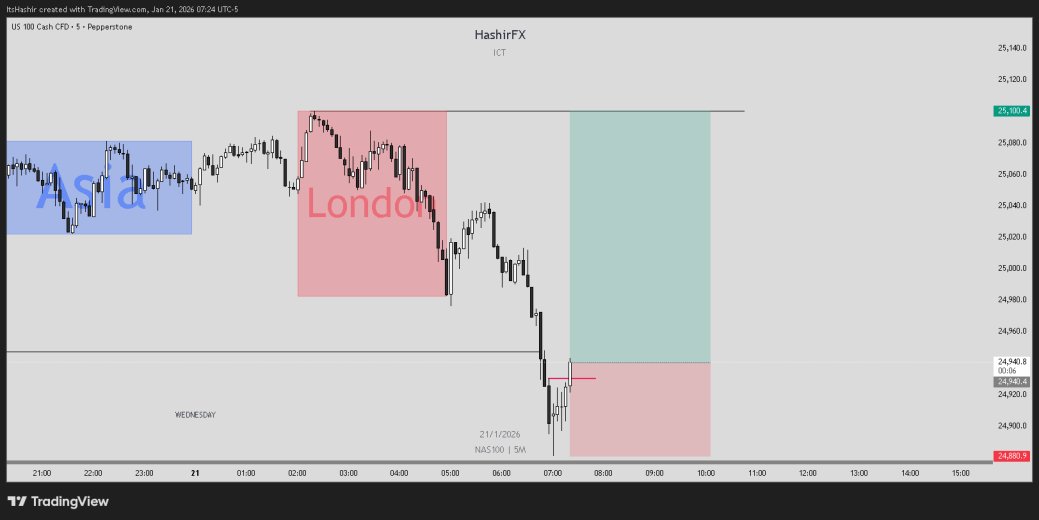
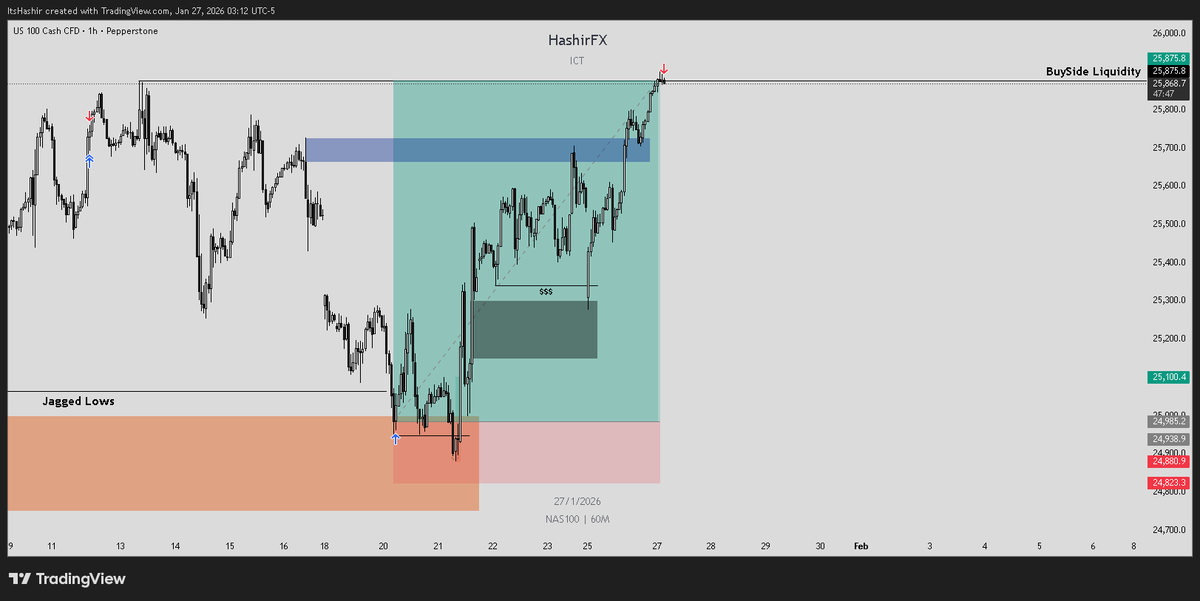
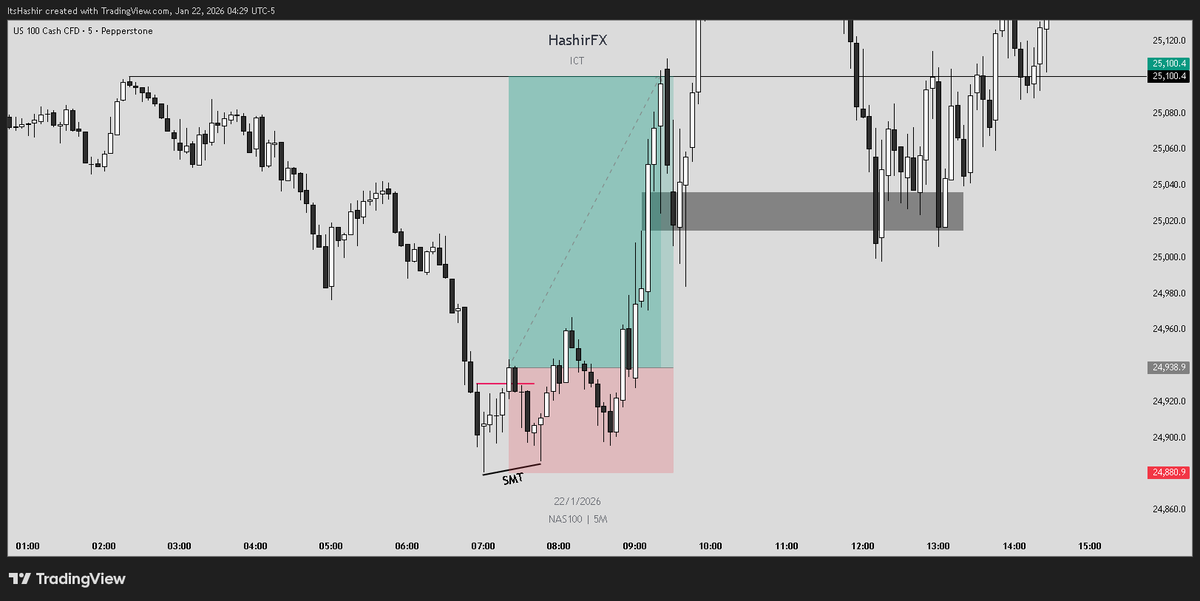
I took these $NQ swing buys at the bottom from the H4 Inversion looking for major buyside liquidity to be taken out. At first I had no SL as I was expecting another turtle soup below , and as expected we got another turtle soup inside the H4 inversion , giving us a good confirmation into buys , I placed my SL a little below the low. Tp was hit today , 5R+ booked🔒
If U.S. inflation is truly defeated, the forex market changes in a big way.
The dollar has been strong mainly because of high interest rates. Once inflation is under control, the Fed no longer needs to keep rates tight. That means rate cuts or at least no more hikes and that’s when the USD starts losing its edge.
You’d likely see the dollar slowly weaken, not crash. Capital starts rotating into other currencies where yields or growth look better. Risk sentiment improves, and the market shifts into a more “risk-on” environment.
Pairs like EURUSD and GBPUSD get support.
USDJPY becomes vulnerable because lower U.S. yields kill the carry trade.
Commodity currencies like AUD and NZD benefit from better global conditions.
Emerging market currencies usually enjoy this phase the most.
Volatility also cools down. When inflation stops being the main headline, markets stop reacting violently to every data print. Trading becomes more about trends, structure, and positioning not CPI panic.
Important detail though:
If inflation is defeated with a soft landing, it’s clean and tradable.
If it’s defeated because the U.S. economy breaks, the dollar may spike first as a safe haven before the real downside move starts.
Bottom line:
Beating U.S. inflation is usually the moment the USD dominance cycle starts to fade and opportunities open up across FX.