The prevalence of single-use plastics is pretty disheartening. It’s easy to see where future use-reduction will come from though if we look at foreign nations that are leading the way. #CUScistory
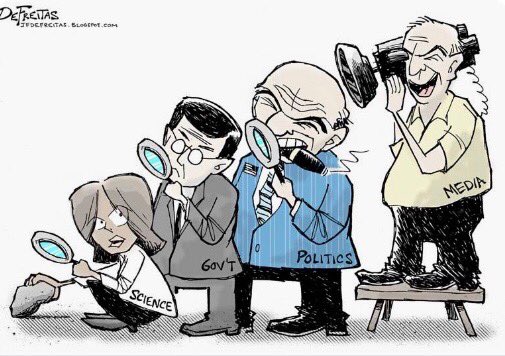
The future of science communication in the fake news age relies on teaching scientists themselves to communicate well. This takes out the middleman who may add bias to the information the scientists generate. #scicomm#futuretalk#cuscistory
An interesting article in its own right; but something wildly interesting is a short, linked snippet about large-scale Christmas tree farms' harvesting methods. The linked snippet brings you to a video showing bundles of trees transported by helicopters.
Why are cranberries and beets both red, but not from the same molecules? Is putting stuffing in the turkey dangerous? Apparently. And why are we all tired after dinner? Not just from tryptophan... #CUSciStory
Scientists may not want to acknowledge the shrinking returns because they want to cast a positive light on science - but the numbers are what they are. More than a little disappointing. https://t.co/Pn0YKfUfE8
An ancillary issue to this stigma is funding dementia research.
Biotech research has a tough time with funding because they have slim chances of success.
A solution to this may be megafunds. A portfolio can increase success rate and provide competitive returns for investors.
This article is for anyone in or entering into research. It pulls at the very foundation of science communication. It speaks on peer review of work. Just like the work itself, it is best treated as a "step on the road to assurance, not a final stamp of approval." #cuscistory
Despite the wide variety of benefits that come from oyster farming, as the industry grows, it must keep in mind that aquaculture farmers, too, can negatively impact the environment if they are not diligent about their practices.
Even more relevant with the future introduction of 5G. Many conspiracy theories revolve around the imposition of 5G to deliberately harm the general population. This discusses the substance -and lack-there-of- of past and current links between cell phones and cancer. #cuscistory
Do cellphones cause cancer? The world's largest study of the issue ends with a "maybe" and many caveats, and applies only to a long-outdated cellphone frequency. https://t.co/hKlsW9e1f0
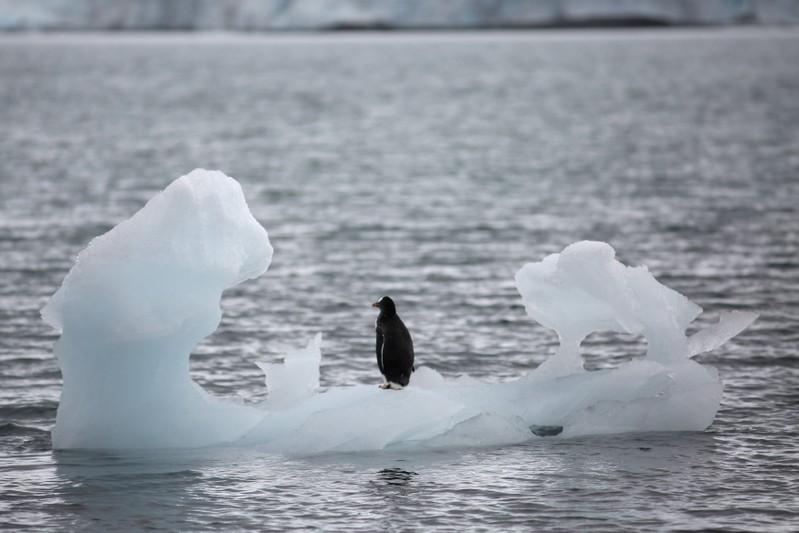
It’s widely known that melting ice shelves will lead to elevated sea levels. This article notes that rise at a maximum of 3 meters. But Antarctica may benefit slightly from a concurrent rise in land height.
Typical treatment for prehypertension revolves around changes in diet, increased exercise, and drug prescription. But an amino acid from fruit called l-citrulline may soon provide an easier way to drop blood pressure. #cuscistory
Octopuses on ecstasy offer evidence that there are more similarities between humans and octopuses than we thought. We produce a protein that's the same in octopuses; ecstasy increases serotonin flooding in cells' synapses the same way when it interacts with this protein.
A major pursuit in science and engineering, the civilian trip to space is now welcoming the idea of allowing the art world to benefit from - and contribute to - the extraterrestrial journey.
Yusaku Maezawa wants to take artists to the moon. We asked Ai Weiwei, Laurie Anderson, Daniel Liebeskind and others what they'd do if they got to go. https://t.co/pALOaXfcP5
Common conspiracy theory: large institutions are hiding a cure to cancer. It revolves around the idea of there being a single panacea. Cancers can be vastly different from one another though. We have cured many... just not all!
It’s almost unfair that all cases of cells w/ cancerous growth are just bundled as “cancer.” Different types express and react to tx differently - it can be like 🍎s and 🍊s. Ever known someone that had cancer and now doesn’t? The cancer didn’t give up - it was cured! Be hopeful!
Micro beads were banned under the Obama administration because of their toxicity and environmental harm. Now experts are trying to elucidate to the public that contact lenses have similar properties and cause similar impacts once they’ve been been flushed down a sink or toilet.
20 percent of people in a survey flushed their disposable contact lenses down the sink or washed them down the drain. Are you one of them? https://t.co/ANXAz9mNYn