Histology reveals all of the studied Haya were skeletally immature juveniles/subadults and could’ve potentially grown much larger, as is likely true for most dinosaur samples.
I’m thrilled to start my #FossilFriday by announcing the publication of our monograph on the Late Cretaceous Mongolian ornithischian dinosaur Haya griva in Bulletin of @AMNH! Part of my dissertation tackled the anatomy, histology, ontogeny, and phylogeny of this key taxon.
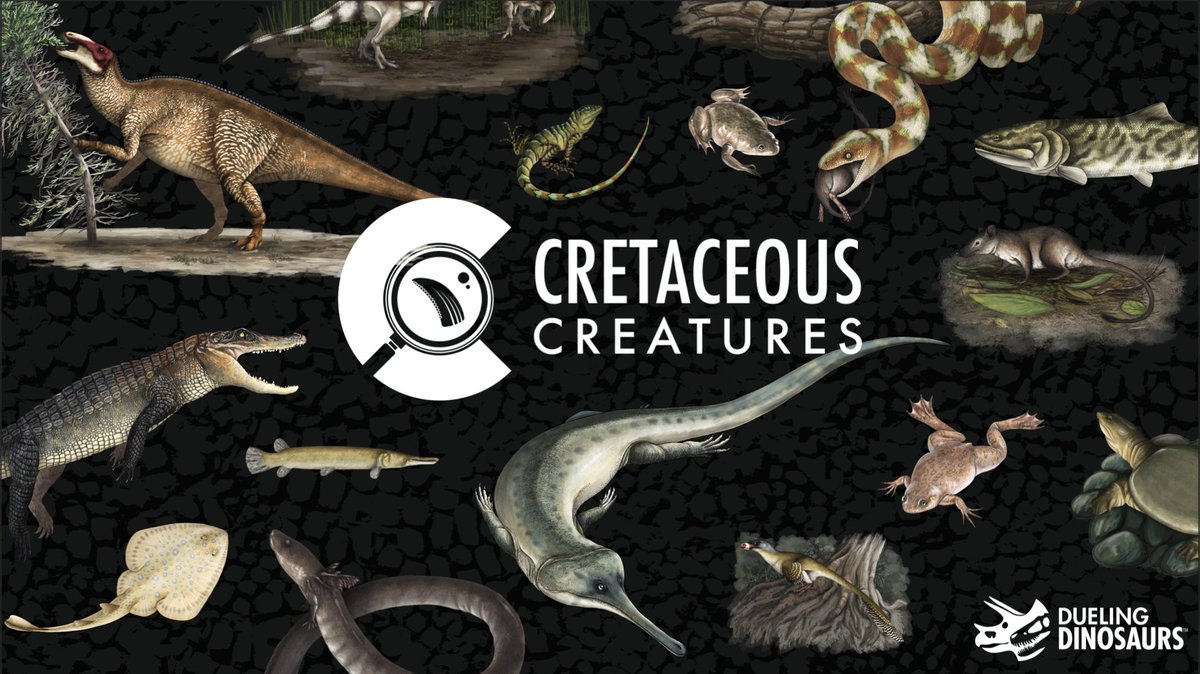
Thescelosaurus lived alongside the @duelingdinos and watched as the sky turned to fire when a mountain sized asteroid hit Earth. There's still a lot we don't know about these animals, but if you're in middle school you can help us learn more by checking out @CretCreatures
Check out this video of our new public science project associated with the #DuelingDinosaursProject! @CretCreatures will provide schools across NC & beyond the opportunity to help our scientists conduct new research in paleontology!
https://t.co/J4DNNb8Q1B
so honored to have a stellar kick-off Dueling Dinosaurs research team incl. our new #SECU DinoLab manager @Bwana_Lund, operations manager @lisaherzog_me, team geologist @EricRobertsJCU, and public science project @CretCreatures researchers @cullen_thomas & @Haviv_Avrahami
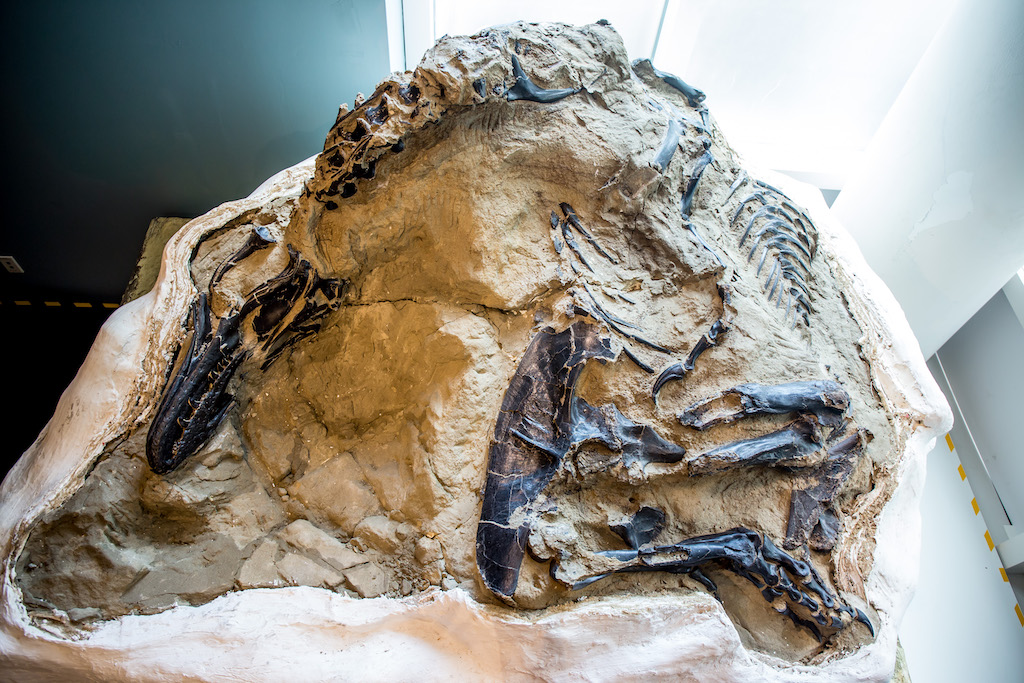
Why's this important? The specimen includes the best-preserved skeletons of Triceratops and T. rex to date.
We'll have the only 100% complete skeleton of T. rex ever found. Both dinosaurs were preserved together in a potential predator-prey encounter.
Through this gift, our world-renowned researchers have access to rare biological data typically lost during preservation.
The fossils show incredible features like body outlines, skin impressions, soft tissues, injuries and more, to ensure decades of research.