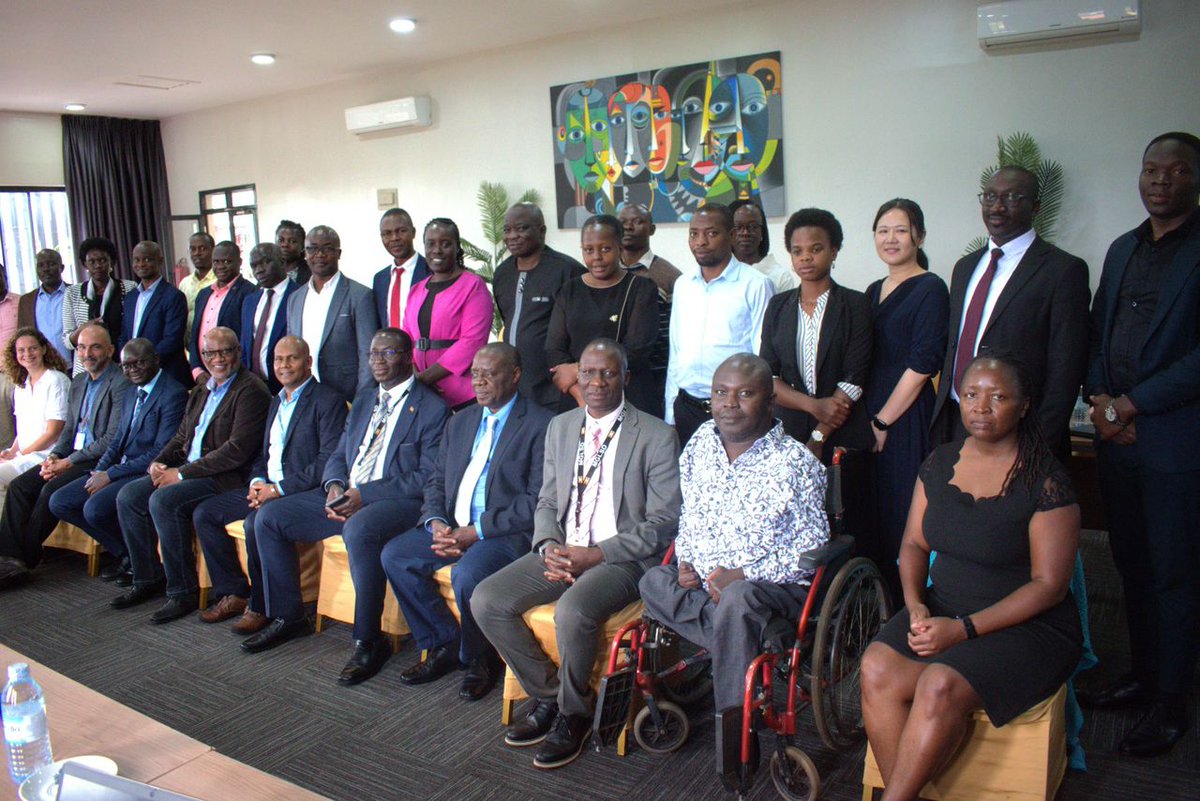
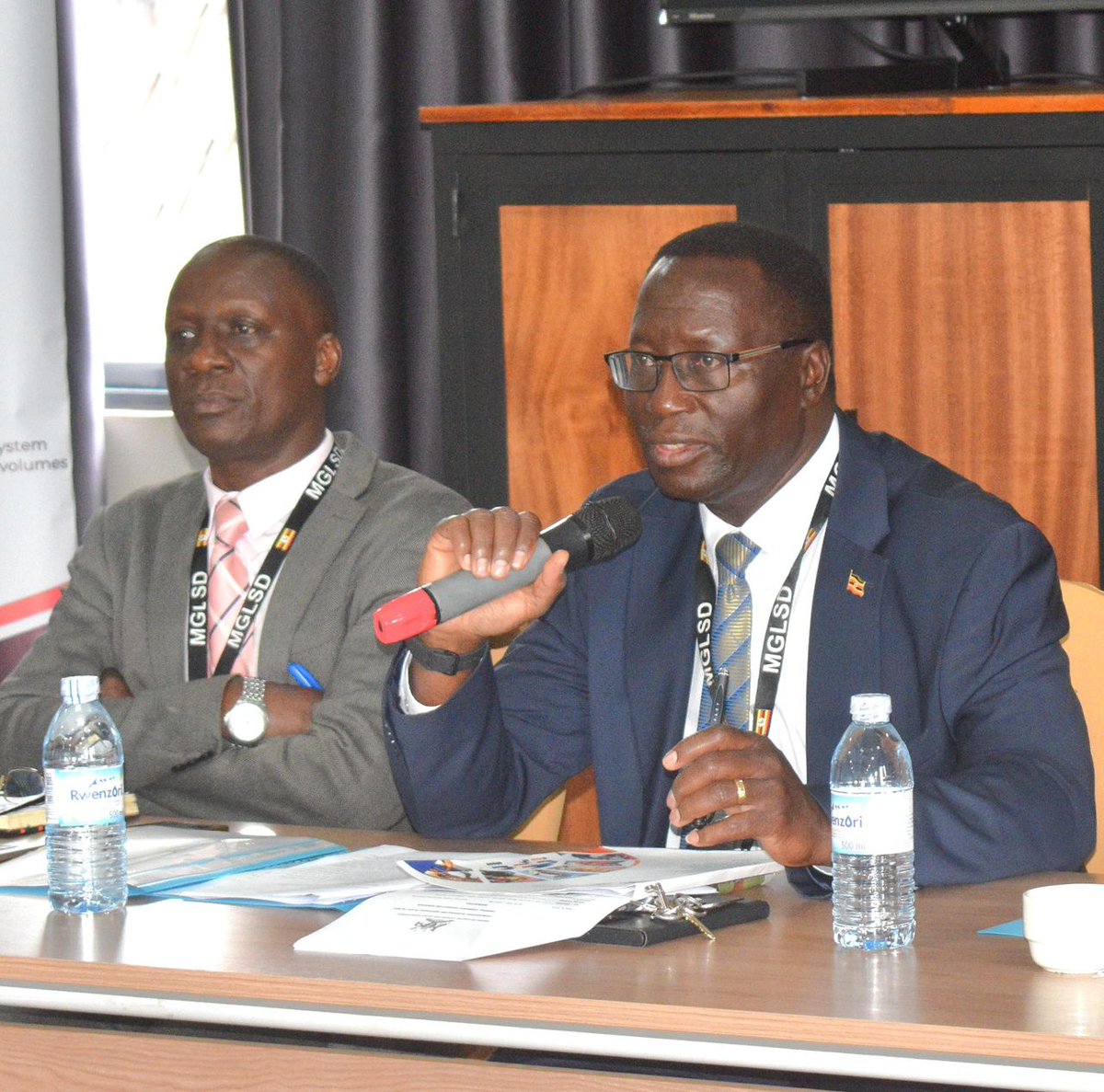
The Permanent Secretary @AggreyKibenge highlighted progress at the 7th #JLIRP meeting, calling for stronger action to boost refugee & host community livelihoods. Priorities: finalize JLIRP evaluation, launch Self-Reliance Index, & scale up initiatives. @UNHCRuganda
Partnerships enable sustainable scale. Appreciation to the MGSLD team on exploring partnerships towards joint delivery on the mandate to alleviate poverty. @Mglsd_UG@village_ent
Day 1 of the Parish Development Module (PDM) – Community Mobilisation & Mindset Change Pillar planning meeting is underway at @Mglsd_UG.
The 2-day session focuses on identifying, integrating & designing Pillar 5 interventions under the Parish Development Model. @village_ent#PDM
Day 1 of the Parish Development Module (PDM) – Community Mobilisation & Mindset Change Pillar planning meeting is underway at @Mglsd_UG.
The 2-day session focuses on identifying, integrating & designing Pillar 5 interventions under the Parish Development Model. @village_ent#PDM
Uganda has launched the Graduation Community of Practice! 🎉
Together with @WorldVisionUg, @brac_uganda, @AVSIUganda, @MercyCorpsug, & @UNHCRuganda, we’re uniting to support vulnerable households to escape extreme poverty by starting small businesses and savings groups.
Today is menstrual Hygiene Day
Do we understand menstruation?
How do we manage menstruation?
Do we celebrate it or are ashamed of it?
How do we enable hygienic menstruation?
One of the privileges, which should actually be a right - is to afford, access, & enjoy menstrual hygiene
@GODFREY_Kutesa What is painful about this is we victimize & re-victimize others. Many of us would rather reinforce pain for others because it’s what has been normalized. If you have time to ask someone whose loss it is, make time to support them they the pain you will have unraveled.
IT TAKES A VILLAGE TO RAISE A CHILD
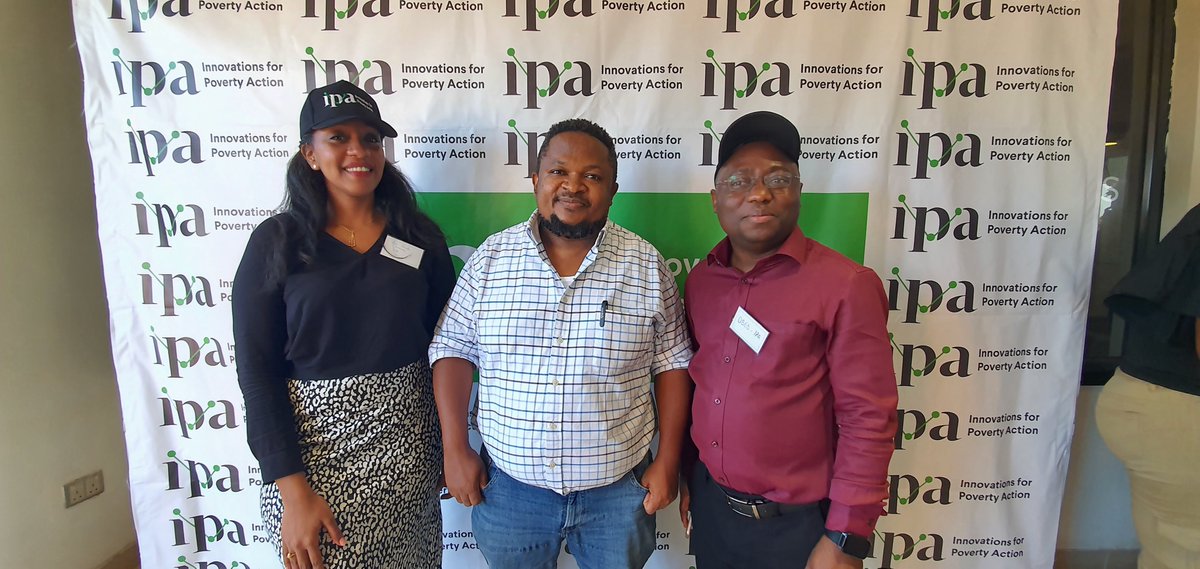
On the invitation of Alia Abdalla Mustafa and Obed Kambasu, PhD., Senior Policy Associate and Policy Manager respectively, at the Uganda Office of the Innovations for Poverty Action (@poverty_action), I am spending my next two days at the K Hotel, Entebbe for the IPA Two-Generation Needs Assessment Validation Workshop.
For starters, the Two-Generation Theory is a paradigm built on the foundation that, to sustainably improve the lives of especially disadvantaged children and therefore disrupt the intergenerational transmission of poverty, early childhood development (0-5 years) efforts ought to be widened beyond the children, who are the primary beneficiaries of these efforts, also to include the caregiving support system especially the parents and other household caregivers.
IPA is a US-headquartered global research and policy nonprofit committed to reducing global poverty by researching, discovering and advancing new and evidence-based ways of tackling poverty. This is done by bringing together researchers and decision-makers to design, rigorously evaluate and refine these innovative solutions and their applications, and ensuring that the evidence created is used to improve the lives of the world’s poor.
During this two-day Two-Generation Needs Assessment Validation Workshop, we will be discussing the findings of a study conducted by IPA amongst government officials, researchers, and program implementers in Uganda’s education, livelihoods, mental health, gender, and refugee response fields.
The purpose of the study was to gain insights into what these key actors feel are the current concerns and challenges relating to young children’s development, parenting, and the overall well-being of parents, and how these are connected to intervention and policy opportunities that seek to improve outcomes for young children and parents.
Some of the salient issues identified by the study include:
📌Poverty and Associated Challenges to Providing Care
📌Malnutrition and Food Insecurity
📌Poor Levels of Early Childhood Learning and Development and Lack of Intervention
📌Parenting Knowledge and Social Norms
📌Health and Sanitation
📌Violence, Trauma, and Psychosocial Challenges
We are spending the next two days, discussing these findings as well as the opportunities and enriching the study with local insights. The ultimate goal is to produce an evidence-based body of knowledge that can be relied upon by all the actors to address the fragmented approach to issues of early childhood development through a better Two-Generation Approach, policy and practice.
@HawaKagoya@aqrchet