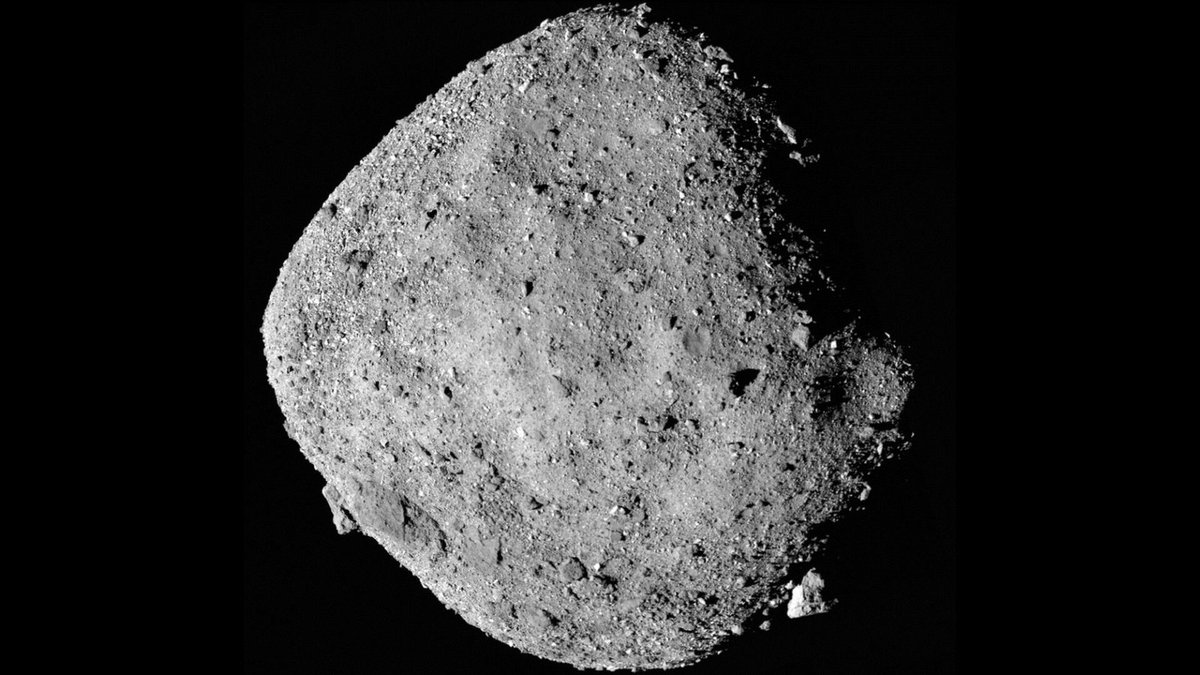
How weak is Bennu’s surface? Less than 1 Pascal, which is 50× weaker than ground coffee.
Nature Communications, using OSIRIS-REx samples: grain size and shape control asteroid regolith strength. Scarcity of fine dust is what leaves Bennu so under-bound.
https://t.co/ljjHX1yD8p
New in The Planetary Science Journal (Runyon et al.): ejecta under Earth, lunar, and Mars/Mercury gravity on parabolic flights.
Runout length is gravity-independent; runout efficiency isn’t. Landscape evolution on the Moon isn’t a simple Earth downscale.
https://t.co/0EmSRQXaq1
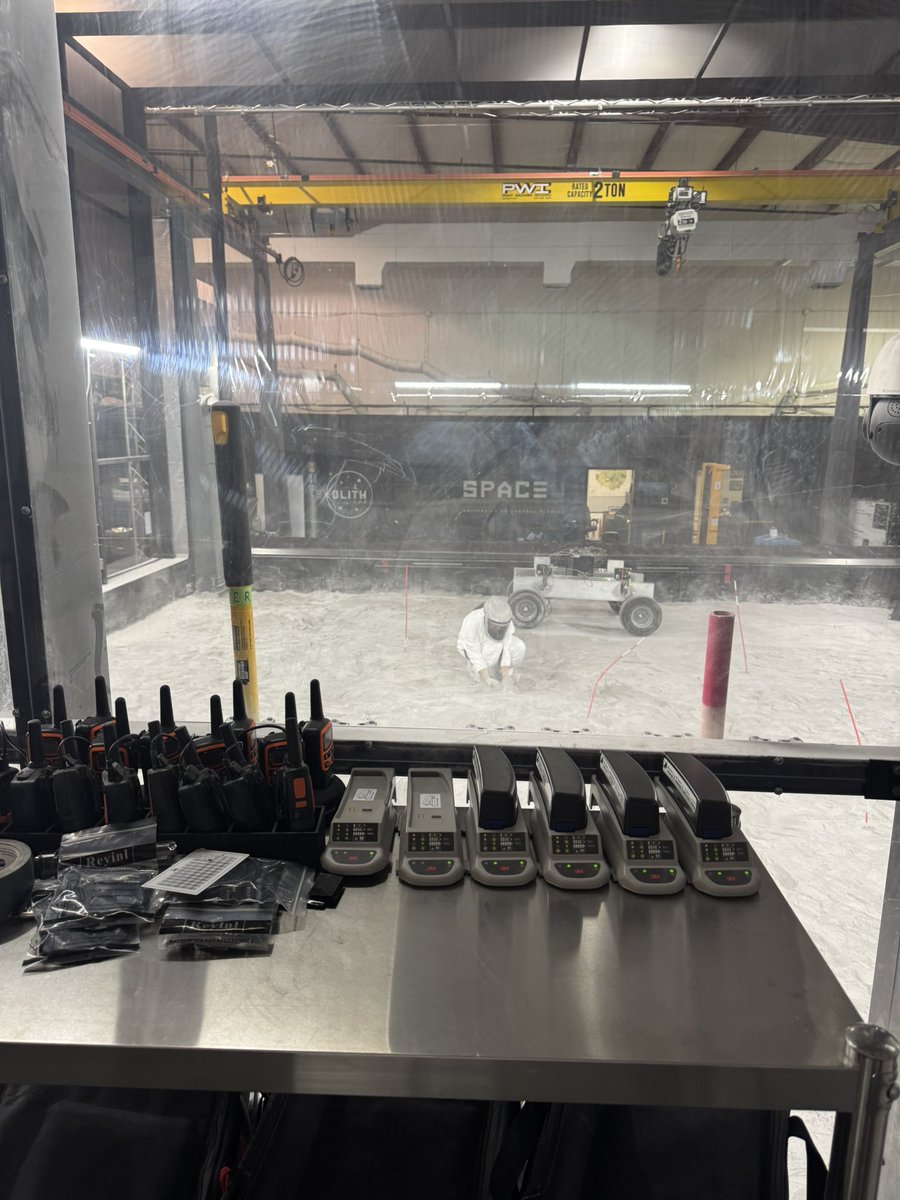
We are currently testing the technology in lunar simulations with added time delay.
More work is needed to perfect the AI and optimize the method, but the results so far are great. The PhD student Carson Gray won 1st place at a conference for his work.
7/7
Beating the speed of light! The Moon is about 3 seconds away from Earth at light speed (round trip). That delay is enough to break remotely-operated mining.
Dr. Luis Rabelo’s team of the Stephen Hawking Center at @UCF are building a digital twin + AI system… /1
…the twin manages alterations to the string of commands that have not gone out yet to improve synch between real robot and twin without confusing the operator.
The result: the operator sees no time delay and drives the robot seemlessly.
/6
NASA has invited ISRO into its Moon Base program — a sustained south-polar outpost under the Artemis Accords.
U.S. Ambassador Sergio Gor confirmed it this week: "we want India by our side on the lunar surface."
https://t.co/UJzFc7uKhg
NASA Langley began a major PSI campaign in its 60-ft vacuum sphere: ethane into Black Point-1 simulant, tracking cratering and ejecta for Moon landings.
Among NASA’s most flight-relevant plume–surface series. Next: Utah State hybrid. Feeds HLS models.
https://t.co/E3YZHf0sUu
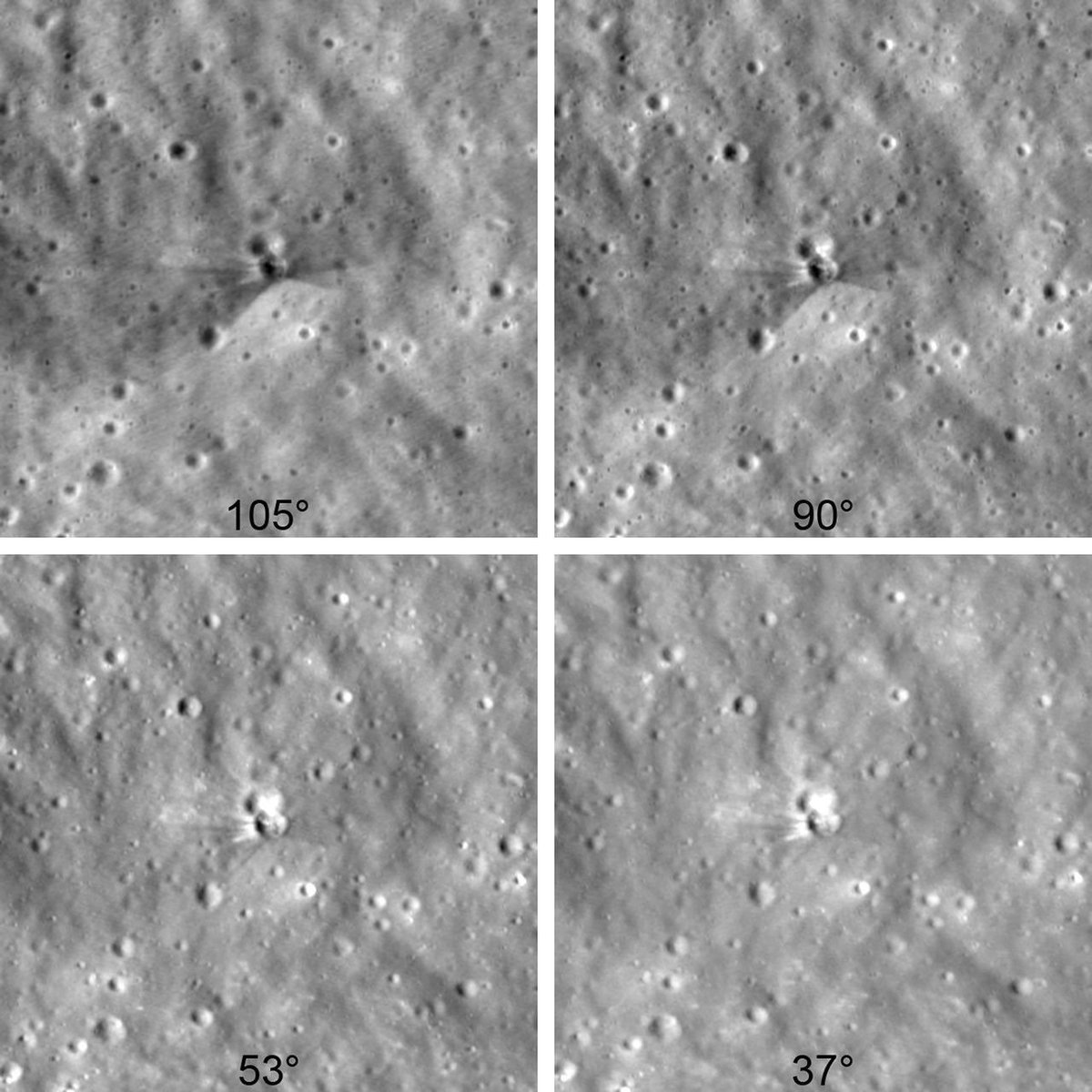
LRO imaged the Aug 5 Falcon 9 upper-stage crater on the Moon: ~18 m wide, <3 m deep, V-shaped ejecta from an oblique impact.
Bright fresh rays vs darker mature regolith — a clean experiment in lunar impact mechanics.
https://t.co/odyVKduQiW
Nature Communications: particle size and shape set granular asteroid strength.
On Bennu (from OSIRIS-REx samples), surface cohesion comes out below 1 Pa — ~50× weaker than ground coffee — mostly from a scarcity of fine dust.
https://t.co/ljjHX1yD8p
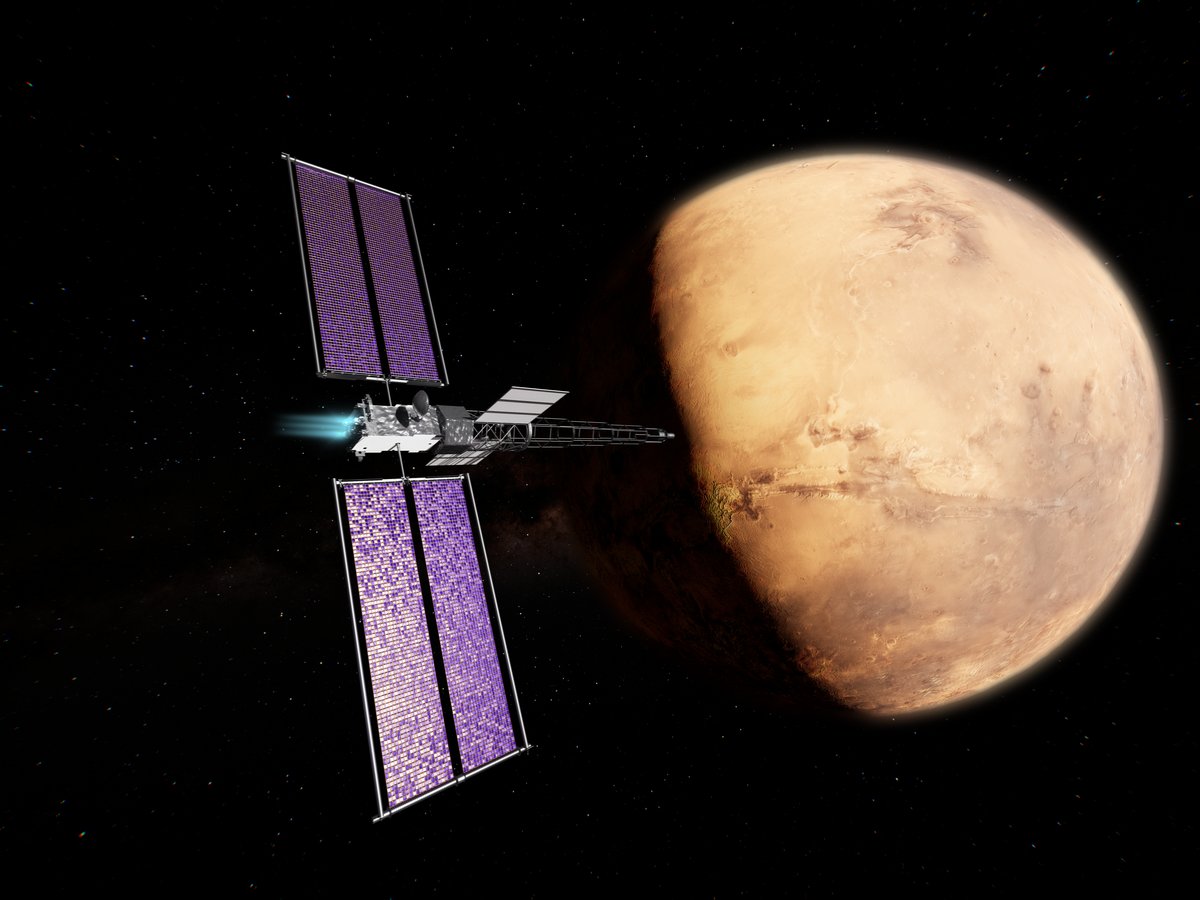
NASA’s draft SPARC solicitation makes Lunar Reactor-1 concrete: ~20 kWe HALEU fission for the lunar surface, meant to run through the long night.
Phase 1 task orders ride with the award. Comments due Sept 25; final RFP ~Nov 15. Target: Moon by 2030.
https://t.co/IpNJMNxcpP
The Moon needs AI autonomy. Earth can’t drive the south pole — blackouts, two-week nights, no GPS.
NASA is getting ready to test that on the Moon: CADRE’s three suitcase-size rovers will elect a leader and replan as a team on IM-3. No joystick.
https://t.co/KcJjn5WqkA
Sunlight in. Lunar-regolith simulant in. Carbon monoxide out.
NASA’s CaRD ran a solar concentrator into a carbothermal reactor and confirmed the chemistry that pulls oxygen from Moon dirt.
https://t.co/L2fHt2FFMY
Elementary classrooms are 3D-printing, assembling, and driving a lunar mining robot.
RE-RASSOR is descended from NASA’s RASSOR excavator. College teams design it. Kids build it and operate it.
We want to give it to more schools. Contact us if interested!
1/2
“I think the human race has no future if it doesn't go into space.” — Stephen Hawking
Hawking flew in zero-g “to encourage public interest in space,” and he commissioned @UCF and @SpaceFlorida to carry his vision, creating public on-ramps to space.
That is the Hawking Center.