The federal government spent $3.8 billion on DARE between 1983 and 2009, and every major longitudinal study concluded the program increased drug curiosity among participants. The General Accounting Office reviewed six long-term evaluations in 2003 and found DARE produced zero statistically significant difference in illicit drug use. The Surgeon General, the National Academy of Sciences, and the Government Accountability Office all said the same thing: DARE failed. Congress kept funding it anyway.
This is what central planners do. They identify a problem, design a solution without market feedback, spend decades ignoring contrary evidence, and protect the program because the bureaucracy depends on it. DARE gave police departments a public relations budget disguised as education. It gave officers a reason to enter schools. The incentive was never reducing drug use. The incentive was institutional survival.
A simpler mechanism is also at work. Tell a twelve-year-old that heroin, cocaine, and marijuana exist, describe their effects in vivid detail, and then instruct him not to try them. You've just handed him a menu. Prohibition teaches the product, not abstinence. Parents who handle this privately, without a uniformed officer narrating the pharmacology of methamphetamine, produce quieter, less curious children on the subject.
The market alternative already existed: voluntary community programs, church groups, family-driven education. None of these required a $3.8 billion federal mandate. The government crowded them out, delivered a worse product, and called the outcome a public health investment.
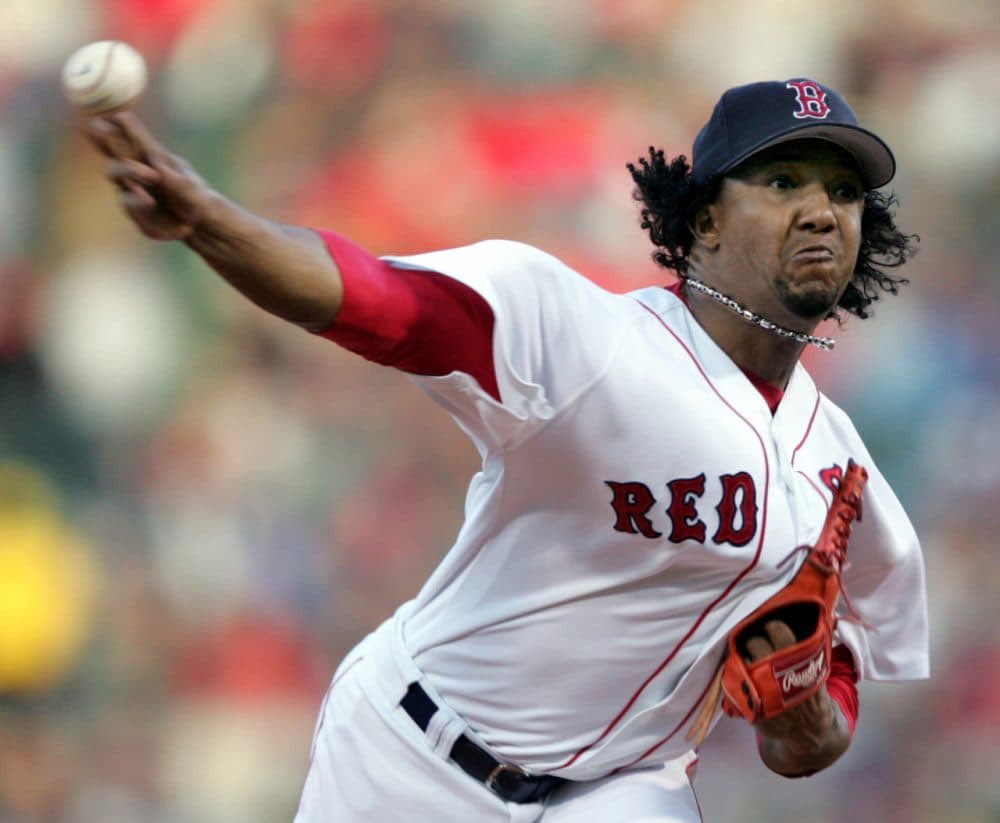
Who’s in your dream starting rotation? I mean at their very best, you get the peak version of each guy. I’ll start:
1. Pedro Martinez
2. Bob Gibson
3. Sandy Koufax
4. Dwight Gooden
5. Randy Johnson
Everyday is a new opportunity. You can build on yesterday's success or put its failures behind and start over again. That's the way life is, with a new game every day, and that's the way baseball is. -Bob Feller