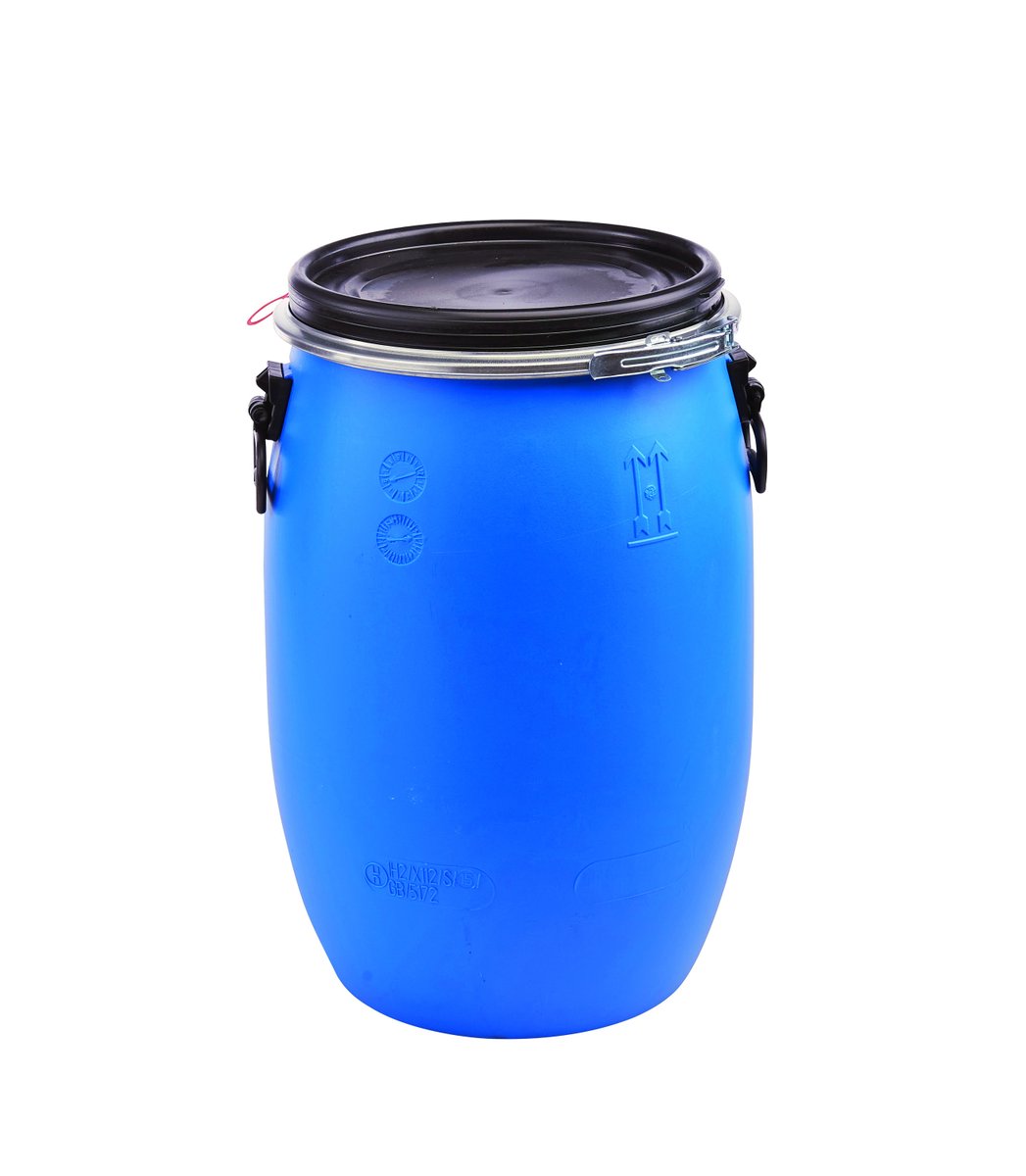
Ideally, hazardous waste is reused or recycled. If this is not possible, hazardous waste is safely contained while it is stored, transported, and properly disposed of to prevent an accidental release into the environment #wastemanagement#mondaythoughts#Recycle
Battery Acid is a Toxic waste, it can cause serious health problems and can even be fatal when ingested, inhaled or absorbed. They contain mercury, cadmium, arsenic & lead. When disposed of improperly, like when thrown in landfills or sewers, it will contaminate the soil.
Industrial chemical waste is often very toxic and difficult and costly to dispose of. Some choose to “solve” this problem by exporting the toxic waste to countries with little or no control where it is simply dumped without any treatment of safety measures #FridayThoughts#safety
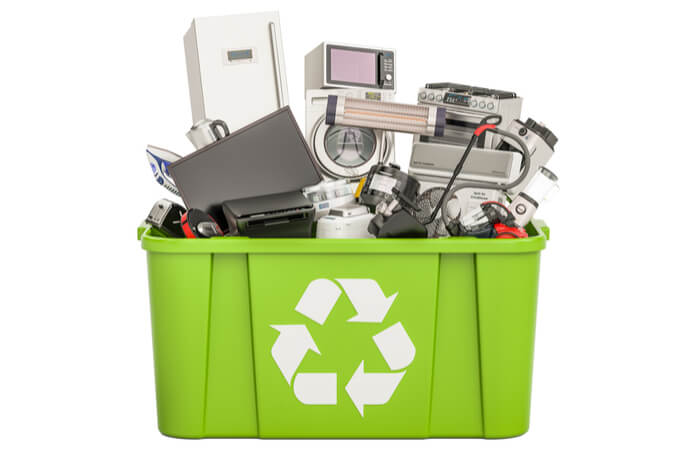
The amount of electronic waste (or e-waste) has been exploding in recent year along with technological developments. Roughly 50 million tons of e-waste is produced a year and most of it is shipped to / dumped in poor countries in Asia and Africa. #fact#electronics#FridayFeeling
Historically, some hazardous wastes were disposed of in regular landfills. This resulted in unfavorable amounts of hazardous materials seeping into the ground. These chemicals eventually entered to natural hydrologic systems #Fact#FridayThoughts#wastemanagement#carbonfootprint
Hazardous waste can come from a variety of sources including lead-acid batteries, waste electrical and electronic equipment, which can contain heavy metals. If not contained and disposed of properly, it could have major ramifications on the environment. #wastemanagement#thursday
If you keep hazardous waste on your premises, even for a short period of time, you must:
maintain and keep an inventory of the haz wastes kept on your premises, and where they are stored #safely#Compliance#TuesdayThoughts
We can provide containers so that your aerosols can be segregated and then sent on for recycling.
The recycling process involves the separation of propellants, liquids and metal casings.
#recycling#WasteManagement#aerosol#TuesdayThoughts
We collect and incinerate or shred and recycle various types of sensitive waste products including office papers and legal documents, medical records, computer software and discs and IT and electrical wastes. #environment#safety#MondayMotivation
Through our strategic partnerships with bulk carriers we are also able to handle your waste waters such as interceptor wastes, process by-products, process effluents and wash waters. #water#waste#mondaythoughts
Businesses are legally responsible for their waste, even after it has left the property. This applies to those that produce, import or export, carry or transport, keep or store, treat, or dispose of waste #Compliance#FridayThoughts#Construction