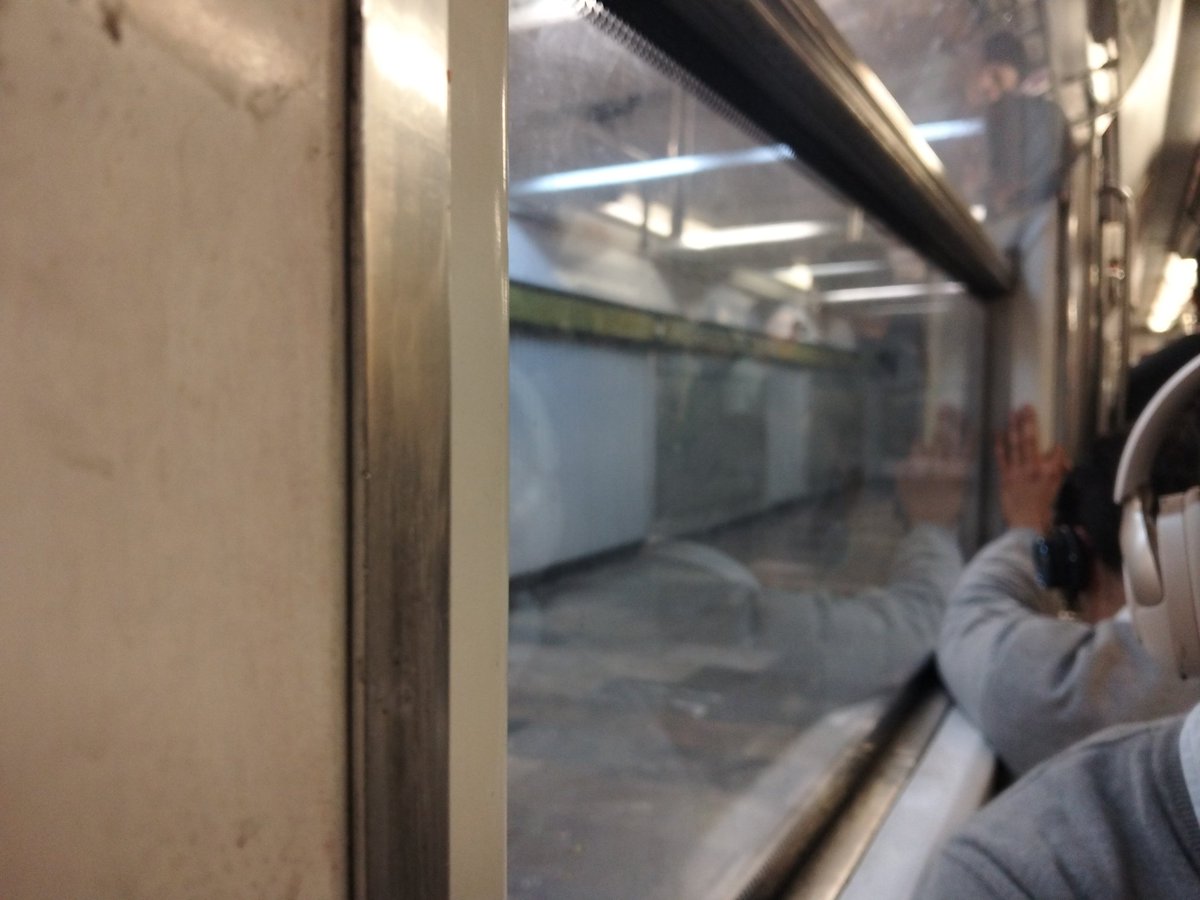
Hasta el hartazgo la pregunta y los HDTSPM del @MetroCDMX nunca responden por qué si hay interfón NO avisan qué pasa. Llevamos casi 30 minutos detenidos en Hospital General L3 y NO informan qué puar madre pasa.
@TerrorRestMX Hola esta es una queja: La semana pasada fui al @El_Pendulo de Perisur y me topé con un wey nefasto gritándole al personal del restaurante, mi sorpresa cuando fue a nuestra mesa a verificar que todo estuviera bien y ver que era el gerente.
Sexto Piso llora la pérdida de Goran Petrović, escritor serbio que dejó una huella imborrable en la historia de nuestra editorial y en los corazones de sus lectorxs, en México y el mundo. Hasta siempre, querido amigo🤍. Gracias por compartir con nosotrxs tu alma y tu literatura.
Personajes como Milei no surgen de la nada. La época actual tiene grandes similitudes con el periodo de entreguerras del siglo pasado en el que tuvo su auge el fascismo. Aquel tiempo, como advirtió Gramsci, era de monstruos. ¿Por qué surgen estas épocas monstruosas? Hilo breve.
12 Reasons Why Cities Need More Trees:
1. Temperature Control
One large tree is equivalent to 10 air conditioning units, and the shade they provide can reduce street temperature by more than 30%.
2. Noise Reduction
Trees can reduce loudness by up to 50%. In urban areas filled with the sound of cars, construction, sirens, aeroplanes, and music, trees are essentially the best way to block noise and keep cities — along with the homes and workplaces in them — quieter.
3. Air Purity
Trees remove an astonishing amount of harmful pollutants and toxins from the air. In urban areas air quality is often disastrously bad — with severe consequences for our health. Trees make the air we breathe much cleaner.
4. Oxygen
And, while absorbing all those pollutants, trees also put more oxygen back into the urban environment. Oxygen levels are significantly lower in cities compared to the countryside; trees help to solve that problem.
5. Water Management
Trees do more than just shelter us and our buildings from rain — which is, in fact, extremely important. They also absorb huge quantities of water, reduce run-off, neutralise the severity of flooding, and make flooding more unlikely altogether. Not to forget that their roots absorb pollutants and prevent them from feeding back into a city's water supply.
6. Psychological Health
Studies have proven what we instinctively know to be true: that human beings are significantly happier when surrounded by nature rather than sterile urban environments. Our emotions, behaviour, and thoughts are shaped by the places we spend time — and trees have a profoundly positive effect on our psychology. The consequential benefits of being happier and more peaceful — as individuals and as a society — are immense.
7. Physical Health
Beyond all the other ways in which trees improve air quality and the urban environment, much to the benefit of our health, they also encourage people to go outside. Cycling, running, and walking are all more common in urban areas with plenty of trees. A knock-on effect of people spending more time outdoors is also social integration and stronger communities.
8. Privacy
A simple point, but not inconsequential, is that trees provide privacy.
9. Economics
The total economic benefit of urban trees is hard to calculate. There are costs, of course, including the repair of infrastructure damaged by roots and maintaining the trees themselves. But the total economic benefit — a consequence of everything else in this list and more — far outweighs the expenditure. Trees make cities wealthier.
10. Wildlife
Trees are miniature cities all of their own, serving as a habitat for hundreds of different species, including birds and mammals and insects.
11. Light Pollution
Trees don't only block the light shining down, therefore keeping us and our cities cooler — they also disrupt light shining up, from street lighting, cars, houses, and billboards. Skies are clearer in cities with more trees.
12. Aesthetics
And, finally, trees are beautiful. They break up the potential monotony of urban environments — the sharp geometry, the greyscale roads and buildings, the endless rows of cars — with their trunks, boughs, canopies, and flowers.
Just think: the gold and red of falling leaves in autumn, the white and pink blossom of spring, the vast green canopies of summer, and the branches lined with hoar-frost in winter. Every single tree is a myriad of intricacy and texture, of colour and scent, of dappled light on the pavement, mottled bark, knotted roots, of clustered leaves and delicate petals and stern boughs.
Few streets would not be improved by the kaleidoscopic aesthetic delights of a tree, not to mention the many different species of tree, all over the world, whether willow, oak, lime, cherry, aspen, maple, birch, horse chestnut, dogwood, hornbeam, ash, sycamore... the list goes on.
There are some drawbacks to urban trees, most of them context-specific, and they are not — of course — universally appropriate. But it seems fair to say that many cities would benefit from at least a few more trees here and there.
Es mezquino convertir los colegios en lugares destinados a preparar en exclusiva para el mercado laboral. La enseñanza debe centrarse en formar un juicio emocionalmente independiente y una voluntad autónoma en los jóvenes, sometidos a la hiperestimulación. Saber y poder decidir.
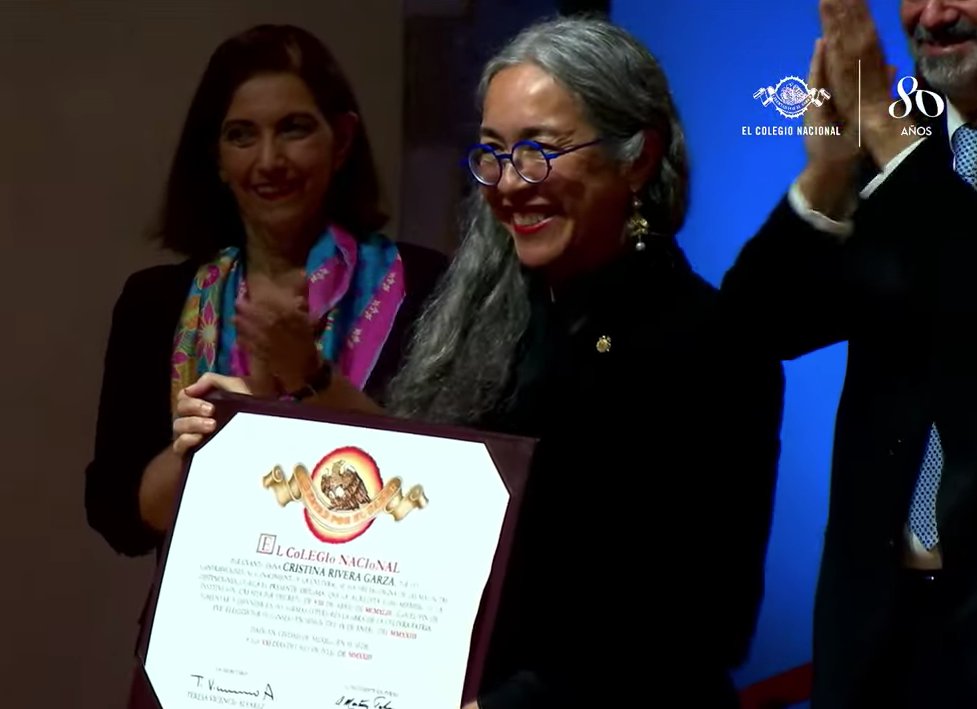
La escritora, historiadora y crítica, @criveragarza, es la nueva integrante #LibertadPorElSaber.
Aquí puedes ver su lección inaugural “Escribir con el presente: archivos, fronteras, cuerpos”: 👉https://t.co/h4GpwlPS6i




![Albertofm20's tweet photo. Hola buenas, si hay algo en el mundo que a mi me flipa son las esculturas veladas y el mármol hecho tela
Vamos a verlo
[Abro hilo] https://t.co/vilDxTJyCJ](https://pbs.twimg.com/media/F2MioAaWwAAv_nM.jpg)
![Albertofm20's tweet photo. Hola buenas, si hay algo en el mundo que a mi me flipa son las esculturas veladas y el mármol hecho tela
Vamos a verlo
[Abro hilo] https://t.co/vilDxTJyCJ](https://pbs.twimg.com/media/F2MioAXW8AA9ymE.jpg)




![Albertofm20's tweet photo. Hola buenas, si hay algo en el mundo que a mi me flipa son las esculturas veladas y el mármol hecho tela
Vamos a verlo
[Abro hilo] https://t.co/vilDxTJyCJ](https://pbs.twimg.com/media/F2MioAdWoAA-S-a.jpg)