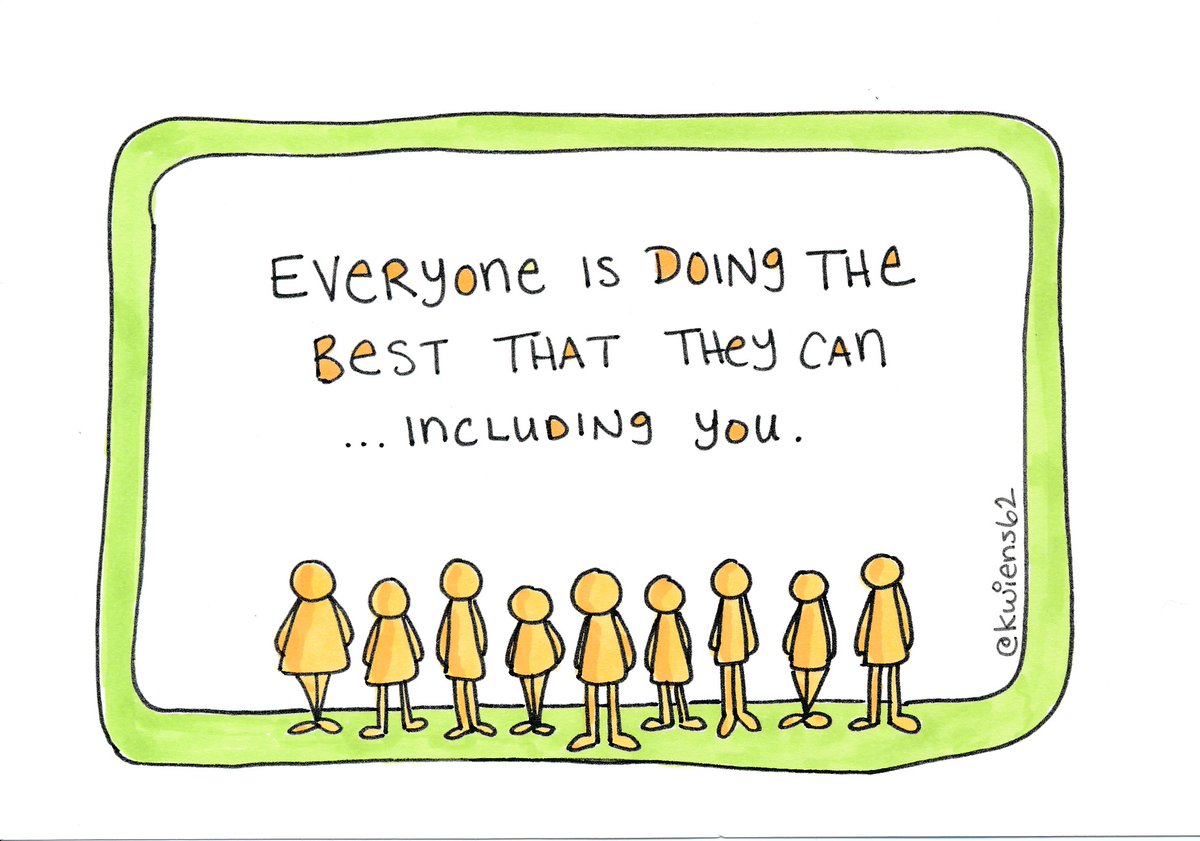
“Every time a student makes a mistake... they grow a synapse,” says Carol Dweck. Here are 6 strategies to create a mistake-friendly classroom.
https://t.co/HHhF0WYMux
@HVCyr @FaithBorkowsky I started taking LETRS Training in my district. It’s fantastic. If you need a refresher, or an unpacking of the science of reading.
Research shows that time on task with a teacher has the most impact on reading proficiency—but that can be challenging in an online classroom. Here are a few helpful tips.
https://t.co/V0tFBzGcyi
Student agency is about empowering students to know themselves better, determine who they want to be and identifying steps we can take together to have this goal become a reality. @trev_mackenzie@rbathursthunt https://t.co/JP5UnrBYgo
Reading is a skill that everyone can grow to love, but too many negative experiences during a child’s literacy education can result in trauma that appears as boredom, apathy or even anger. https://t.co/YVodmyO1HH
In a series of high-profile moves, educators, policymakers and parents have begun turning away from Lucy Calkins' materials. Now, Calkins' group at Columbia is signaling a shift in thinking about how their work aligns with scientific research on reading. https://t.co/vH6e1VabWb
Ms. Frizzle's "method of teaching is radically gentle: She’s watchful, patient and completely trusting in her students’ abilities to explore, observe and draw their own conclusions." (via @nytimes) https://t.co/SlaxJj2piA
During the pandemic, helping young children continue formal learning – especially learning to read – is a formidable task.
@NYCSchools and #LetsLearnNYC are here to help. https://t.co/zq9igg423l