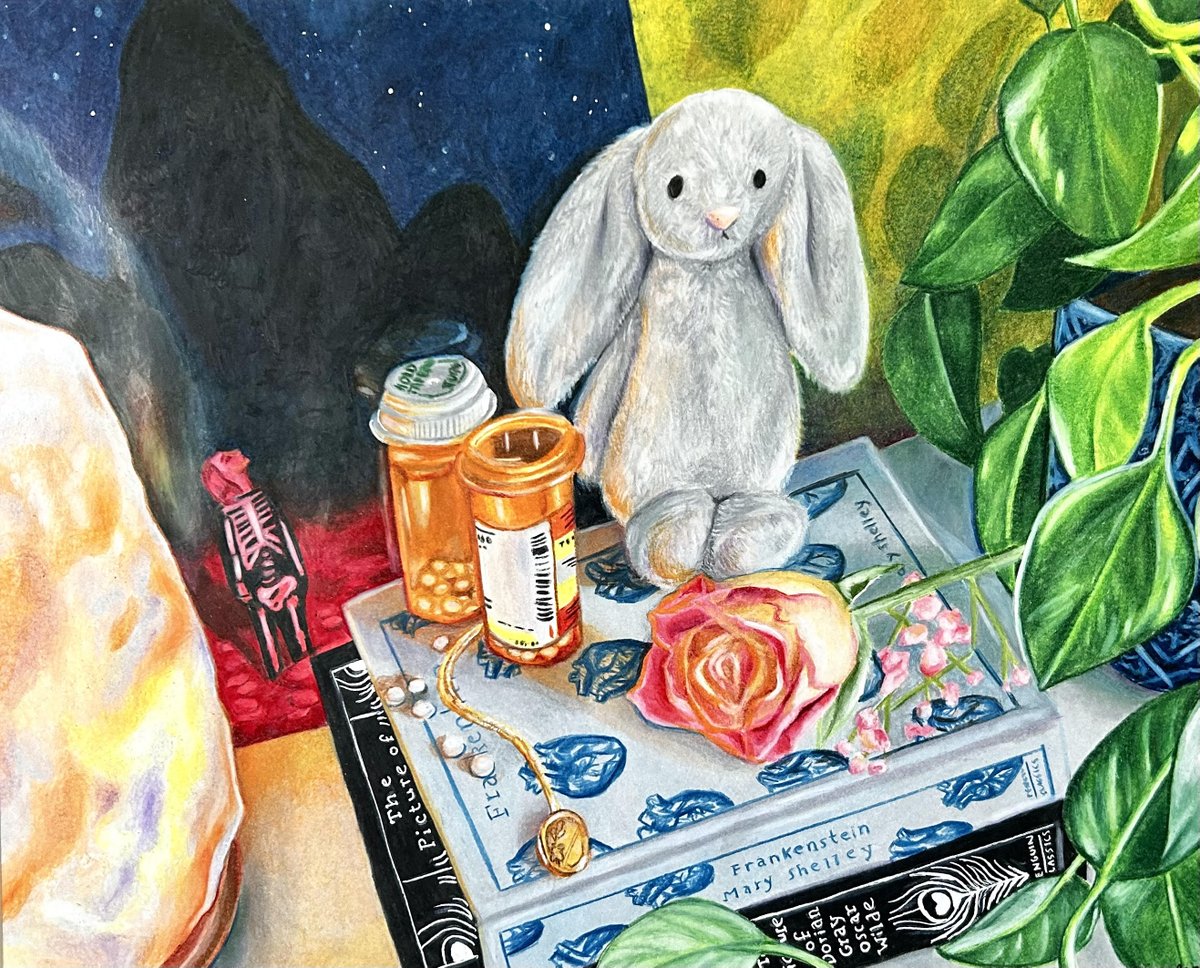
What We Hear at the Dinner Table: A reflection by poet Jamie L. Smith about immigrant parents, their children, mental health and conversations we rarely have https://t.co/IIoqUpIcl8
A Reflection on Fathers and Daughters: “You need to be on your best behavior”
In a short essay, writer Dixie L King explores the shift in balance that occurs when parents become ill, especially when a father is an MD
@The_Intima https://t.co/TmYIUgoGEV
“It’s part of your job to leave yourself for a moment and see where the other person is. There’s joy in that.” — Dr. Rita Charon
25 years after her residency at @RockefellerFdn's Bellagio Center, Rita reflects on the growth of Narrative Medicine.
https://t.co/hT29KBZjaz
Join for a new episode of the Medical Humanities podcast as we explore the topic collection "Charity and children’s hospitals—exceptionalism, experiences and welfare" with the guest editors. Find us wherever you get your podcasts #MedHums
https://t.co/kMwfT0fUqJ
Don’t miss your chance to read the new Cambridge element, As I Write Dying by Maria Anna Mariani! Free access available until 26 August at
https://t.co/YRPdMSwLHU
#cambridgeelements#history
Professor Henny Osbahr, from the Department of International Development, recently authored a policy profile ‘Community Governance of the Commons’, which was presented at the UN Human Right’s Council.
Read the full policy profile at: https://t.co/8AANgynxFV
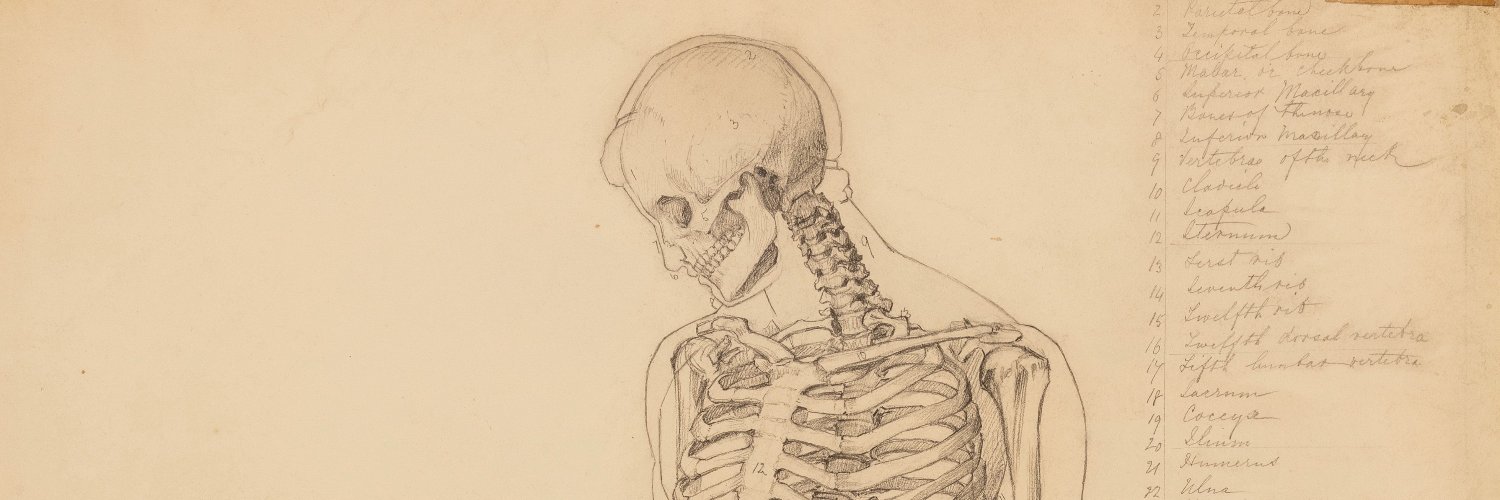
Read the short essay, "Voices That Remain: A dialogue about mentors, memory and what matters," by Gabriele Micozzi, an Italian writer, poet, professor and consultant. His literary work explores body, language, power, vulnerability, desire, illness, healing and what he calls “literary biodiversity”: the coexistence of poetry, prose, theater, science and embodied experience.
https://t.co/z2qFbCp9mL
#narrativemedicine #memory @GabrieleMicozzi #medtwitter #poetry
Researchers based in the School, working in partnership with FOLOU, have launched a free online course, “Technological Innovation in Food Loss Measurement and Management”.
Find out more: https://t.co/3uXKiN9MKG
When the Script Is Not Enough: A reflection about clinical interviews by medical student Macie Garner
"In medical training, preparation is often framed as mastery: know the history, organize the interview, gather the information. These skills matter, but there is another kind of preparation that is harder to teach—preparing to notice when another person’s humanity interrupts the script."
Read the whole essay for more https://t.co/NgekGjjxtH
#medschool #narrativemedicine
Have you caught up on all our recent podcast episodes? Amongst other things we've been discussing what's next for the #MedHums and the importance of decolonising academic publishing. Find the Medical Humanities podcast wherever you get your pods, or here https://t.co/JY7CCjwAY3
New Podcast Episode! Join us as we talk to the Black and Brown in Bioethics group all about decolonising academic publishing. Find us wherever you get your podcasts or here at Spotify: https://t.co/vmCXaFSNZn
#MedHums
The University of Reading’s Bioblitz Team recently hosted a 24-hour Bioblitz event during the Centenary Community Festival, inviting visitors to record biodiversity on Whiteknights campus.
Full story: https://t.co/eLHvL8HSuL
The ‘Raising the Pulse’ project, funded by UK Research and Innovation (UKRI) and co-led by colleagues in the School, was recently showcased at the University of Reading’s Centenary Community Festival.
Full story: https://t.co/e6dkZlcm3Y