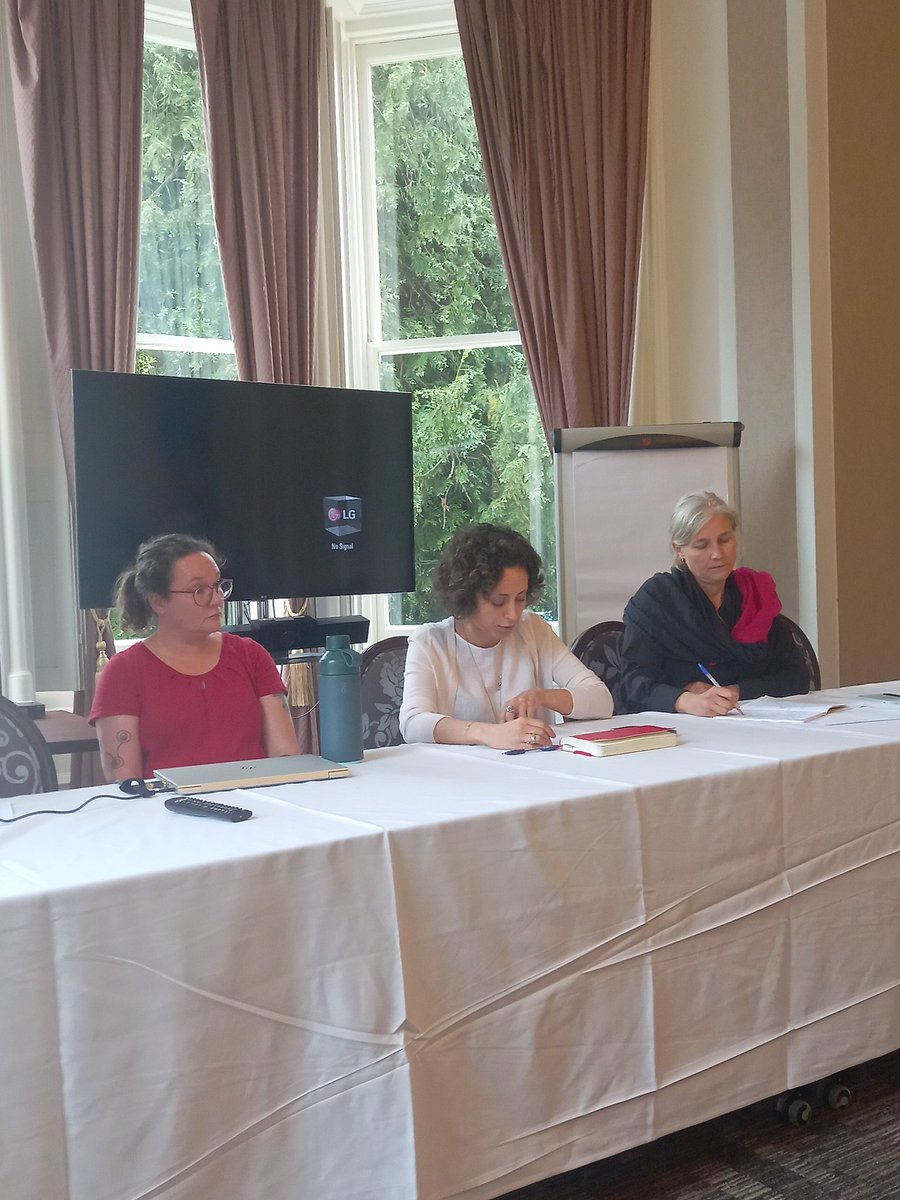
📢The 2nd #Healthscapes workshop "Healthscapes in Disruption" will be held on 12 June 2024 @UniofExeter. CFP deadline has been extended to 14 May 2024! Travel and accommodation costs will be covered! More info at https://t.co/JgeLcTwOeB and below👇👇
📢The 2nd #Healthscapes workshop "Healthscapes in Disruption" will be held on 12 June 2024 @UniofExeter. CFP deadline has been extended to 14 May 2024! Travel and accommodation costs will be covered! More info at https://t.co/JgeLcTwOeB and below👇👇
Special Collections was delighted to provide a special display of material from the Middle East Collections for the Healthscapes workshop. Find out more about the event below! ⬇️
For more information about our collections & how you can use them visit ➡️https://t.co/8OiSS6D1Dz
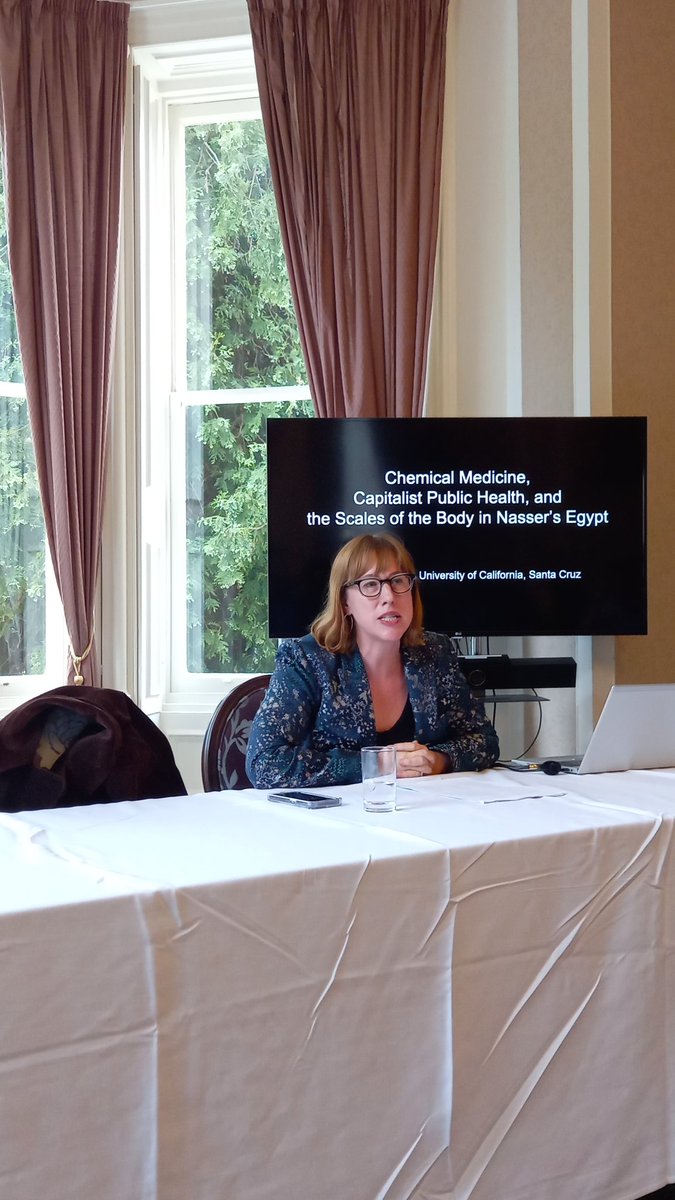
#healthscapes workshop closes with an exciting keynote by @jenniferlderr on urban biomedicine, capitalism and public health in Egypt in the second half of the 20th c.
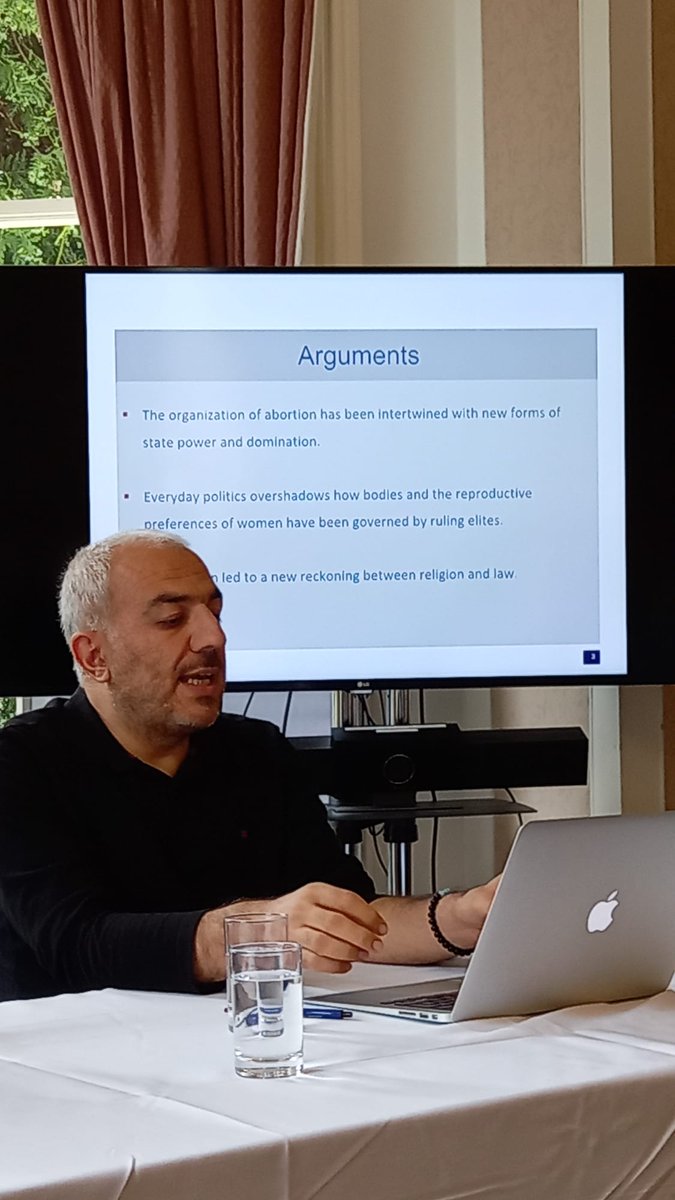
Ahmet Karakaya traces the historical trajectories of abortion from the late-Ottoman times. Karakaya argues that the diverse Muslim moral reasoning regarding abortion engages with different sources of information such as science, religion, politics.
Our last speaker for today's first panel is Hande Güzel, who discusses migration and medicine, specifically focusing on immigrant doctors in Turkey during the Covid-19 pandemic.
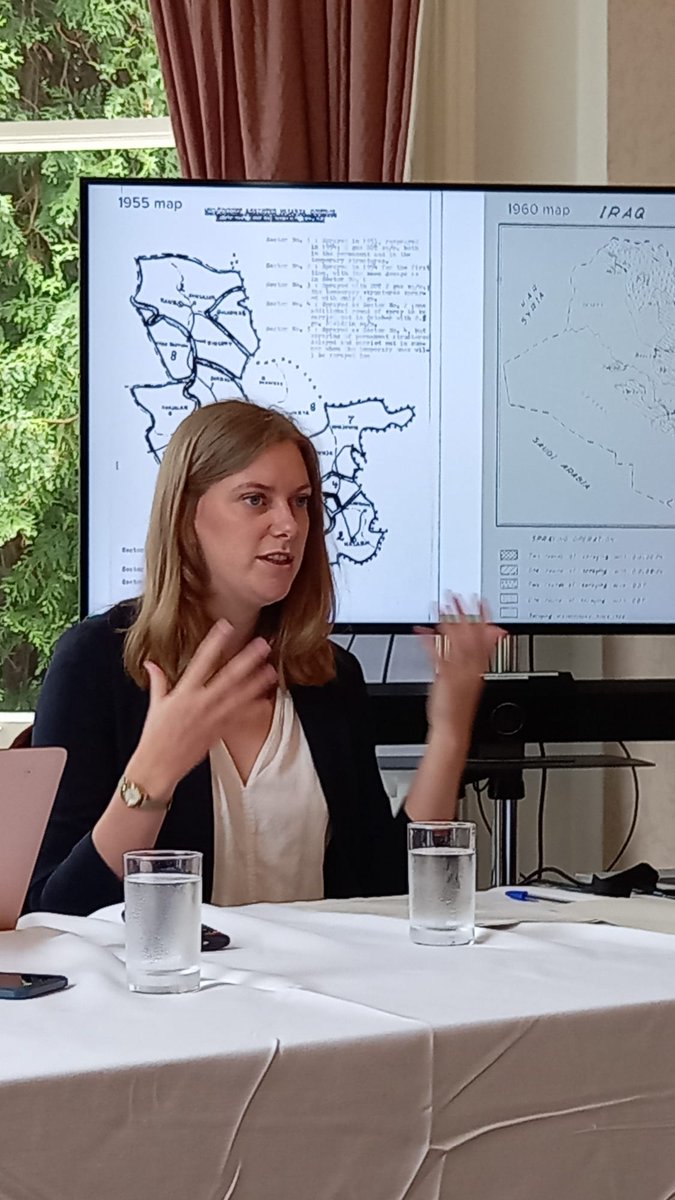
In her talk @rebeccairvine15 explores post-WW2 malaria eradication schemes in Iraq and discusses new ideas about global health. The talk scrutinizes failure, resistance, and ecological dynamics of the eradication campaign.
Our panel continues with Riyaz Chenganakkattil's discussion on Muslim pilgrimage, health, and disease. Chenganakkattil asks if we can imagine narrative #healthscapes that allows an alternative reading of experiences of Muslim pilgrims across the Indian Ocean.
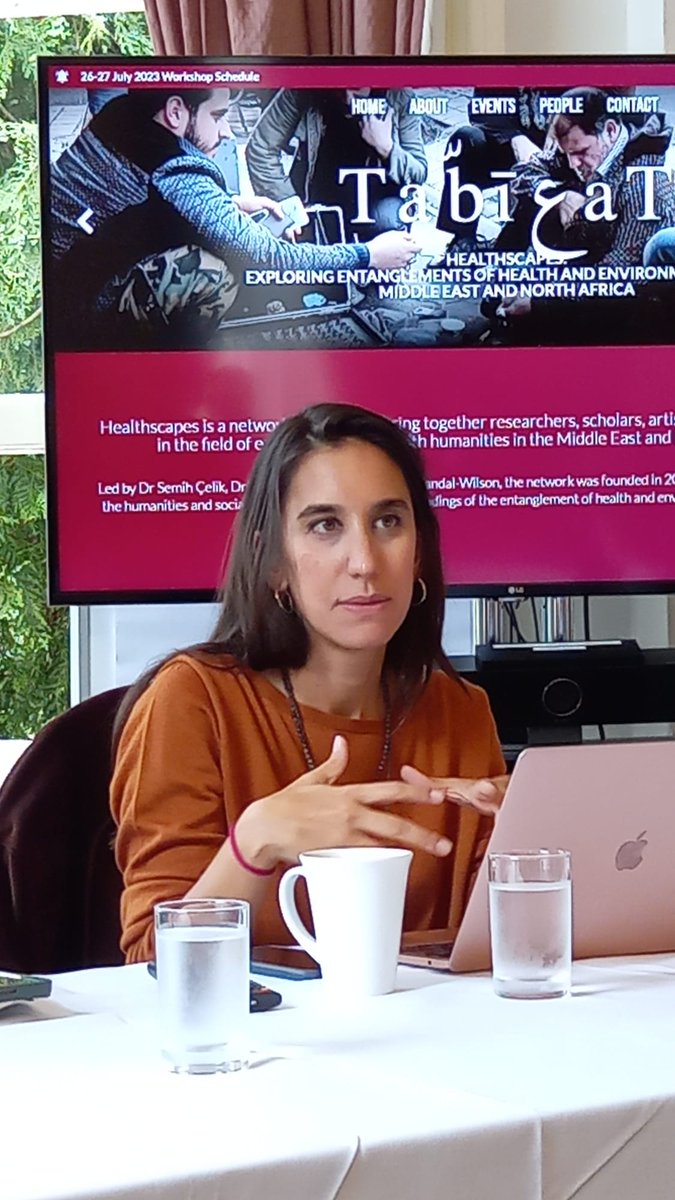
2nd day of #healthscapes workshop is about to begin. Stay tuned and please do visit our website https://t.co/y57TLpAo3y for news and future events of the Healthscapes | Tabbi'at network.
Kreichati highlights how infrastructural arrangements for hydropower as well as the bureaucracies needed for their functioning shape nearby village communities’ entwinement with both the river and the state. #healthscapes
Next up: Cynthia Krechiati discusses the Litani infrastructure/dam project resulted with a specific mode of governance (tarabot maslahi’) that corresponds to symbiotic form of living together. #healthscapes
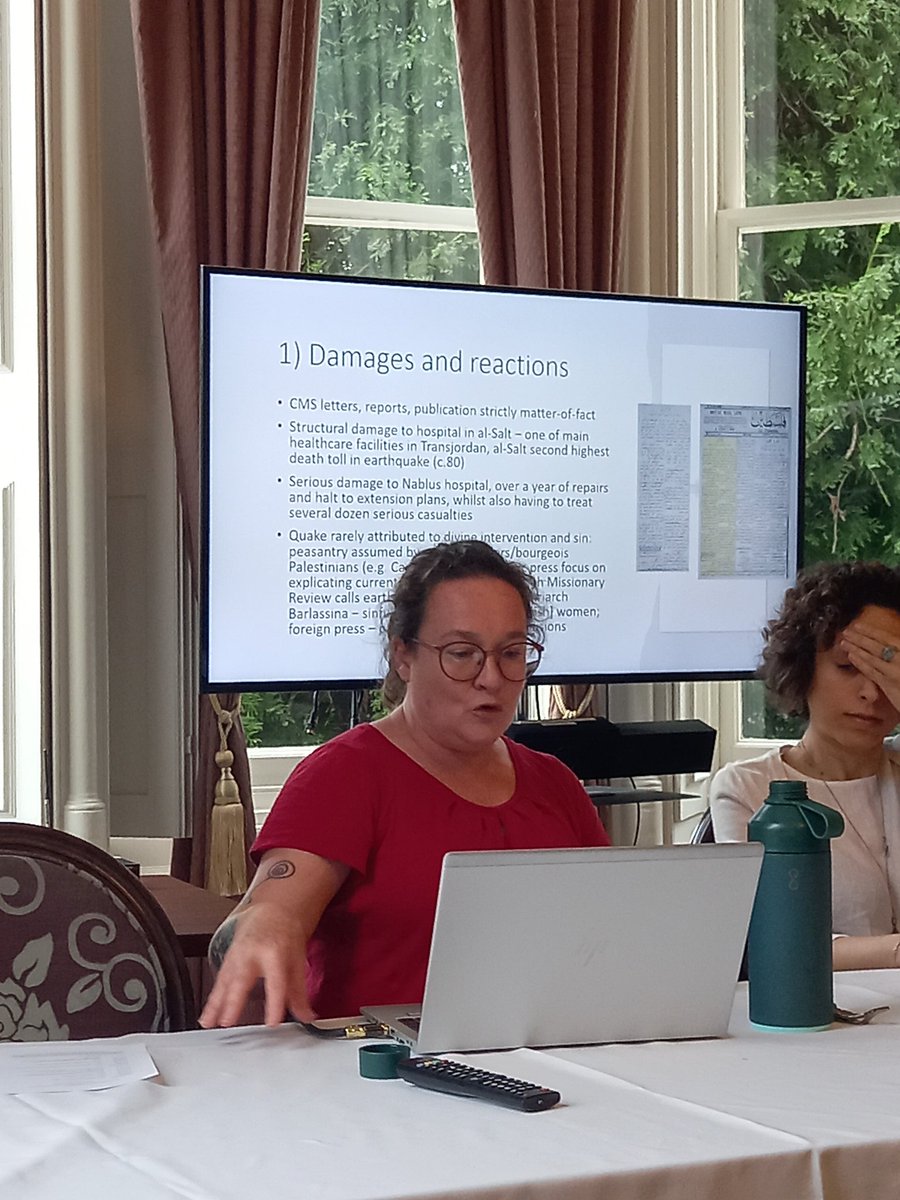
Missionary hospitals of the Church Missionary Society played a major role in earthquake recovery. The state was mostly absent. The case emphasizes the need to look at non-state actors as providers of recovery and Healthcare.
The 1927 earthquake was not a major one techtonically. The case study demonstrates the role of missionary hospitals/orphanages/schools in providing healthcare in the late Ottoman- early mandate period.