Absolutely delighted to have been awarded best oral presentation at #OXLEAP24 yesterday!
It was fantastic to finally attend the @LEAP_Oxford conference in person and hear about all the brilliant food systems and sustainability research happening in this space 🌱
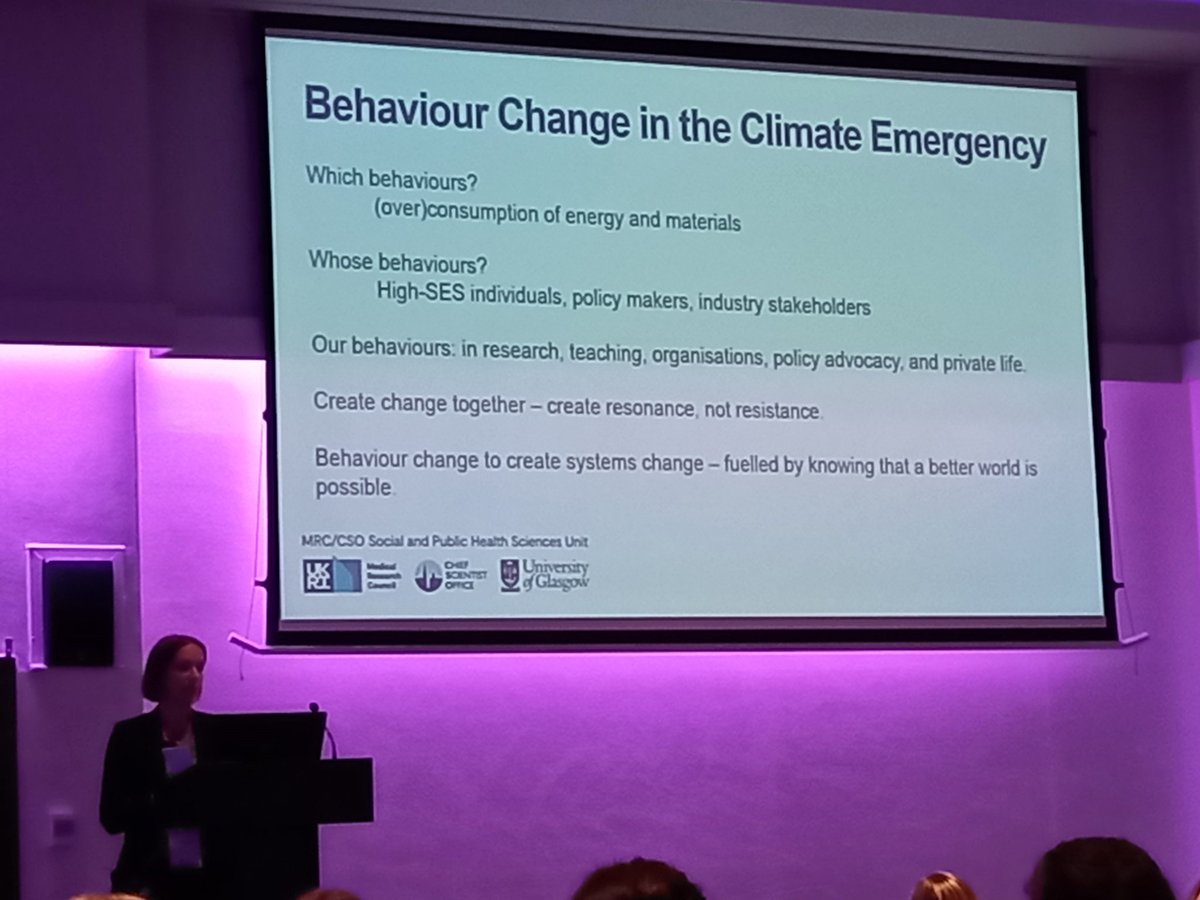
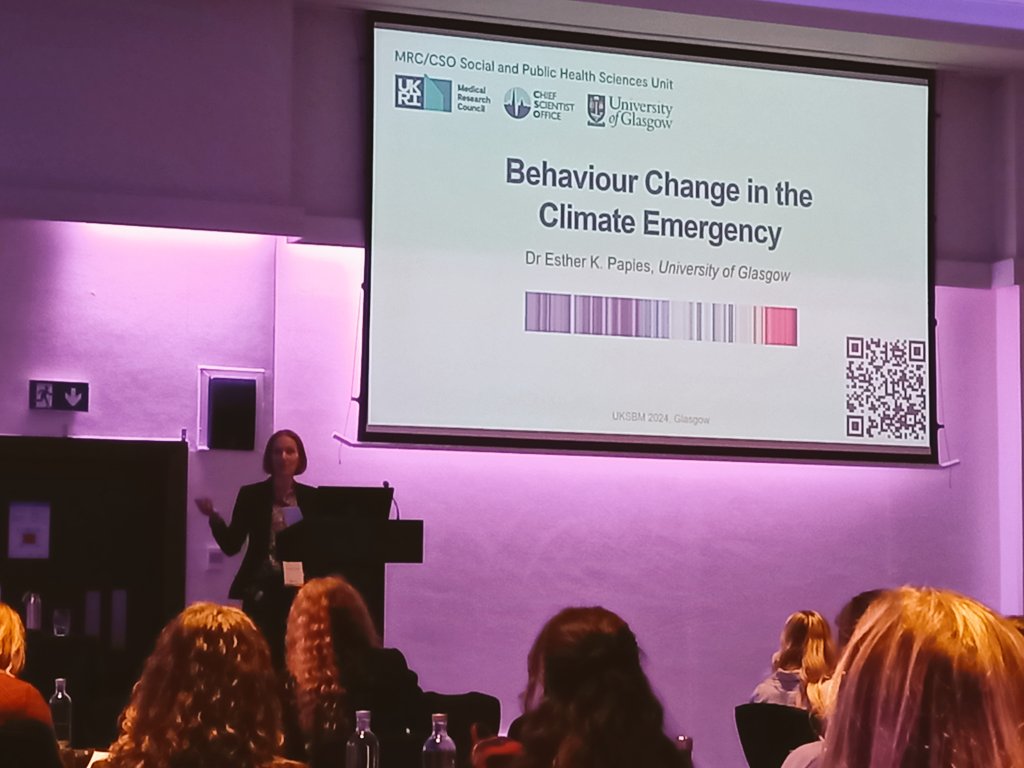
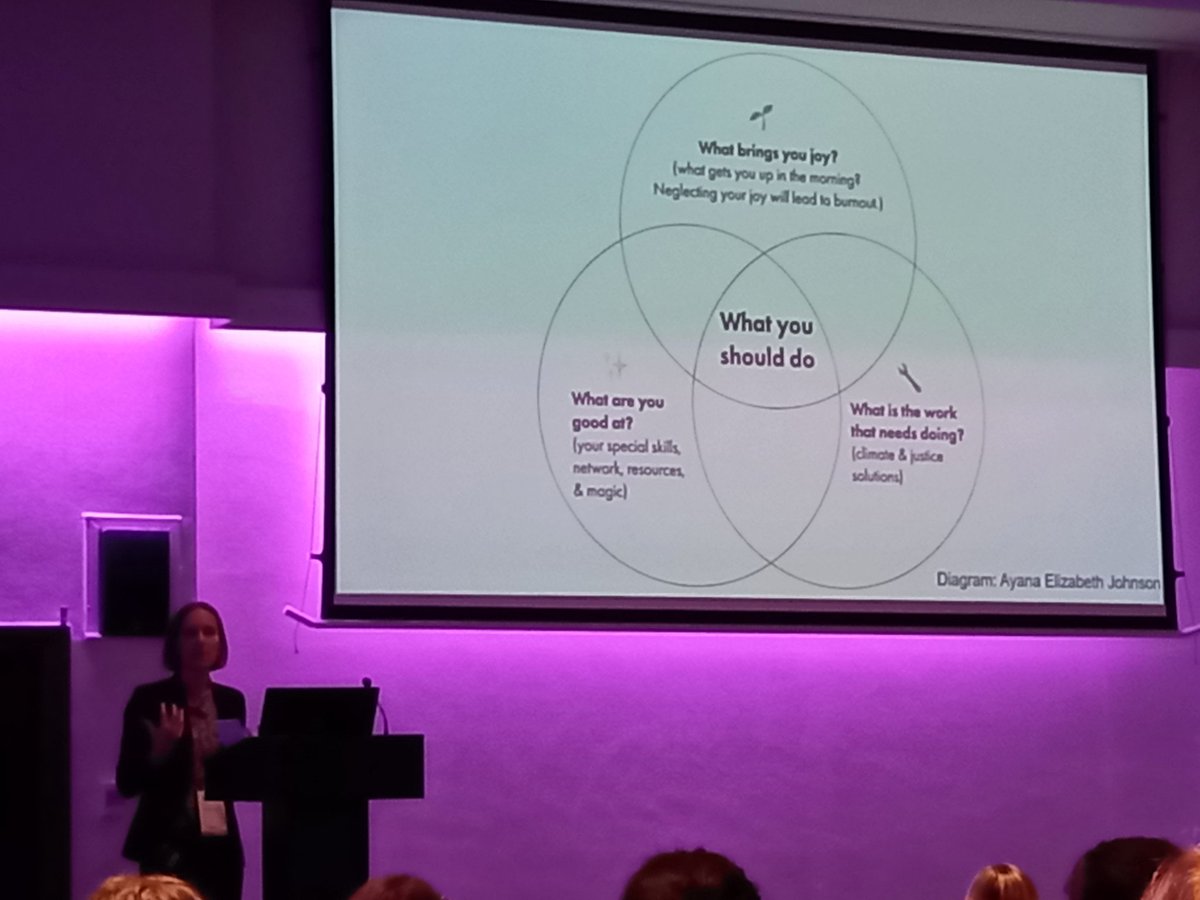
Thanks @EstherPapies for an inspiring keynote on what behavioural science can deliver to secure human and planetary health at @UKSBM Annual Scientific Meeting 2024👏👏
#behaviourchange#climatechange
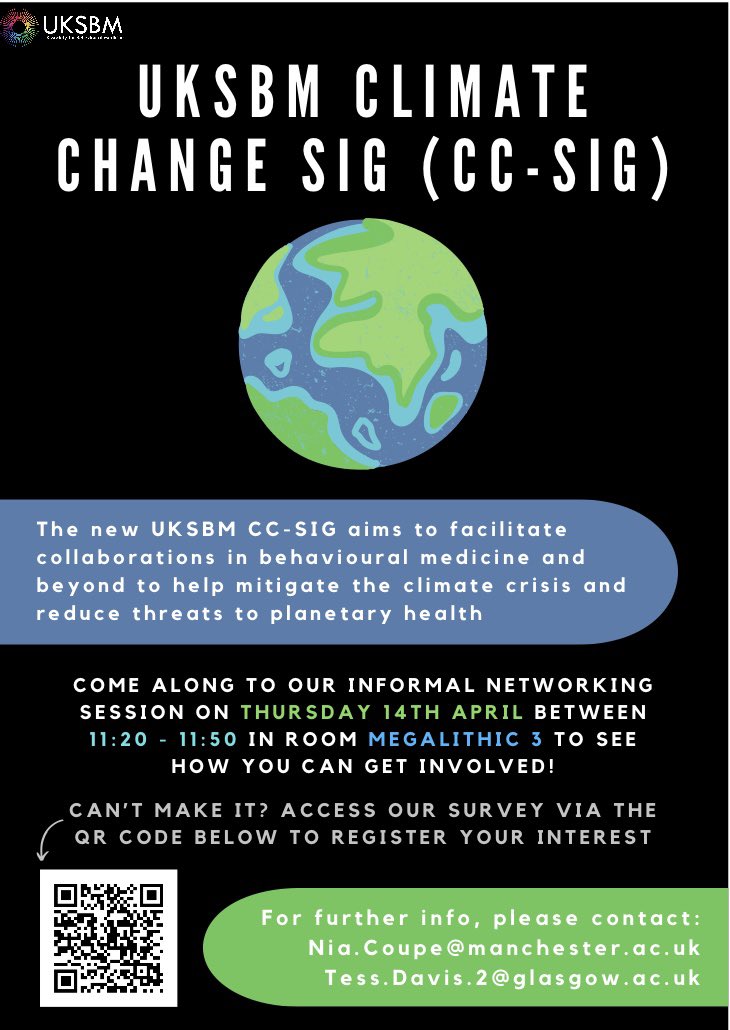
Looking forward to the first day of #UKSBM2024!
Join @NWCoupe and I at 11:20 - 11:50 tomorrow (Thursday 14th **March**) in Megalithic 3 for an informal networking session for the new UKSBM Climate Change Special Interest Group 🌍
Hope to see you there 👋🏻
#UKSBM
Why can't academics give up flying?
We identified cultural, individual, and organizational reasons academics think we can't decarbonize research production.
Especially relevant as more conferences & workshops return to offline-only formats.
https://t.co/a41ld9B7Y8
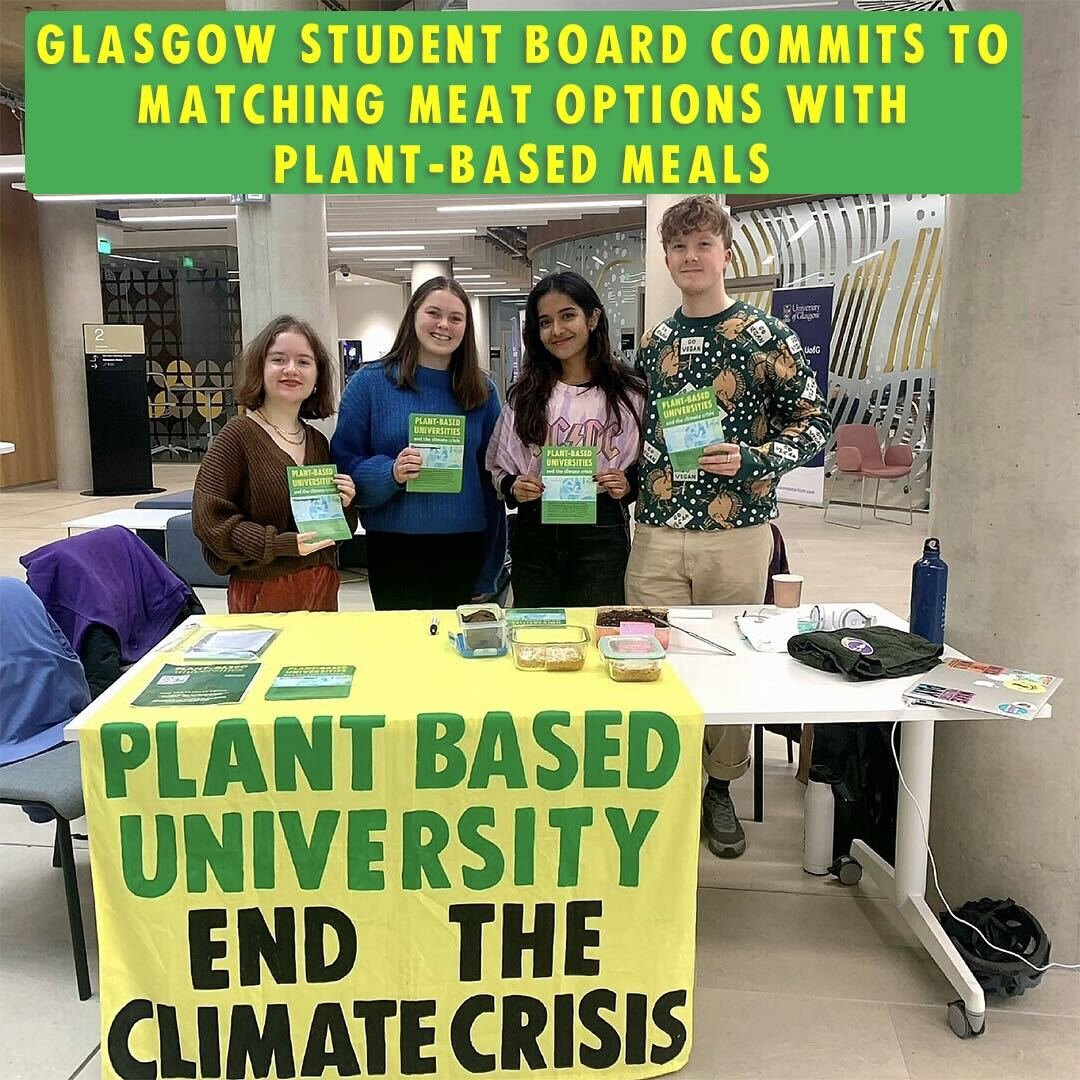
🥙 PLANT-BASED COMMITMENTS AT GLASGOW 🏴
On Monday, Plant-Based Universities campaigners at the University of Glasgow presented a motion calling for catering to transition to 100% plant-based at the Queen Margaret Union.
1/5
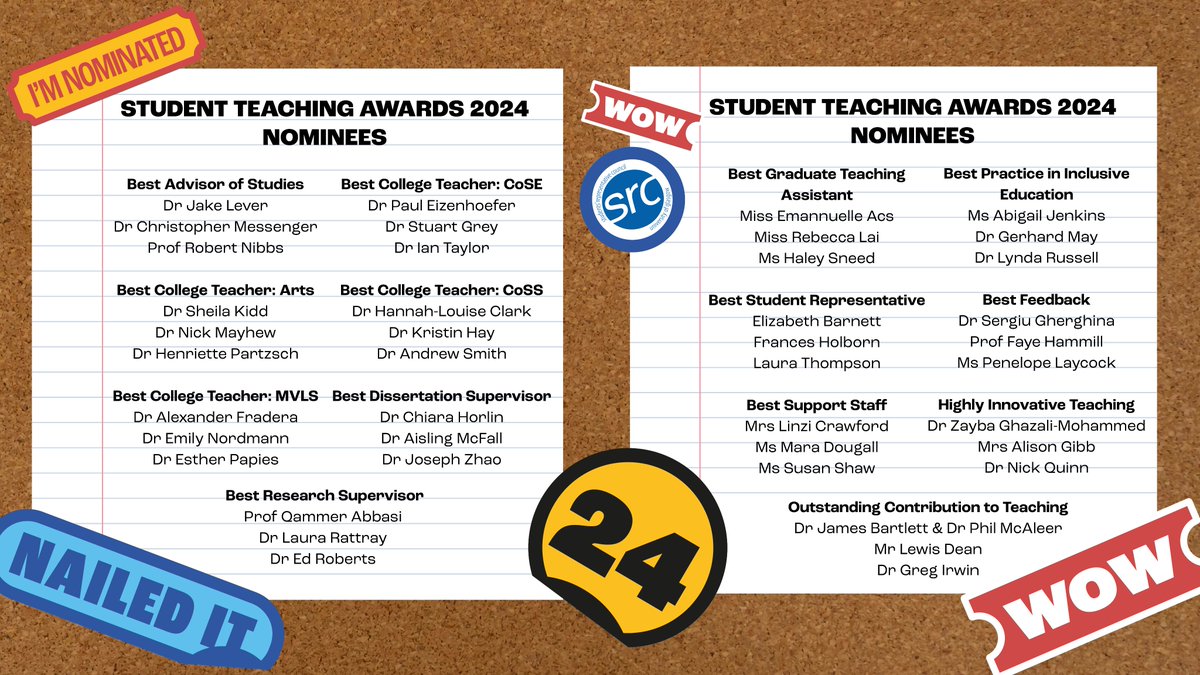
"The Psychology of Climate Change" students nominated me for a @glasgowunisrc award as Best College Teacher.
This is not about me - it's about the conversations we had, creating a culture of care, and empowering each other to act 💪.
Thank you @UofGPsychNeuro students 🙏💚!!
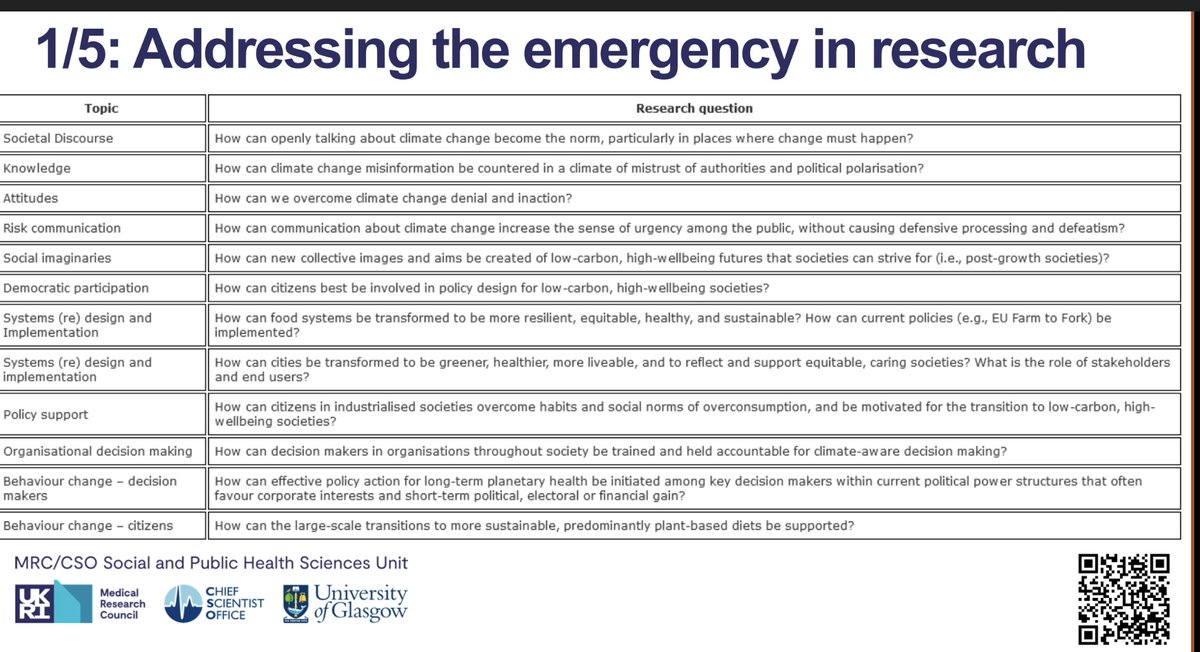
Looking forward to my keynote for the @UKSBM community about our role in addressing the climate emergency 💫!
Climate change threatens to undo decades of health progress - I'll discuss ways for each of us to help prevent this 💪.
Drawing heavily on https://t.co/HQyHs0XYOx
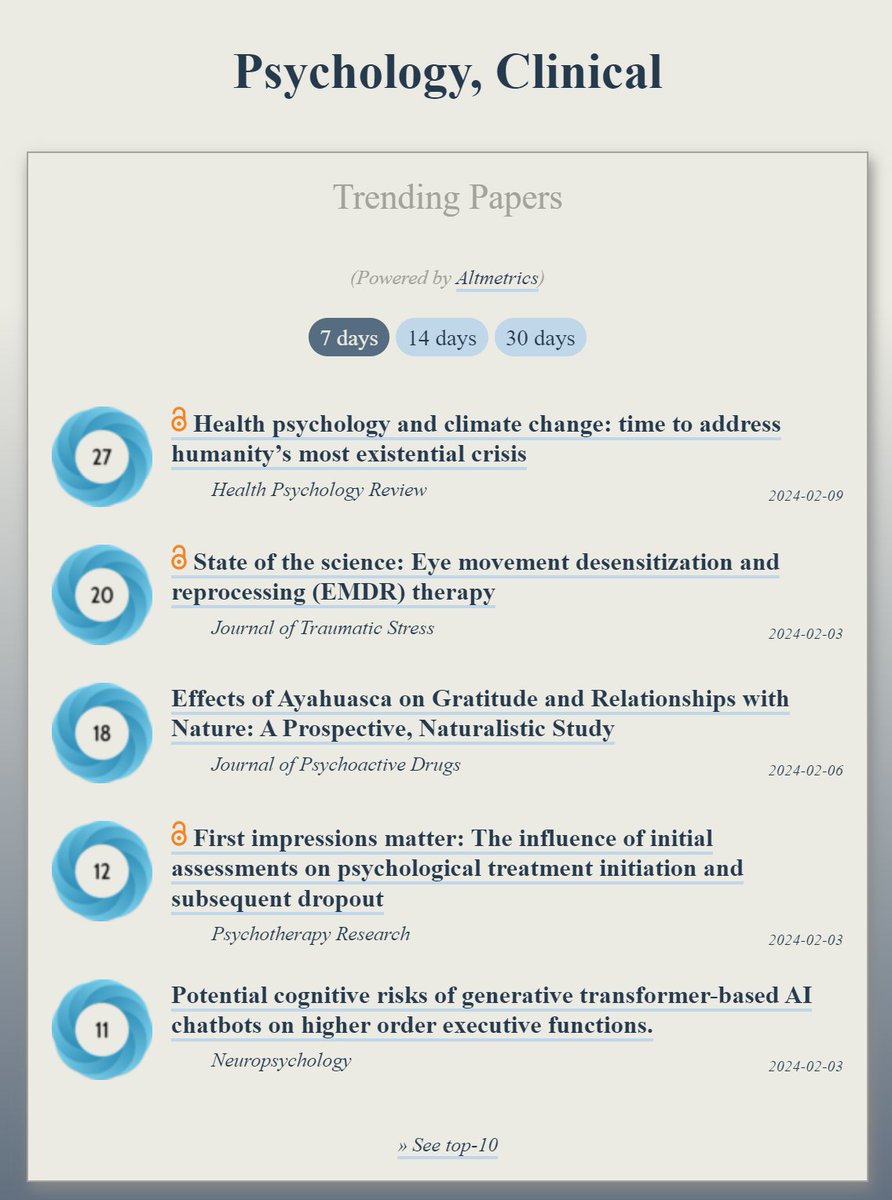
Trending in #ClinicalPsychology:
https://t.co/IaYNmY9Rni
1) Health psychology & climate change: humanity’s most existential crisis (@healthpsychrev)
2) Eye movement desensitization & reprocessing (EMDR) therapy
3) Effects of Ayahuasca on Gratitude & Relationships with Nature
4) First impressions matter: Psychological treatment initiation & subsequent dropout
5) Cognitive risks of generative AI chatbots on higher order executive functions
How (not) to talk about plant-based foods: using language to support the transition to sustainable diets.
New paper - https://t.co/L5SzzF7eEU
#Veganuary#PlantBased#ClimateChange
Climate emotions permeate student learning and research activities, but their influence is poorly understood and often ignored in higher education. Our new pub in @NatureClimate shares recommendations for educators supporting students w/ climate emotions.
https://t.co/zhbuKdmbH3
A better future isn’t a world away. But first the richest and biggest polluters must begin paying for the damages they’ve caused to people’s lives. Join me and take action now #climatejustice. https://t.co/fG17gvkVfC
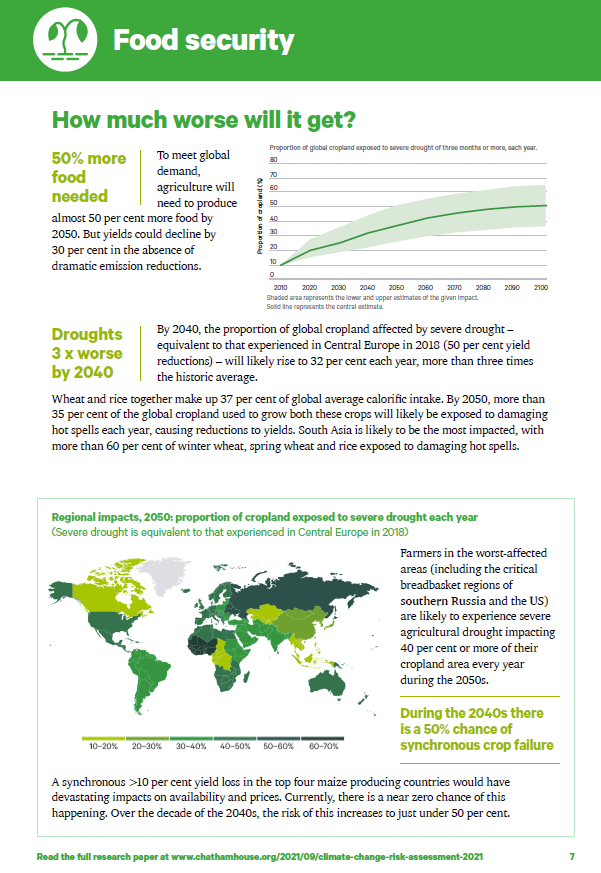
We finally have a scientific health check for the entire planet! 6 of 9 planetary boundaries currently transgressed. This does not mean irreversible collapse, but we are losing resilience. We are putting the stability of the entire earth system at risk.
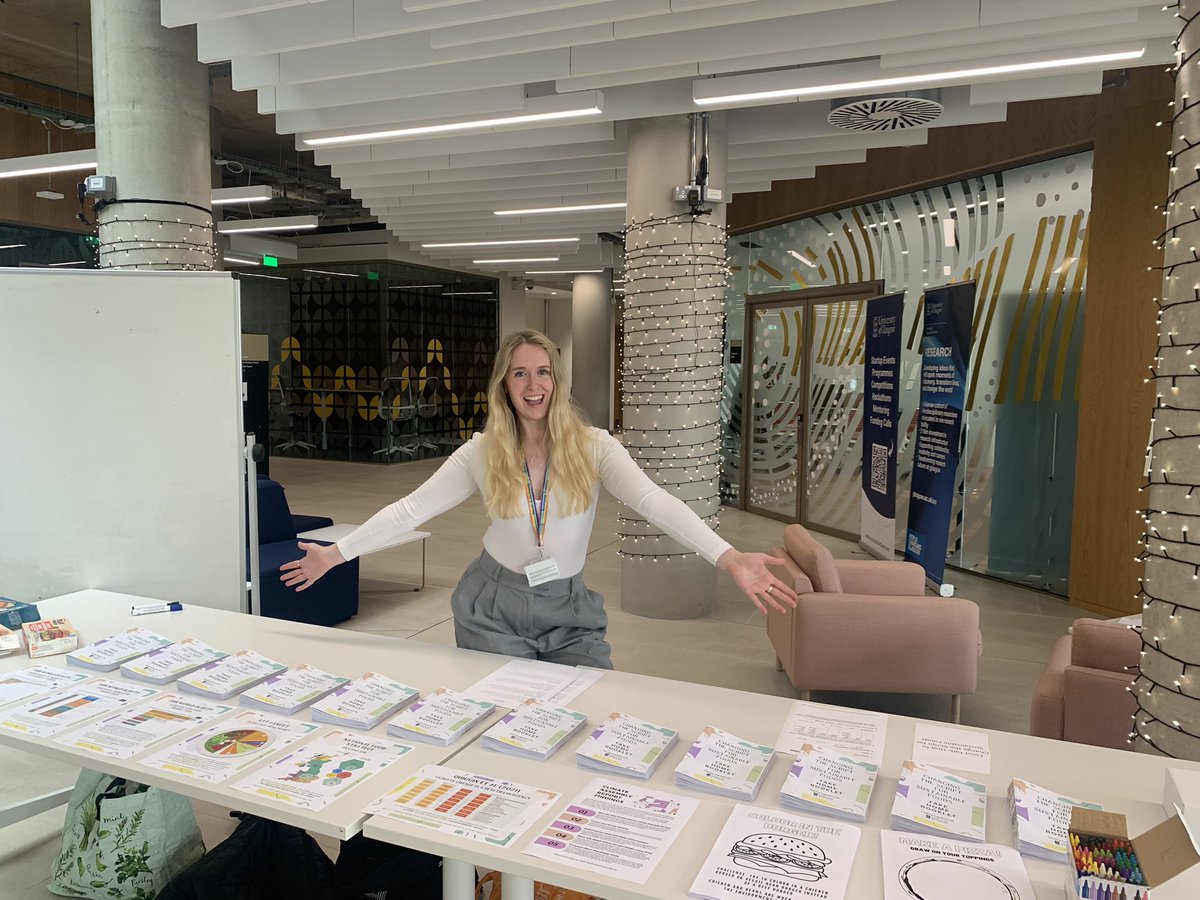
Come join the @HealthyCogLab at #Explorathon this Saturday (16th), Sunday (17th) and next Saturday (23rd) in the ARC to talk about all things plant-based! 🥦🥕🍅
We have loads of resources for anyone interested in transitioning towards a more sustainable diet 🌎
@ernscot#UofG
📢Recruiting a 3-year Postdoc for an exciting interdisciplinary project on plant-based foods:
Maximising potential of plant-based convenience foods in real-life sustainable diets.
Need psychology, qual and quant expertise.
Please share 💚!
https://t.co/2arpAxl03n
Join us for the next Climate Justice Book Club meeting, hosted by the School of Psychology and Neuroscience Climate Action Network
Details below 👇🏻
If you would like to join, or added to the mailing list, please get in touch!
#UofG#SPaNCAN @UofGPsychNeuro
@DrNatLawrence @Bryant_Research @Elisa__Becker@GeorgeMonbiot@veganuary@PlantBasedNews@plantbasedhpuk Animal agriculture is an incredibly inefficient way of feeding people. 77% of agricultural land is used for livestock, which provides only 18% of global calories.
To prevent systems collapse, we need to feed people, not animals.
see below from https://t.co/wQ8O804oUy
Still looking for a PhD student to come work on ecopsychology, community psychology, or developmental psychology with me here @PsychologyMIC - it’s fully funded and I promise I won’t dramatically sing at you…often…