#HeartFailure Forum: bringing together patient, medical, and policy communities to help improve the management of #WorseningHeartFailure. Supported by Bayer AG.
Holiday season is approaching and it’s time to hit the snooze button.
Sleep quality is important for all patients, including those living with #HeartFailure. Feeling tired can lead to a high blood pressure and clocking 8 hours of sleep per night can help.
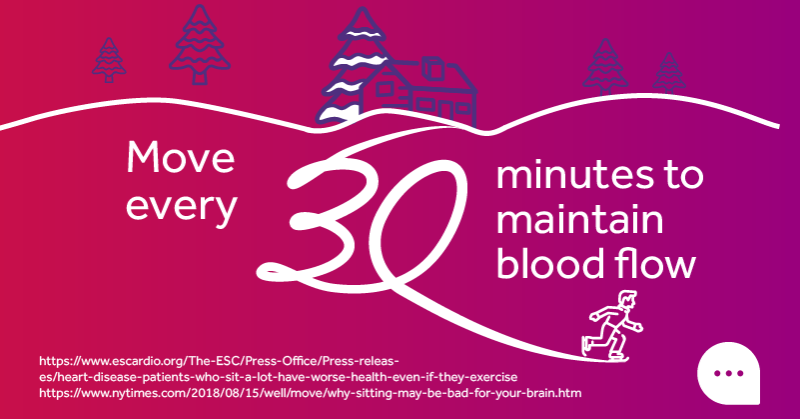
Regular physical activity is important for those living with #HeartFailure this holiday season. The feel-good endorphin boosts physical activity that can help all of us better manage stress and reduce cardiovascular risk.
Let’s get moving!
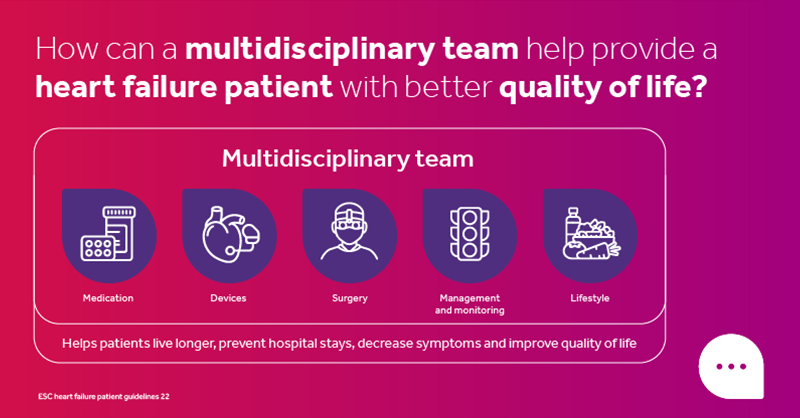
The collaboration between hospital and community-based multidisciplinary teams (MDTs) is important for #HeartFailure care, especially after a patient is hospitalized after a #WorseningHeartFailure event.
Watch the video to see a typical heart failure patient discharge pathway.
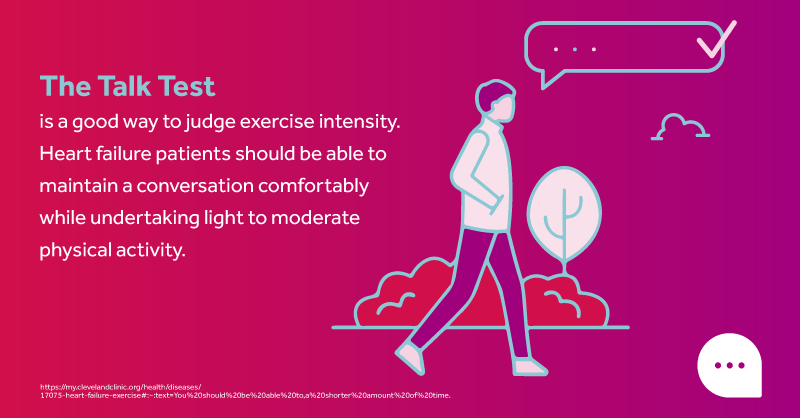
Heard of the ‘Talk Test’?
The thought of exercise can be daunting for #HeartFailure patients. Recommending the ‘Talk Test’ to patients can make walking and exercising that tiny bit less intimidating.
There are 3 goals that a multidisciplinary care team can help people living with #HeartFailure to achieve.
1)Help patients live longer
2)Preventing hospital stays
3)Decreasing symptoms and improving quality of life
Learn more on how an MDT team can accomplish these goals.
Lifestyle changes can positively impact #HeartFailure patient's well-being and help reduce cardiovascular risk.
Regular physical activity can help patients living with #HF by lowering the risk of hospitalization 🏃♂️
Help patients manage their well-being this #WorldHeartDay.
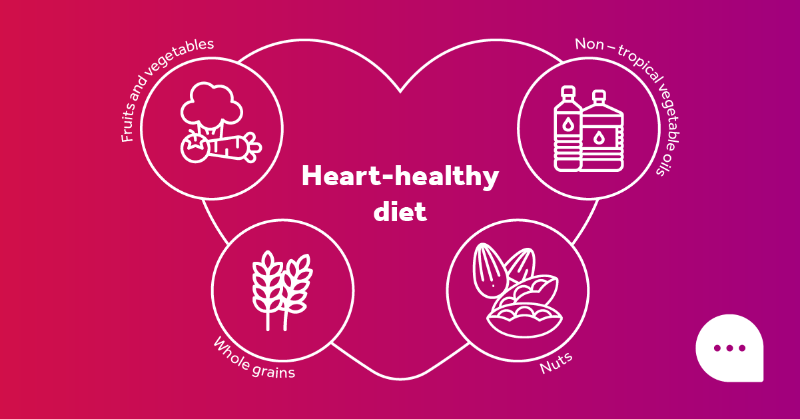
What’s in a heart-healthy diet?
It's important to discuss healthy eating tips that can help lower cardiovascular risk with #HeartFailure patients.
Help empower patients to take control of their well-being.
#WorldHeartDay
Stress can contribute to poor health behaviours, some of which are associated with an elevated risk of #HeartFailure, such as smoking or overeating.
Find out more about what patients can do to manage stress.
The emotional and physical demands of caregiving for someone with #HeartFailure can be tough even for the strongest person.
Joining a support group is just one of the ways that can help manage stress.
Discover wellbeing tips for caregivers ➡️
From providing patient education to equipping them with the resources they need, specialist #HeartFailure nurses are an essential part of the heart failure care team and patient journey.
Thanks for following along with us during #ESCCongress.
https://t.co/0vQODl86FF
Returning home after a #WorseningHeartFailure event can be daunting for patients.
#HeartFailure nurses can help educate and prepare family members and caregivers, so they’re equipped to support patients through the treatment process at home ❤
How can specialized #HeartFailure nurses work with patients to understand their follow-up care plan?
@IzaUchmanowicz discusses how a ‘Teach Back’ approach can help improve patient education and adherence.
Multidisciplinary care is key to preventing hospital readmission.
A great example of this in action is when highly specialized #HeartFailure nurses communicate discharge summaries effectively to the patients and caregivers, so they are prepared for the outside world.
After hospital discharge, follow-up phone calls by healthcare professionals are key to empowering #HeartFailure patients and their families to take an active role in their care.
Watch the video to find out more from @JustinEzekowitz and @IzaUchmanowicz.
Early detection of signs and symptoms of a #WorseningHeartFailureEvent offers a window of opportunity to prevent hospitalizations. Specialized #Heart Failure nurses can help patients understand what to look out for.
Every member of the multidisciplinary team has a part to play in a patient’s #HeartFailure care journey. Because of their relationship with patients and the wider care team, specialist heart failure nurses often play a central role from diagnosis to post-discharge.