A 1-year-old with rare criss-cross heart disease successfully treated using multimodal cardiac imaging, including echocardiography, CT, 3D printing, and 4D flow-CMR. #HeartDisease#PediatricCardiology#MedicalImaging https://t.co/EeEqf6FCZx
An 83-year-old man with a rare heart defect, CCTGA, was successfully treated for coronary artery disease. This highlights the importance of prompt management of heart conditions, even in complex cases. #HeartHealth#CCTGA#CAD https://t.co/lLwQD6G8HC
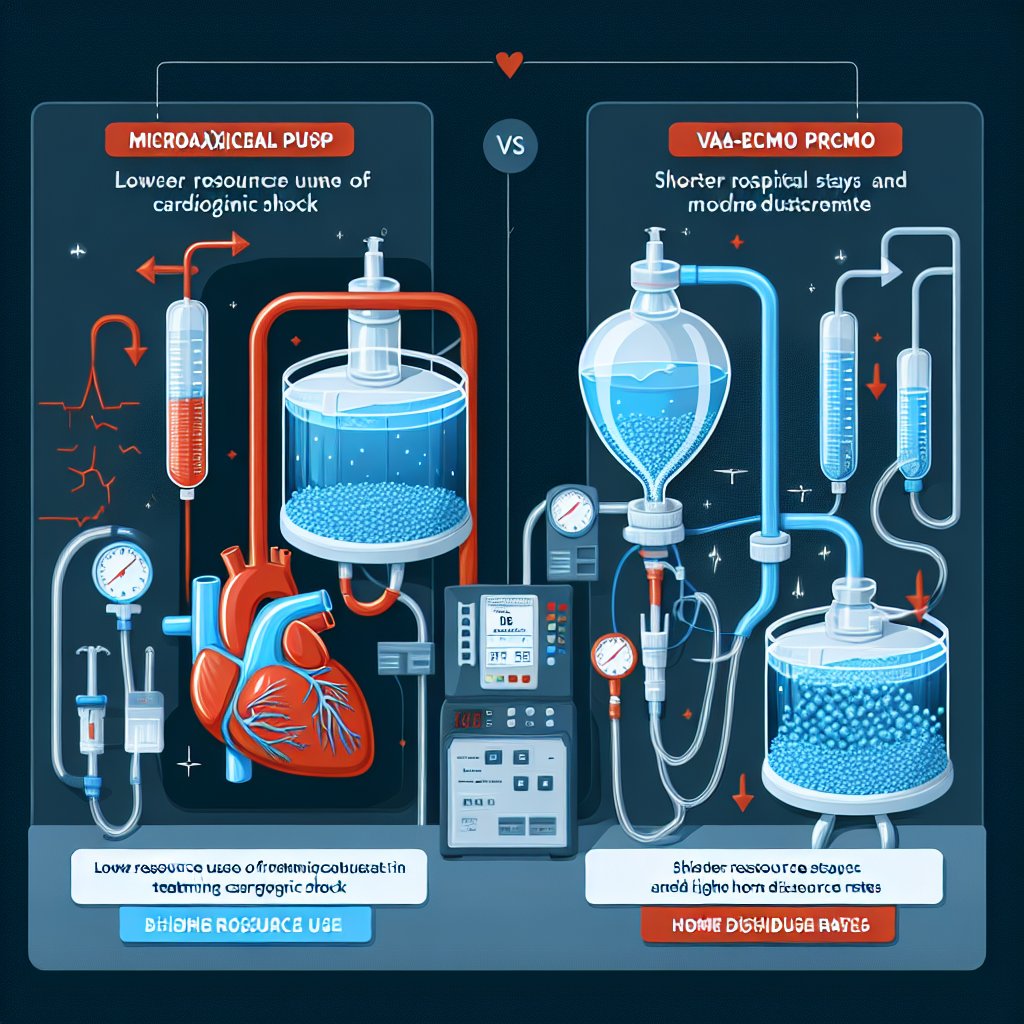
Microaxial flow pumps show lower resource use than VA-ECMO in treating cardiogenic shock, with shorter hospital stays, lower costs, and higher home discharge rates. #CardiogenicShock#HealthcareCosts https://t.co/QXNj1r8BWd
A 79-year-old man with heart muscle disease (ATTR-CM) and blocked heart outflow was successfully treated with alcohol septal ablation. Balancing diuretics and beta-blockers is key. #HeartDisease#Cardiomyopathy#Treatment https://t.co/Kt99VN23eh
Study finds 10% of cardiac arrest patients with prolonged low-flow time have favorable neurological outcomes after extracorporeal cardiopulmonary resuscitation. Factors include age, rhythm, signs of life, and spontaneous circulation return. https://t.co/jtkDm9nn1f
New study highlights the need for personalized treatment in acute coronary syndromes (ACS), considering factors like sex-specific differences and underappreciated mechanisms. Emerging tech like AI could improve long-term outcomes. #HeartHea https://t.co/jyN93z6OTD
Successful non-surgical treatment of a rare heart complication (LIMA pseudoaneurysm) after bypass surgery, using stents and imaging techniques. Patient remains symptom-free after 3 years. #HeartHealth#BypassSurgery#MedicalInnovation https://t.co/2bzksO0sxs
Machine learning can improve detection of aortic stenosis using handheld ultrasound devices. Fine-tuning the model increased its performance, showing potential for automated interpretation of handheld imaging. #MachineLearning#HealthTech https://t.co/RP0qSq1t9S
Study finds that poor quality of lifelong Vitamin K Antagonist therapy in atrial fibrillation patients after mechanical aortic valve replacement leads to higher risk of bleeding, stroke, and death. #HeartHealth#MedicalResearch https://t.co/LSWVBvRZxT
New study finds Fibroblast growth factor 5 (FGF-5) could be a key biomarker for identifying familial hypercholesterolaemia (FH), even when genetic tests are unavailable. #HealthResearch#Cholesterol#Biomarkers https://t.co/HGhvclZpO2
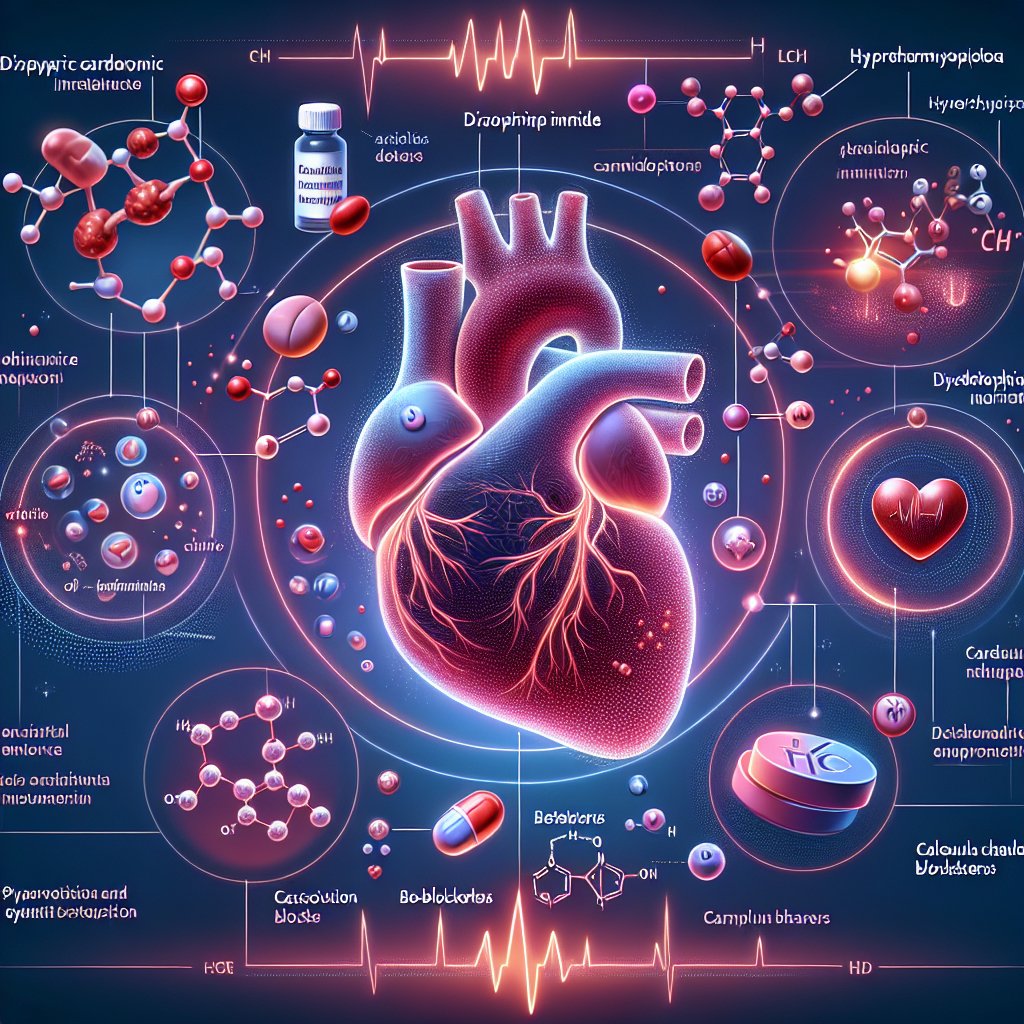
Pharmacological therapies like disopyramide and cardiac myosin inhibitors are most effective in reducing heart obstruction in hypertrophic cardiomyopathy patients, followed by beta-blockers and calcium channel blockers. #HeartHealth#Cardio https://t.co/z7iXbETEsG
Women show higher baseline platelet reactivity and less response to aspirin and clopidogrel compared to men, suggesting sex-specific differences in platelet biology and response to antiplatelet therapy. #PlateletReactivity#SexDifferences https://t.co/XQflwvx9aA
New research explores left-to-right shunts as a non-drug treatment for heart failure. This method could reduce pressure in the left atrium, improving quality of life and long-term outcomes. More studies needed. #HeartFailure#HealthInnovati https://t.co/BtsE26Y5C1
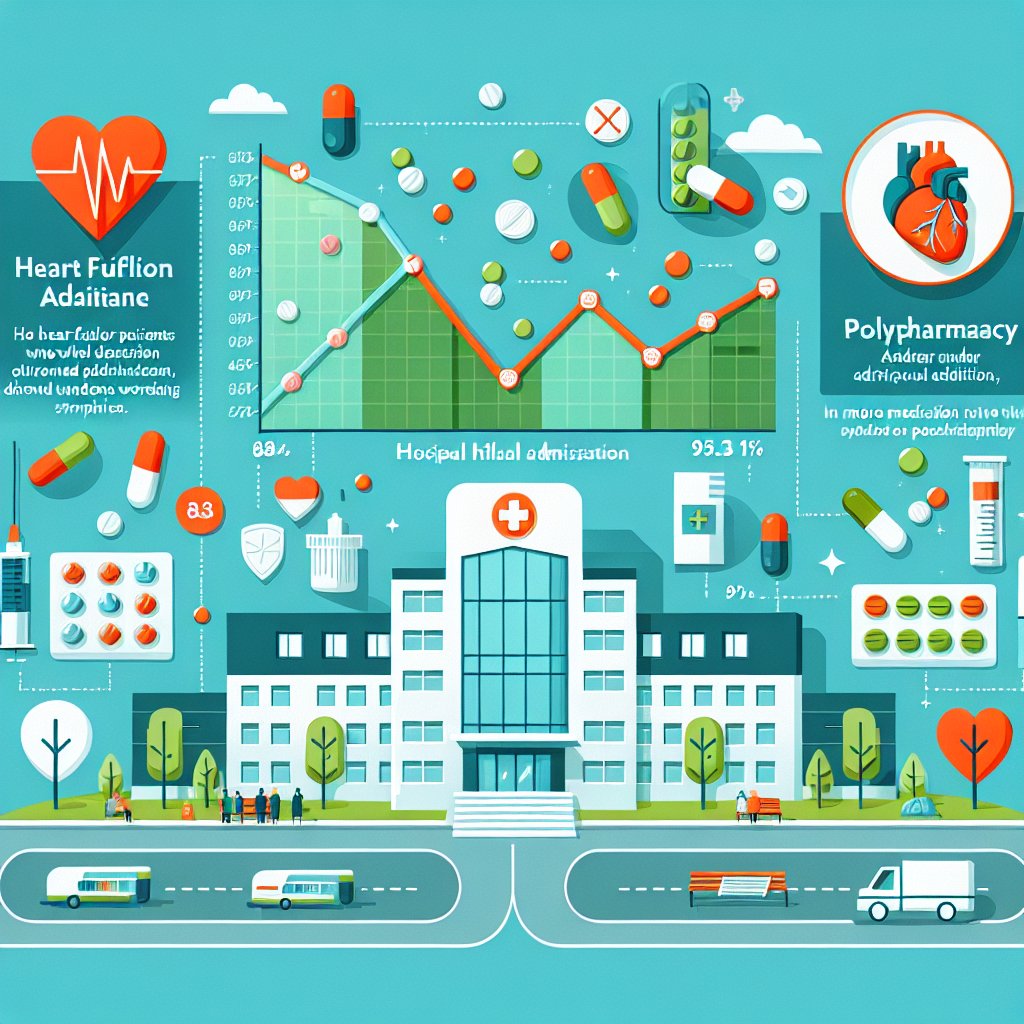
Study finds 87.3% of heart failure patients have polypharmacy on first hospital admission, rising to 95.1% at discharge. More meds linked to older age, more comorbidities, and worse symptoms. #HeartFailure#Polypharmacy https://t.co/S15oiDKfd2
Research shows specialized pro-resolving mediators can help stop inflammation, promoting healing and limiting pain. This could be key in treating atherosclerotic cardiovascular disease. #Inflammation#HeartHealth https://t.co/90cDgCx8ar
Latin America & Caribbean face a growing burden of heart diseases due to population growth, aging, obesity & diabetes. Public policies to reduce smoking & control hypertension are key strategies. #CardiometabolicHealth#PublicHealth https://t.co/X4VjoCoG8i
New research links abnormal aortic blood flow to heart disease. Restoring normal flow could be a new treatment target, potentially reducing risk of heart issues and death. #HeartHealth#MedicalResearch https://t.co/8fDh97G3v1
Lowering LDL-cholesterol can reduce atherosclerotic plaque and heart disease risk. Newer treatments show promise, but more research is needed for residual risk. Non-invasive imaging could guide personalized treatment. #HeartHealth#Choleste https://t.co/2nxTDYYx1I
New research explores targeting immune cell recruitment to combat atherosclerosis, a leading cause of heart attacks and strokes. Challenges include lack of tissue specificity and selectivity. #Atherosclerosis#HeartHealth https://t.co/EzcSrlOkzM