It’s my job to tell you the TRUTH SO HELP ME GOD!I DIGRESS...
As Father Mark Beard would say...
GOD ALREADY KNOWS THE MOMENT OF YOUR BIRTH AND THE MOMENT OF YOUR DEATH, AND THE NANOSECOND YOU DIE YOU ARE JUDGED. YOU ARE IN HEAVEN, HELL, OR PURGATORY.
I'M TELLING YOU THAT YOU CAN'T PICK AND CHOOSE. YOU COME IN ON THIS DAY AND LEAVE ON THIS DAY. IT'S A NON-NEGOTIABLE.
Do what you do best - pray, say the rosary, go to Mass, receive the sacraments.
If Momma don't pray, nobody prays. Burn those beads. A bad rosary said is better than NO rosary said.
When I walk in your house, can I tell that you are Catholic?
Don't sit on the fence! The fence is the Devil. Don't fight with the Barking Dog (the Devil)!
You and I have got to stop apologizing for being Catholic.
Go to confession, throw up, and be done with it. If you have to, priest shop. Just go to confession!
Continue to Rest in peace Father Mark 🕊️🕊️
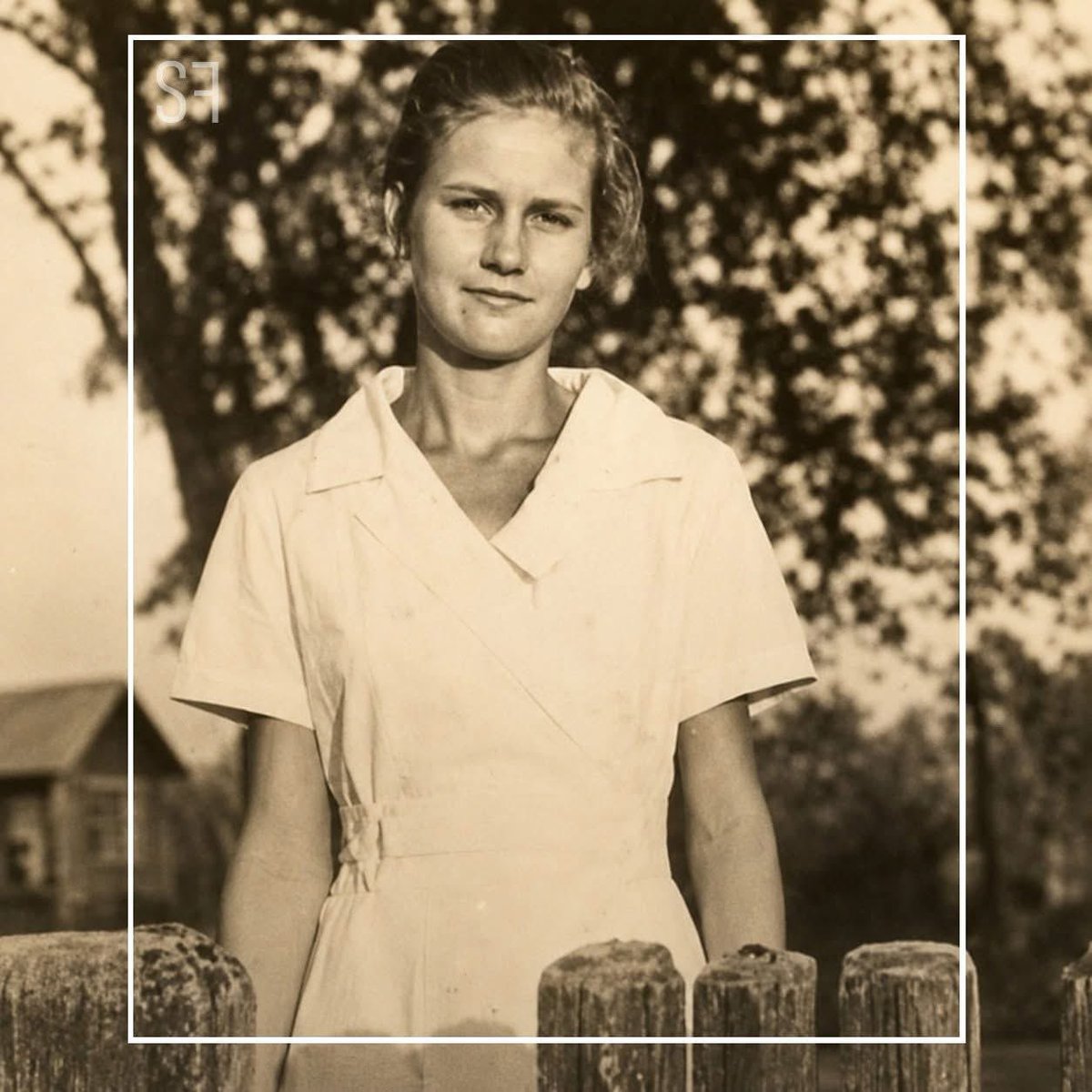
In 1909, a government speaker praised a new federal program that gave young farm boys land, seed, and agricultural training.
Sitting in the back of the room, a 27-year-old rural schoolteacher named Marie Cromer raised her hand and asked: "What are we doing for the farm girls?"
Knowing her female students were often pulled out of school to work the fields for free, Cromer went home to South Carolina and started the Aiken County Girls’ Tomato Club.
She gave 47 girls tomato seeds, a 1/10-acre plot of land, and lessons in bookkeeping, crop management, and canning.
The most important rule: the girls got to keep every dollar they earned.
For many, it was the first time they had their own money or a bank account in their name. In their first year, one teenager canned over 500 jars of tomatoes, making a $40 profit—a massive sum at the time that helped her secure a college scholarship.
The idea exploded. By 1913, over 20,000 girls across the South were enrolled in tomato clubs. The federal government noticed and eventually merged these girls' and boys' agricultural clubs into a national cooperative.
A decade later, the youth movement got a new name: 4-H.
Today, nearly 6 million kids participate in 4-H programs across the US. It all traces back to a schoolteacher who saw girls being left behind and decided to build something for them.
@SheenaLemmer I’m sorry you’re feeling this grief. I share it with you as I lost my beloved Dad a month ago and still cry every day. I’m told it gets better over time but the sadness of not having them around will never go away. I believe that to be true. Big hug, my friend
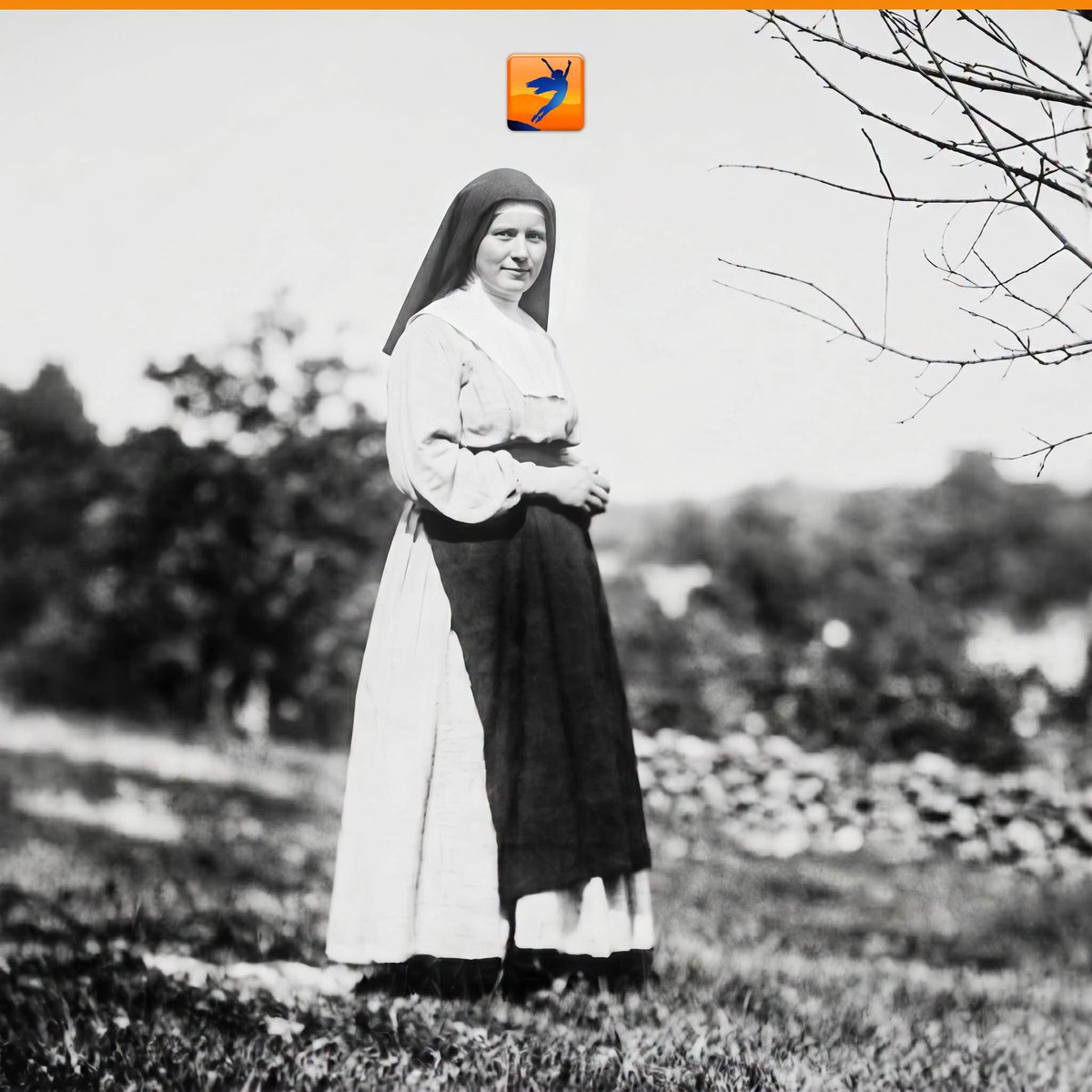
She asked the archbishop just one question: Is it acceptable for a nun to lie to save Jewish children?
The archbishop’s written reply was just a few words long: "Let’s lie, my daughter, let’s lie."
With that blessing, a 30-year-old French nun named Sister Denise Bergon transformed her quiet convent school into a secret sanctuary.
The year was 1942, and Nazi troops were rounding up Jewish families across France, dragging parents and young children onto trains headed for concentration camps. Nearby, terrified Jewish children were hiding alone in the woods, starving and freezing.
Sister Denise was the Mother Superior of Notre-Dame de Massip in southwest France.
She had already quietly taken a few children in, pretending they were ordinary Catholic pupils. But she knew that to save more, she would have to build a massive web of deception.
She would have to lie systematically, for years, to the Vichy regime, the Gestapo, and even to most of the other nuns in her own convent.
Desperate for guidance, she secretly wrote to Archbishop Jules-Géraud Saliège of Toulouse. He was one of the very few French religious leaders who had publicly condemned the Nazi persecutions, famously declaring that the Jewish people were brothers and sisters to Christians.
His simple reply gave Sister Denise the courage she needed to act.
Resistance couriers and desperate relatives began smuggling children to her gates. Little girls like 12-year-old Annie Beck and Hélène Bach arrived, traumatized and exhausted.
Eventually, Sister Denise was hiding 83 Jewish children.
To keep them safe, she only told three other people in the convent the full truth. The other 11 nuns were told the children were war refugees from another region. But Jewish children didn't know Catholic prayers or how to cross themselves, which risked exposing them.
Sister Denise came up with a brilliant cover story: she told everyone the children came from strict communist families who rejected religion entirely.
Whenever the children made a mistake during Mass, people just assumed they had never been taught.
The danger was constant.
When Nazi and local police forces came to search the convent, Sister Denise greeted them with absolute calm, showing them around the classrooms while the Jewish children hid in secret cellars right beneath the chapel floor.
At night, while the convent slept, she went out into the garden and buried the jewelry, cash, and identity documents Jewish parents had left with their kids, marking the locations only in her memory.
She also kept a secret ledger of their real names, determined to reunite them with their families after the war.
Her bravery paid off.
For 20 months, she ran this high-stakes operation under the noses of the Gestapo. When the war finally ended, the tally was miraculous: every single one of the 83 children had survived.
Sister Denise didn't just keep them alive; she protected their dignity. When surviving relatives came to reclaim them, she handed back every child alongside every single piece of buried jewelry and cash, completely untouched.
For the orphans, she worked tirelessly to find safe homes with relatives abroad.
Sister Denise never sought fame or wrote a memoir. She stayed at her quiet convent for the rest of her life, passing away in 2006 at the age of 94.
Decades after the war, the garden where she once buried stolen valuables in the dead of night became a place of beautiful reunions.
Elderly survivors, now in their 70s, would travel from all over the world back to Capdenac. They sat in the shade of a cedar tree planted in her honor, drinking tea with the woman who had risked everything for them.
They brought their own children and grandchildren to meet her—living proof of her incredible courage.
Looking at the generations of families gathered around her, Annie Beck smiled and spoke for them all, saying, "She was like a mother to us. She saved our lives."