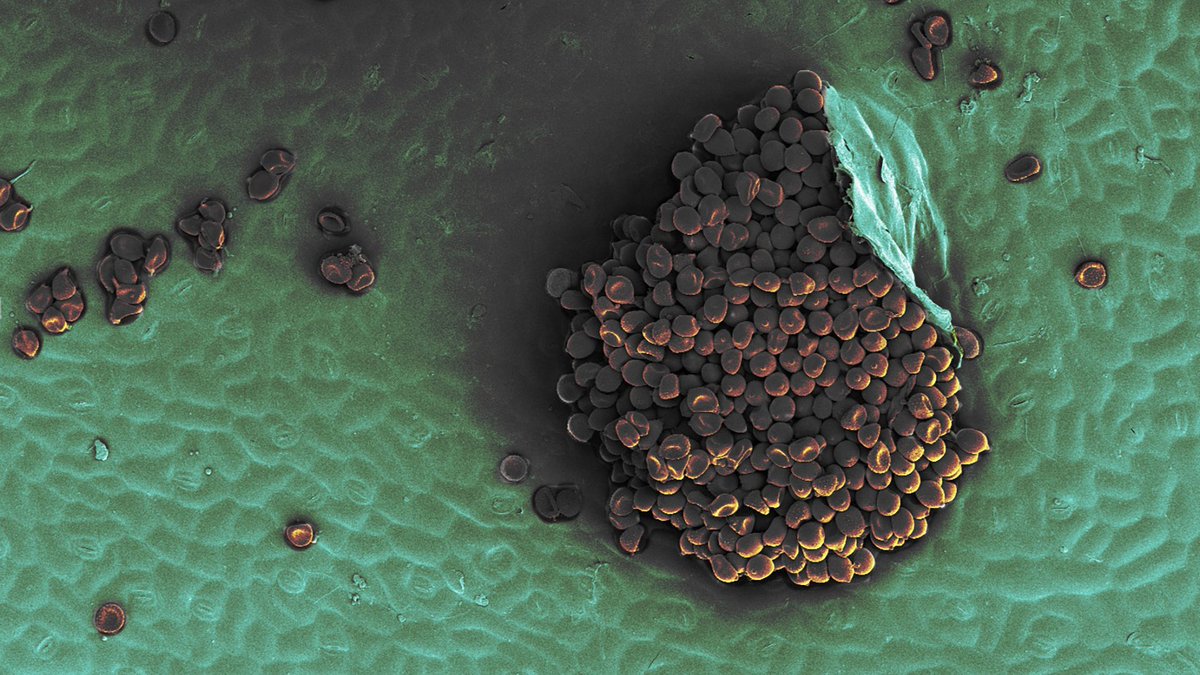
Rust #fungi have a huge impact on crops worldwide, particularly cereals.
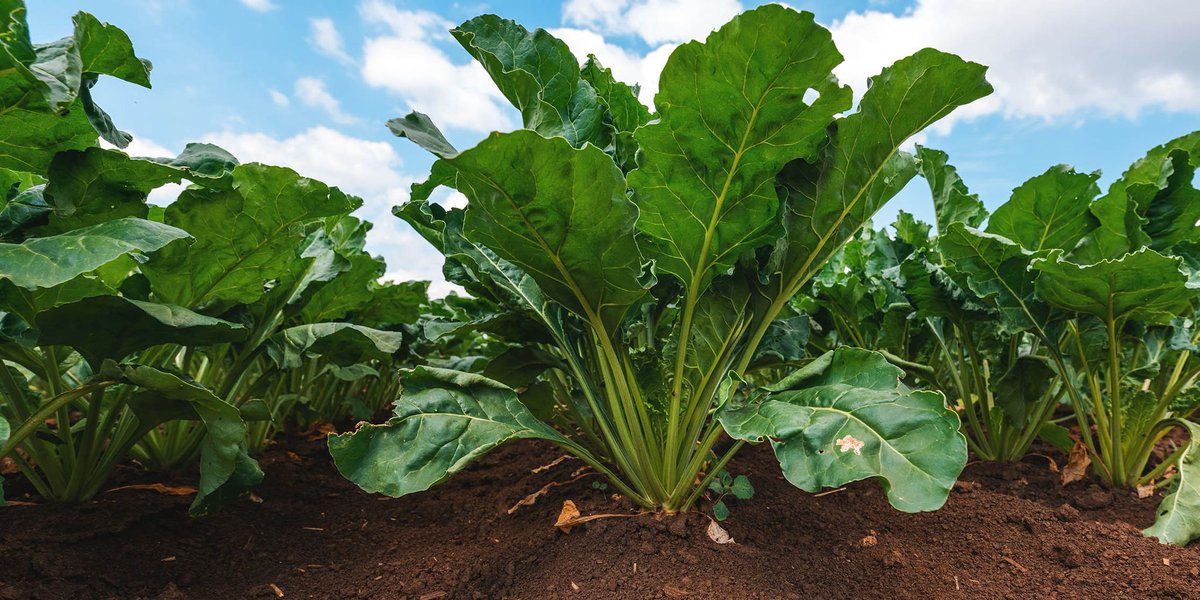
🌱 In the Hall Group, PhD Researcher @HeleneYvanne, is unravelling the ties between #sugarbeet and sea beet to identify potential rust resistance. 🧬
https://t.co/fF1Clxt0t2
#Genomics#CropScience
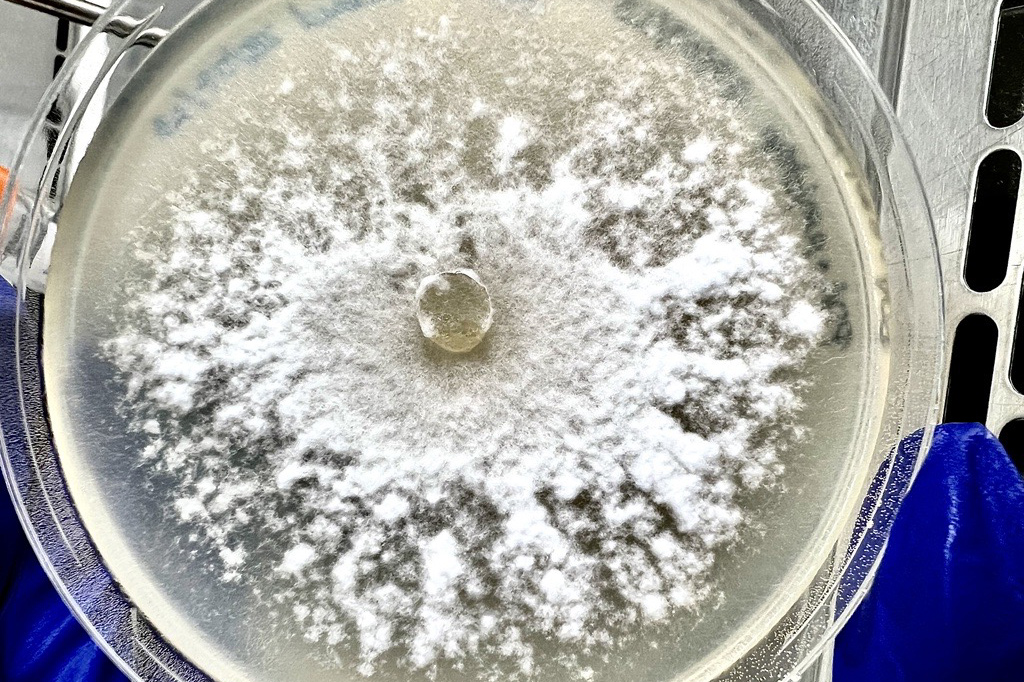
In collaboration with @Rothamsted, scientists in the Hall Group at the Earlham Institute are investigating the devastating #wheat#pathogen Gaeumannomyces tritici, also known as wheat take-all.
https://t.co/rPc2Ik36Xm
👥 @mcmullan0 / @RowenaCHill
💬 “The plant pathogen work at the Earlham Institute uses our expertise in data-driven science to uncover #genomic diversity in #pathogens and hosts."
Focus on #fungi helps fight global threat to our food:
https://t.co/WPHOvmMukK
#foodsecurity#cropscience#REAP2023
Are you joining @Agri_Tech_E for #REAP2023 today?
Find the Earlham Institute team to discuss the latest research and technologies across #genomics, #biodiversity, and #agritech.
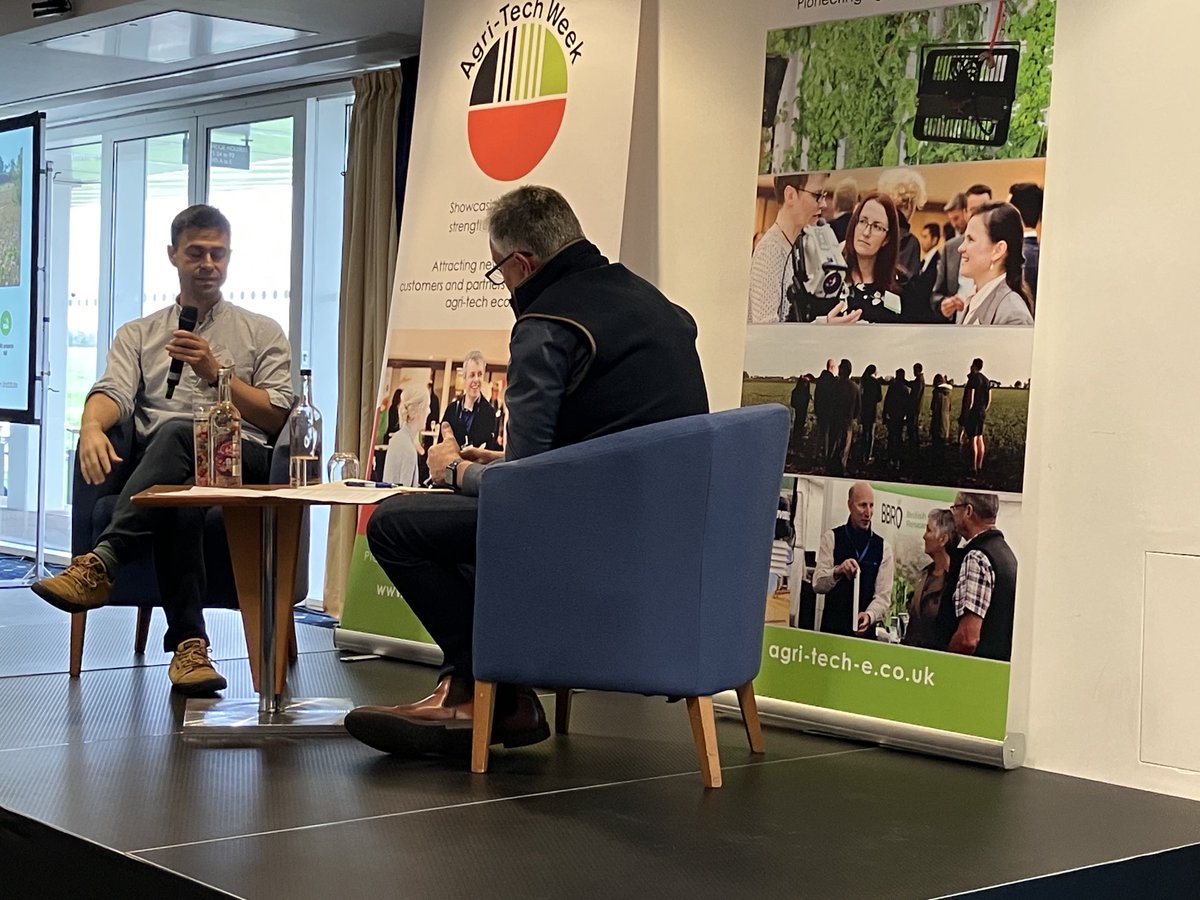
PhD researcher Jonathan will be speaking during the Emerging Agri-Tech session at 12.10pm. #ATW2023
Jonathan Ashworth is @EarlhamInst talking about how #genomics can help increase #biodiversity and enable farmers, landowners and developers, and seed producers to meet targets on increasing biodiversity #REAP2023#ATW2023
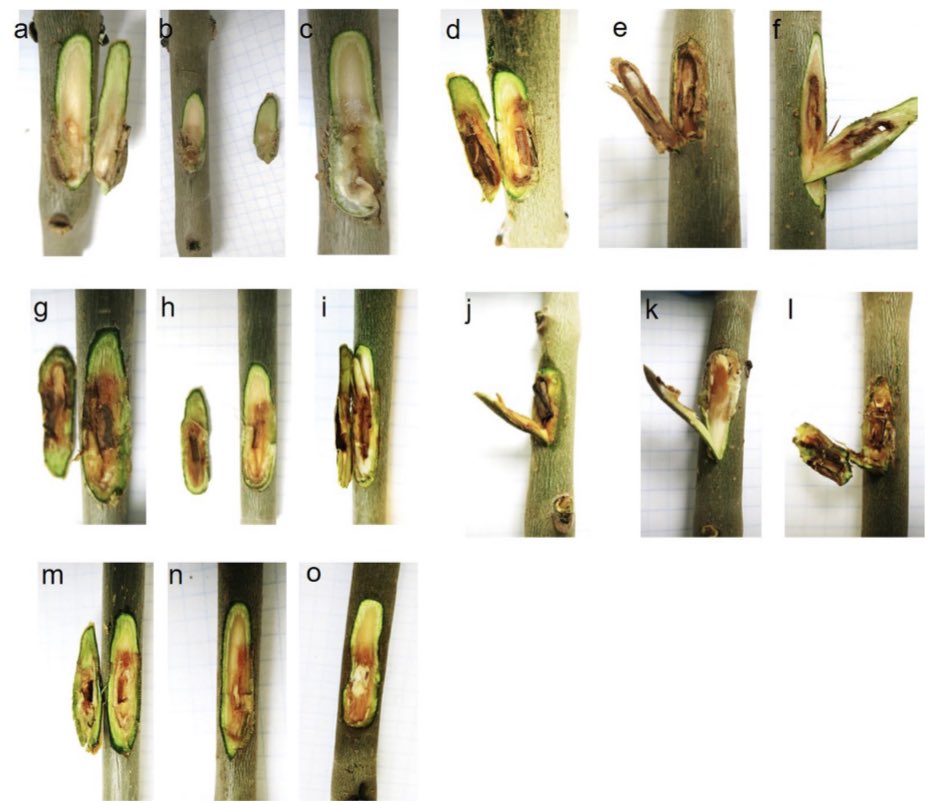
Happy to share our paper revealing how #endophytic fungi related to the #ashdieback
fungus also carry signatures of pathogenicity on European ash, highlighting the crucial role of #biosecurity in preventing the spread of #forest diseases.
https://t.co/DgjHWNaLsV
This work will also allow the exploration of resistance genes diversity and their gene flow between wild populations and to assess the impact of proximity with cultivated beets. Excited to discover genetic diversity for wild sea beet resistance to pathogens!
My association analysis is based on 3 large-scale rust inoculation experiments with 2 English and 1 Danish rust isolates, on ~600 wild European sea beets, in controlled conditions. I am then selecting the most and least resistant plants to include them in the association study.
There is also the adaptation of wild hosts to consider (@HeleneYvanne) in addition to lots of other areas such as modelling invasions. I'd be really keen to chat to people thinking along these lines or just interested in next steps. Thanks.
Analysis of wild plant pathogen populations reveals a signal of adaptation in genes evolving for survival in agriculture in the beet ... https://t.co/3O0qlhBFfX #biorxiv_evobio
Until recently all agricultural pathogens lived on a wild host. We developed the beet system to explore pathogen genetic reservoirs to explain how crop pathogens quickly adapt to new resistance. Here, we identify a signal of adaptation in a rust pathogen.
Photo by @GreyMj
1/