Power Shift: Benjamin T. Shotzberger has built a career across homeland security, national security, business growth, and federal operations through experience spanning government leadership, strategic advisory roles, business development, and mission delivery. In his current role as Vice President, Homeland Security Growth at Agile Defense and as Chief Backstop at In Foul Territory Consulting, he drives growth strategy, partnership development, and operational support across the federal landscape. Previously serving in senior leadership roles across the Department of Homeland Security and the private sector, he has led strategic planning, policy execution, organizational transformation, executive engagement, and cross-sector collaboration. For more info on strengthening your market awareness with intelligence like this, visit #linkinbio.
The U.S. military has validated a new counter-drone system for broader operational use following testing along the southern border. The system is designed to detect and disrupt a range of unmanned aerial threats through automated sensing and non-kinetic countermeasures, reflecting continued investment in layered air defense and emerging security technologies. The effort highlights the growing focus on protecting infrastructure and personnel as drone capabilities become more widespread. To learn more about defense technology and security trends, visit our website using the link in our bio.
The European Union has advanced plans to create European business wallets, a digital identity tool designed to help companies manage cross-border operations more efficiently across the single market. The initiative would allow businesses to verify identities, exchange documents, sign records electronically, and interact securely with public administrations through a harmonised digital system. The proposal reflects broader efforts to reduce administrative burdens and strengthen Europe’s digital and economic integration. To learn more about digital policy and business innovation trends, visit our website using the link in our bio.
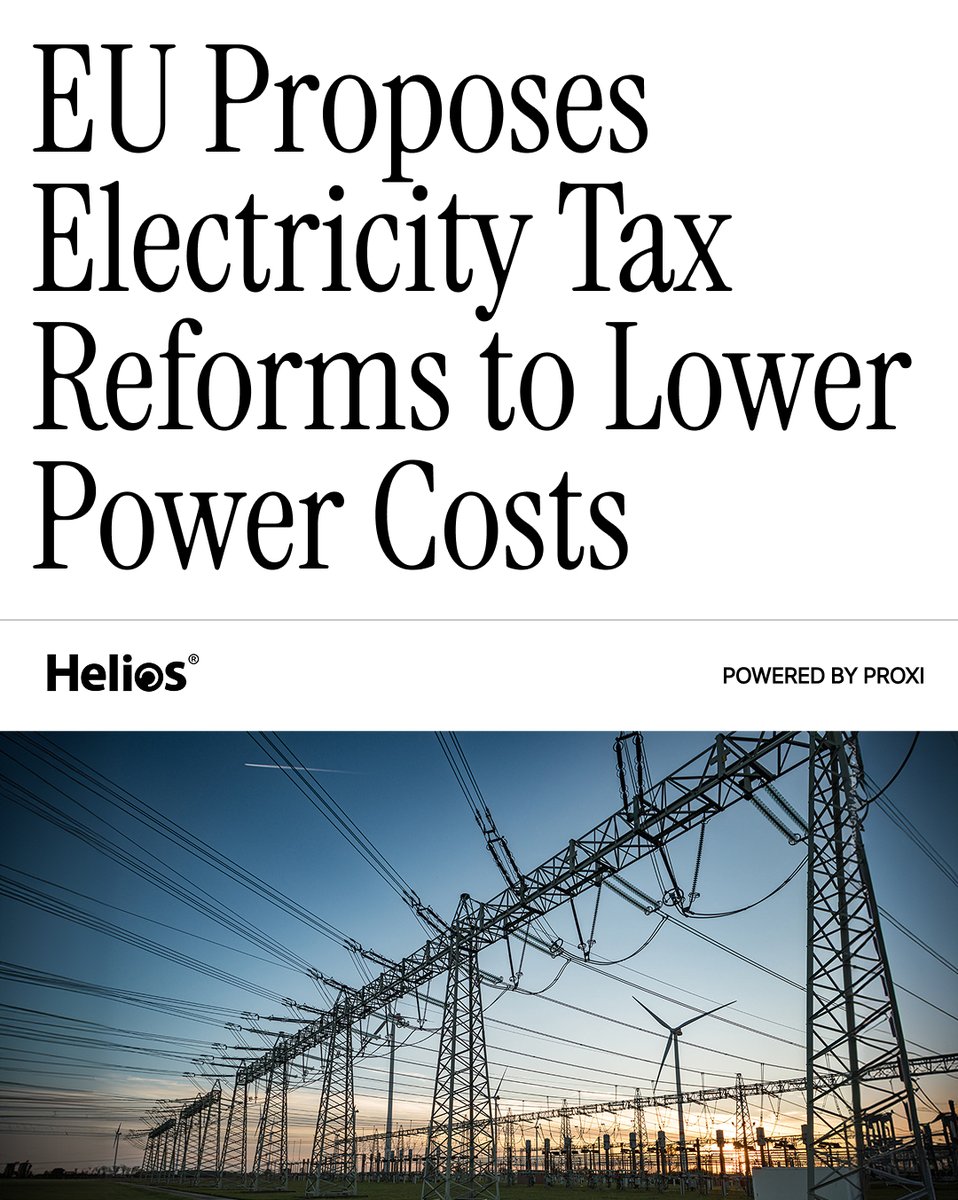
The European Union is preparing proposals to adjust electricity taxes and energy network charges as part of broader efforts to reduce consumer energy costs. The proposals are intended to make electricity use more cost-competitive across transport, industry, and heating. They also include measures related to electric vehicles, heat pumps, flexible electricity use, and smart meter adoption. To learn more about energy policy, electrification, and global market trends, visit our website using the link in our bio.
A proposed U.S. immigration policy affecting some green card applicants living in the United States has been revised following concerns from employers and immigration stakeholders. The policy would have required certain applicants to complete parts of the process outside the country. The issue has drawn attention from businesses that rely on skilled international workers, as well as from employees and families navigating employment-based immigration backlogs. To learn more about immigration policy and global workforce trends, visit our website using the link in our bio.
The United States has proposed new tariffs of up to 12.5% on imports from China and dozens of other trading partners under a forced-labour trade investigation. The proposal would use Section 301 authorities and remains subject to public consultation before any final decision. The move reflects broader efforts to reshape U.S. trade policy while increasing focus on supply chains, manufacturing competitiveness, and trade enforcement. To learn more about trade policy and global economic trends, visit our website using the link in our bio.
The U.S. government and USA Rare Earth have signed agreements that provide access to up to $1.6 billion in funding support to help expand domestic rare earth production and processing capabilities. The investment supports efforts to build an integrated U.S. supply chain spanning mining, refining, and magnet manufacturing as policymakers continue focusing on critical minerals, supply chain resilience, and reducing reliance on concentrated global sources. To learn more about industrial policy, critical minerals, and global supply chain trends, visit our website using the link in our bio.
Power Shift: Sally Rose Larson has built a career in government relations, public affairs, and federal policy through experience spanning congressional leadership, industry advocacy, and external engagement. In her current role as Senior Manager, U.S. Federal Affairs at Netflix and previously as Senior Vice President, Government & External Affairs at the Digital Media Association, she has led advocacy initiatives, supported policy engagement, developed communications strategies, and strengthened stakeholder relationships. Her work has included leading Republican congressional engagement, legislative affairs, public policy development, coalition building, and strategic outreach to advance organizational priorities and external engagement efforts. For more info on strengthening your policy awareness with intelligence like this, visit #linkinbio.
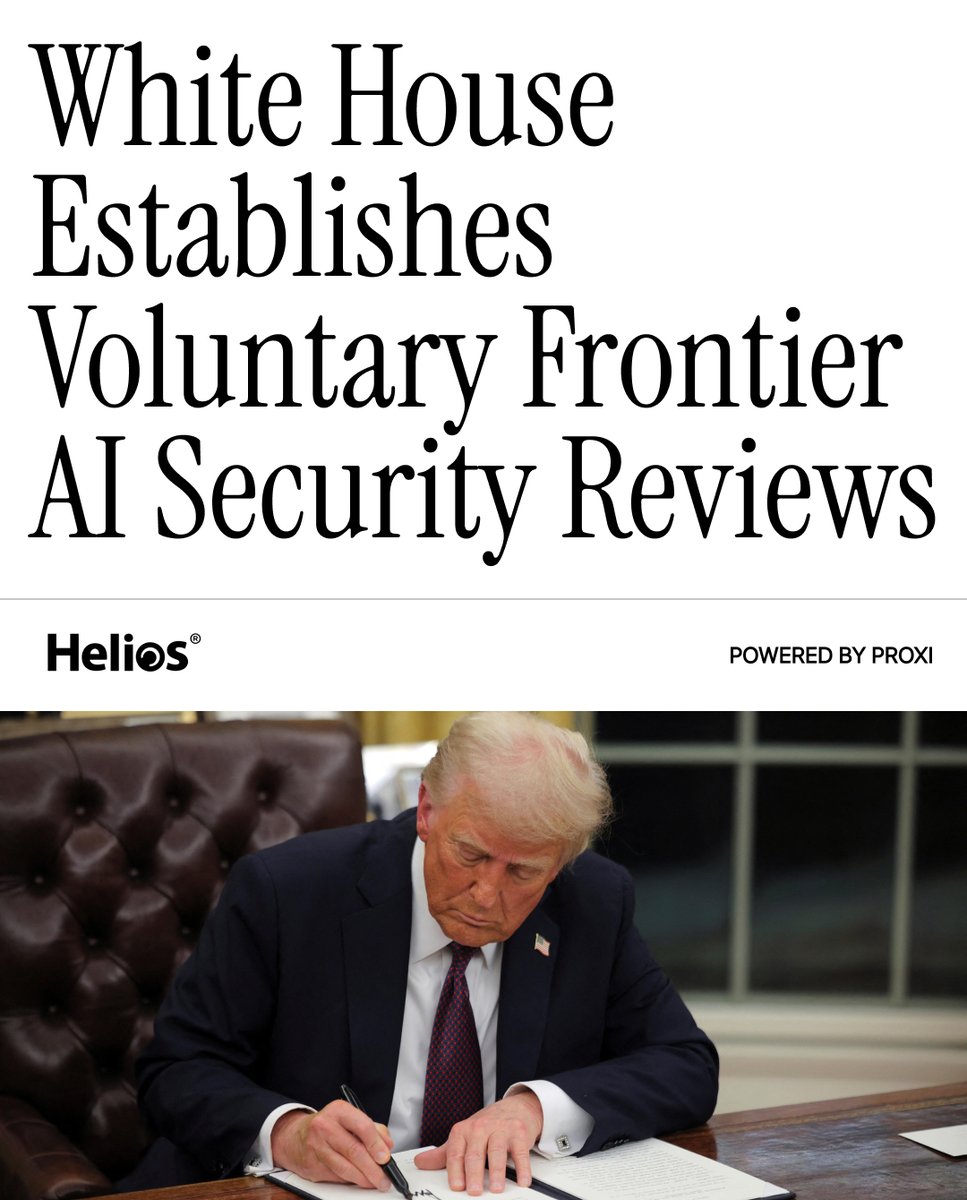
The White House has issued an executive order focused on AI cybersecurity and advanced AI model security. The order directs federal agencies to strengthen cyber defenses, expand access to AI-enabled security tools, support critical infrastructure protection, and establish a voluntary framework for collaboration between government and AI developers on evaluating advanced models before release. The policy emphasizes balancing AI innovation with cybersecurity readiness and national security priorities. To learn more about AI policy, cybersecurity, and emerging technology trends, visit our website using the link in our bio.
The United States is reportedly discussing whether to expand nuclear-sharing arrangements within NATO by considering additional European host locations for nuclear-capable aircraft. Discussions are said to be ongoing and no decision has been announced. The reported talks reflect broader debates around deterrence, alliance responsibilities, and the future of European security as NATO members continue to reassess defense priorities and military readiness. To learn more about defense policy and global security trends, visit our website using the link in our bio.
The European Union is pushing to strengthen its domestic tech sector, with cloud providers, lawmakers, and civil society groups supporting efforts to reduce reliance on foreign digital infrastructure and expand European alternatives. Proposed measures include increasing the role of local cloud providers in public services and investing in semiconductor capabilities to boost technological resilience and competitiveness. To learn more about technology policy and digital infrastructure trends, visit our website using the link in our bio.
The United States, United Kingdom, and Australia are expanding cooperation under the AUKUS partnership to develop unmanned undersea vehicles, with deliveries expected to begin in 2027. The program is intended to strengthen maritime capabilities across areas such as surveillance, undersea operations, and advanced defense technologies, while reflecting a broader focus on emerging technologies in security and defense planning. To learn more about defense technology and global security trends, visit our website using the link in our bio.
Hannah Anderson has built a career in strategic communications, media relations, and public affairs through experience spanning congressional communications, national political operations, and digital content strategy. As Press Secretary for Congressman Michael Baumgartner and previously a Communications Assistant at the Republican National Committee, she has supported media engagement, drafted communications materials, coordinated messaging efforts, and managed stakeholder outreach. Her work has also included digital content development, website management, and public-facing communications, contributing to broader efforts surrounding constituent engagement, organizational messaging, and strategic communications initiatives.
For more info on strengthening your policy awareness with intelligence like this, visit #linkinbio.
The U.S. Department of the Treasury has removed 76 outdated entries from its sanctions list, including deceased individuals, decommissioned vessels, and inactive entities. Officials say the update is part of a broader effort to keep sanctions focused on current threats and aligned with economic, foreign policy, and national security goals. To learn more about sanctions policy and global economic security trends, visit our website using the link in our bio.
The European Union is considering temporary flexibility in methane emissions rules for oil and gas imports as it balances energy security, market pressures, and climate goals. While methane reduction remains a key climate priority for the EU, policymakers are assessing how to maintain reliable energy supplies amid evolving global markets. To learn more about energy policy, climate strategy, and global market trends, visit our website using the link in our bio.
Power Shift: Ari Sulby has built a career shaping international trade and industrial policy through economic diplomacy, multilateral engagement, and cross-border negotiations. With experience spanning the Office of the United States Trade Representative and the Department of State, he has negotiated trade provisions, advised on subsidy and investment policy, and represented U.S. interests in major international forums including the WTO, OECD, and G20. His work has also focused on supply chain resiliency, trade enforcement, and regional economic affairs, contributing to broader efforts surrounding global competitiveness and economic coordination.
For more info on strengthening your policy awareness with intelligence like this, visit #linkinbio.
Delaware lawmakers have introduced legislation to protect electricity customers from rising costs tied to data center demand. The proposal would require utilities to create separate rate structures for very large energy users, keeping infrastructure expansion costs from being passed onto residential customers. The move reflects a broader challenge as AI, cloud computing, and digital infrastructure drive higher electricity demand across many regions. Data centers are critical to modern AI development, but they place real pressure on power grids and utility infrastructure. The trend is clear: AI infrastructure is becoming inseparable from energy policy, industrial planning, and debates over affordability and grid resilience.
To learn more about AI infrastructure and energy policy trends, visit our website using the link in our bio.
The Export-Import Bank is reportedly preparing a new financing program to support foreign purchases of U.S. AI technologies, including loans, guarantees, and insurance for international buyers. The move reflects how governments now treat AI as both an economic and strategic priority. The conversation has shifted from building models to shaping global technology ecosystems, infrastructure, and standards. Policymakers are still working through the tension between technology exports, commercial growth, and national security. As countries compete for influence in AI, financing programs and international partnerships are becoming central tools of economic statecraft.
To learn more about AI strategy and global technology trends, visit our website using the link in our bio.
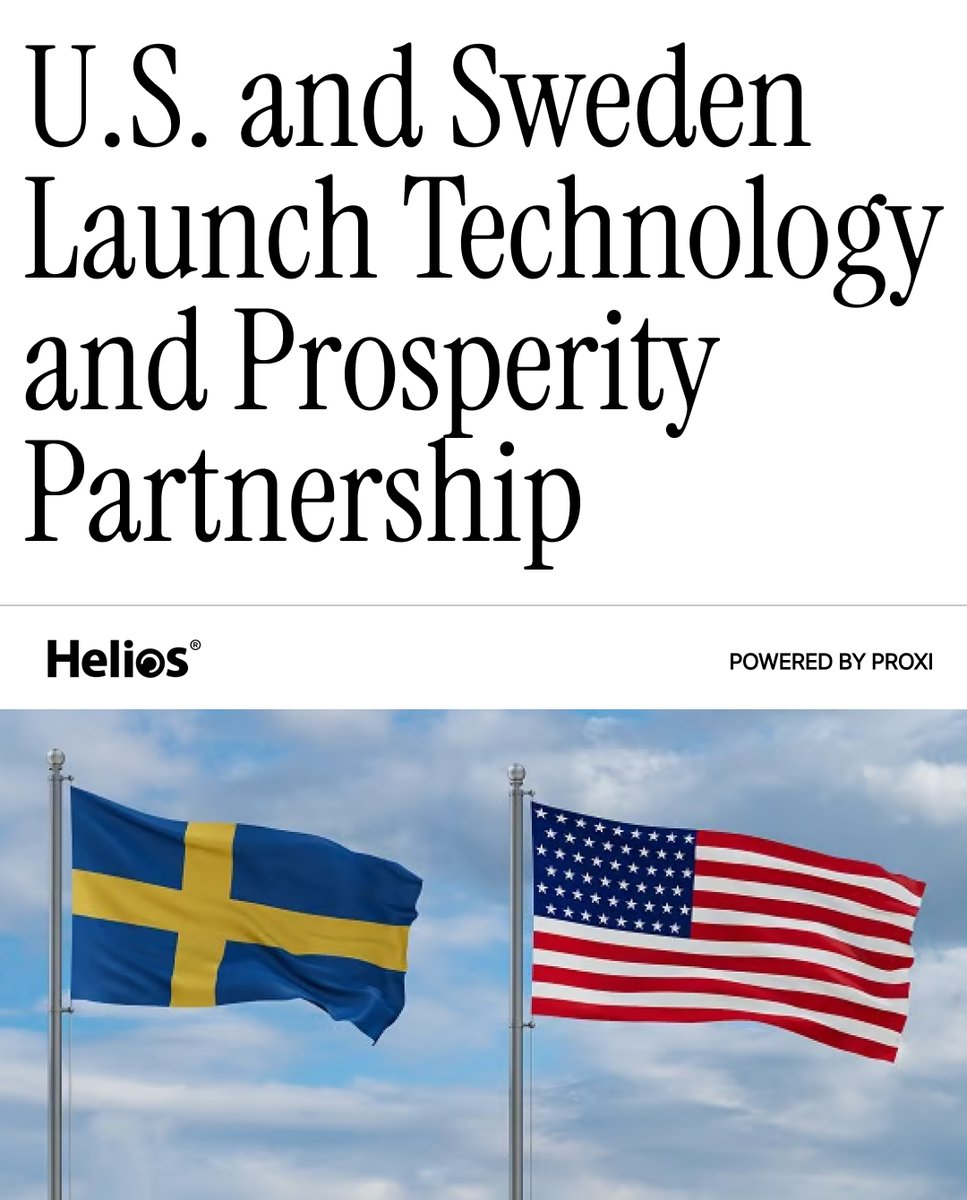
The United States and Sweden have outlined a new technology and innovation partnership focused on AI, advanced manufacturing, quantum technology, energy systems, telecommunications, and defense-related collaboration. The partnership also highlights collaboration on nuclear energy technologies, space innovation, industrial automation, and research security initiatives. A major theme throughout the agreement is building resilient and trusted technology ecosystems while strengthening cooperation between allied countries in strategically important industries. As AI, connectivity infrastructure, semiconductors, quantum systems, and energy technologies continue evolving, international technology partnerships are becoming more important to supply chain resilience and global competitiveness.
To learn more about technology policy and global innovation trends, visit our website using the link in our bio.
More governments are moving to access emergency financing tools from the World Bank as rising energy costs and supply chain disruptions continue affecting global economies. According to reports, 27 countries have activated or are preparing crisis-response financing mechanisms designed to provide faster access to funding during periods of economic stress. The pressures are linked to higher fuel costs, disrupted fertilizer shipments, and broader volatility across global trade and commodity markets. For many developing economies, external shocks can quickly affect inflation, food security, public finances, and economic stability. At the same time, debates continue over how financial assistance programs should balance emergency support, fiscal reforms, and long-term economic resilience.
To learn more about global finance and economic policy trends, visit our website using the link in our bio.