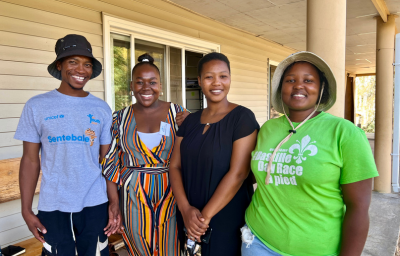
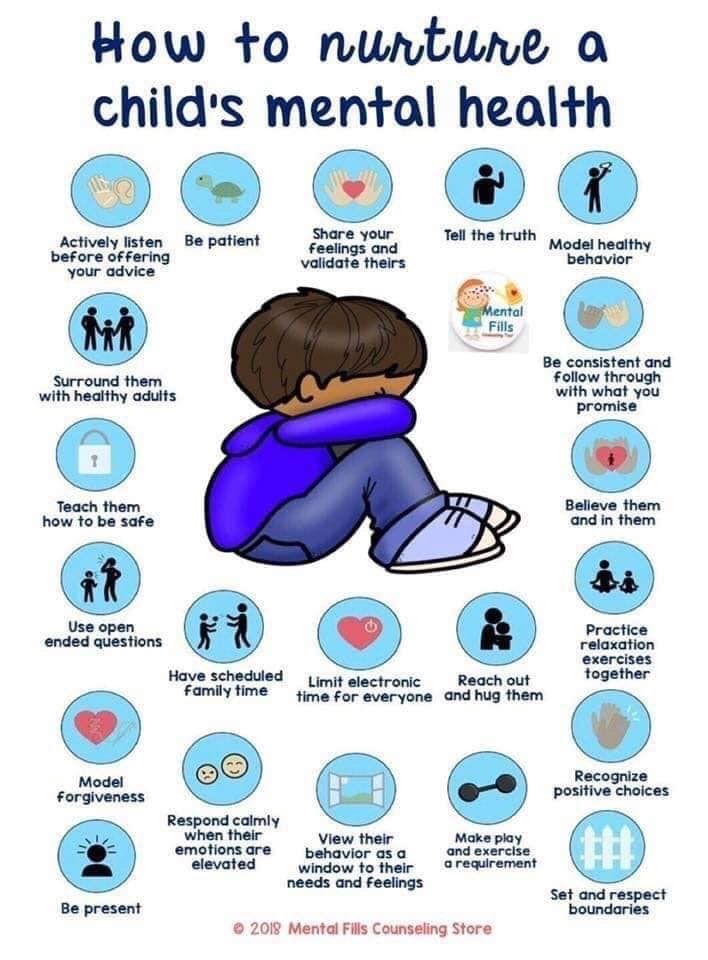
We were delighted to partner with The Hub to lead a workshop on psychosocial support, a core element of both our work. We explored how to show empathy through active listening and how to strengthen resilience in ourselves and others.
Today is #InternationalYouthDay, a time to celebrate the resilience and determination of young people everywhere. In Lesotho, that resilience is being tested like never before. However, we see youth lifting each other up, celebrating wins and refusing to give up.
Were you part of a Help Lesotho program in the past? Now’s your chance to give back! Through our Smart Kids Program, alumni volunteers provide after-school tutoring, literacy activities and psychosocial support for children in their villages.
Apply today: https://t.co/pSQYRWjkuz
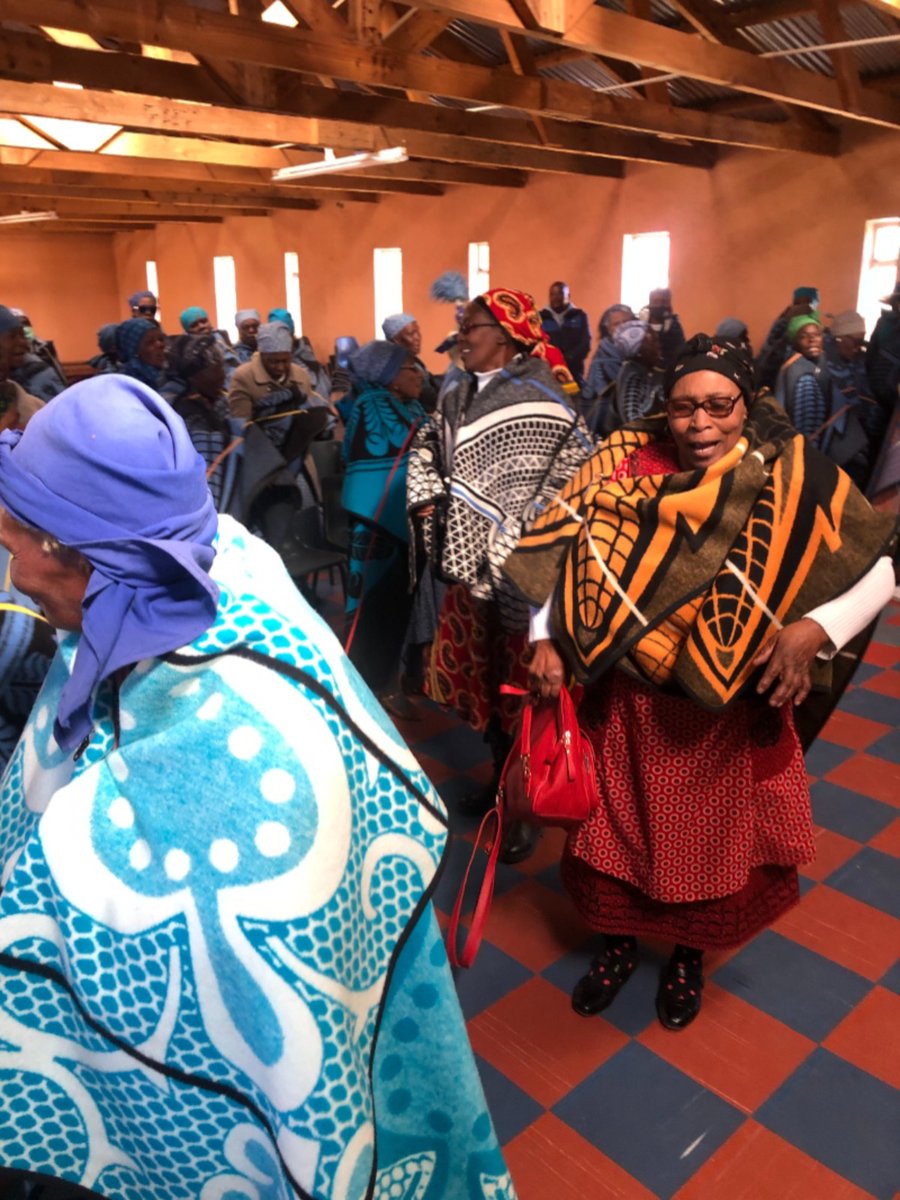
It was a joyful graduation day for these incredible grandmothers! After two years in Help Lesotho’s Grandmother Support Program, they’ve gained the confidence, knowledge, and resilience to better care for themselves and the children who rely on them.
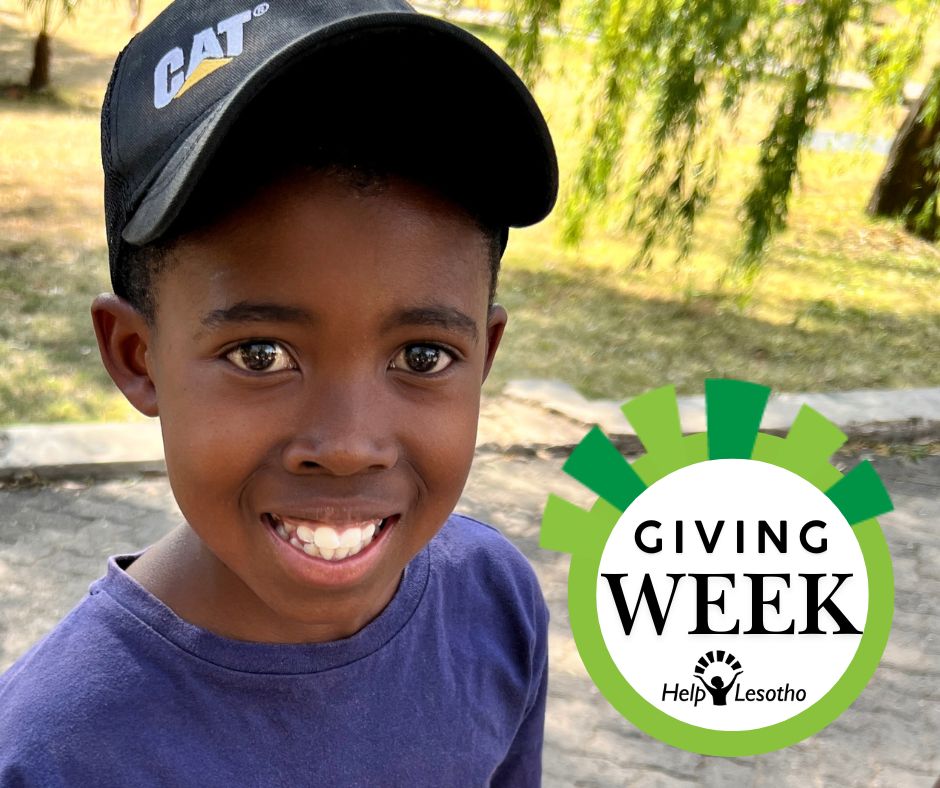
Giving Week has begun! Right now, funding is low and the need is greater than ever, but YOU can make a powerful difference. Your gift, today, will go directly to those who need it most. Donations can be made here: https://t.co/0l7RzLNcXT
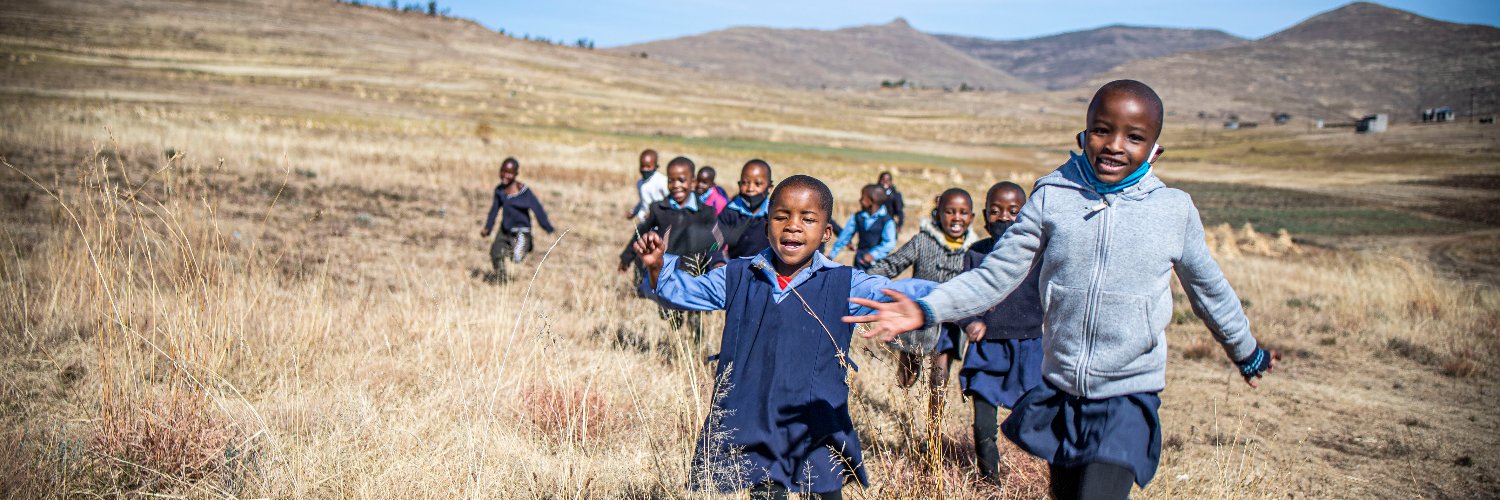
Today we honour #DayOfTheAfricanChild. This day is a powerful reminder that every child deserves the chance to grow, learn and thrive.
We are committed to empowering children with education, psychosocial support and life skills that help them create a better future.
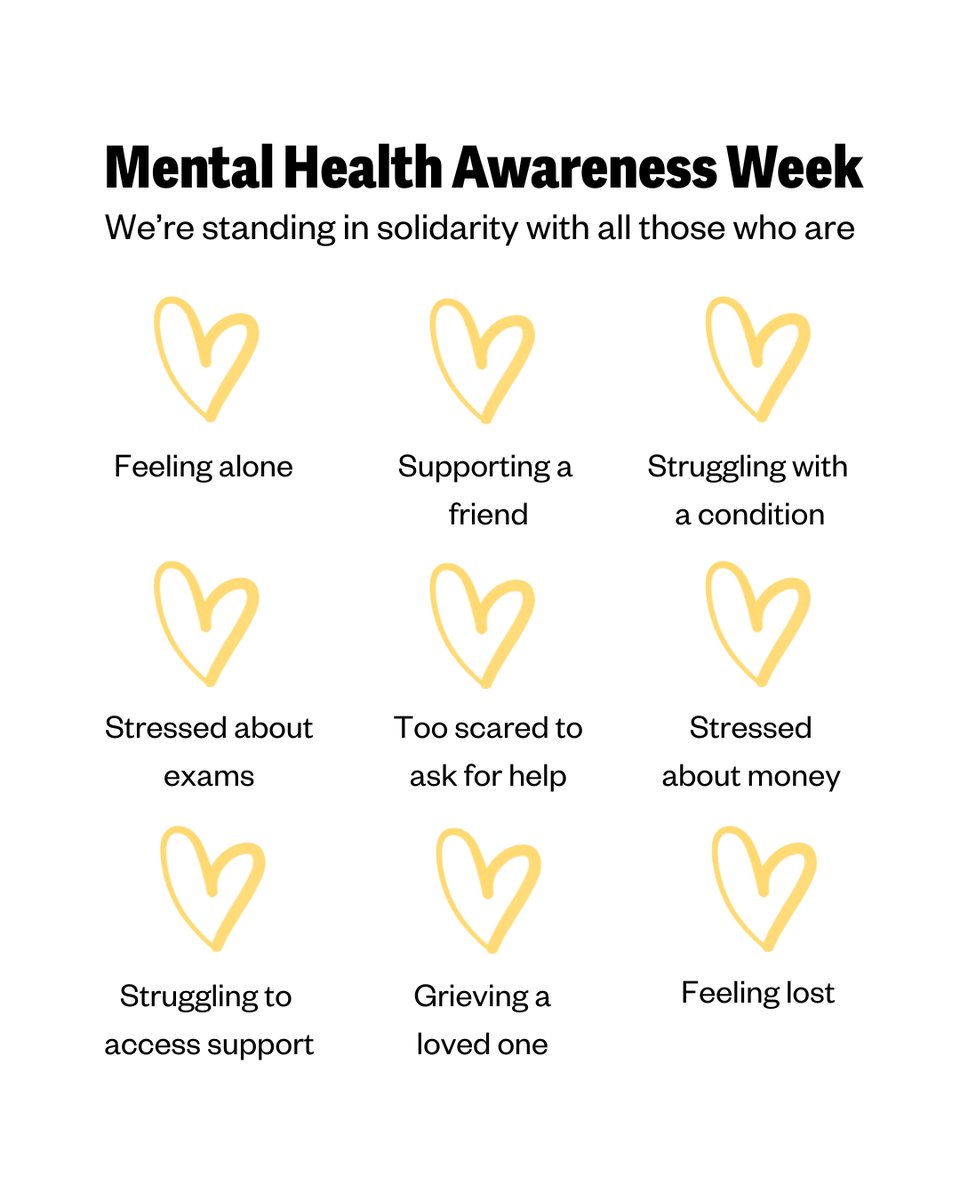
A positive community should make you feel safe, good about yourself, respected, and accepted. 💜
The MHF Young Leaders share what positive, and unhealthy, online communities feel like to them.
💬 What do positive communities feel like to you?
Read our guide on navigating online communities safely: https://t.co/k06ZCieOJO
#MentalHealthAwareness
Today is #WorldDonkeyDay! In Lesotho, donkeys are essential helpers, carrying water, firewood and heavy loads across long distances and rugged mountain terrain, making daily life a little easier for families in remote areas.
In our latest vlog from Lesotho, join us on an unforgettable journey to the Mountain Kingdom—seen through the eyes of some of our supporters who joined us in spring 2025. https://t.co/RTIMNlzfcL
👩🏻🏫👩🏽🔬👩🏾⚕️👩🏻🏫👩🏽🔬👩🏿🚀👩🏼⚖️👩🏽🎨👩🏿🔧👩🏾💻👩🏼🍳👩🏻🎤👩🏽✈️👩🏾🏭👩🏿🌾👩🏽🎓👩🏾🚒
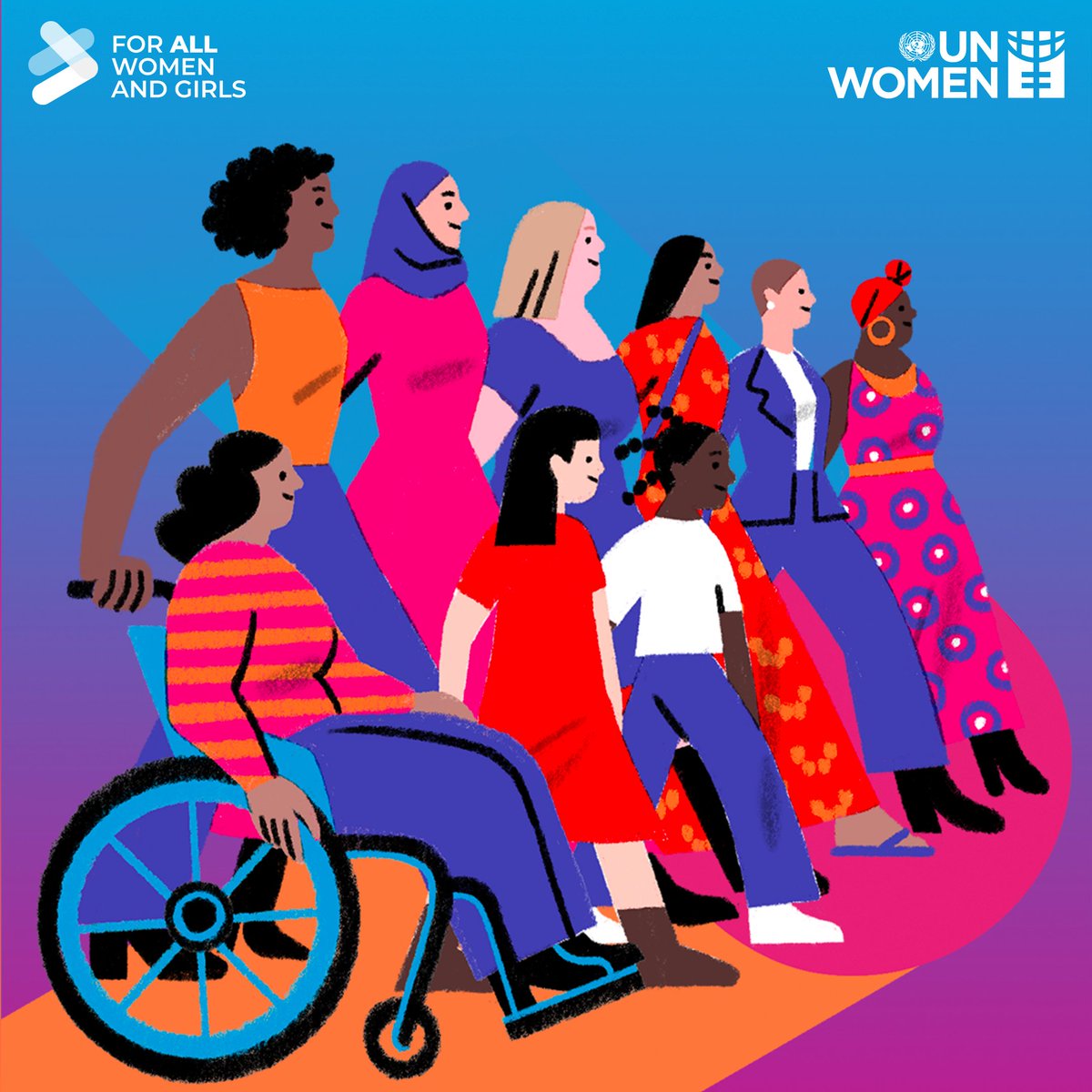
Imagine a world where every woman and girl sees no limits—where opportunities are endless and dreams have no barriers.
🚀 That future starts now. Let’s push forward #ForAllWomenAndGirls.
Learn more: https://t.co/WNNgPkND8w
#GlobalGoals
𝐂𝐨𝐧𝐠𝐫𝐚𝐭𝐮𝐥𝐚𝐭𝐢𝐨𝐧𝐬 𝐓𝐨 𝐎𝐮𝐫 𝐇𝐞𝐫𝐨
Tebello Ramakongoana storms into the Top 8 at the 129th Boston Marathon, finishing 8th overall out of 28,810 runners with a mind-blowing time of 2:07:19 What a performance across the globe with fire in his stride!
In her latest video update from Lesotho, Executive Director Kate speaks about the concerns over aid cuts and tariffs that will exacerbate many existing issues. Dr. Tlhabi speaks to the need for programming, like Help Lesotho's, to continue. https://t.co/xppi6FYiGG
'Math makes no sense at all': #Lesotho, one of Africa's poorest nations, hit with 50% US tariff
Entrepreneur Arnaud Bertrand on Thursday called out the United States' newly announced 50% tariff on Lesotho, describing it as a glaring example of the “economic incoherence” behind former President Donald Trump's so-called reciprocal tariff regime.
"To illustrate just how nonsensically these tariffs were calculated, take the example of Lesotho, one of the poorest countries in Africa with just $2.4 billion in annual GDP, which is being struck with a 50% tariff rate under the Trump plan, the highest rate among all countries on the list,” Bertrand said in a detailed post on X.
Lesotho is part of the Southern African Customs Union #SACU along with #SouthAfrica, #Namibia, #Eswatini, and #Botswana. All five countries apply a common external tariff structure, yet they have received vastly different tariff rates from the US—Lesotho at 50%, South Africa at 30%, Namibia at 21%, Botswana at 37%, and Eswatini just 10%.
Bertrand argued that the disparity proves the tariffs are not calculated based on actual trade policies but rather on a "simplistic and economically senseless formula."
According to him, the US appears to have used the bilateral trade deficit—specifically, the difference between US imports and exports—divided by the country's exports to determine a notional "tariff" and then applied half that number in the name of reciprocity.
#USTariffs
@realDonaldTrump@elonmusk