𝗛𝗶𝘀𝘁𝗼𝗿𝗶𝗮 𝗱𝗲 𝗔𝗺𝗲́𝗿𝗶𝗰𝗮 𝗟𝗮𝘁𝗶𝗻𝗮
9 libros para aprender sobre la historia de 9 países latinoamericanos. Estas 𝘏𝘪𝘴𝘵𝘰𝘳𝘪𝘢𝘴 𝘮𝘪́𝘯𝘪𝘮𝘢𝘴 ofrecen un recorrido desde la época colonial al presente.
Hilo con enlaces para descargar los 9 libros
Para negarse a levantar el secreto bancario, la derecha y sus expertos nos señalaron hasta el cansancio que las bandas criminales usaban efectivo y no hacían transferencias ni usaban el sistema bancario.
La realidad.
👇
Zhejiang University Prof. Li Shi: “China’s low-income population is extremely large, larger than many people might expect…300 million people had monthly incomes of less than 1,000 yuan in 2021, while nearly 98 million had monthly incomes below 500 yuan.”
https://t.co/hpXTeC2e4v
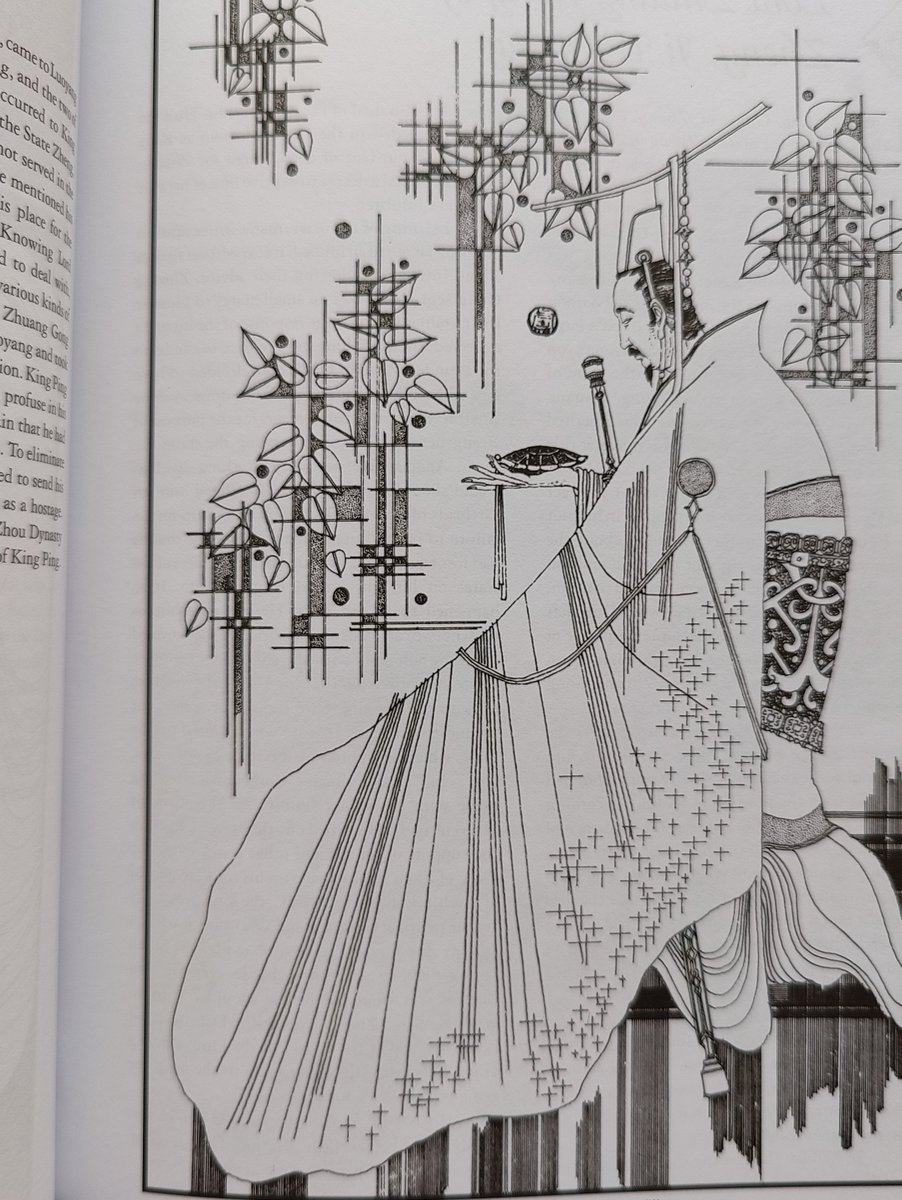
The illustrations in this book are one of the most shockingly beautiful and thoughtful and evocative I have ever seen. From a publisher that usually does general children's info books with cartoon illustrations. Encountering it as a child is a core memory
En abstracto, la tecnología no es en sí misma una solución a los problemas de la humanidad, como tampoco es un mal en sí; pero, concretamente, no es neutral, porque toma el rostro de quien la concibe, la financia, la regula, la utiliza.
Why does constitution-making often fail after conflict? ⚖️
Our paper explores the grounds for failure, and strategies to prevent or build on it: https://t.co/zbUlPUTvdv
The Economist: “China’s four richest cities (with a combined population of 84m) have a GDP per person that exceeds Japan’s. Its poorest four provinces (population 140m), meanwhile, are closer in income to Vietnam.”
https://t.co/bkcnpCzpMV
"MGS4 will be more prophetic in 20 years than MGS2. The loss of personal autonomy and anonymity is a greater threat than algorithms and general AI. People are already forced to ID-tag themselves to use many sites and things like Neuralink will cause controlled physical reliance"
Chinese Supreme Court publishes document officially including sexual orientation, gender identity & expression as protected by the law from discrimination. 🇨🇳⚖️
The transformation of the Chinese “elite” since the 1980s has been dramatic. In the 1980s the richest 5 percent were made up of people drawing their incomes from public sector sources. By 2018 private income predominates and the group is far more mixed and dominated by business owners and professionals. This and more featured in the Chartbook Top Links today.
Chile's 1960s school construction boosted education and earnings, closed gender gaps, and increased second generation schooling, generating a marginal value of public funds return of 13, from @ProfALucas and Patrick McEwan https://t.co/0APsOX0bHe
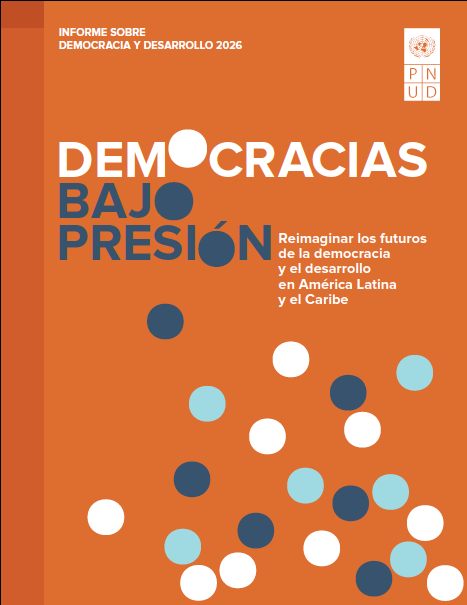
El @PNUDLAC acaba de lanzar su nuevo informe sobre democracia y desarrollo en América Latina y el Caribe.
Analiza problemas estructurales y nuevos desafíos (polarización, crimen organizado, IA, migración, cambio climático). Ofrece propuestas.
Descarga: https://t.co/DY95YeWF7m
For Karl Marx's birthday, here's G.A. Cohen, the funniest Marxist philosopher — and quite possibly the funniest philosopher — of all time doing his impression of a British philosopher. This is one of his lesser-known, but is also one of his funniest, bits.
@mmlagoscc Mi libro es más sobre el estudio de la democracia que sobre el estado de la democracia. Sobre el tema del estado de la democracia en América Latina, el lunes que viene el PNUD lanza su nuevo informe sobre democracia y desarrollo. https://t.co/RSo6TNjYPY
Jessica Winter has been raising her children to detest A.I. Then her daughter’s public middle school began receiving Google Chromebooks, which came pre-installed with an all-ages version of Gemini, a suite of A.I. tools. “When my daughter, who is in sixth grade, begins writing an essay, she gets a prompt: ‘Help me write,’ ” Winter writes. “If she is starting work on a slide-show presentation, the prompt is ‘Help me visualize.’ She shoos away these interruptions, but they persist: ‘Help me edit.’ ‘Beautify this slide.’ ”
Proponents of generative A.I. in elementary and middle schools argue that such early exposure will foster digital-media literacy, and prepare them for a future in which most professions are steeped in A.I. But the technology also poses significant cognitive and social-emotional risks to young people. Read Winter’s report about A.I.’s infiltration into schools—and what it could mean for young minds: https://t.co/xaIqbeGRnl