Government will leverage evidence-based research to strengthen industrial policy, improve public investment decisions and accelerate economic transformation under the Tenfold Growth Strategy.
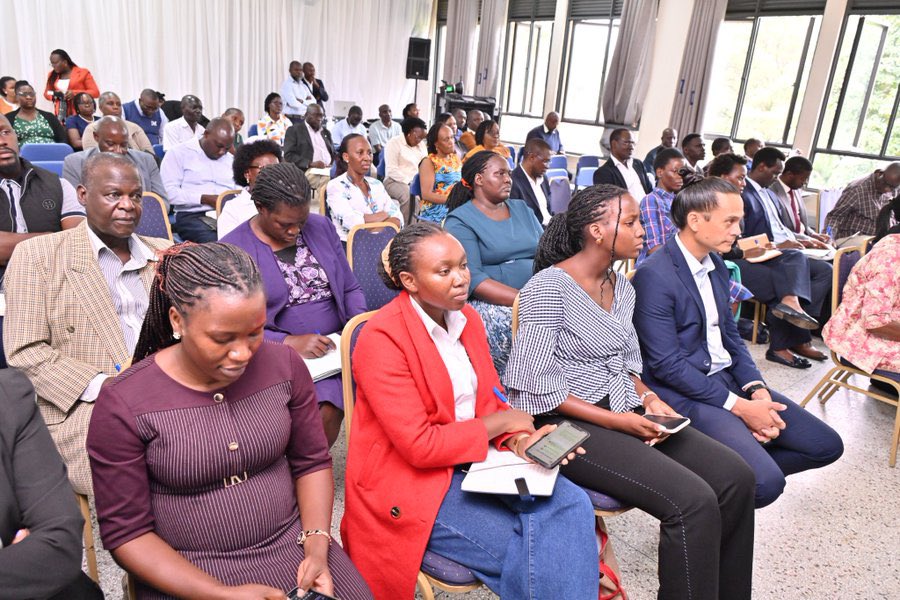
I made the commitment at a public policy dialogue at Uganda Management Institute (UMI), where findings from a PhD study by the Permanent Secretary/Secretary to the Treasury, Dr @rggoobi on the determinants of industrial sector growth in Uganda were discussed.
Industrial policy requires deliberate choices on investments in industrial parks, economic infrastructure, industrial land, subsidised electricity tariffs for investors and fiscal incentives.
Given limited resources, i emphasised the need to identify interventions that deliver the greatest gains in industrial productivity, jobs and exports for every shilling of public money.
Dr Ggoobi’s research identifies corruption control, market expansion, access to credit and the cost of borrowing as important determinants of industrial performance.
The study estimates that a 1% improvement in corruption control is associated with a 9.99% increase in industrial output, while a 1% increase in commercial lending rates is associated with a 3.11% decline in output.
Population growth has a positive estimated relationship with industrial growth of 8.48%, reflecting the potential of expanding markets and labour supply.
The findings also highlight the importance of price stability, particularly controlling inflation and stabilising the exchange rate, alongside reducing the cost of capital and improving access to long-term financing through pension reforms and deeper capital markets.
The study recommends expanding affordable industrial credit, strengthening domestic value chains, aligning technical training with industry needs and improving regulatory efficiency through digitisation. It also advocates carefully calibrated trade and foreign investment policies that strengthen domestic producers and support export competitiveness.
Government is supporting domestic investment and access to affordable credit through initiatives such as the Parish Development Model and capitalisation of the Uganda Development Bank, alongside measures to support industrialists, including lower electricity rates and targeted tax incentives.
Dr Ggoobi’s findings will inform the Ministry’s policy decisions and implementation of the Tenfold Growth Strategy, helping Government assess the benefits and costs of its interventions and strengthen industrialisation, job creation and economic transformation.
I congratulated Dr Ramathan Ggoobi upon the conferment of his Doctor of Philosophy (PhD) degree in Economics from Nelson Mandela University in South Africa, commending him for his rigorous research, prolific writing and continued contribution to Uganda’s economic policy discourse.
I also noted that Dr Ggoobi’s ability to connect economic analysis with public debate and practical policymaking is invaluable to the country’s development agenda.
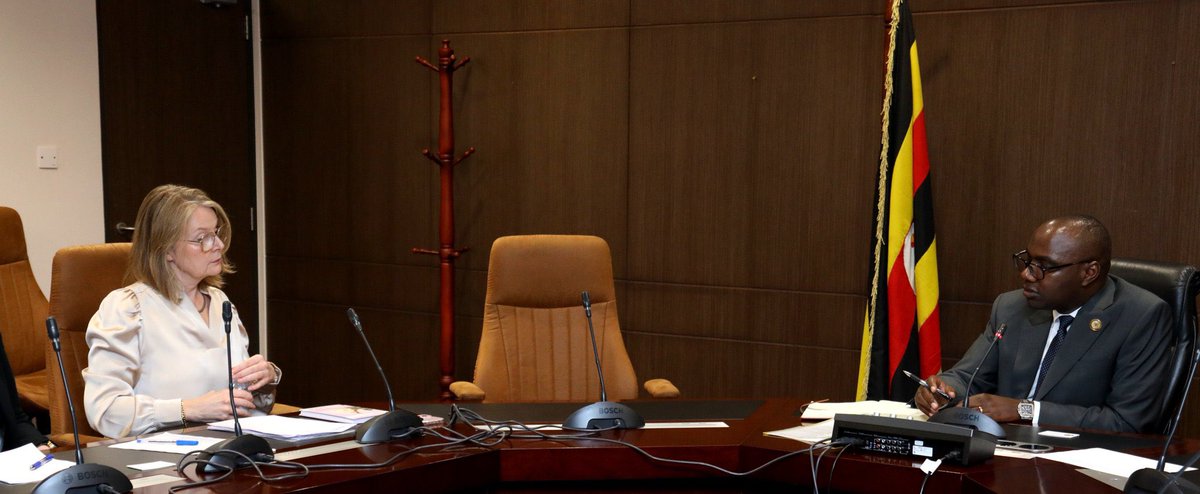
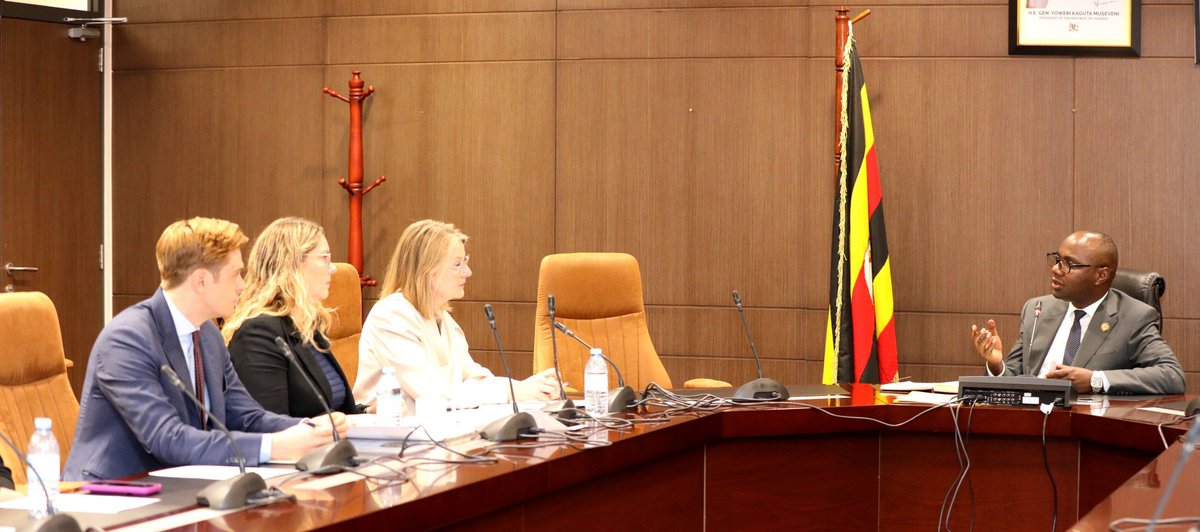
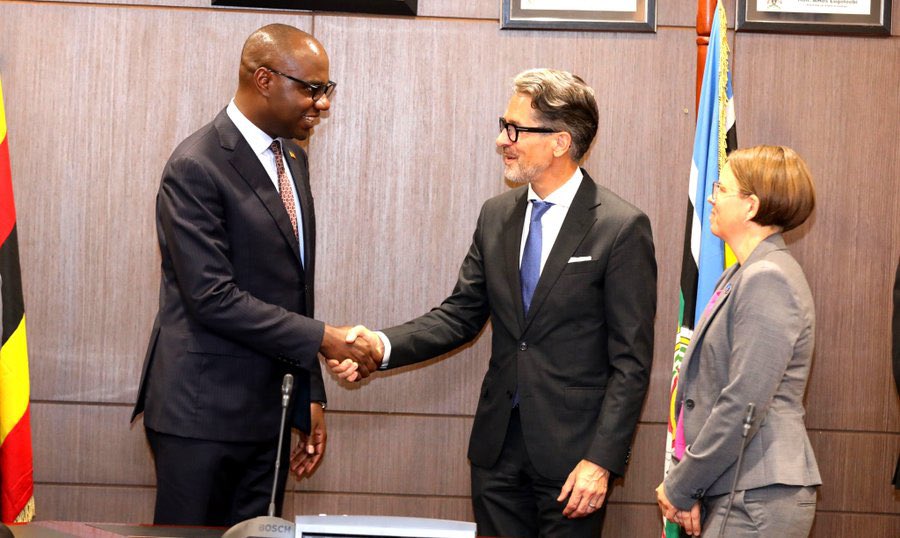
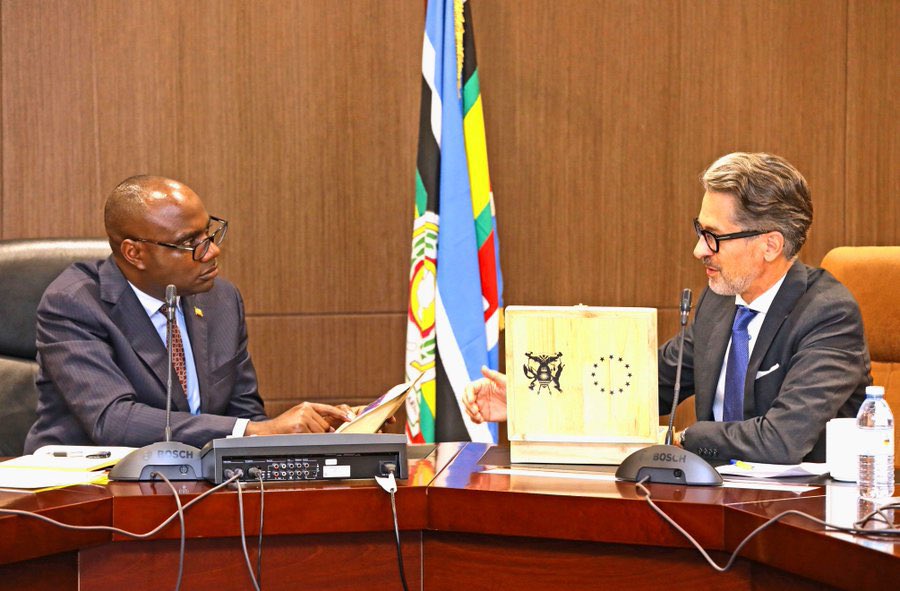
I have commended France for its cooperation with Uganda, highlighting opportunities to deepen investment, strengthen trade and advance the country’s economic transformation agenda.
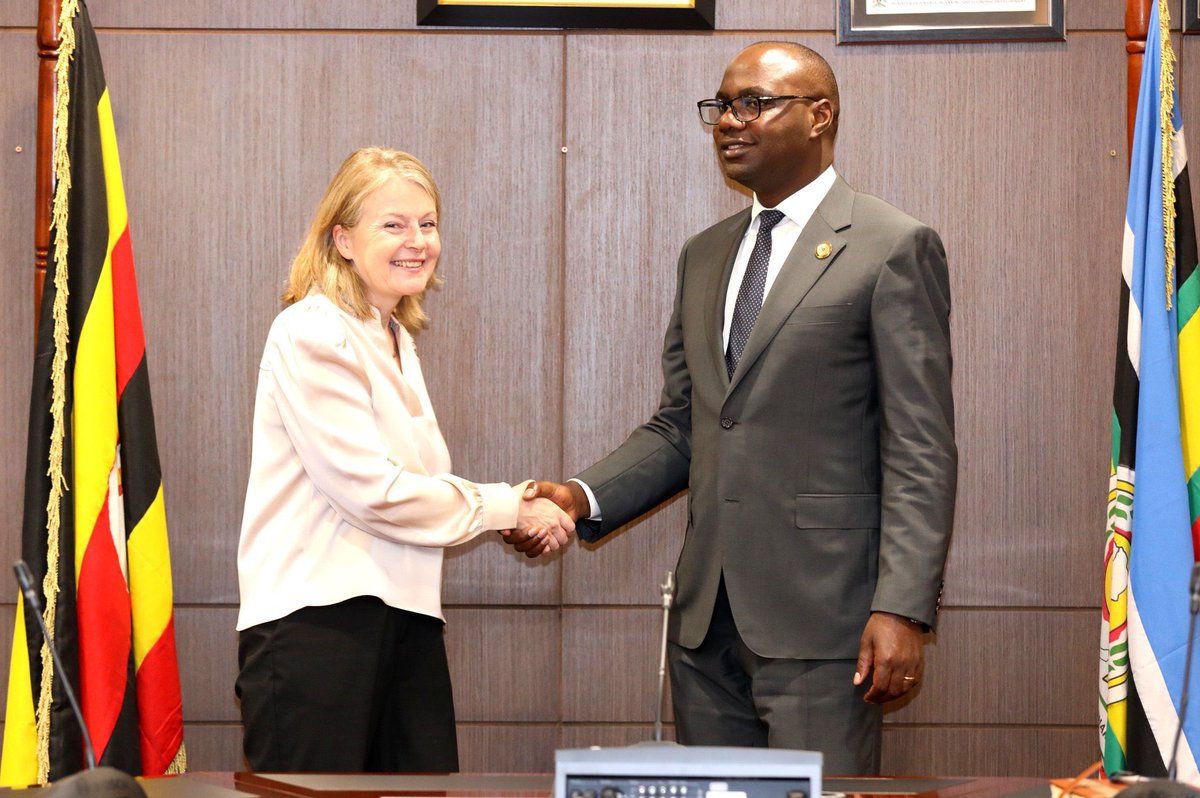
I made the remarks during a courtesy visit by the French Ambassador to Uganda, H.E. Virginie Leroy and engaged on bilateral relations and opportunities for further cooperation.
The engagement comes as Uganda pursues its Tenfold Growth Strategy, which aims to grow the economy to US$500 billion by 2040 through agro-industrialisation, tourism development, mineral development, and science, technology and innovation.
I emphasized the importance of development partners in supporting Uganda’s investment ambitions, particularly in manufacturing, technology transfer, value addition and export diversification.
Uganda is seeking to move beyond exporting raw materials by expanding processing and manufacturing in sectors such as pharmaceuticals, steel, processed dairy, value-added coffee and other agricultural products.
I also highlighted opportunities for European investors to support technology acquisition, joint ventures and public-private partnerships that can raise productivity and expand markets for Ugandan businesses.
Uganda’s exports to the European Union increased from approximately €500 million in 2019 to €1.8 billion in 2025, demonstrating the potential for deeper commercial engagement.
In FY2025/26, Uganda’s exports of goods and services reached US$18.4 billion, reflecting the growing importance of trade and productive sectors to the country’s economic transformation.
I noted that strengthening cooperation with France and other European partners can help mobilise investment, facilitate technology transfer and create opportunities for Ugandan enterprises to participate in regional and international value chains.
The visit provides an opportunity to reinforce Uganda-France relations and explore areas of mutual interest in supporting investment, industrial development and Uganda’s long-term economic ambitions.
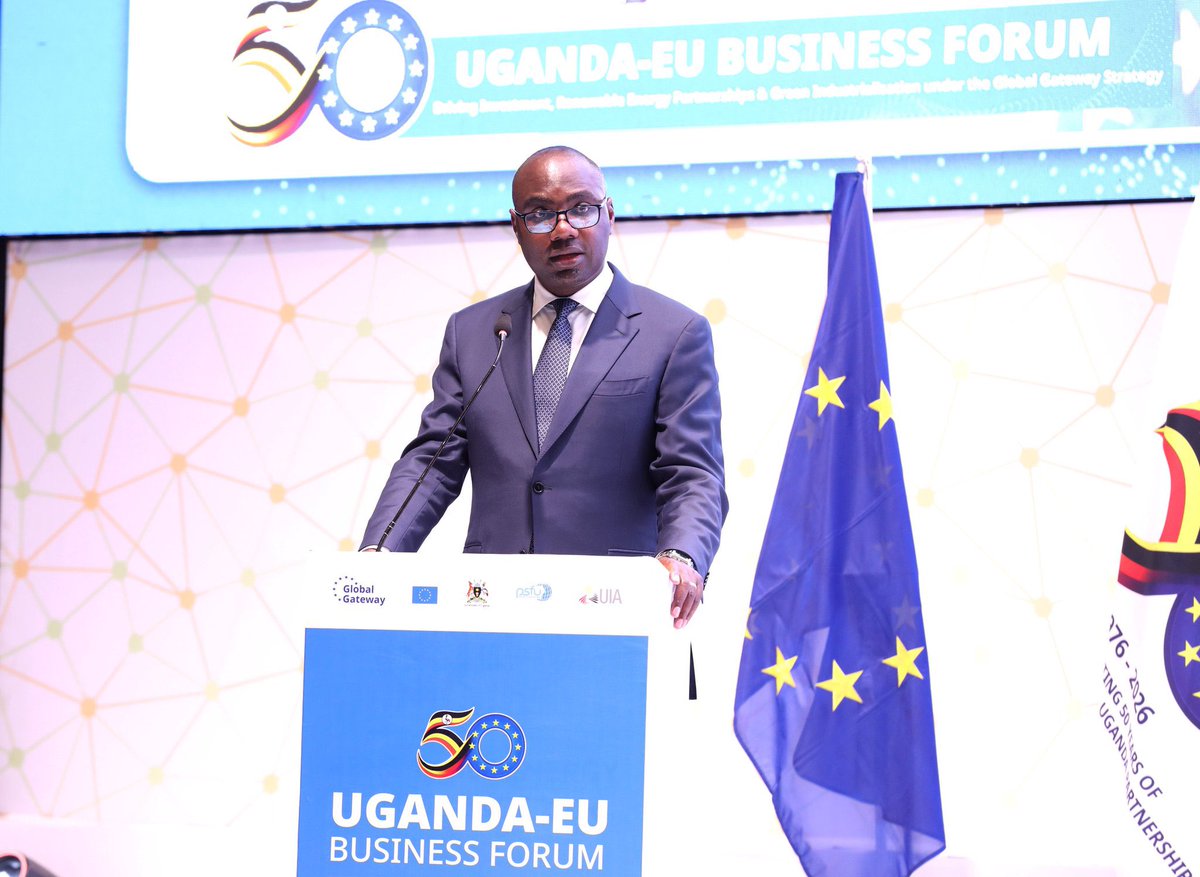
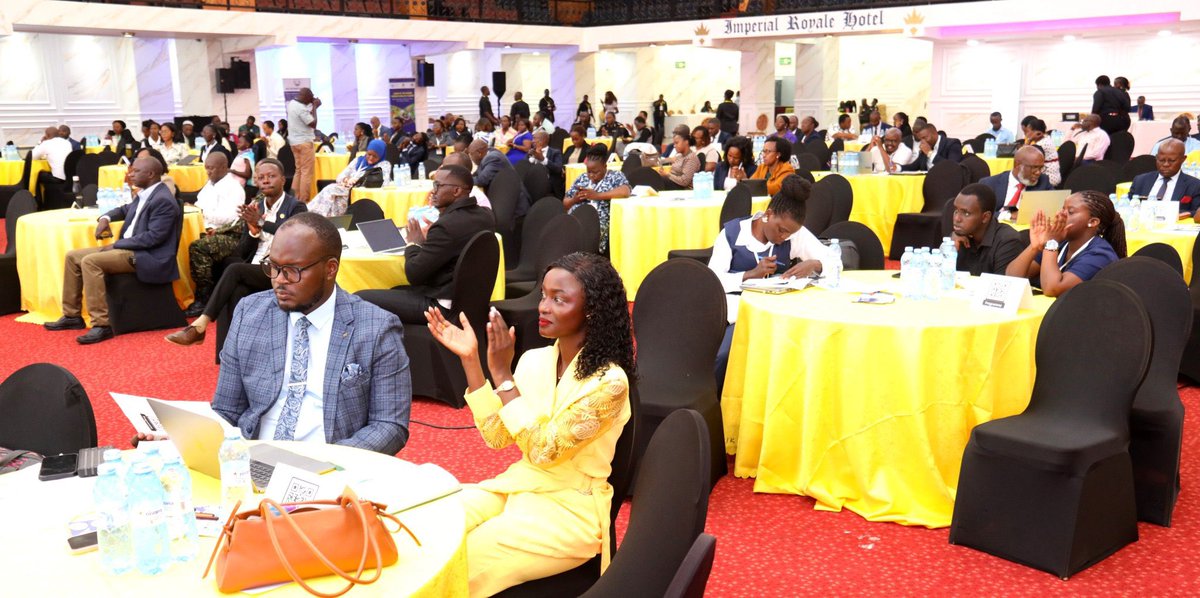
In my remarks today at the first day of the two-day Uganda-EU Business Forum, I called for increased European Union @EUinUG investment in Uganda’s energy sector to accelerate renewable energy development, drive industrialization and support the country’s ambition of building a US$500 billion economy by 2040.
The forum was held under the theme “Driving Investment, Renewable Energy Partnership and Green Industrialization under the Global Gateway Strategy.”
Reliable and adequate electricity supply was critical to implementing the Government’s Tenfold Growth Strategy, which prioritizes Agro-industrialization, tourism development, mineral development, including oil and gas, and science, technology and innovation.
Uganda targets electricity generation capacity of 20,000 megawatts (MW) by 2040, with Shs 2.1 trillion allocated to energy development in the FY2026/27 national budget. Key priorities include the 380MW Kiba Hydropower Project, a 10MW floating solar plant at Isimba, at least 500MW of utility-scale solar projects in the Elgon and Acholi regions, expanded transmission infrastructure to serve industrial parks and export processing zones.
I highlighted investment opportunities in hydropower, geothermal, solar, wind and nuclear energy, alongside technology transfer, manufacturing and value addition. He noted that 27 geothermal sites had been identified, with an estimated potential of 1,500MW.
I also emphasized that a diversified energy mix would strengthen manufacturing, enhance export competitiveness and support the production of higher-value goods.
I also called for stronger Uganda-EU commercial ties, noting that Uganda’s exports to the EU grew from approximately €500 million in 2019 to €1.8 billion in 2025, while exports of goods and services reached US$18.4 billion in FY2025/26.
I urged European investors to pursue joint ventures, public-private partnerships and technology acquisition while supporting market access for Ugandan value-added products to stimulate productivity, job creation and economic growth.
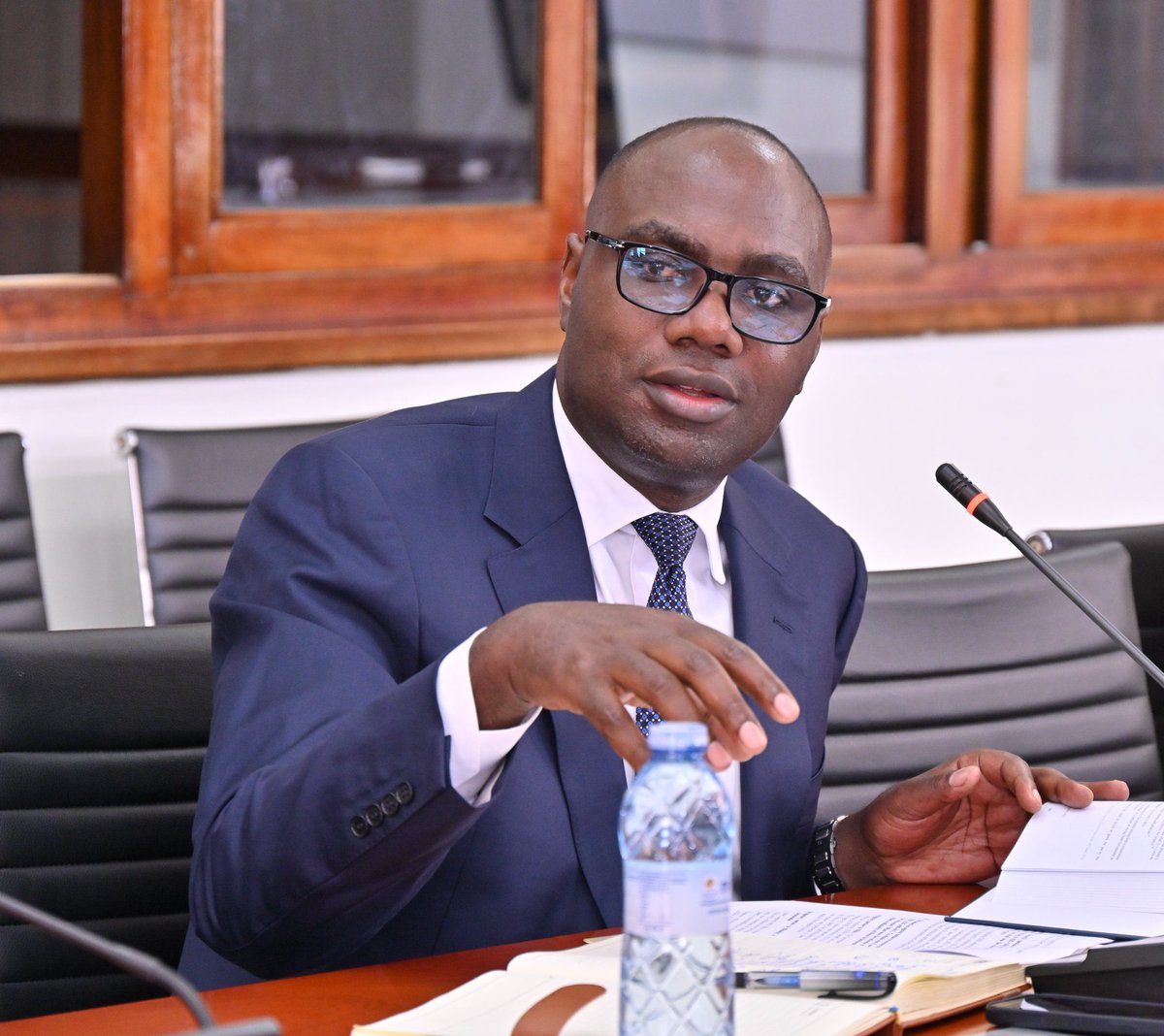
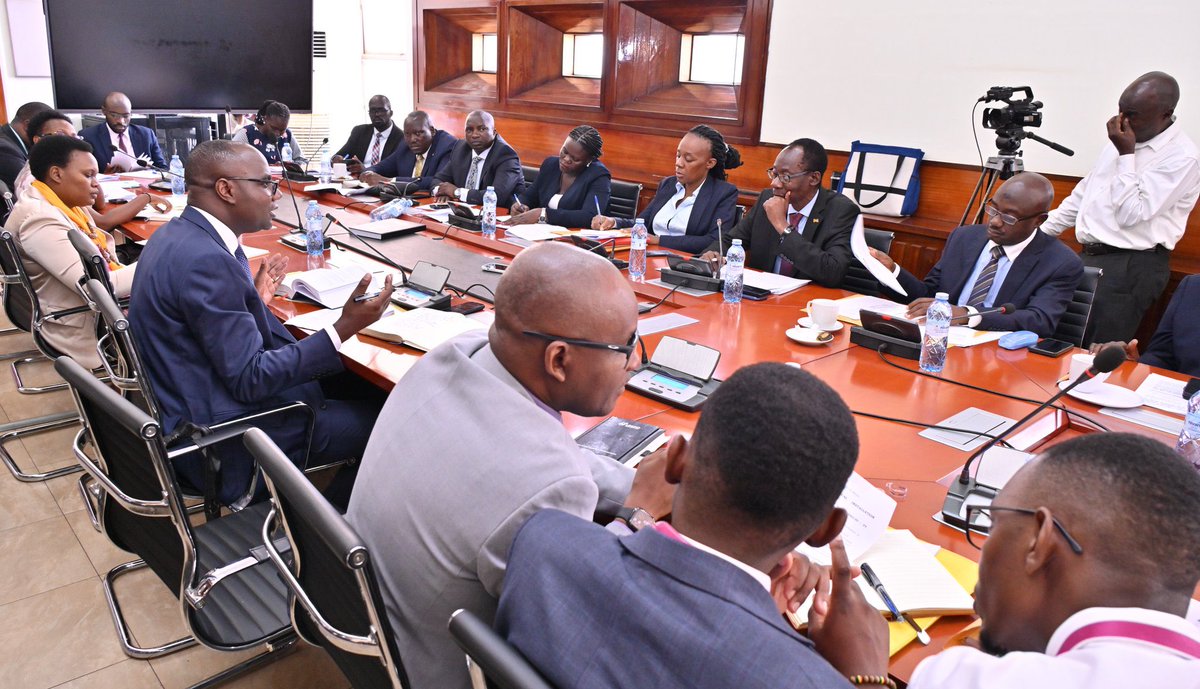
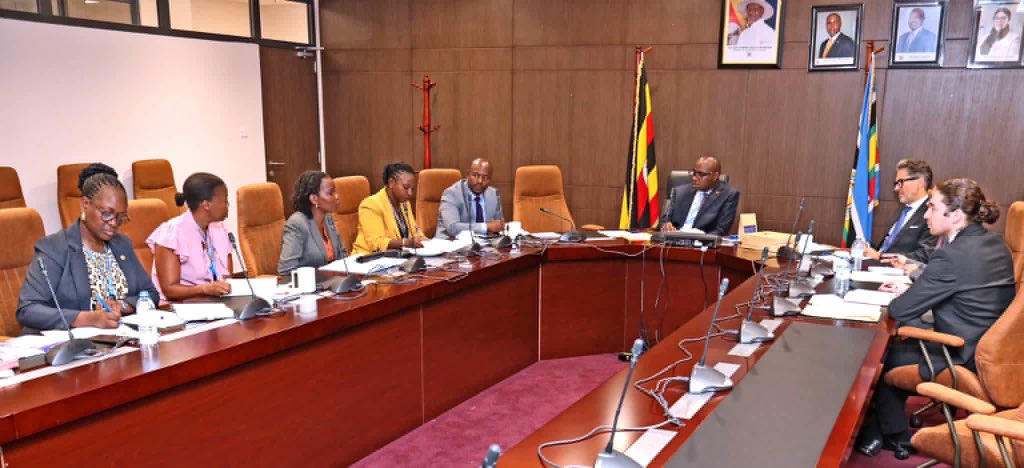
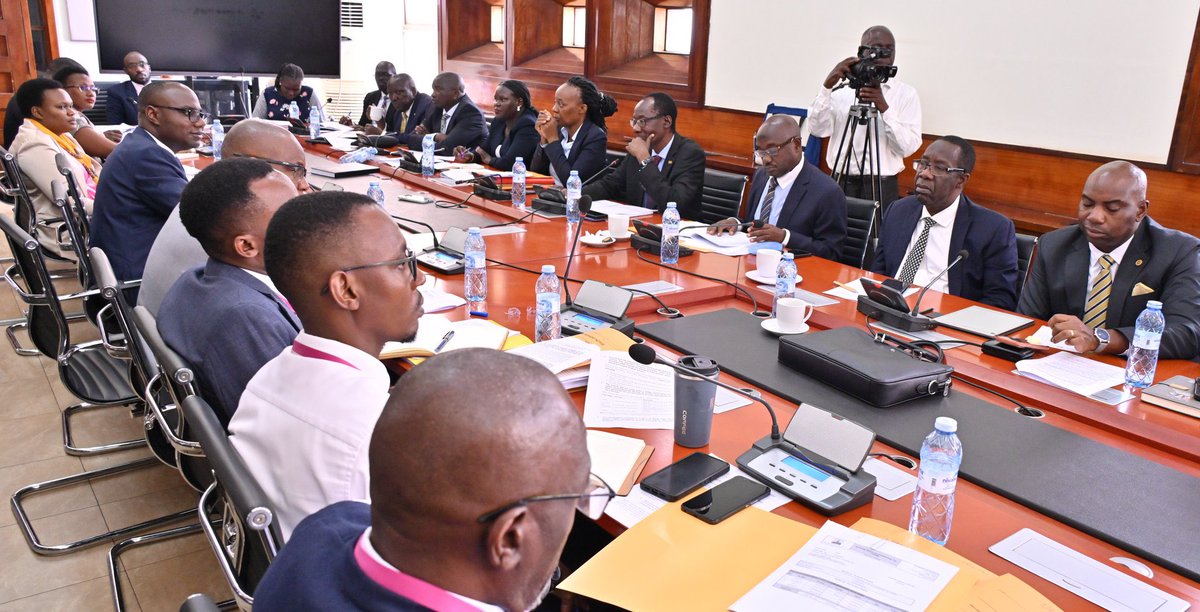
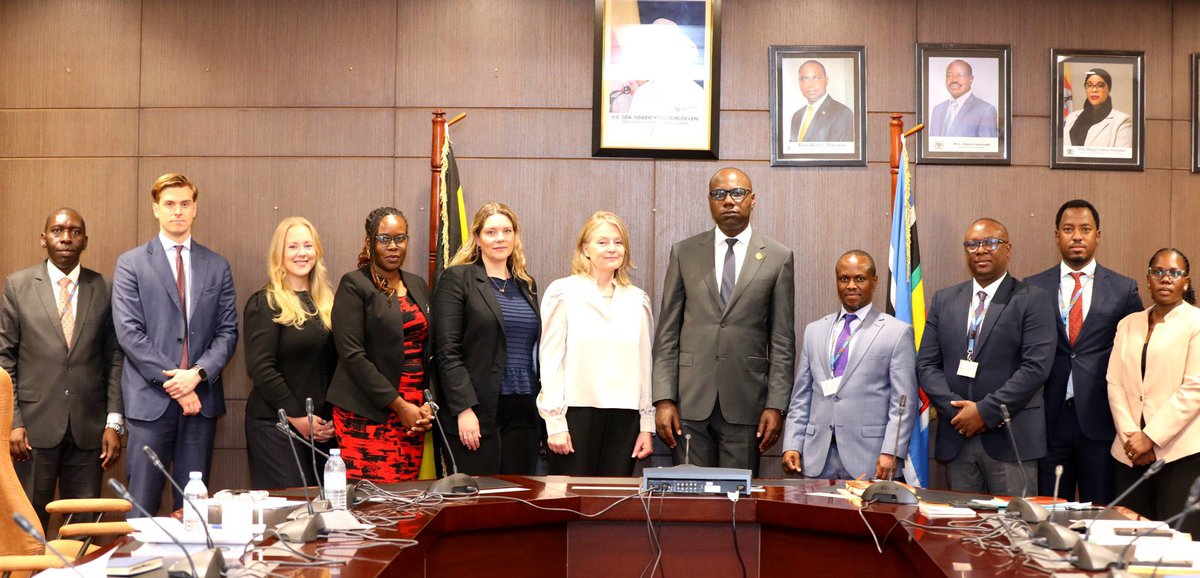
I have presented a request before the Parliamentary Committee on Finance, Planning and Economic Development seeking tax waivers for three entities facing significant financial and operational challenges:
1. Uganda Printing and Publishing Corporation (UPPC);
2. City Harvest Electrical Installation Supply & Repairs Ltd; and
3. The Diocese of Northern Uganda.
I informed the Committee that the entities had accumulated substantial tax arrears over time and were struggling to meet their tax obligations, with some facing difficulties severe enough to threaten the continuity of their operations.
I explained that the entities had entered into Memorandum of Understanding with the Uganda Revenue Authority @URAuganda to settle their outstanding tax liabilities through installment payment arrangements. However, persistent financial and operational constraints had made it difficult for them to honor the agreed payment schedules.
I attributed these challenges, in part, to delays and difficulties in recovering payments from their clients, including government institutions, which had significantly affected their cash flow and ability to meet their tax obligations.
I appealed to the Chairperson and Members of the Committee to give due consideration to the proposed tax waivers, emphasizing the need to provide relief to the affected entities, safeguard their continued operations and give them an opportunity to recover financially and contribute to the economy.
I also called on the Committee to establish clear, transparent and well-defined criteria for granting tax waivers to struggling businesses and institutions with the potential to recover and operate sustainably.
I emphasized the importance of a structured approach that balances tax compliance with the need to protect viable enterprises, preserve their operations and support economic growth.
A well-defined framework would help ensure that tax relief is extended responsibly to deserving entities, particularly those whose recovery and continued operation could deliver broader economic and institutional benefits.
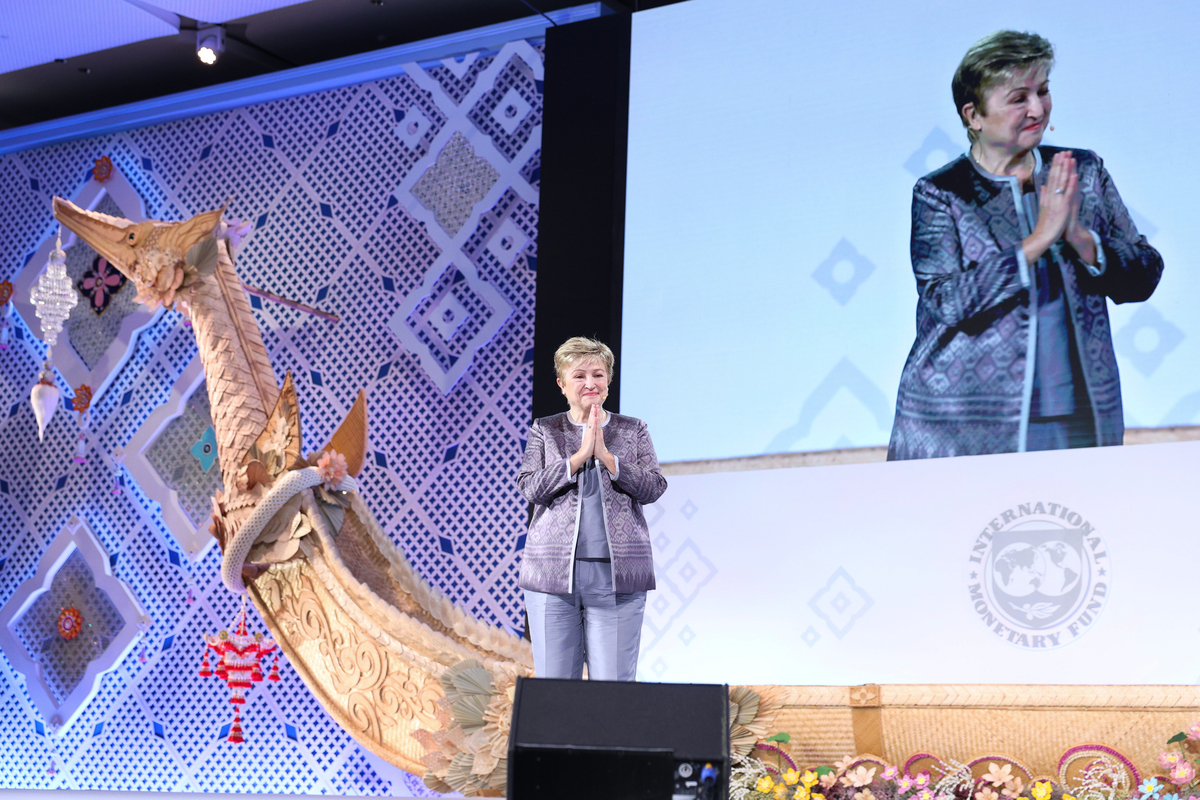
UGANDA-THAILAND ECONOMIC NETWORKING DINNER:
Finance Minister @henrymusasizi1 officiated.
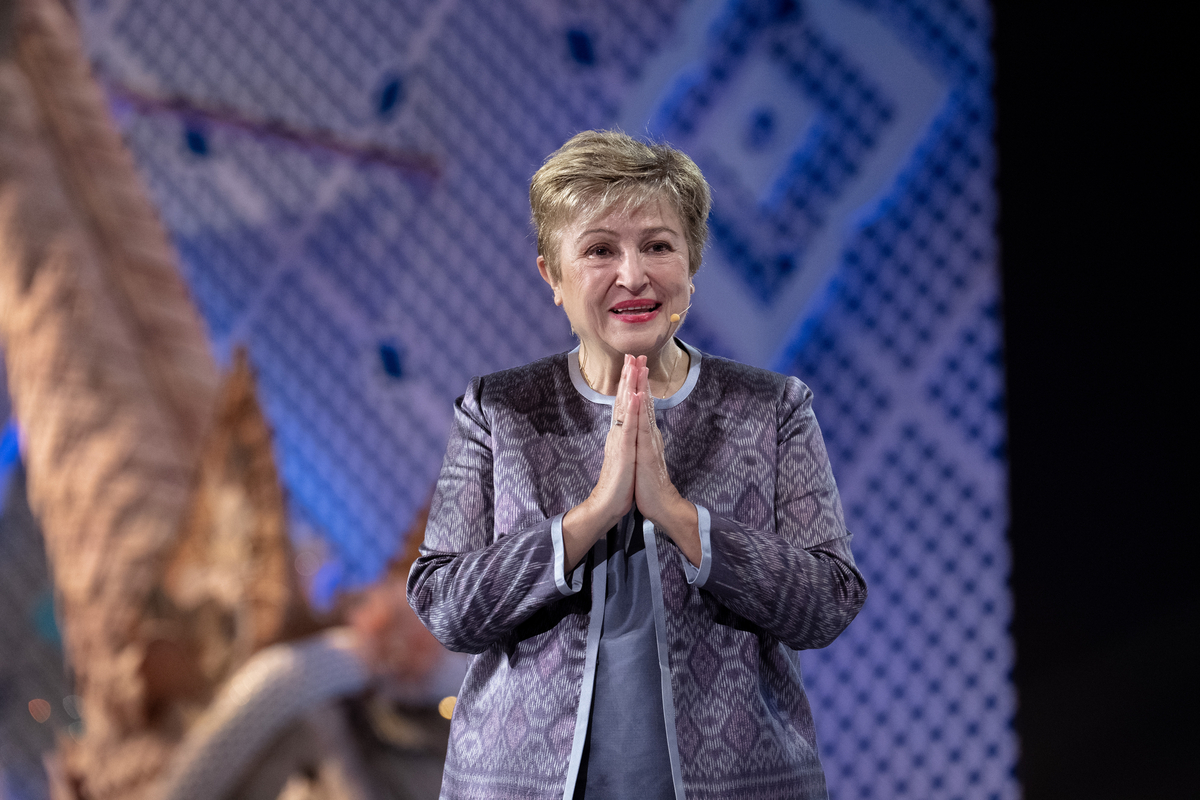
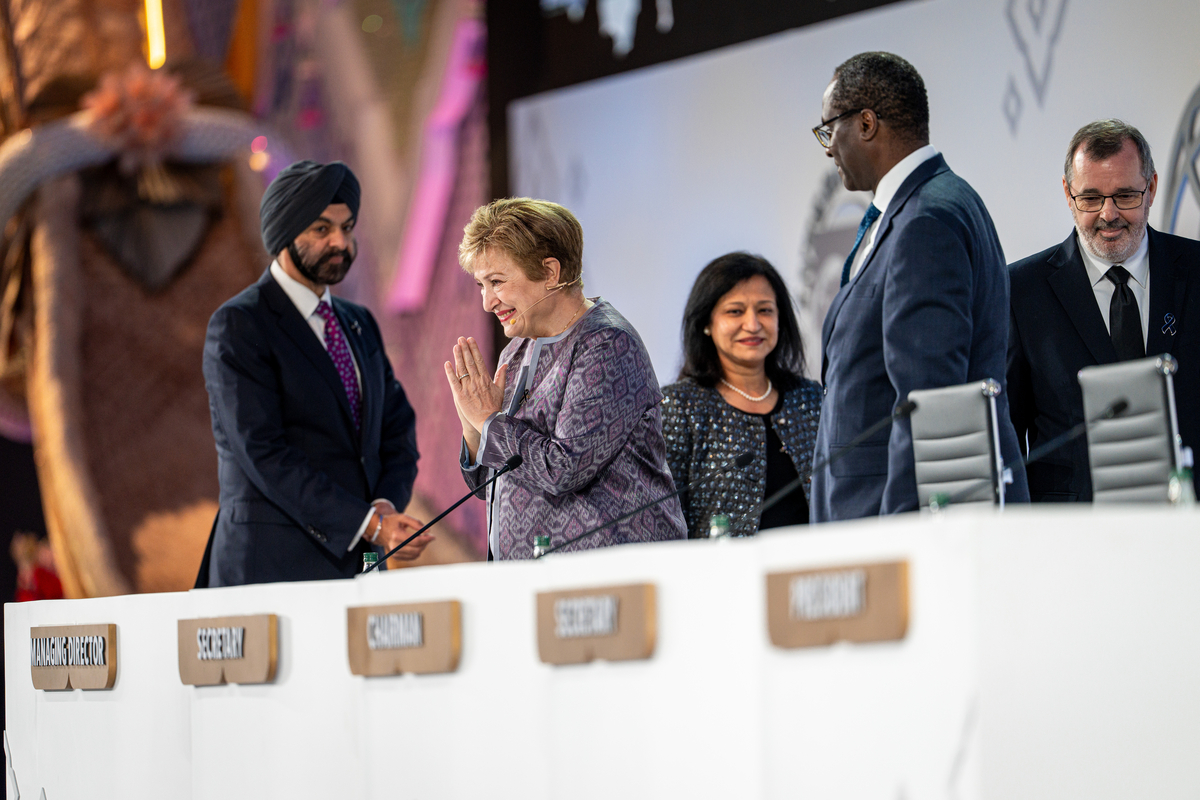
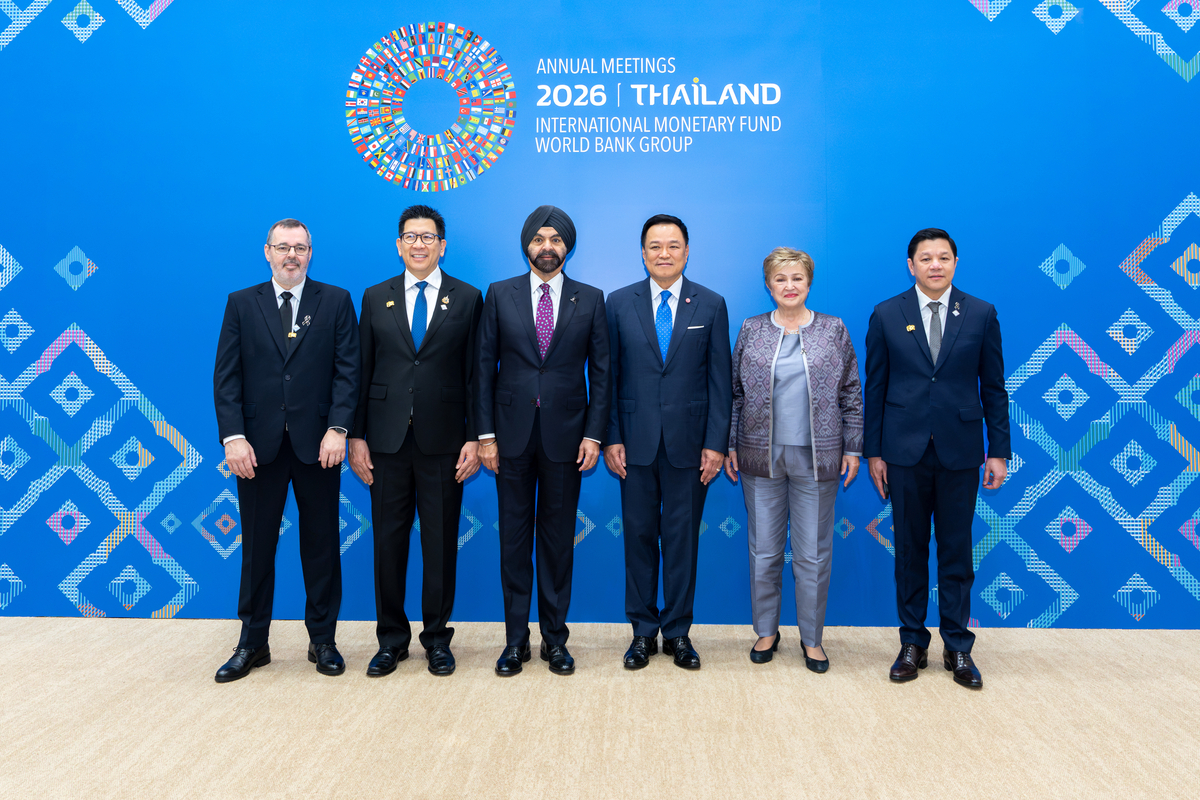
This was on the sidelines of the 2026 annual meetings of the World Bank and International Monetary Fund (IMF) in Bangkok.
#Eonomic#Commercial#Diplomacy#TenfoldGrowth
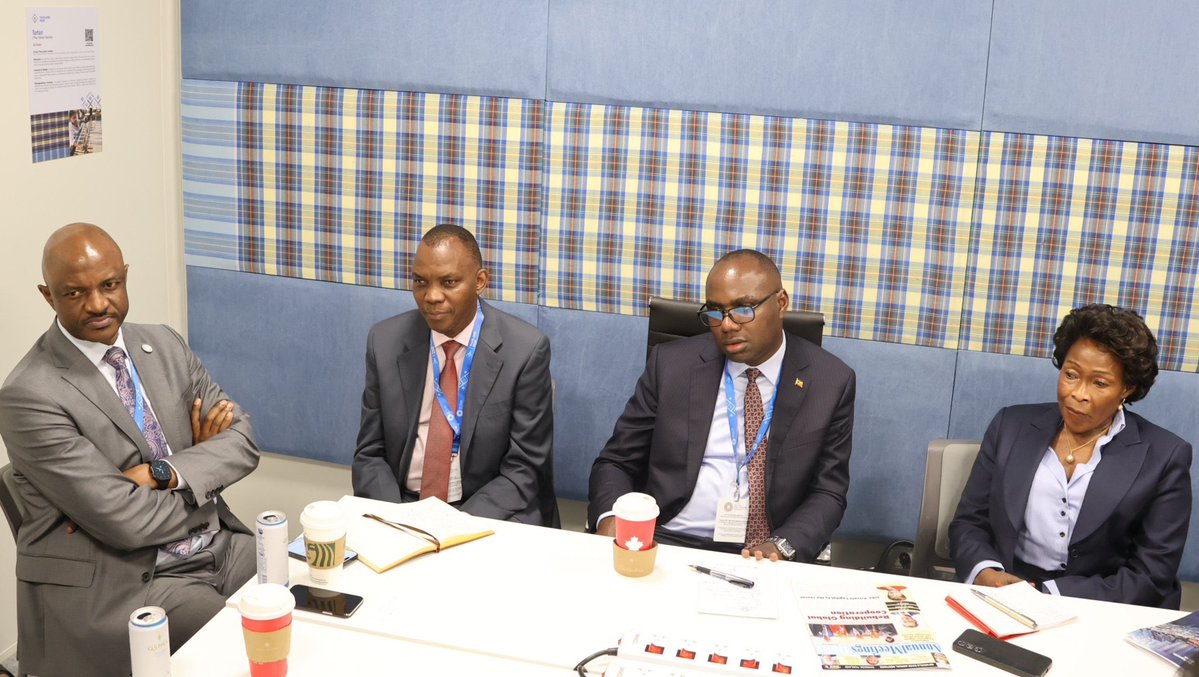
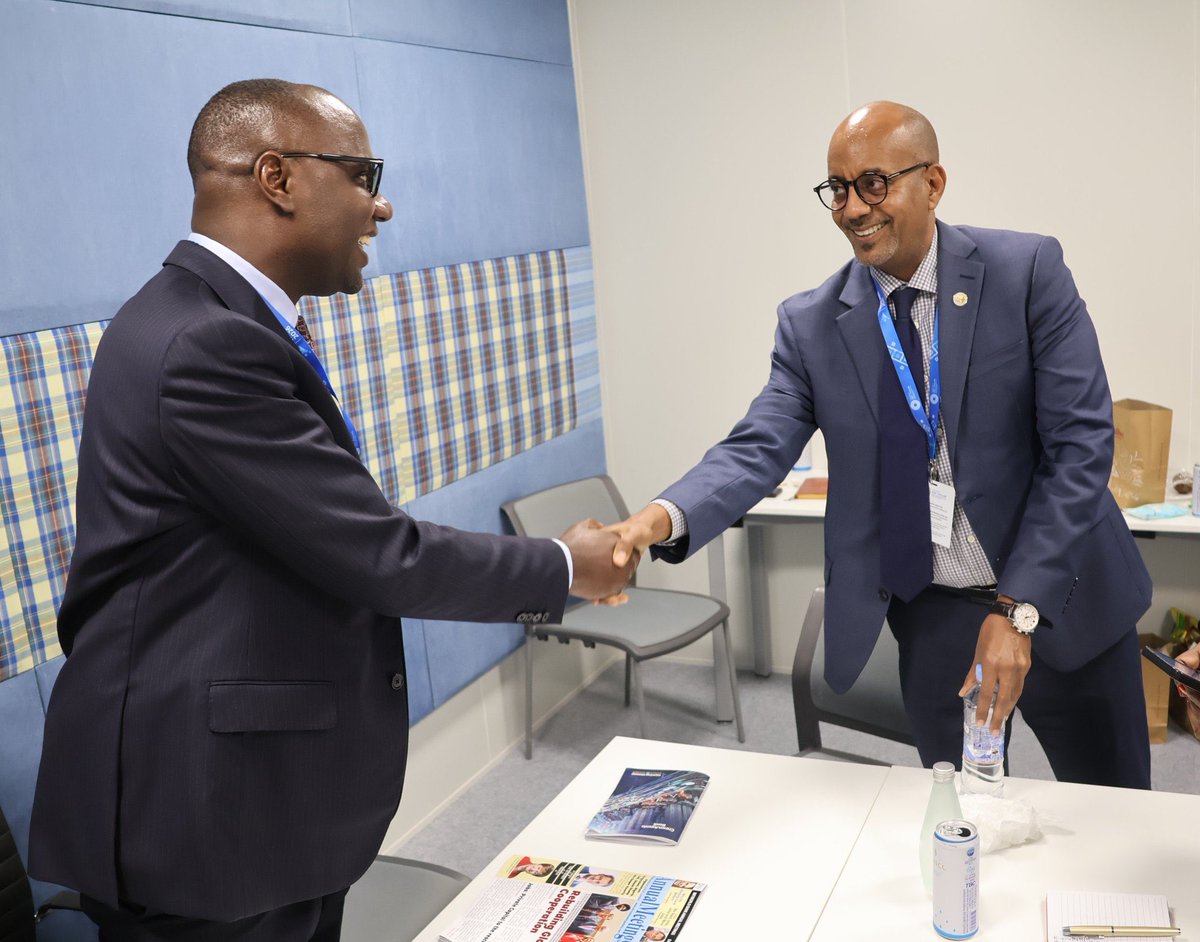
On the sidelines of the 2026 annual meetings of the World Bank and IMF in Bangkok, Thailand, I, together with PSST @rggoobi met the President of the Trade and Development Bank (TDB) Admassu Tadesse.
TDB is an investment-grade African regional development finance group, with the mandate to finance and foster trade, regional economic integration, and sustainable development, with an asset base of USD 10 billion.
The Bank provides bilateral and syndicated short and long-term financial solutions in numerous sectors to sovereign, financial institutions, and corporate clients, including SMEs, from the region.
We discussed how they can work closely to structure affordable financing than can support Uganda’s transformation agenda anchored on the Tenfold Growth Strategy.
I also met senior officials of J.P. Morgan to discuss Uganda’s priorities and how the Bank can strengthen its collaboration with Uganda. The officials included; Puja Turner, Managing Director and Head of CEEMEA Loans and Structured Credit and Olivier Eweck, the Managing Director Global Public Sector, Sub-Saharan Africa.
J.P. Morgan is an American multinational financial services firm and largest bank in the United States by assets and market capitalisation as of 2026. The Bank's representatives said they were interested in supporting Uganda’s energy sector.
Improving people's lives is at the heart of everything we do. It takes time, perseverance and is best achieved when we work together. In my #IMFMeetings plenary speech, I highlighted our continued focus on growth, stability, and opportunity for all. https://t.co/lieZIdCMiq
I hosted their Excellencies the EU Ambassadors, led by H.E. Jan Sadek, the EU Ambassador to Uganda, today at State House Entebbe for our Partnership Dialogue.
I emphasised that Europe should support Africa to process its raw materials, add value and create jobs. When we earn more from our products, we also create a bigger market for European goods. This is how we become partners in prosperity rather than victims of cooperation.
We also discussed support for PDM, irrigation, wetland protection and affordable electricity for manufacturing. Africa’s prosperity is good for everyone, and our cooperation should be based on mutual benefit and respect for each other’s sovereignty. I thank them for coming and I enjoyed our long discussion.
Yesterday during the Uganda-Thailand Economic Networking Dinner held at the Mandarin Oriental Hotel in Bangkok, Thailand I made call inviting Thai investors to tap into opportunities in agro-processing, mineral beneficiation, tourism, manufacturing and technology as the country accelerates its drive towards a US$500 billion economy by 2040.
Uganda is seeking to build on Thailand’s experience in agro-processing, food exports, tourism and high-tech manufacturing to expand production, create jobs and increase export earnings.
I urged to them turn the friendship between our two countries into factories, export growth, jobs and shared prosperity.
I highlighted investment opportunities across the agricultural and industrial value chains, including coffee processing, processed foods, pharmaceuticals, steel products, fertilisers, cement, meat and dairy processing, tourism and hospitality.
Uganda is also positioning its mineral resources as a foundation for higher-value manufacturing. I identified opportunities to produce electric batteries from lithium, automotive steel and construction materials from iron ore, organic fertilisers from phosphates, and electrical conductors and battery components from copper and cobalt.
Uganda’s position within the East African Community, with a market of about 530 million people, together with access to the wider African market through the African Continental Free Trade Area, provides Thai investors with a strong platform for regional and continental production.
Uganda is further strengthening the investment environment through fiscal incentives, industrial parks and export free zones, while investments in infrastructure, energy, irrigation, ICT and transport continue to reduce the cost of doing business.
I also stated that investors can register businesses within one day, own 100% of their investments and repatriate profits without restrictions.
#TenfoldGrowth
HAPPY INDEPENDENCE DAY, UGANDA
As we celebrate 64 years of independence, I extend my warmest wishes to all Ugandans at home and abroad. Today, we celebrate our nation’s freedom and pay tribute to the courage, determination, resilience, and unity of our people, whose collective efforts continue to shape Uganda’s journey.
May this special day renew our commitment to working together towards a peaceful, prosperous, and developed Uganda. Let us embrace our shared values, strengthen our national unity, and continue laying a strong foundation for a brighter future for generations to come.
I have urged women entrepreneurs in the Kigezi sub-region to leverage Government programmes, affordable financing and digital technologies to grow competitive businesses, create jobs and contribute to Uganda’s economic transformation.
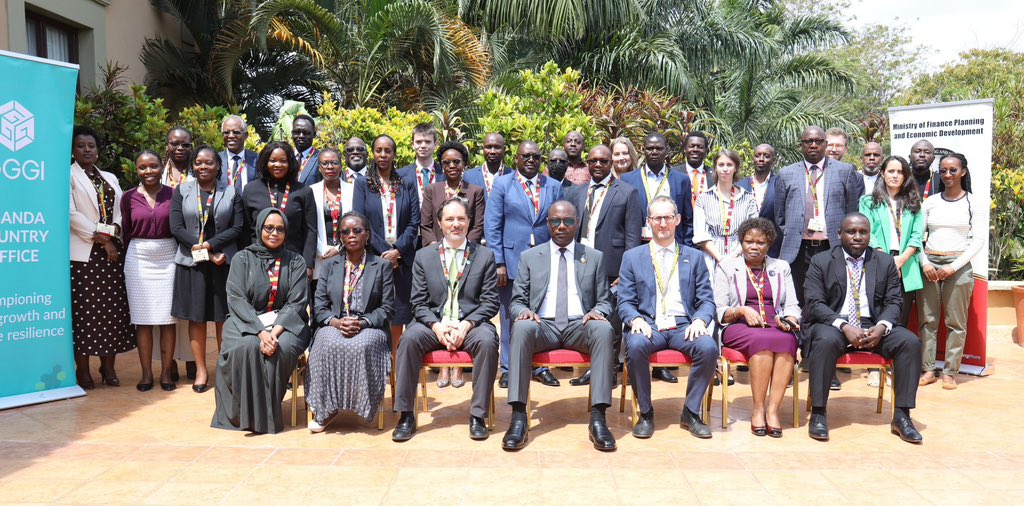
The forum attracted more than 500 participants, including women entrepreneurs, local government leaders, Members of Parliament, financial institutions, private-sector actors, development partners and other stakeholders.
I highlighted Government’s Tenfold Growth Strategy, anchored on Agro-industrialisation, Tourism, Minerals including Oil and Gas, and Science, Technology and Innovation (ATMS), as key drivers towards achieving a USD 500 billion economy by 2040.
I stressed that increased productivity, accountability and strong public-private partnerships are essential to sustaining economic growth and expanding opportunities for Ugandans.
I also commended the World Bank and other partners for supporting the USD 217 million GROW Project, which provides women entrepreneurs with affordable financing ranging from Shs 2 million to Shs 200 million at interest rates of not more than 10 percent per year.
I encouraged women to use the financing to improve productivity, adopt modern technologies, undertake value addition, maintain proper financial records, formalise their businesses and build networks that can connect them to larger local, regional and international markets.
I also called on local leaders and other stakeholders to strengthen partnerships and provide the infrastructure, services and enabling environment required for women-owned enterprises to thrive.
The forum featured experiences from GROW beneficiaries, stakeholder discussions and an exhibition showcasing products and services from 30 women-led businesses, providing opportunities for networking, visibility and business linkages.
I made the call while officiating at the Kigezi Regional Business Forum under the Generating Growth Opportunities and Productivity for Women Enterprises (GROW) Project, held at UNITE Kabale Campus in Kabale Municipality and organised by the Ministry of Gender, Labour and Social Development in partnership with the Private Sector Foundation Uganda (PSFU),
*HAPPENING NOW*
The Minister of Finance, Planning and Economic Development, @henrymusasizi1 , has arrived at UNITE Kabale Campus to officiate as chief guest at the GROW Empowerment for Women Kigezi Stakeholders Meeting.
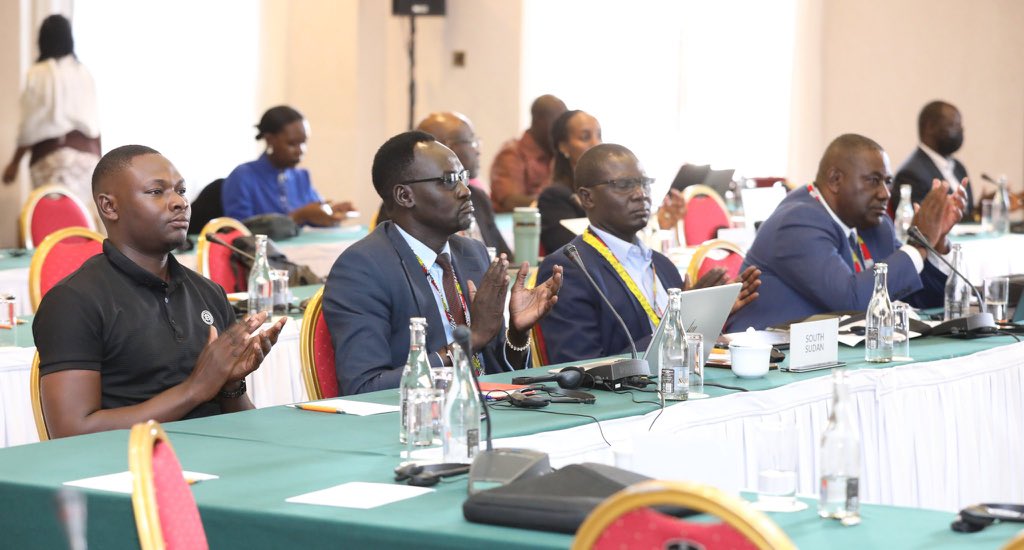
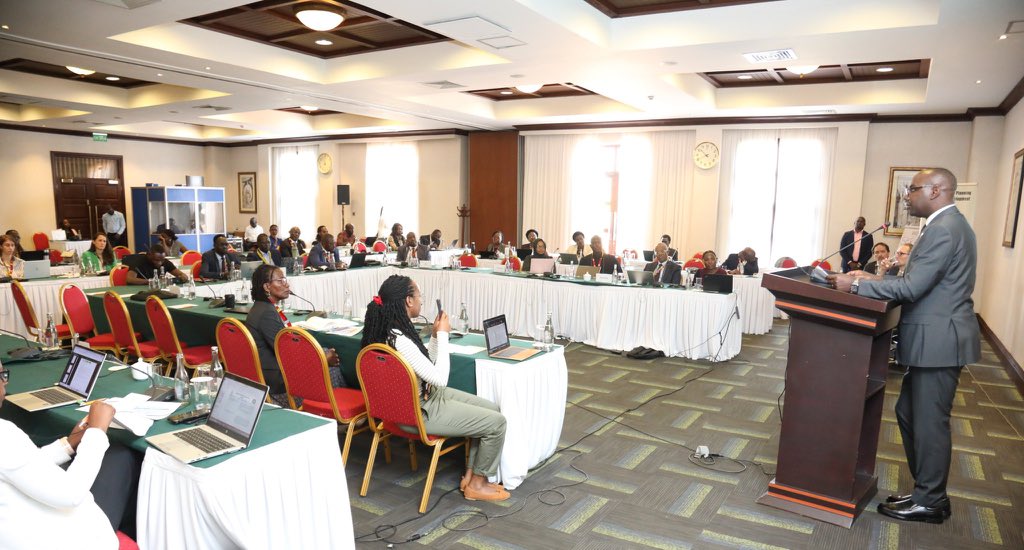
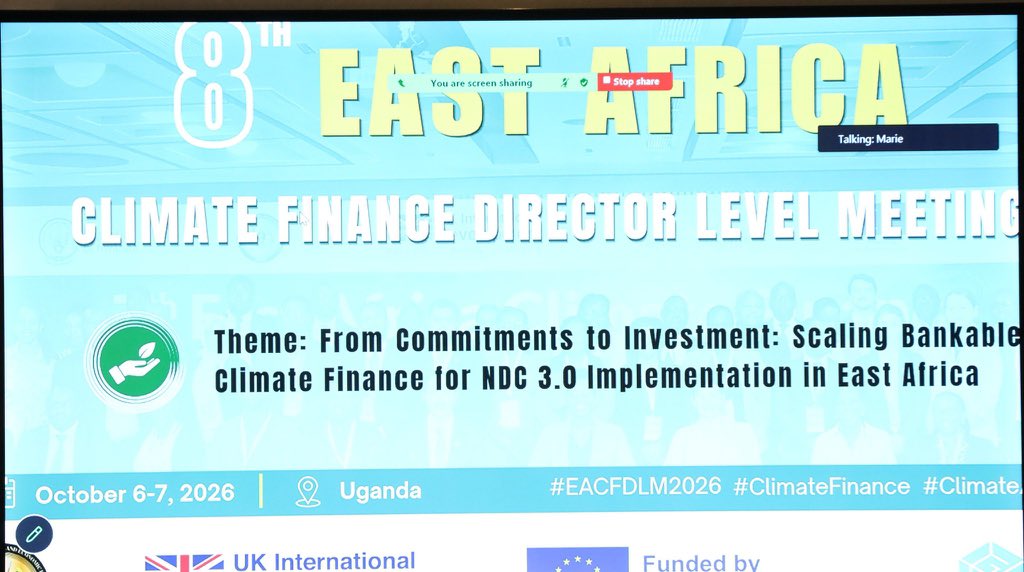
In my remarks today while opening the 8th East African Region Climate Finance Directors Level Meeting, I highlighted that weak project preparation is a major constraint to unlocking climate finance in East Africa, calling for stronger investment pipelines with clear financing needs, risk analysis, and implementation plans.
The meeting was under the theme “From Commitments to Investment: Scaling Bankable Climate Finance for NDC 3.0 Implementation in East Africa.”
Too many promising ideas reach financing discussions before feasibility work, safeguards, land arrangements, revenue assumptions and implementation responsibilities are clear
The region must move beyond climate finance pledges and focus on converting commitments into investments that deliver tangible results for citizens.
A commitment is valuable only when it translates to resources reaching the communities that need them.
Climate finance should be viewed as part of the investment foundation for Uganda’s Tenfold Growth Strategy, which seeks to expand the economy to approximately $500 billion by 2040.
Uganda’s priority growth areas: agro-industrialisation, tourism, mineral development, and science, technology and innovation, depend on reliable energy, resilient infrastructure, healthy ecosystems, productive land and a workforce protected from climate shocks.
Climate action is therefore part of the investment foundation for sustained economic transformation.
I called for stronger regional cooperation, particularly through the East African Community (EAC), to mobilise climate finance for cross-border programmes in clean power and grid interconnection, resilient transport, shared water basins, climate-smart agriculture and early warning systems.
Pooling demand, sharing technical preparation costs and aggregating similar investments across Partner States could create programmes at a scale capable of attracting capital.
Uganda has strengthened its climate finance framework through the National Climate Finance Strategy and National Green Taxonomy and should now be translated into actual project selection, budgeting, financing and reporting.
I also called for better tracking of climate finance by distinguishing pledges from approvals, approvals from disbursements, and disbursements from results on the ground, proposing a regional scorecard to help Partner States identify bottlenecks and assess whether financing is reaching adaptation, local governments and vulnerable communities.
I welcomed the new Head of Iceland Mission to Uganda Katrín Einarsdóttir and also thanked the Government of Iceland for the support extended to Uganda over the years in the districts of Kalangala, Buikwe and Namayingo.
During the meeting, The Iceland Head of Mission in Kampala made the revelation about the resumption of the cooperation
The Government of Iceland has approved a grant of USD 8 million to support infrastructure development in the three districts of Namayingo,Kwania and Amolatar especially in the areas of education (construction of schools), water and sanitation for the period 2026-2028.
Uganda has clearly defined what it wants to be in the next 15 years through the tenfold growth strategy. Iceland is welcome to support the anchor sectors of the economy - ATMS and their enablers.
I urged them to attract foreign direct investments and tourists, support value addition and innovations. Promote Uganda as the best investment destination.
The Iceland Head of Mission who was accompanied by her Deputy and other officials said Iceland is ready to continue promoting Uganda and supporting future generations through education.
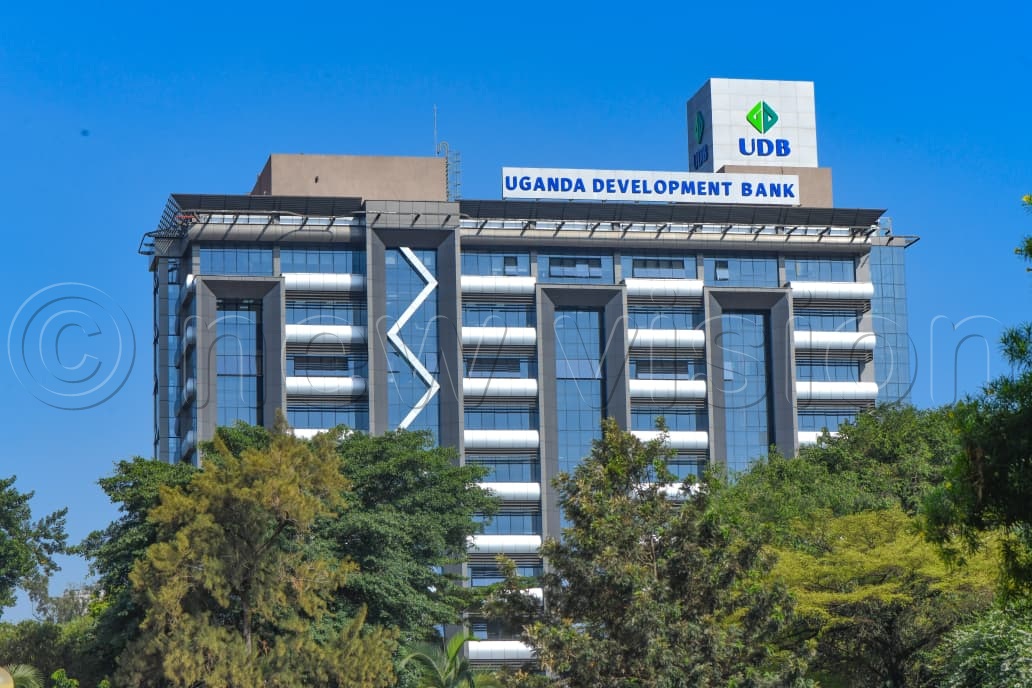
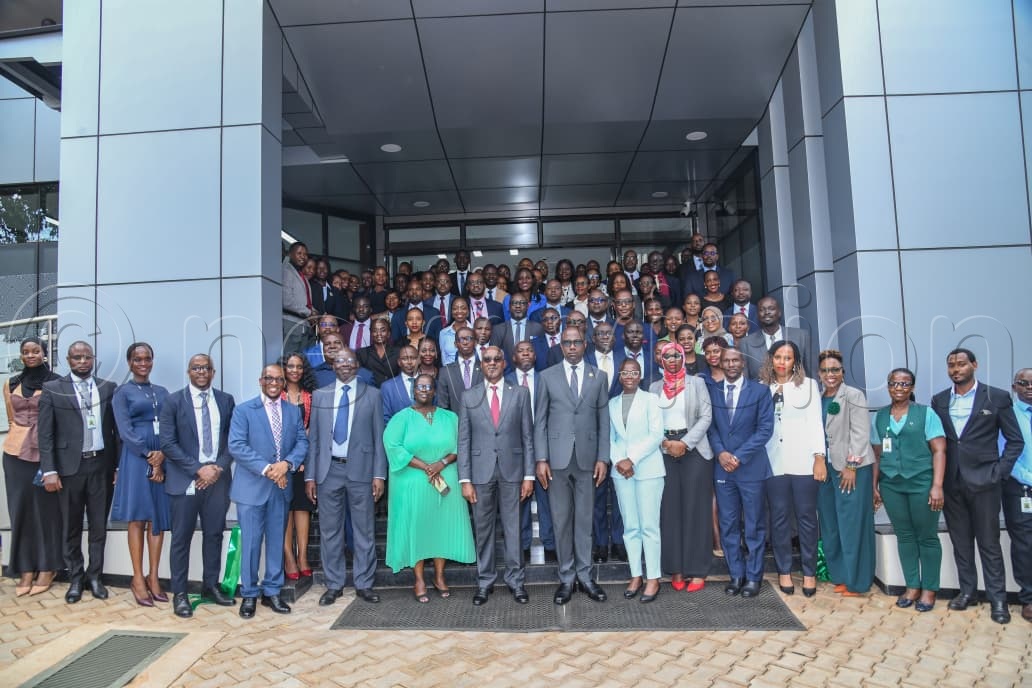
The Minister of Finance, Planning and Economic Development, @henrymusasizi1 , has presided over the official opening of the renovated Uganda Development Bank (@UDB_Official) Tower.
The new 14-storey UDB head office, located at Plot 22, Hannington Road in Kampala, marks a major milestone in the bank’s institutional growth and its contribution to Uganda’s long-term economic transformation.
The purpose-built head office brings UDB’s head-office operations into one modern, integrated facility designed to enhance operational efficiency, collaboration, innovation and service delivery as the bank expands its role in financing Uganda’s development priorities. #VisionUpdates
📸 Richard Sanya
Today, I had the distinct honour of representing His Excellency the President of the Republic of Uganda, Gen. Yoweri Kaguta Museveni, at the historic Episcopal Ordination and Installation of Rt. Rev. Bonaventure Bosco Gubazire as the 5th Bishop of Kabale Catholic Diocese.
The ceremony was held at St. Ignatius University - Kabale (IGUKA) in Kabale Municipality.
On behalf of H.E. the President, I conveyed the following message:
The President commended the Emeritus Bishop of Kabale, Rt. Rev. Callist Rubaramira for his long and dedicated service to the Diocese and for his immense contribution to the transformation of communities and the lives of Christians.
The President congratulated the new Bishop, Rt. Rev. Gubazire, upon his appointment, ordination and installation, and pledged, on behalf of the Government of Uganda, to work with him in all aspects of serving the social-economic transformation needs of the people under the care of Kabale Catholic Diocese.
The President urged Bishop Gubazire to join the Government's campaign to eliminate poverty through various wealth creation programs, including the *Parish Development Model (PDM).*
As a symbol of the Government's support and goodwill, on behalf of H.E. the President, I handed over a brand new Land Cruiser Registration No. UA 291FN to the newly consecrated Bishop.
I congratulate Bishop Gubazire once again and wish him a fruitful episcopal ministry.
I have reaffirmed Uganda's commitment to strengthening its partnership with the European Union to attract investment, expand trade, support private-sector growth and accelerate economic transformation.
I made remarks today while meeting the European Union delegation led by the EU Ambassador to Uganda, H.E. Jan Sadek.
I emphasized that we value the European Union’s longstanding partnership with Uganda and look forward to strengthening cooperation that translates into investment, jobs, exports and sustainable economic growth.
The engagement comes as Uganda and the EU mark 50 years of partnership, with cooperation increasingly moving beyond traditional development assistance towards investment, infrastructure, trade, energy, climate finance and private-sector development.
@JanSadek also reiterated the EU’s commitment to working closely with the Ministry of Finance, which he described as the EU’s primary counterpart for development cooperation.
According to Sadek, EU–Uganda cooperation is centred on sustainable and inclusive growth and jobs, governance and social inclusion, and connectivity, in line with the EU’s Global Gateway strategy.
Under Global Gateway, Team Europe is investing about €1.4 billion in Uganda’s private-sector development with approximately €300 million in grant funding targeting access to finance, skills development, business environment and productive infrastructure.
Energy was another key area of discussion, with the rehabilitation of the Nalubaale and Kiira hydropower plants highlighted as a flagship Team Europe initiative.
The project has a €170 million financing package, comprising €30 million in EU grant funding and concessional loans from the European Investment Bank and the French Development Agency. It is intended to extend the life of the strategic renewable energy assets for at least another 30 years.
The meeting also focused on climate finance, including Uganda’s preparedness to issue its first sovereign green bond. The EU expressed interest in supporting Uganda’s readiness and exploring how the planned issuance could mobilise international private capital for sustainable investments.
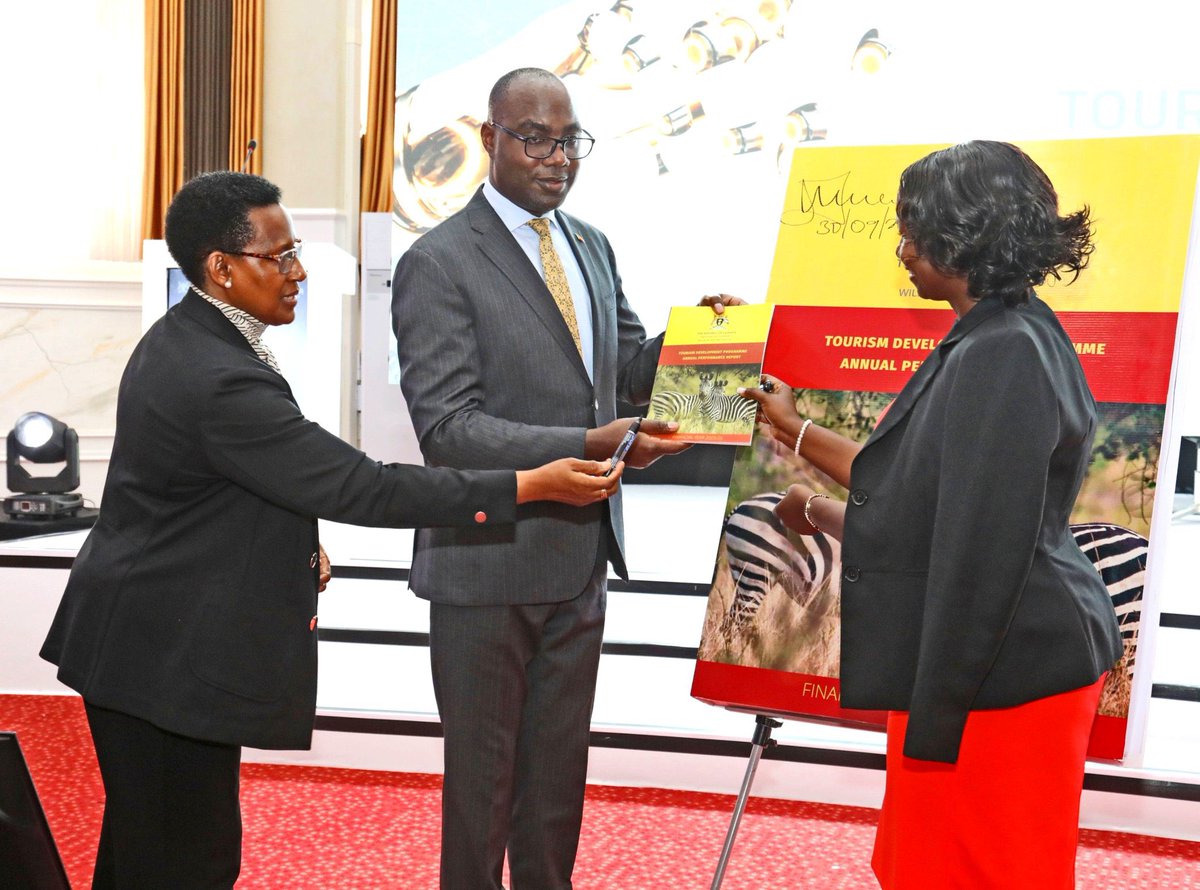
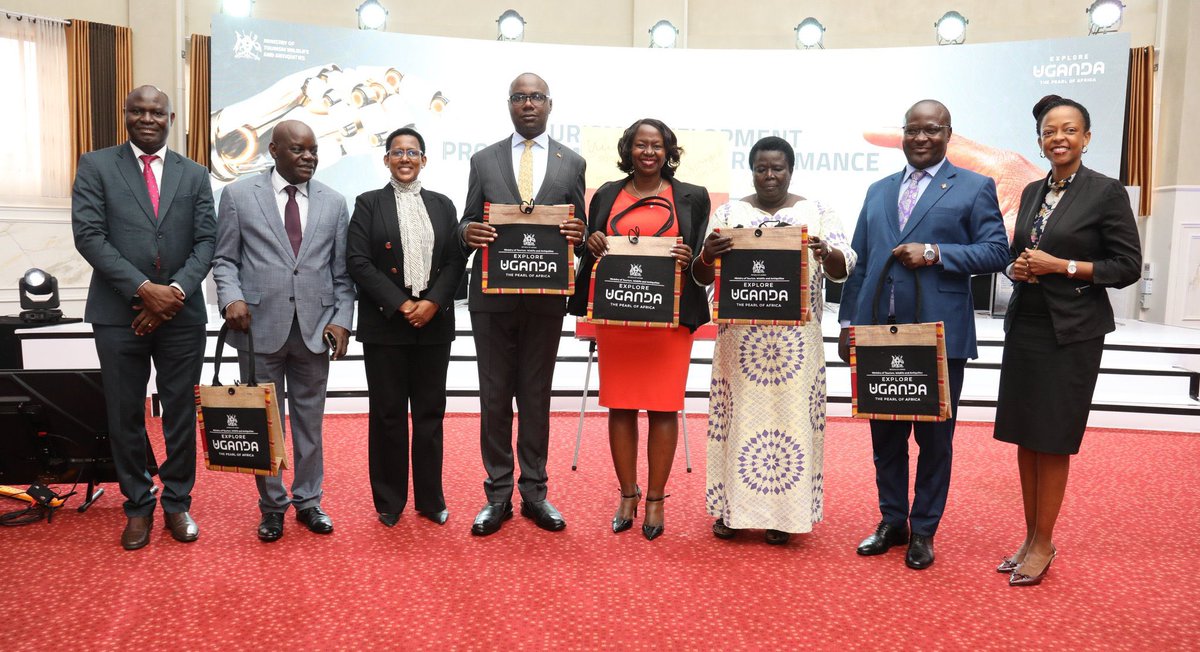
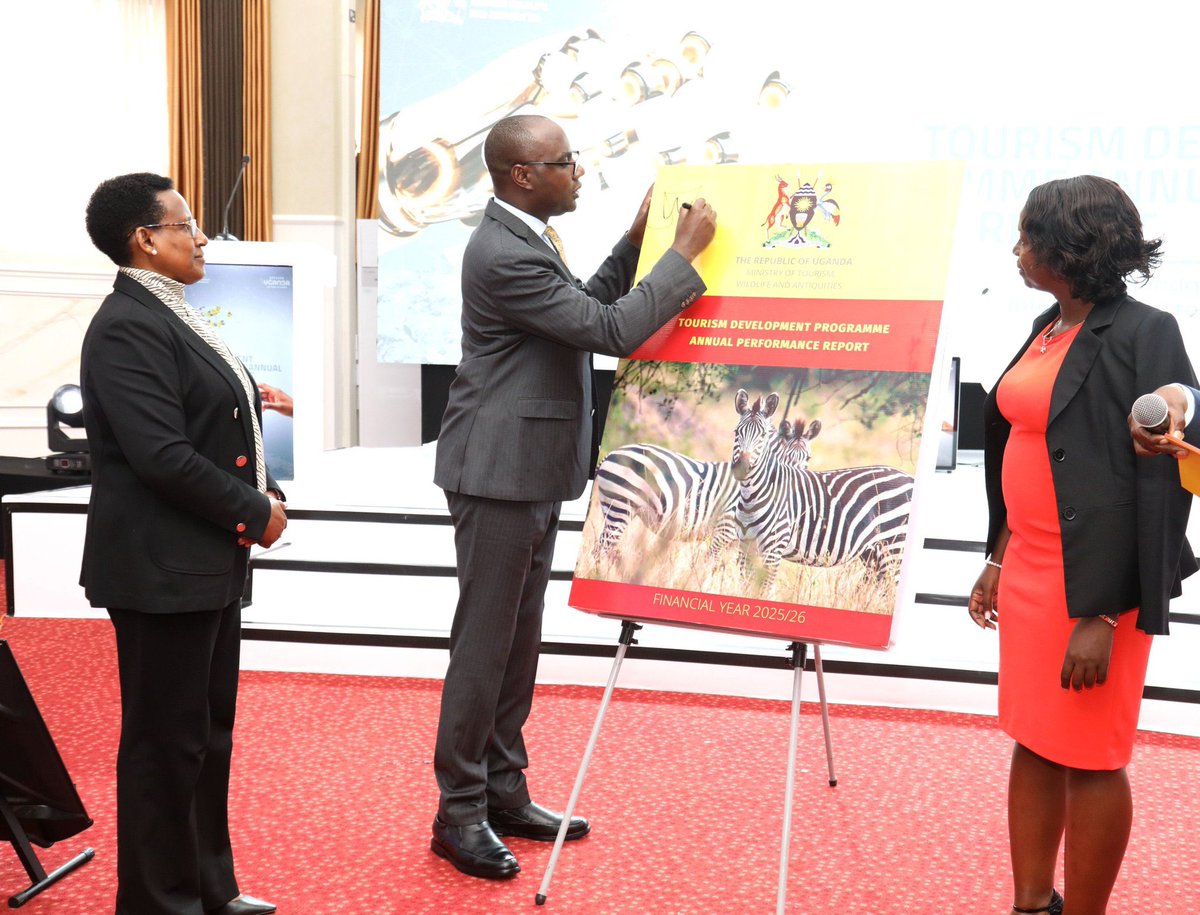
While officiating at the 4th Annual Tourism Development Programme Review Conference, I called for deliberate action to unlock Uganda’s tourism potential and increase the sector’s contribution to the economy. He said Government is targeting US$5 billion in annual tourism receipts by 2030.
Achieving the target will require not only increasing visitor numbers but also longer tourist stays and attracting high-value visitors,adding that tourism remains a high-priority sector for the country.
The latest Tourism Development Programme Annual Performance Report FY2025/26 shows that Uganda received 1.64 million international tourists in 2025, up from 1.37 million in 2024. Tourism receipts increased by 21.3% to Sh5.83 trillion (US$1.62 billion), driven by higher visitor spending and longer stays.
The average length of stay rose from 8.7 nights in 2024 to 8.8 nights in 2025, while average tourist expenditure per trip increased to US$986, up from US$933 in 2024.
Government’s role is to create an environment that enables the private sector to invest, expand tourism facilities, improve standards and attract foreign direct investment through partnerships and joint ventures.
I called for stronger public-private partnerships to turn tourism opportunities into viable and bankable investments across hotels and conference facilities, eco-tourism, cultural and heritage tourism, faith-based tourism, agro-tourism, sports, wellness, adventure, creative and entertainment tourism.
The sector currently directly generates 876,512 jobs, equivalent to 7.5% of Uganda’s total employment, according to the Tourism Satellite Account.
Government will continue investing in tourism infrastructure, destination marketing, product development, conservation, specialised skills and digital transformation, while improving the business and investment environment.
I also pointed to affordable financing and fiscal incentives for investors, alongside Economic and Commercial Diplomacy to promote Uganda in international markets.
I urged stakeholders to deliberately discover, develop, package, market and sustainably manage Uganda’s tourism assets while ensuring that the sector creates jobs, earns foreign exchange and benefits communities.
Tourism is a source of high economic growth, earns the country significant foreign exchange, creates jobs for Ugandans, redistributes income to rural areas, and gives us a compelling reason to protect our nature.