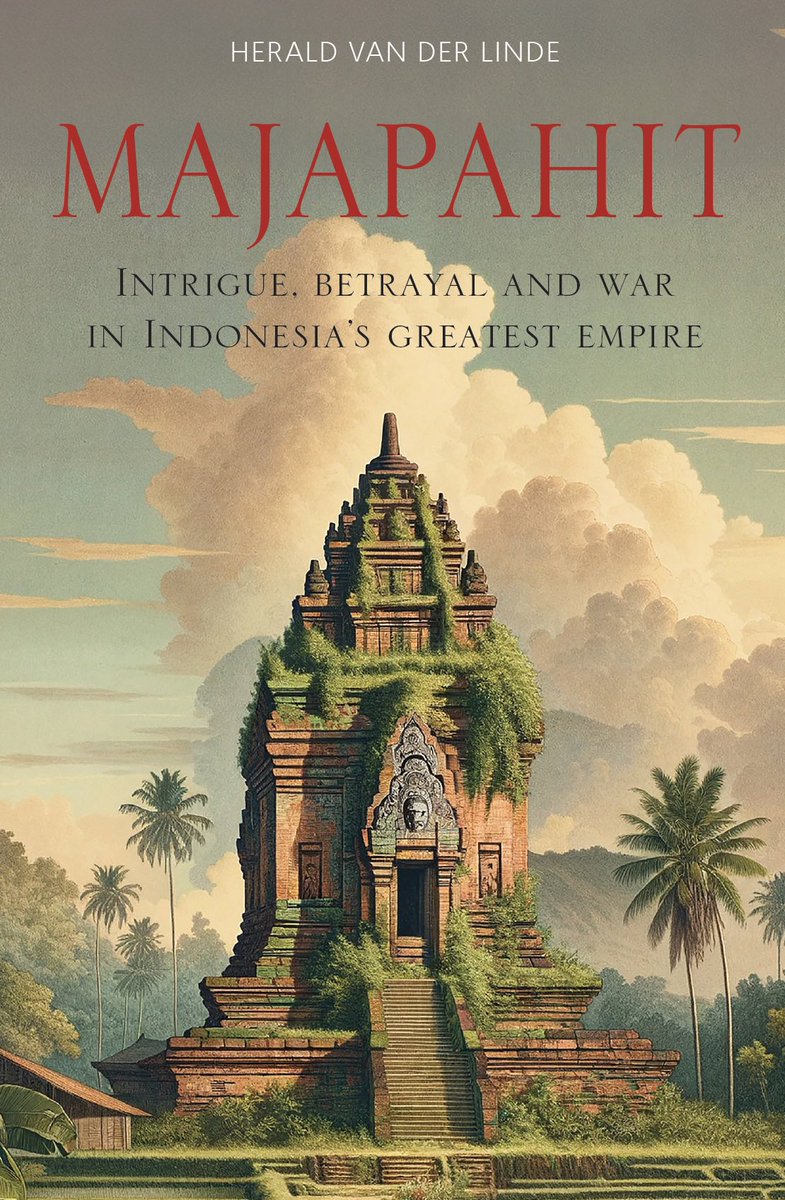
Majapahit was a 14th century Javanese empire that shaped Southeast Asia as it is today. It’s a fantastic story with eccentric kings, bloody family feuds and a war with Kublai Khan. Like SEA today, it had to navigate tricky geopolitics. And…available at bookstores now.
How come South Korea’s stock market tripled in a year? And who is still buying? What are locals doing? And its pension fund? A deep dive with BBC’s Asia Specific podcasters. https://t.co/yX2wI6LmWC
A few thoughts on the Netherlands 🇳🇱
After several years living here, I want to say it clearly: I really like this country.
The Dutch have a special kind of quiet decency — direct, practical, and often kinder than they give themselves credit for. I appreciate the freedom, the safety, the respect for personal space, and the way life feels organized without being oppressive.
This environment has also given me space to breathe and continue my journey with mental health — to manage my psychoses better and build a meaningful life.
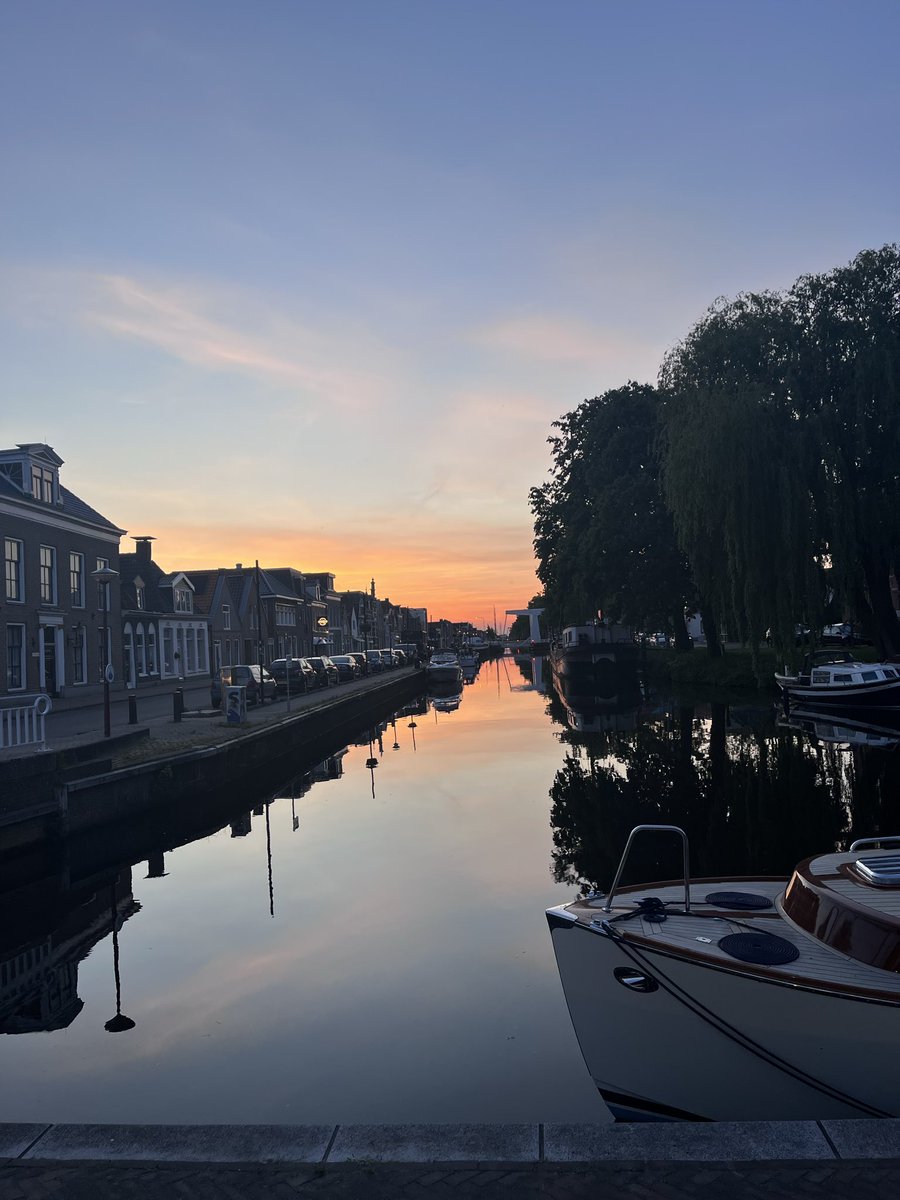
I love the beautiful light on the canals, the bike culture (even if I still complain about the rain), and the simple pleasure of Friday mornings at the market. Most of all, I’m grateful for the good people I’ve met — normal, warm, down-to-earth people who value real life.
It’s not perfect, of course. No country is. But this place has given me space to grow, to heal in my own way, and to create. And for that, I’m truly thankful.
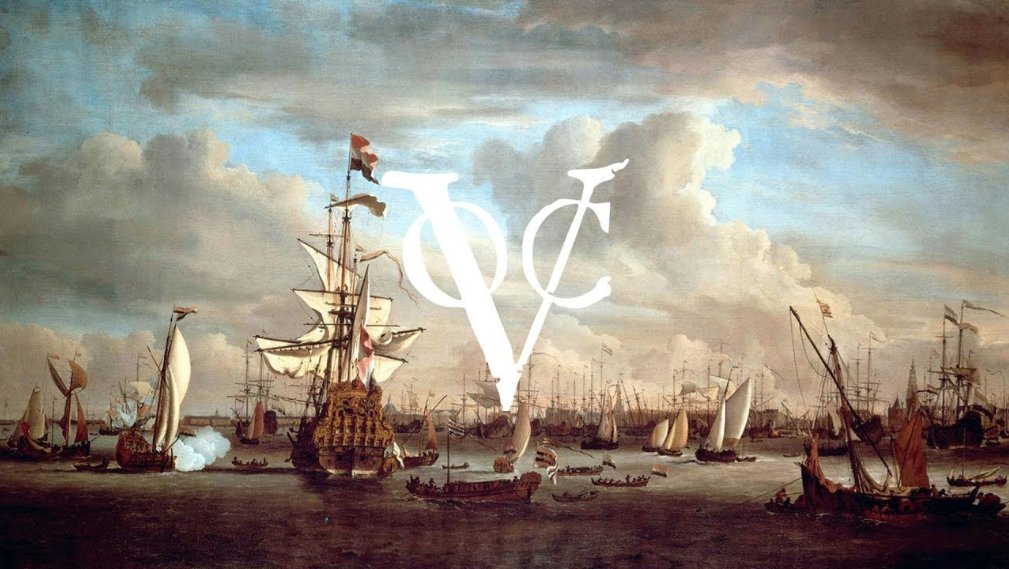
How did an extraordinary act of espionage open the way for the creation of the VOC, the Dutch East India Company?
What made the VOC the first ‘mega-corporation’ in history? And what was the horrific human cost of establishing a corporate colonial stronghold in the East Indies?
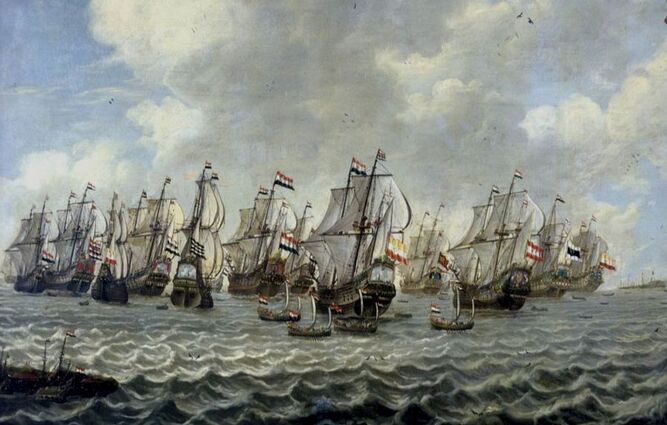
I am joined by Dutch historian Herold van der Linde to explore the staggering rise of the Dutch East India Company - a company so rich it eclipsed the modern valuations of Apple and NVIDIA combined. They discuss how high-stakes espionage, revolutionary cargo ships, and military ruthlessness allowed the Dutch to dominate the 17th-century global economy.
https://t.co/CvBe7MbMR6
What made the VOC the first ‘mega-corporation’ in history? And what was the horrific human cost of establishing a corporate colonial stronghold in the East Indies?
https://t.co/gEHgSFE7ZV
@DalrympleWill Nice one. The letter “A” on top of the VOC sign at the bottom suggest that the canon was made for the Amsterdam chamber. “H” would have been Hoorn, “Z” Zeeland (the province that gave its name to New Zealand).
@DalrympleWill@tweeter_anita Who was “Peter Pepper”?
The man who smuggled stolen spice plants out of Dutch hands, helping end the VOC’s brutal monopoly over some of the world’s most valuable commodities.
@DalrympleWill@tweeter_anita At its height, the Dutch East India Company was the envy of Europe: rich, armed and dominant across the spice trade.
But as the English East India Company grew more powerful, the VOC began to buckle under debt, corruption and war.
@DalrympleWill@tweeter_anita How did one salute help ignite a war?
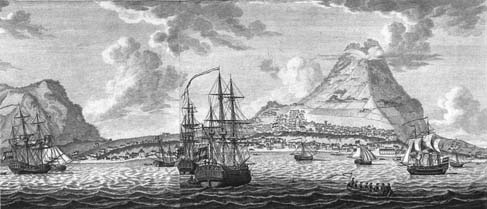
In 1776, the Dutch island of St Eustatius fired a salute to an American ship flying the new rebel flag.
Britain saw it as proof the Dutch were backing the American Revolution, helping spark the Fourth Anglo-Dutch War.
🚨NEW EPISODE🚨
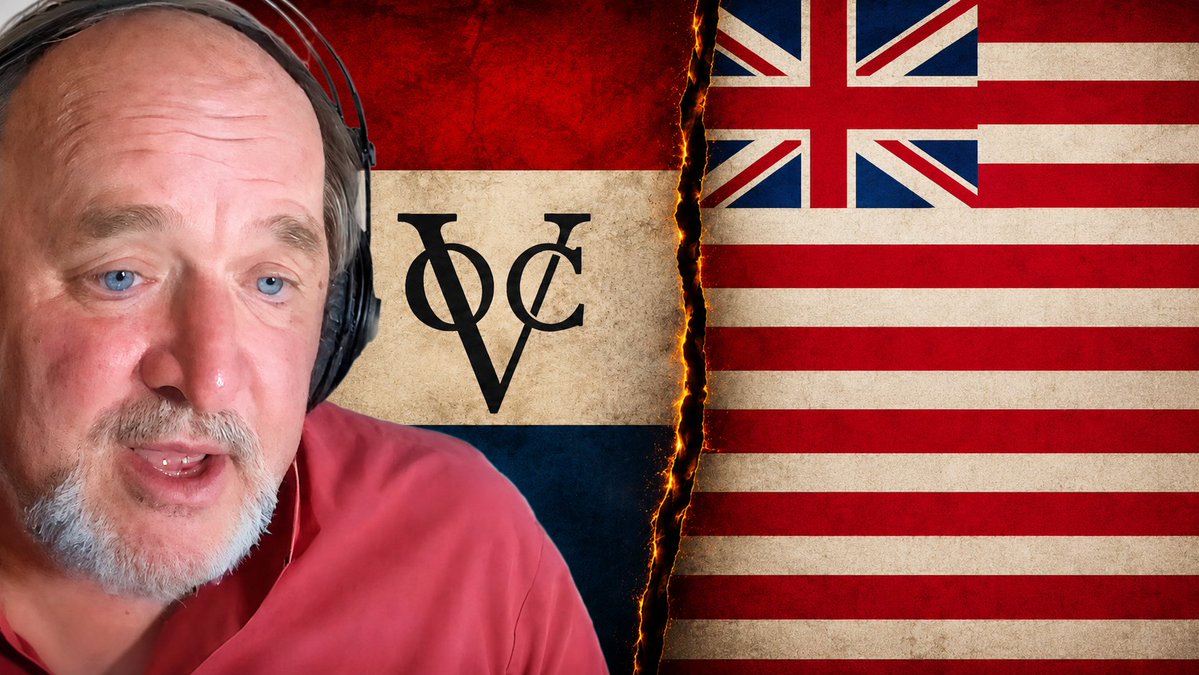
The Battle of The East India Companies
How did the English East India Company rise into a corporate state, while the mighty VOC collapsed into bankruptcy?
@DalrympleWill, @tweeter_anita + Michael Bass explore one of history’s greatest commercial reversals...
NL returns 1,000-Year-Old Chola Copper Plates to India. They mention Buddhist shrine & monasteries in Nagapattinam, some linked to Srivijaya. They bear Rajendra Chola I’s seal (11th c.), written in Sanskrit and Tamil https://t.co/meWk1rZOzV
🚨NEW EPISODE🚨
How One Tiny Nut Caused Untold Misery
Join @DalrympleWill and @tweeter_anita with Giles Milton for the brutal story of nutmeg, the Banda massacre, and the birth of New York.
Link below👇
https://t.co/thbGFLZE7x
So wheels up on Air Force One. From an optics perspective, there is a lot to be pleased about. Substantially, the communications were rather diverse. The Chinese side mostly straight and historical, with “Constructive Strategic Stability” the main (agreed?) deliverable. On the